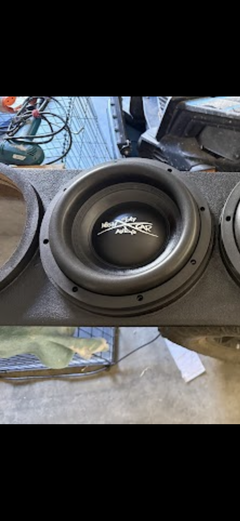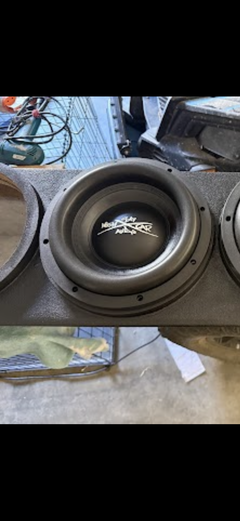
Violator Audio Subwoofers
-
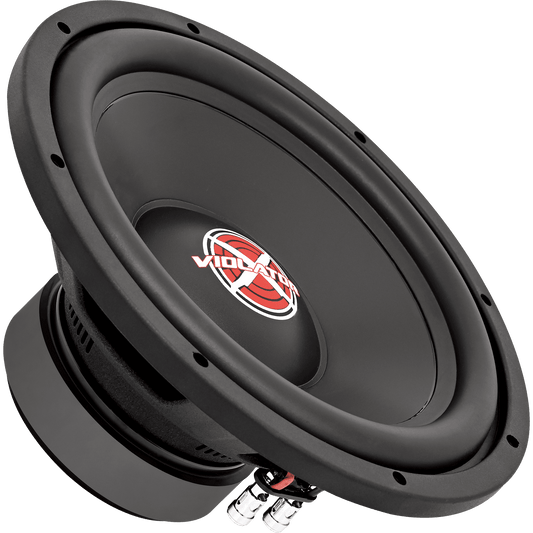
Violator Audio CATegory 1 Series 12" Subwoofer Dual 4 Ohm
Vendor:Violator AudioRegular price $89.99 USDRegular price$124.99 USDSale price $89.99 USDSold out -
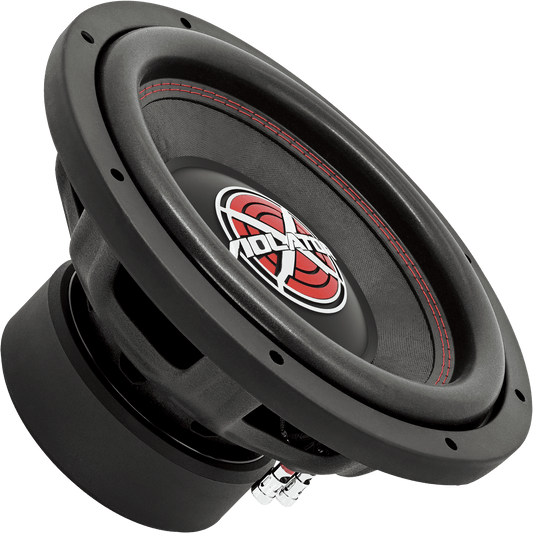
Violator Audio CATegory 2 Series 12" Subwoofer Dual 4 Ohm
Vendor:Violator AudioRegular price $129.99 USDRegular price$164.99 USDSale price $129.99 USDSold out -
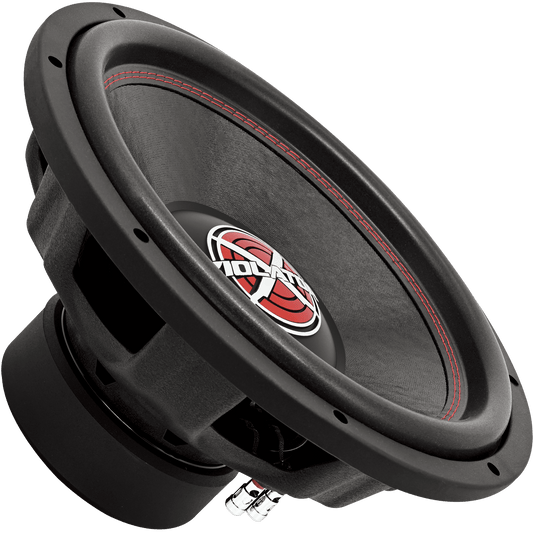
Violator Audio CATegory 2 Series 15" Subwoofer Dual 4 Ohm
Vendor:Violator AudioRegular price $139.99 USDRegular price$174.99 USDSale price $139.99 USDSold out -
Violator Audio CATegory 3 Series 10" Subwoofer Dual 4 Ohm
Vendor:Violator AudioRegular price $159.99 USDRegular price$184.99 USDSale price $159.99 USDSold out -
Violator Audio CATegory 3 Series 12" Subwoofer Dual 4 Ohm
Vendor:Violator AudioRegular price $169.99 USDRegular price$194.99 USDSale price $169.99 USDSold out -
Violator Audio CATegory 3 Series 15" Subwoofer Dual 4 Ohm
Vendor:Violator AudioRegular price $179.99 USDRegular price$204.99 USDSale price $179.99 USDSold out -
Violator Audio CATegory 4 Series 12" Subwoofer Dual 4 Ohm
Vendor:Violator AudioRegular price $199.99 USDRegular price$224.99 USDSale price $199.99 USDSold out -
Violator Audio CATegory 4 Series 15" Subwoofer Dual 4 Ohm
Vendor:Violator AudioRegular price $209.99 USDRegular price$234.99 USDSale price $209.99 USDSold out








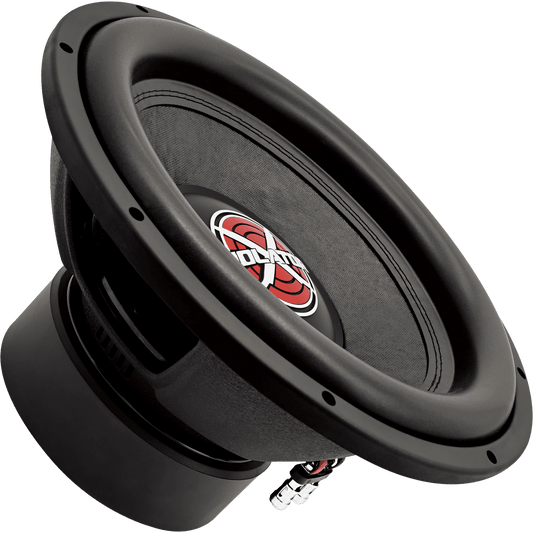
-
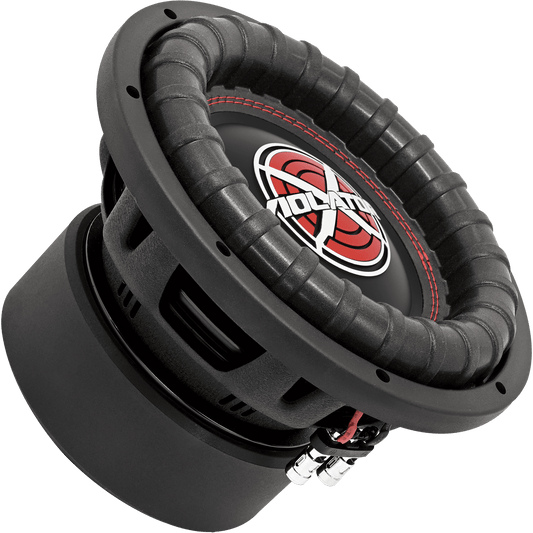
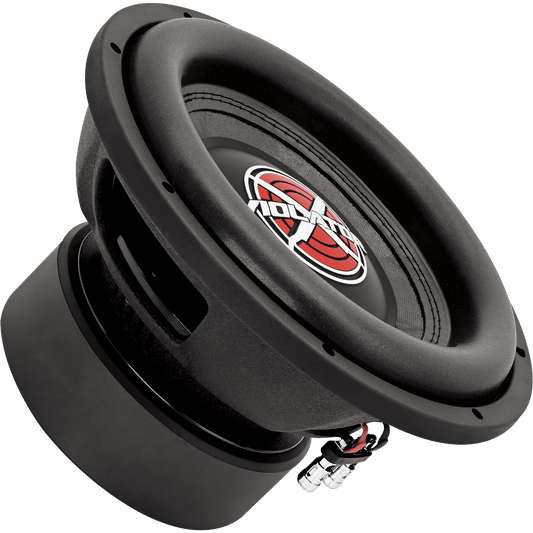
 Violator Audio CATegory 1 Series 12" Subwoofer Dual 4 OhmEntry level doesn't have to be so "ENTRY" anymore with the all new CATegory 1 Series 12" Subwoofer from Violator Audi...$89.99
$124.99 -
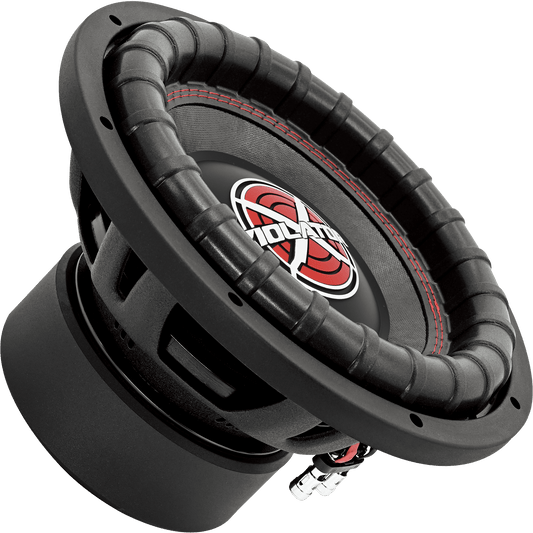
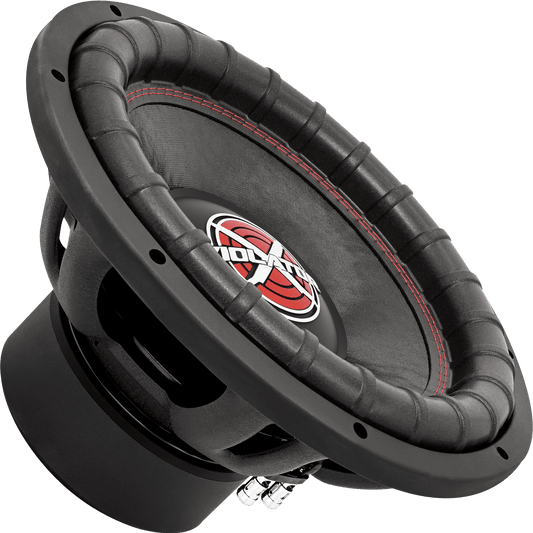
 Violator Audio CATegory 2 Series 12" Subwoofer Dual 4 OhmEntry level doesn't stand a chance when the CATegory 2 Series Subwoofers from Violator walk in! Packed with a ton of...$129.99
$164.99 -
 Violator Audio CATegory 2 Series 15" Subwoofer Dual 4 OhmEntry level doesn't stand a chance when the CATegory 2 Series Subwoofers from Violator walk in! Packed with a ton of...$139.99
$174.99 -
 Violator Audio CATegory 3 Series 10" Subwoofer Dual 4 OhmOK, so we're waaaaay past entry level now. Check out the CATegory 3 Series Subwoofers from Violator! Packed with a ...$159.99
$184.99 -
 Violator Audio CATegory 3 Series 12" Subwoofer Dual 4 OhmOK, so we're waaaaay past entry level now. Check out the CATegory 3 Series Subwoofers from Violator! Packed with a ...$169.99
$194.99 -
 Violator Audio CATegory 3 Series 15" Subwoofer Dual 4 OhmOK, so we're waaaaay past entry level now. Check out the CATegory 3 Series Subwoofers from Violator! Packed with a ...$179.99
$204.99 -
 Violator Audio CATegory 4 Series 12" Subwoofer Dual 4 OhmSo, just hear us out.... You may want to crack your windshield, you may not. BUT! You'll definitely want to hear t...$199.99
$224.99 -
 Violator Audio CATegory 4 Series 15" Subwoofer Dual 4 OhmSo, just hear us out.... You may want to crack your windshield, you may not. BUT! You'll definitely want to hear t...$209.99
$234.99


Violator Audio Subwoofers
Sold by AudioSellerz.com
Shop Violator Audio subwoofers at Audio Sellerz for daily-driver bass systems, truck builds, custom enclosures and louder car audio systems. Violator's CATegory subwoofer lineup gives you several levels to choose from so you can build around your available space, desired output, amplifier power, enclosure and electrical system instead of simply buying the largest subwoofer you can fit.
This collection is dedicated specifically to Violator subwoofers. To browse amplifiers, speakers and the rest of the brand, visit the Violator Audio collection at Audio Sellerz.
Violator Audio CATegory Series Subwoofers
Violator Audio organizes its subwoofer lineup into multiple CATegory Series. This gives customers several different starting points depending on the size, power level and overall goal of the bass system.
The important thing is to choose the series that makes sense for the entire build. The subwoofer, amplifier, enclosure, final impedance, wiring and vehicle electrical system all need to work together.
Violator CATegory 1 Subwoofers
The Violator CATegory 1 Series is the starting point in the lineup and can make sense for customers putting together a straightforward daily-driver bass upgrade without immediately moving into the larger models.
A properly installed entry-level subwoofer can still make a major difference over a factory audio system when it is installed in the correct enclosure and powered by a properly matched amplifier.
Violator CATegory 2 Subwoofers
The Violator CATegory 2 Series gives customers another step when they want to move beyond the starting point of the CATegory lineup.
As you move into stronger subwoofers, remember that the supporting system matters more too. Amplifier power, box design, wiring and available charging capacity should all be considered before ordering.
Violator CATegory 3 Subwoofers
The Violator CATegory 3 Series moves farther into higher-output bass applications and includes multiple subwoofer sizes for different installation requirements.
This is where planning the complete system becomes especially important. Make sure you know the RMS requirements of the exact subwoofer, final wired impedance, amplifier output and enclosure requirements before building the system.
Violator CATegory 4 Subwoofers
The Violator CATegory 4 Series sits at the upper end of Violator's current CATegory subwoofer lineup for customers building more serious bass systems.
A higher-output subwoofer requires more than a bigger amplifier. The enclosure, wiring, grounds, fuse protection, battery capacity and charging system all need to support the additional electrical demand.
Shop Violator Subwoofers by Size
Subwoofer diameter affects available cone area and enclosure requirements, but size alone does not determine how loud or how good a bass system will sound.
Violator 10-Inch Subwoofers
A 10-inch subwoofer can be a strong choice when enclosure space matters but you still want serious aftermarket bass. Ten-inch subs work especially well in many truck installations, smaller trunks, compact enclosures and systems where maintaining usable vehicle space is important.
Browse our complete selection of 10-inch car audio subwoofers to compare available options.
Violator 12-Inch Subwoofers
A 12-inch subwoofer is one of the most common choices for car audio bass systems because it offers a useful balance between cone area, low-frequency output and enclosure size.
Twelve-inch subs can work in everything from a moderate single-sub daily driver to larger dual and multiple-subwoofer builds when the amplifier, enclosure and electrical support are matched correctly.
Browse our 12-inch car audio subwoofer collection for more options.
Violator 15-Inch Subwoofers
A 15-inch subwoofer provides more cone area but also generally requires more enclosure space. Fifteens can make sense in vehicles where the goal is stronger low-frequency output and there is enough room to build the box correctly.
Browse our 15-inch car audio subwoofers if you are planning a larger bass system.
Do Not Choose a Violator Subwoofer by Size Alone
A 15-inch subwoofer is not automatically better than a 12-inch, and a 12-inch is not automatically better than a 10-inch.
The right choice depends on the entire build.
Before ordering, consider:
- Available enclosure space
- Subwoofer mounting depth
- Required cutout diameter
- Recommended enclosure volume
- RMS power handling
- Voice-coil configuration
- Number of subwoofers
- Final wired impedance
- Amplifier RMS power
- Available power and ground wire
- Battery and alternator capability
- The kind of bass you actually want
A properly matched smaller subwoofer in the right enclosure can easily make more sense than a larger woofer installed in a box or electrical system that cannot support it.
Match Violator Subwoofers With the Right Amplifier
After choosing the subwoofer, the amplifier needs to be selected around the RMS power and final impedance of the completed bass system.
If you want to keep the main equipment within the Violator lineup, browse Violator Audio amplifiers.
Do not match a subwoofer and amplifier using maximum or peak wattage numbers. Start with the RMS power requirement of the exact subwoofer and compare that with the amplifier's RMS output at the impedance you will actually wire the system to.
Understand Dual Voice Coils and Final Ohm Load
Voice-coil configuration determines the wiring options available for the subwoofer system.
With a dual voice-coil subwoofer, both coils must be wired correctly. When multiple subwoofers are added, the available final impedance options change again.
For example, one dual 4-ohm subwoofer can commonly be wired to a 2-ohm or 8-ohm final load. Using two matching dual 4-ohm subwoofers creates additional wiring possibilities.
Before choosing the amplifier, use our subwoofer wiring diagrams and final ohm-load guide.
You can also read our dual 2-ohm vs dual 4-ohm subwoofer guide for a deeper explanation of how voice-coil configuration affects amplifier matching.
The Subwoofer Box Is Part of the System
The enclosure has a major effect on how a Violator subwoofer performs.
Two boxes designed for the same diameter subwoofer can produce very different results because internal volume, port area, tuning frequency and available airspace all affect the system.
A proper enclosure should account for:
- The exact subwoofer model
- Recommended net airspace
- Subwoofer displacement
- Mounting depth
- Excursion clearance
- Sealed or ported design
- Port area and tuning when applicable
- Number of subwoofers
- Available space inside the vehicle
Browse our car audio subwoofer boxes and enclosures or read the Audio Sellerz subwoofer box guide before choosing an enclosure.
Single vs Dual Violator Subwoofer Systems
Single Violator Subwoofer
A single-subwoofer system can provide strong bass while keeping the box, amplifier and electrical requirements more manageable.
A single Violator subwoofer may be a good fit for:
- Daily-driver systems
- Truck installations
- Smaller trunks
- Customers trying to preserve cargo space
- First aftermarket bass systems
- Systems where electrical capacity is limited
Dual Violator Subwoofers
Two matching subwoofers increase total cone area and output potential, but they also increase the required enclosure size and usually require more amplifier power.
Before ordering two Violator subs, make sure you know the final impedance the pair can be wired to and verify that the amplifier will safely support that load.
Use the Right Power and Ground Wire
A strong subwoofer system places real demand on the amplifier, and the amplifier can only work with the current the electrical system can deliver.
Undersized power wire or a weak ground can contribute to voltage drop, heat, amplifier protect mode and reduced performance.
Browse car audio amplifier wiring kits or shop car audio power wire, ground wire and speaker wire when completing the installation.
Protect the System With Proper Fusing
The main fuse in an amplifier installation is there to protect the power cable and vehicle if the cable shorts to ground.
Fuse protection should be selected around the wiring and electrical demands of the system rather than the diameter of the subwoofer.
Browse car audio fuse holders and fuse blocks for the power-distribution side of your installation.
Higher-Power Violator Systems Need Electrical Support
Moving into a larger subwoofer and amplifier system increases the demand placed on the vehicle charging system.
A higher-output build may need:
- Properly sized OFC or CCA power wire for the application
- Matching ground-wire capacity
- Improved chassis and battery grounds
- A Big 3 wiring upgrade
- Additional battery capacity
- Proper power distribution and fuse protection
- A high-output alternator when factory charging capacity is no longer enough
Shop car audio Big 3 upgrade kits when improving the main power and grounding paths of the vehicle.
If you are unsure where to start, read our step-by-step car audio electrical upgrade guide.
Set the Amplifier Gain Correctly
Gain is not a volume knob.
Once the subwoofer system is wired and installed correctly, amplifier gain needs to be set properly so the amplifier input matches the signal coming from the radio, line output converter or processor.
Running excessive gain can increase clipping, distortion and heat and can damage subwoofers even when the amplifier appears to be working normally.
Use our guide to setting amplifier gain for subwoofers, mids and highs when tuning the system.
Build the Entire Bass System Before You Buy
The easiest way to avoid mismatched equipment is to plan the complete system before ordering individual components.
A complete Violator bass build may include:
- One or more Violator Audio subwoofers
- A properly matched monoblock amplifier
- The correct sealed or ported enclosure
- Power and ground wire sized for the amplifier
- Speaker wire
- Proper fuse protection
- A solid amplifier ground
- Big 3 wiring upgrades when required
- Additional battery support when required
- A high-output alternator when charging demand requires it
- Correct gain, crossover and subsonic-filter settings
Our complete car audio bass setup guide walks through how the subwoofers, amplifier, box, wiring and electrical system work together.
Build a Complete Violator Audio System
Use the dedicated Violator Audio collections at Audio Sellerz to continue building your system:
- Shop all Violator Audio products
- Shop Violator Audio subwoofers
- Shop Violator Audio amplifiers
- Shop Violator Audio speakers
Violator Audio Subwoofer FAQ
What are Violator Audio CATegory subwoofers?
Violator Audio uses the CATegory name across multiple levels of its subwoofer lineup. CATegory 1, CATegory 2, CATegory 3 and CATegory 4 give customers different options depending on the system they are building. Check the individual product page for the exact specifications of each subwoofer.
What sizes do Violator Audio subwoofers come in?
Violator's CATegory lineup includes multiple common car audio subwoofer sizes, including 10-inch, 12-inch and 15-inch options depending on the series.
Which Violator CATegory Series should I buy?
Choose according to your desired output, available enclosure space, amplifier power, electrical system and budget. Moving up the lineup only makes sense when the rest of the system can properly support the subwoofer.
Are Violator subwoofers dual voice coil?
Violator's current CATegory subwoofer lineup includes dual voice-coil models. Always verify the impedance on the exact product page before ordering because voice-coil configuration determines your available final wiring loads.
Can I run two Violator subwoofers?
Yes. Two matching subwoofers can be used when the enclosure has the correct airspace, the voice coils can be wired to an impedance the amplifier safely supports and the vehicle electrical system can handle the amplifier demand.
What amplifier should I use with Violator subwoofers?
Start with the RMS power requirement of the exact subwoofer or subwoofers, determine the final impedance after wiring and then compare that with the amplifier's RMS output at that load.
What box should I use for a Violator subwoofer?
Use the enclosure recommendations for the exact Violator model rather than choosing a box by woofer diameter alone. Internal volume, port design, tuning, mounting depth and displacement all affect the finished system.
Do Violator subwoofers require a Big 3 upgrade?
The need for a Big 3 upgrade is based primarily on amplifier current demand and the capability of the vehicle electrical system—not simply the brand or diameter of the subwoofer.
Do I need a high-output alternator for Violator Audio?
That depends on total amplifier current demand, factory alternator output, battery capacity, system voltage and how the system is used. Higher-power builds can eventually demand more charging capacity than the factory alternator can provide.
Why Buy Violator Audio Subwoofers from Audio Sellerz?
Audio Sellerz works with real car audio systems ranging from simple daily-driver bass upgrades to custom enclosures, amplifier installations, electrical upgrades and high-output builds.
We understand that the subwoofer is only one piece of the system. The enclosure, amplifier, final impedance, wiring, grounding, battery and charging system all affect whether the finished build performs the way it should.
Browse the Violator subs above, or return to the main Violator Audio collection to continue planning your system.
Dealer & Wholesale Accounts
Dealers, shops, installers, builders and resellers interested in products offered by Audio Sellerz can apply for wholesale and dealer access through AudioResellerz.com.
Follow Audio Sellerz
Follow Audio Sellerz for subwoofer systems, custom boxes, amplifier installs, electrical upgrades, bass demos, new products and real car audio content.
Follow Audio Sellerz on Facebook
Follow Audio Sellerz on Instagram
Follow Audio Sellerz on TikTok
Subscribe to Audio Sellerz on YouTube