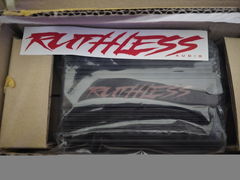
2 Channel Amplifiers for Speakers, Mids, Highs, Motorcycle Audio & Compact Builds

A 2 channel amplifier is a smart choice when you need clean power for one pair of speakers, a simple mids and highs setup, motorcycle speakers, powersports audio, or a compact custom install.

At Audio Sellerz, this 2 channel amplifiers collection is built for people who want more speaker power without making the system more complicated than it needs to be. A good 2 channel amp can help door speakers, mids, highs, coaxials, components, and smaller full-range setups play louder, cleaner, and stronger than factory power alone.

Not every build needs a huge amplifier. Sometimes the right move is a smaller amp that fits the system, the space, the speakers, and the way the vehicle is actually used.

If you are shopping for a small speaker amp, front speaker amp, 2 channel car amp, mids and highs amp, motorcycle amp, powersports amp, or compact full-range amplifier, this is the page to start with.

If you are still comparing amplifier types, you can also shop the main car audio amplifiers collection, compare 4 channel amplifiers, or look at monoblock amplifiers if your goal is subwoofer power.

What Is a 2 Channel Amplifier?

A 2 channel amplifier is an amp with two separate output channels. Most of the time, it is used to power one pair of speakers, such as left and right front speakers, a pair of mids, a pair of highs, one pair of coaxials, or a small full-range speaker setup.

A 2 channel amp can be a good fit for:

  • One pair of door speakers
  • Front speaker upgrades
  • Mids and highs
  • Coaxial speakers
  • Component speakers
  • Midrange speakers
  • Tweeters when crossed over correctly
  • Motorcycle speakers
  • Powersports audio
  • Compact custom installs
  • Small full-range systems
  • Simple speaker amplifier upgrades

Factory radios and basic head units usually do not give upgraded speakers enough clean power. A dedicated 2 channel amplifier gives the speakers more control, more output, and better performance when the amp is matched and tuned correctly.

Why Upgrade to a 2 Channel Amp?

A lot of people upgrade speakers and still run them off the radio. Sometimes that works for a basic system, but it can leave a lot of performance on the table.

A 2 channel amp can help with:

  • Louder front speakers
  • Cleaner vocals
  • Better mids and highs
  • More control over upgraded speakers
  • Less distortion at higher volume
  • Better sound from one pair of speakers
  • More output from compact installs
  • Better speaker performance without adding a huge amp

The goal is not just to make the system louder. The goal is to give the speakers enough clean power so they can do their job without sounding weak, harsh, or strained when the volume goes up.

If your upgraded speakers still sound thin, distorted, or underpowered, the speakers may not be the problem. They may simply need better amplifier power.

2 Channel Amp vs 4 Channel Amp

A 2 channel amp and a 4 channel amp are not always used for the same type of build.

A 2 channel amp is usually the better choice when you only need to power one pair of speakers. A 4 channel amp is usually better when you want to power front and rear speakers or a more complete speaker setup.

Simple way to think about it:

  • Use a 2 channel amp for one pair of speakers.
  • Use a 4 channel amp for front and rear speakers.
  • Use a monoblock amp for subwoofers.
  • Use a 5 channel amp when you want one amp to power speakers and a subwoofer in a simple daily-driver setup.
  • Use separate amps when the system needs dedicated power for bass, mids, and highs.

If you only need more power for one pair of mids, highs, or front speakers, a 2 channel amplifier may be all you need. If you want to power four speakers, shop 4 channel car audio amplifiers.

2 Channel Amps for Mids and Highs

A 2 channel amplifier can work very well for mids and highs when the system only needs one pair of speakers powered.

This can be useful in daily drivers, custom door builds, motorcycle audio, compact systems, and loud speaker setups where one strong pair of speakers needs more power than the radio can provide.

A 2 channel amp for mids and highs can be a good fit for:

  • One pair of midrange speakers
  • One pair of tweeters when set up with the correct crossover protection
  • One pair of coaxial speakers
  • One pair of component speakers
  • Small loudspeaker setups
  • Motorcycle speaker systems
  • Compact full-range builds

The important part is matching the amp to the speakers. Look at RMS power, speaker impedance, crossover settings, and how loud the system needs to play.

If you are building the speaker side of the system, compare midrange speakers, tweeters, full range speakers, midbass speakers, and the full car audio speakers collection.

2 Channel Amps for Front Speaker Upgrades

One of the best uses for a 2 channel amplifier is powering the front speakers.

In a lot of daily drivers, the front stage matters most. The front speakers handle vocals, guitars, drums, detail, and a lot of the sound you actually hear while driving. If the front speakers are weak, the whole system can feel weak, even if the subwoofer is strong.

A 2 channel amp can be a good upgrade when you want better power for:

  • Front door speakers
  • Front components
  • Front coaxials
  • Dash speakers in custom setups
  • Kick panel speakers
  • Front mids and highs

If your goal is a clean daily-driver upgrade and you only care about powering the front speakers, a 2 channel amp can make more sense than buying a larger amp you do not need.

2 Channel Amps for Motorcycle and Powersports Audio

A 2 channel amplifier can be a strong choice for motorcycles, side-by-sides, golf carts, boats, and other powersports builds.

These installs often have limited space, so compact amplifier size matters. A 2 channel amp can help power a pair of speakers cleanly without needing a larger multi-channel setup.

A 2 channel amp may work well for:

  • Motorcycle fairing speakers
  • Saddlebag speakers
  • Side-by-side speaker pods
  • Boat speakers
  • Golf cart speakers
  • Compact outdoor audio setups
  • Small custom speaker builds

When planning a motorcycle or powersports setup, think about amplifier location, airflow, wire routing, speaker power, water exposure, vibration, and how the system will be used.

For these types of builds, compact size and reliability can matter just as much as wattage.

Can a 2 Channel Amp Power Subwoofers?

Sometimes, but it depends on the amplifier and the subwoofer setup.

Some 2 channel amplifiers can be bridged to power a small subwoofer, but that is not always the best choice. Most dedicated subwoofer systems are better served by a monoblock amplifier because mono amps are built for bass and lower ohm loads.

A 2 channel amp may make sense for a small, simple subwoofer setup if the amp is bridgeable and the final impedance matches what the amp can safely handle. But if the goal is stronger bass, a monoblock amplifier is usually the better place to start.

If you are building bass, shop car audio subwoofers and subwoofer boxes and enclosures before deciding whether a 2 channel amp or mono amp makes the most sense.

Bridging a 2 Channel Amplifier

Some 2 channel amplifiers can be bridged. Bridging combines the two channels to power one speaker or one subwoofer, depending on the amplifier design and load.

But bridging should not be guessed.

Before bridging a 2 channel amp, check:

  • Whether the amp is bridgeable
  • The bridged RMS power rating
  • The minimum bridged impedance
  • The speaker or subwoofer impedance
  • How the speaker wire should be connected
  • Whether the amp has enough airflow
  • Whether the wiring and fuse protection are correct

If the final load is too low when bridged, the amp can overheat, protect, shut down, or fail. If you are unsure, do not guess. Match the amplifier to the speaker or subwoofer the right way before turning it up.

Match the 2 Channel Amp to the Speakers

The amp needs to match the speakers it is powering.

Do not choose a 2 channel amplifier based only on the biggest wattage number in the title. Look at real RMS power, speaker impedance, crossover needs, speaker type, and how the speakers will be used.

For speakers, look at:

  • RMS power handling
  • Speaker impedance
  • Channel count
  • Crossover settings
  • Speaker sensitivity
  • How loud the system needs to play
  • Whether the speakers are used for sound quality, volume, or both

A properly matched 2 channel amp can make a speaker upgrade sound much better. An oversized amp with poor tuning can damage speakers. An undersized amp can leave the system sounding weak, clipped, or strained.

RMS Power Matters More Than Max Power

When shopping for a 2 channel amp, focus on RMS power more than max power.

Max power numbers can look exciting, but RMS power is the number that matters more when matching an amplifier to speakers. The amp should be strong enough to control the speakers without pushing them beyond what they can handle.

A good speaker amp match should consider:

  • RMS power per channel
  • Speaker RMS rating
  • Speaker impedance
  • How the amp is being used
  • Whether the amp is running full-range, high pass, or bridged
  • How cleanly the amp can play at the volume you want

The right 2 channel amplifier should give the speakers clean usable power, not just a big number.

Amplifier Location Matters

Where you mount the amplifier matters.

A good amplifier location should be secure, dry, protected, and have enough airflow. You do not want the amp mounted somewhere it can get kicked, soaked, crushed, covered in carpet, or starved for cooling.

Common amplifier locations include:

  • Under a seat
  • Trunk area
  • Rear seat area
  • Custom amp rack
  • Behind panels
  • Motorcycle bags
  • Boat storage areas
  • Side-by-side or powersports panels

The right spot depends on the vehicle and the build.

When choosing an amplifier location, think about airflow, access to tuning controls, power wire length, ground wire length, protection from water or damage, wire routing, heat buildup, and room for future upgrades.

A clean amplifier location makes the system easier to service, easier to tune, and better looking when the build is finished.

Wiring a 2 Channel Amplifier

A 2 channel amplifier still needs proper wiring.

Even though a 2 channel amp may not pull as much current as a large monoblock, the power wire, ground wire, fuse holder, remote wire, RCA cables, and speaker wire all matter.

A weak install can cause noise, distortion, poor output, heat, or amplifier problems.

For a clean 2 channel amplifier install, make sure:

  • Power wire is the right size
  • Ground wire matches the power wire
  • Ground point is clean bare metal
  • Main fuse is close to the battery
  • RCA cables are routed cleanly
  • Speaker wire is sized correctly
  • Remote wire is connected to the proper source
  • Amplifier is mounted securely with airflow
  • Connections are tight and protected from vibration

If you are installing a 2 channel amp, start with a proper car audio amp kit, quality car audio wire, and the correct fuse blocks and fusing.

If you are not sure what wire size to use, read the car audio wire size guide and the car audio wire gauge and fuse guide.

Where to Connect the Remote Wire for a 2 Channel Amp

The remote wire tells the amplifier when to turn on and off.

In many aftermarket radio installs, the remote turn-on wire comes from the head unit. In some factory radio installs, the remote signal may come from an interface, line output converter, processor, DSP, or another switched source depending on the vehicle.

Do not just guess and tap random wires. If the remote wire is connected wrong, the amp may not turn on, may stay on when the vehicle is off, or may drain the battery.

If you need the full system layout, read the car audio wiring diagram guide.

Do Not Ignore the Ground

A bad ground can make a good 2 channel amp act bad.

If the ground is painted, loose, too small, rusty, or connected to weak metal, the amplifier may not get the current path it needs. That can cause noise, weak output, heat, protect mode, or inconsistent performance.

Your ground wire should normally match the power wire size. The ground point should be clean bare metal, tight, properly crimped, and tested under load.

A good amp ground should be:

  • Clean bare metal
  • Tight
  • Secure from vibration
  • Correct wire size
  • Protected from corrosion
  • Connected to a strong chassis point

If the amp has noise, shuts off, gets hot, or acts inconsistent, check the ground before blaming the amplifier. For a full breakdown, read the car audio grounding guide for a better amp ground.

Setting Gain on a 2 Channel Amp

A 2 channel amp has to be tuned correctly.

Gain is not a volume knob. Turning the gain up too far can cause clipping, distortion, heat, and speaker damage. This is especially important with mids, highs, tweeters, and component speakers because they can be damaged when the amp is pushed into distortion.

When setting up a 2 channel amplifier, pay attention to:

  • Gain setting
  • High pass filter
  • Full-range setting
  • Speaker RMS power
  • Speaker impedance
  • Input signal
  • Source volume
  • Whether the amp is bridged or running stereo

For door speakers, mids, highs, and tweeters, the high pass filter is usually important because it helps protect the speakers from playing too low. The right crossover setting depends on the speaker, install, and system goal.

If you want more help, read the guide on how to set amp gain for subs, mids, and highs.

2 Channel Amps for Daily Drivers

A 2 channel amp can be a great daily-driver upgrade.

Many customers do not need a huge speaker amp. They just want the front speakers to sound better, play louder, and stay cleaner when the music is turned up.

A daily driver 2 channel amp setup may include:

  • One pair of upgraded front speakers
  • A properly matched 2 channel amplifier
  • A clean amp kit
  • Good RCA or signal input
  • Correct speaker wire
  • Clean ground
  • High pass crossover protection

This kind of setup can make a daily vehicle much more enjoyable without needing a complicated multi-amp system.

2 Channel Amps for Custom Builds

Custom builds sometimes need a 2 channel amp for a very specific job.

That could mean a dedicated pair of mids, a pair of highs, a small speaker pod setup, an amp hidden in a tight space, or a simple two-speaker setup in a custom vehicle.

A 2 channel amplifier can make sense when you need:

  • Dedicated power for one speaker pair
  • A compact amp location
  • Simple wiring
  • Cleaner output than radio power
  • More control over a specific speaker zone
  • Speaker power without adding a bigger amp than needed

The right 2 channel amp depends on the speaker power, impedance, space, wiring, and how the system will be used.

Stetsom 2 Channel and Full-Range Amplifier Options

Stetsom is one brand worth looking at if you want compact power, full-range output, and flexible amplifier options.

A Stetsom 2 channel or full-range amp can make sense for mids and highs, motorcycle audio, powersports builds, and compact installs where space matters. Stetsom also offers monoblock amps, 4 channel amps, DSP processors, and other car audio electronics, so the brand can fit different parts of the system.

If compact amplifier power fits your build, shop the Stetsom car audio collection.

Common 2 Channel Amp Problems

A 2 channel amp can have problems just like any other amplifier, but the amp itself is not always the issue.

Common 2 channel amp problems include:

  • Amp turns on but has no sound
  • Only one speaker plays
  • Speakers sound distorted
  • Amp gets hot
  • Amp goes into protect mode
  • Alternator whine or speaker noise
  • Weak output
  • Remote wire issues
  • Bad RCA signal
  • Bad ground
  • Wrong crossover settings

Before replacing the amp, check the power wire, ground wire, remote wire, RCA signal, speaker wiring, crossover settings, and gain.

If your amplifier is acting weird, use the car audio amp troubleshooting guide and the amp protect mode guide to work through the problem in the right order.

Helpful 2 Channel Amplifier Guides

If you are planning a 2 channel amplifier setup, these Audio Sellerz guides can help you match the rest of the system correctly:

Shop the Rest of the Speaker System

If you are adding a 2 channel amplifier, make sure the rest of the speaker system matches the amp and the build goal.

Why Buy 2 Channel Amplifiers From Audio Sellerz?

Audio Sellerz works around real car audio systems, real installs, and real custom builds. We understand that an amplifier is not just a wattage number. It needs to match the speakers, wiring, vehicle, electrical system, and goal of the build.

Shopping 2 channel amplifiers at Audio Sellerz means access to:

  • 2 channel amps for speaker upgrades
  • Full-range amplifier options
  • Compact amps for tight installs
  • Options for cars, trucks, motorcycles, boats, and powersports
  • Related speakers, wire, amp kits, and install accessories
  • Support from people who deal with real car audio installs

If you are not sure which 2 channel amp fits your speakers, reach out before ordering. Audio Sellerz can help you match the amplifier, speaker power, wire size, and install plan so the setup makes sense from the start.

Frequently Asked Questions About 2 Channel Amplifiers

What is a 2 channel amplifier used for?

A 2 channel amplifier is usually used to power one pair of speakers, such as front door speakers, mids and highs, component speakers, coaxials, motorcycle speakers, or compact full-range setups.

Is a 2 channel amp good for door speakers?

Yes. A 2 channel amp can work well for one pair of door speakers, especially if you only want to power the front speakers or one speaker pair.

Is a 2 channel amp or 4 channel amp better?

A 2 channel amp is better for one pair of speakers. A 4 channel amp is usually better for front and rear speakers or a more complete speaker upgrade.

Can a 2 channel amp power a subwoofer?

Some 2 channel amps can be bridged to power a small subwoofer, but a monoblock amplifier is usually the better choice for dedicated subwoofer systems.

Can I bridge a 2 channel amplifier?

Some 2 channel amplifiers can be bridged, but you need to check the amplifier’s bridged rating and minimum impedance before doing it.

Do I need an amp kit for a 2 channel amplifier?

Yes. A 2 channel amp still needs proper power wire, ground wire, fuse protection, RCA cables, remote wire, and speaker wire.

Where should I mount a 2 channel amp?

The amp should be mounted in a secure, dry location with airflow. Common spots include under a seat, in the trunk, behind panels, on an amp rack, in motorcycle bags, or in custom panels depending on the vehicle.

Can a bad ground cause noise on a 2 channel amp?

Yes. A bad ground can cause noise, weak output, heat, protect mode, and inconsistent performance. The ground should be clean bare metal, tight, and sized correctly.

Why does my 2 channel amp only play one speaker?

Common causes include bad RCA signal, loose speaker wire, a bad speaker, incorrect amp settings, a damaged channel, or wiring problems. Swap channels carefully to help find whether the issue follows the signal, speaker, or amp channel.

What speakers should I use with a 2 channel amp?

That depends on the amp power and system goal. A 2 channel amp can power coaxials, components, mids, highs, or full-range speakers when the RMS power, impedance, and crossover settings are matched correctly.

Shop 2 Channel Amplifiers at Audio Sellerz

Browse 2 channel amplifiers at Audio Sellerz and find the right amp for your speaker setup.

Whether you are powering front speakers, mids and highs, motorcycle speakers, powersports audio, or a compact full-range system, the right 2 channel amp can help your speakers play louder, cleaner, and stronger when the install is matched correctly.

When you are ready to build the full setup, start with 2 channel amplifiers, then match the amp with the right speakers, amp kit, wire, and install accessories.


Follow Audio Sellerz

Want to see more car audio builds, product updates, demos, troubleshooting tips, show coverage, and behind-the-scenes content from Audio Sellerz? Follow us on social media and stay connected with the team.