High Output Alternators
Alternators
-

Brand X Alternators, Batteries & High Output Charging Upgrades
Brand X Electrical High Output Alternators & Batteries Sold by AudioSellerz.com Shop...

Some filters could not be applied and were reset.
-
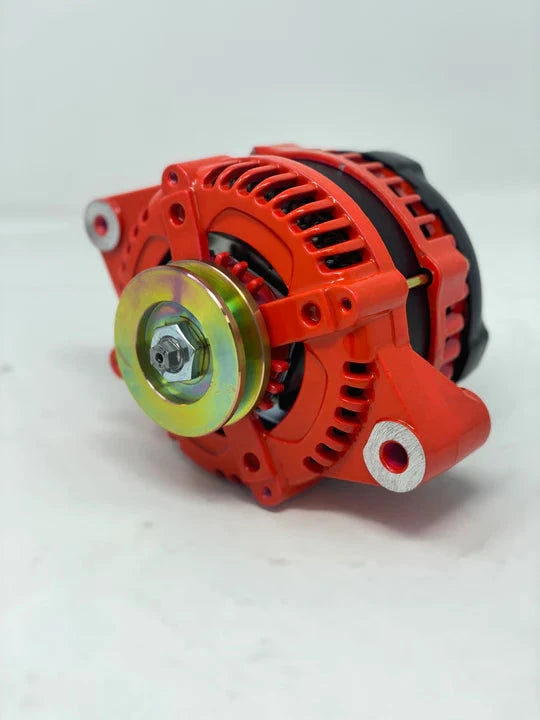 1962-1989 GM Small Case V Belt Style 10-12si 180-350 Amp Brand X High Output Alternator $285.00 Add to cart
 -
 1986+ Ford Mustang 5.0 Fox Body Racing Brand X High Output Alternator $330.00 Add to cart
 -
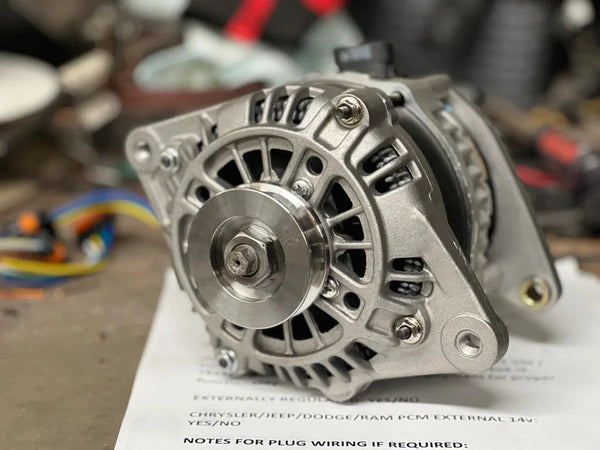 1987-1993 Mazda B2200 B2600 180-350 Amp Alternator Brand X High Output Alternator $385.00 Add to cart
 -
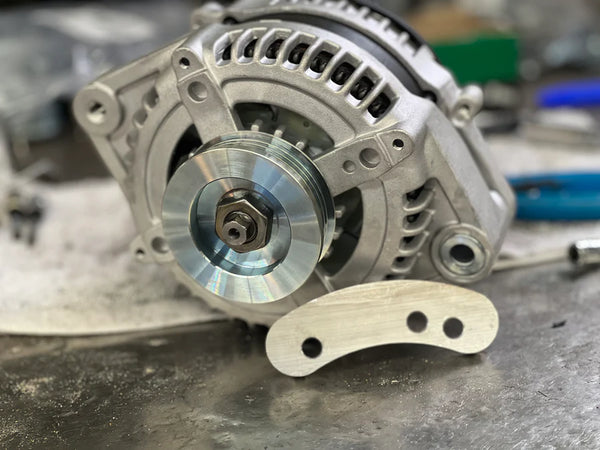 1988-2000 Honda Acura 1.5L 1.6L 1.8L 2.0L 200-350 Amp Brand X High Output Alternator $285.00 Add to cart
 -
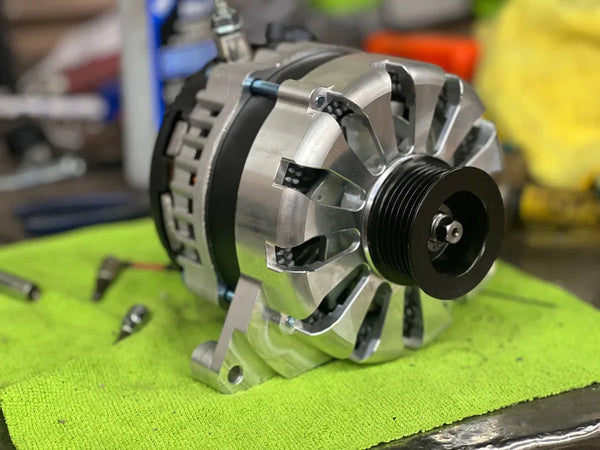 1990-2003 Honda Accord 2.2L 2.3L 200-400 Amp Brand X High Output Alternator $305.00 Add to cart
 -
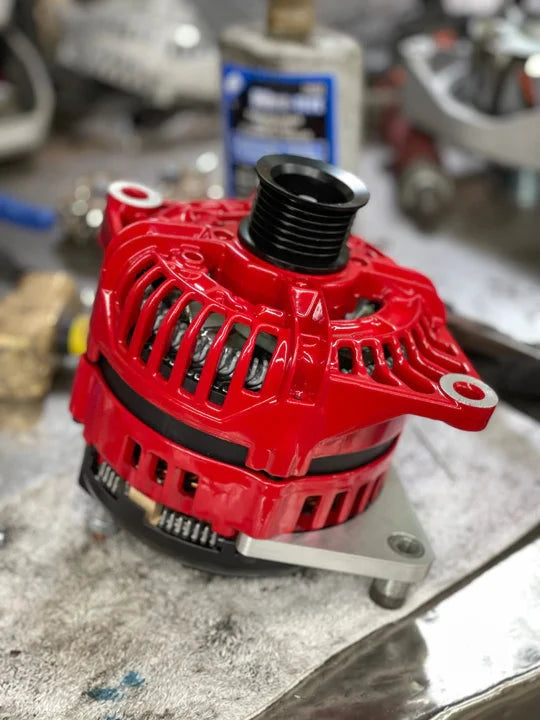 1992-2001 Dodge Ram Dakota Durango Jeep Cherokee XJ Grand Cherokee ZJ Wrangler YJ TJ Chrysler 3.9L 4.0L 5.2L 5.9L 200-400 Amp Brand X High Output Alternator $305.00 Add to cart
 -
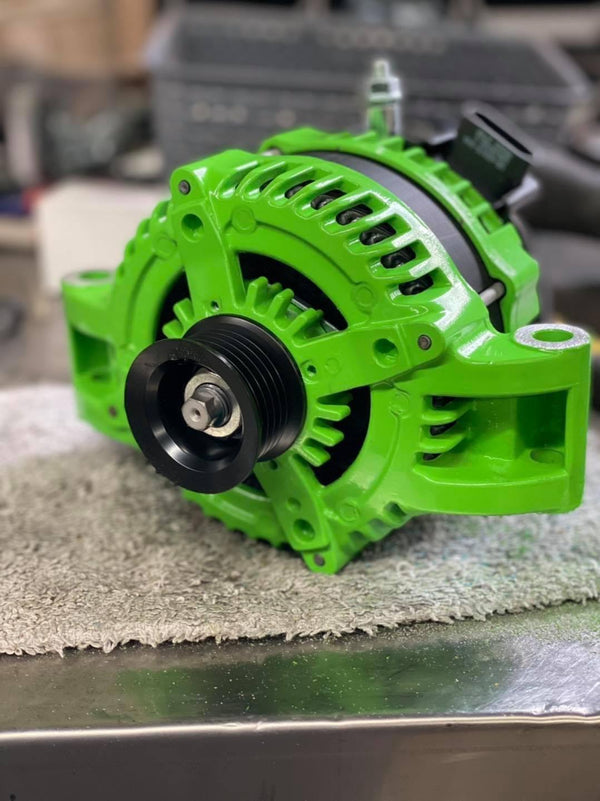 1992-2005 Ford Ranger 2.3L 2.5L 3.0L 4.0L Brand X High Output Alternator $285.00 Add to cart
 -
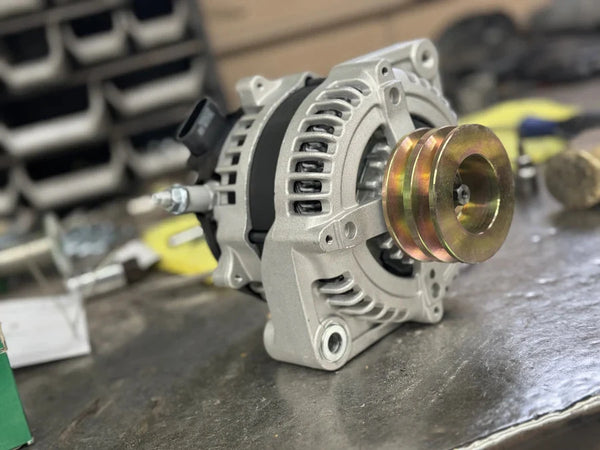 1993-1997 Toyota Land Cruiser 4.5L 180-350 Amp Alternator Brand X High Output Alternator $285.00 Add to cart
 -
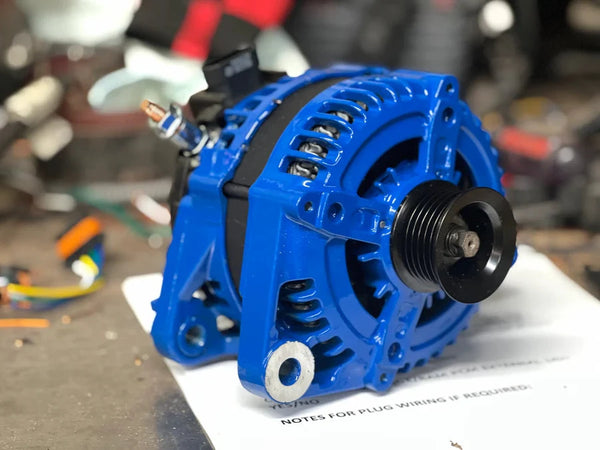 1994-2003 Toyota Camry Solara Lexus ES300 3.0L 3 Pin Oval Plug 200-350 Amp Alternator Brand X High Output Alternator $305.00 Add to cart
 -
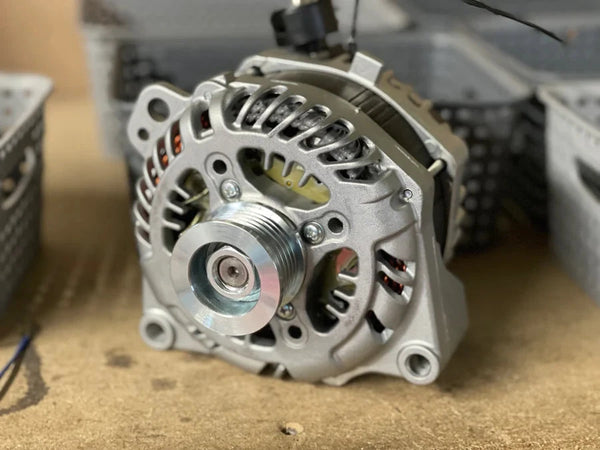 1994-2021 GM 4.3L 4.8L 5.3L 5.7L 6.0L 6.2L Truck SUV 540 Amp XXL Alternator Brand X High Output Alternator $799.00
 -
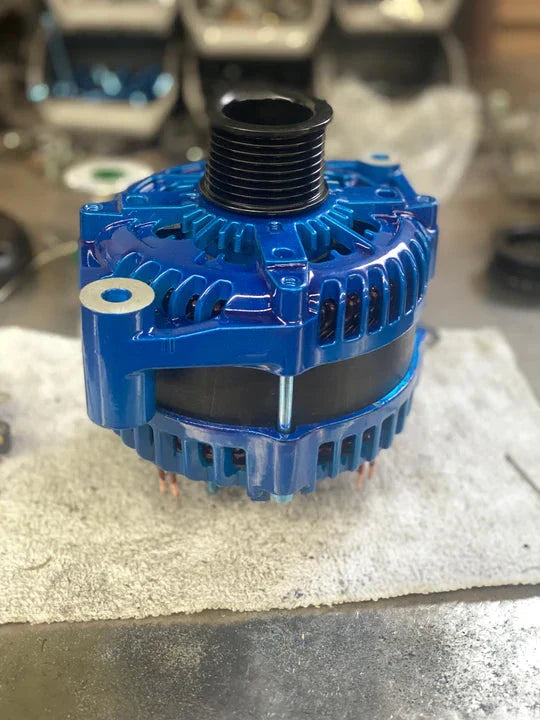 1996-1999 Oldsmobile 88 3.8L Brand X High Output Alternator $350.00 Add to cart
 -
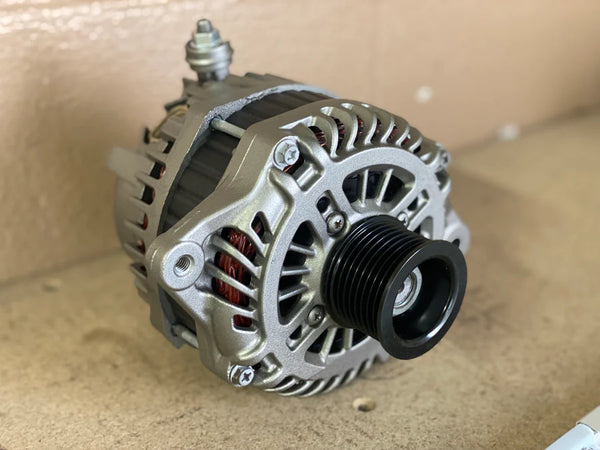 1996-2011 Subaru 2.0L 2.5L 3.0L 3.6L Brand X High Output Alternator $365.00 Add to cart
 -
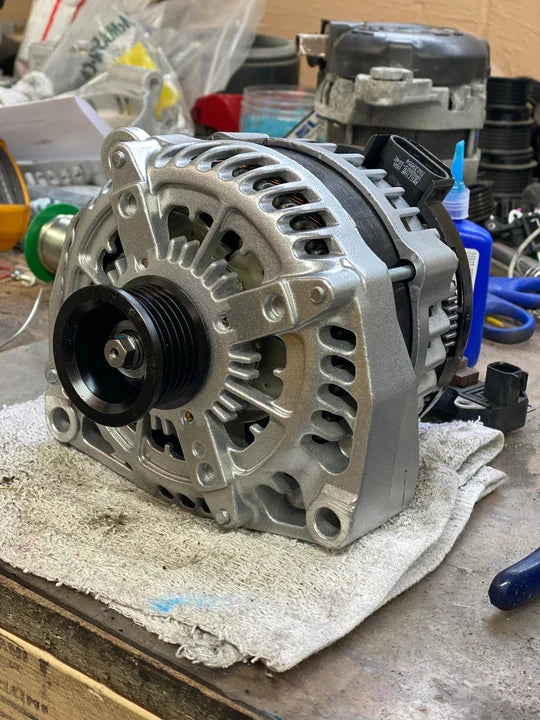 1996-2021 GM Large Case AD244 Mount 400 Amp 4.3L 4.8L 5.3L 6.0L 6.2L Brand X High Output Alternator $509.00 Add to cart
 -
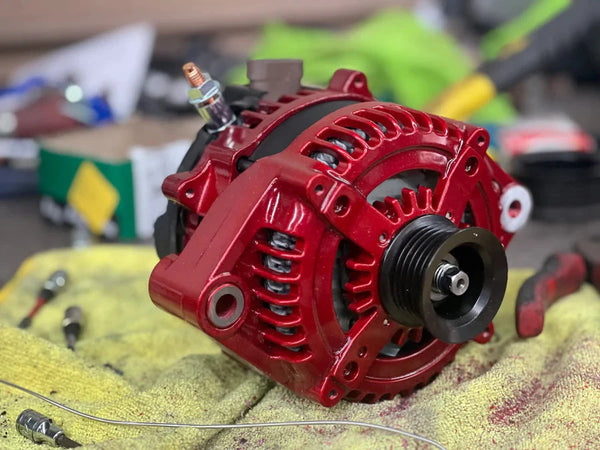 1997-2001 Toyota Camry Solara 2.2L 200-350 Amp Alternator Brand X High Output Alternator $305.00 Add to cart
 -
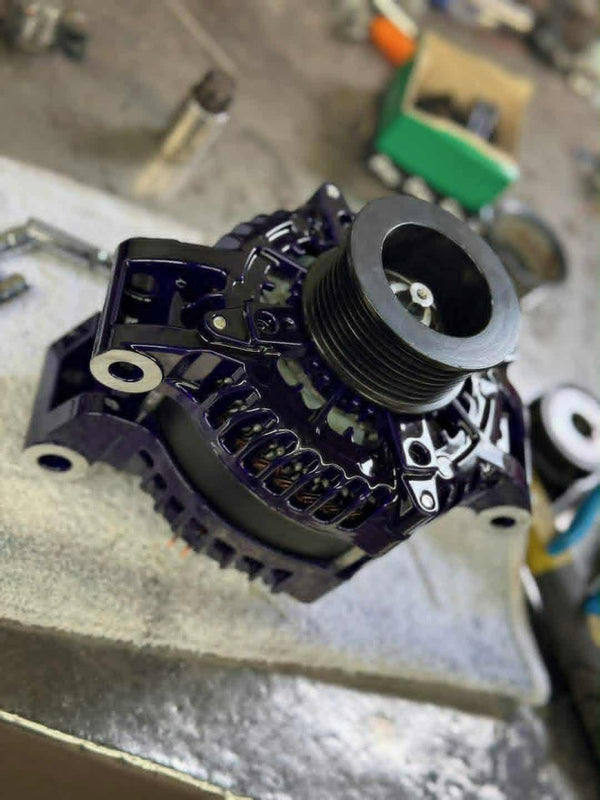 1997-2007 Ford PowerStroke 7.3L 6.0L Brand X High Output Alternator $350.00 Add to cart
 -
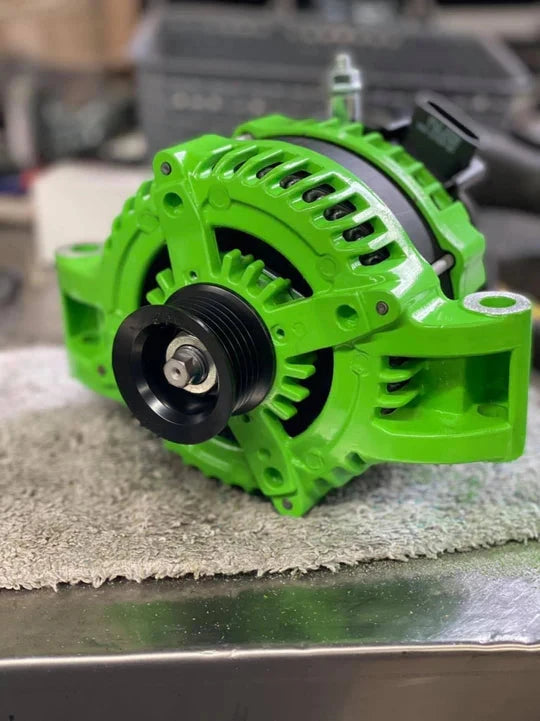 1997-2009 Ford Explorer 4.0L OHV SOHC 200-400 Amp Alternator Brand X High Output Alternator $305.00 Add to cart
 -
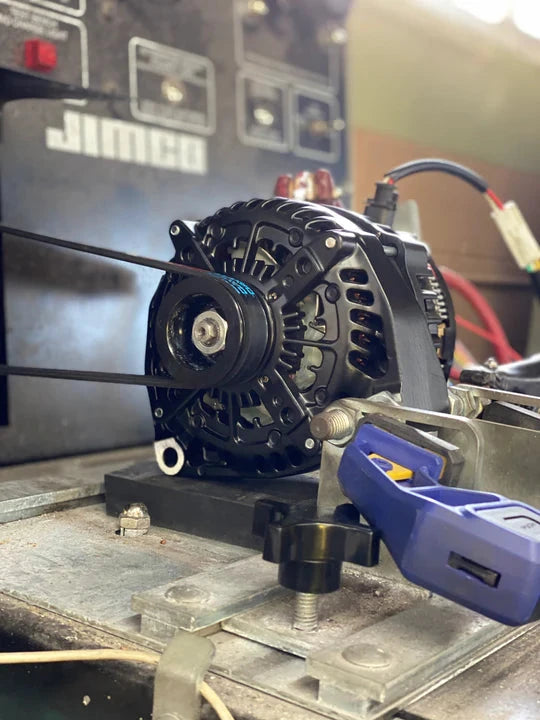 1997-2021 GM 270 Amp Large Case Hairpin AD244 Truck Mounting 4.3L 5.3L 6.0L 6.2L Brand X High Output Alternator $375.00 Add to cart
 -
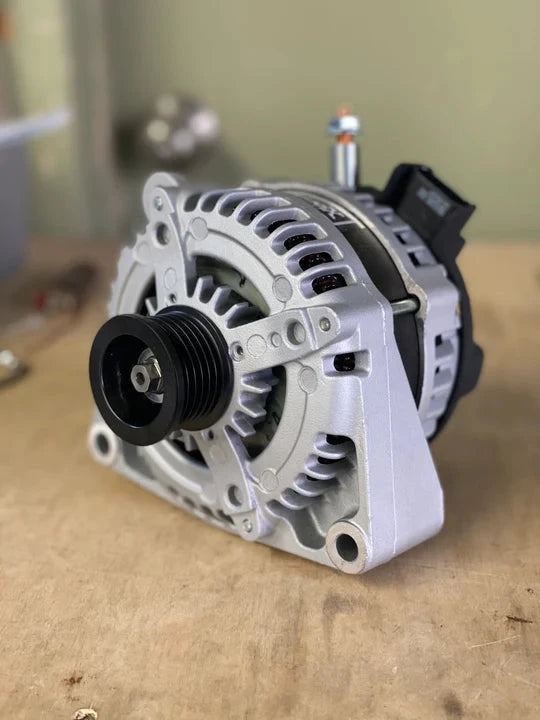 1997-2021 GM 4.3L 4.8L 5.3L 6.0L 6.2L 320 Amp Small Case Hairpin AD244 Mount Brand X High Output Alternator $395.00 Add to cart
 -
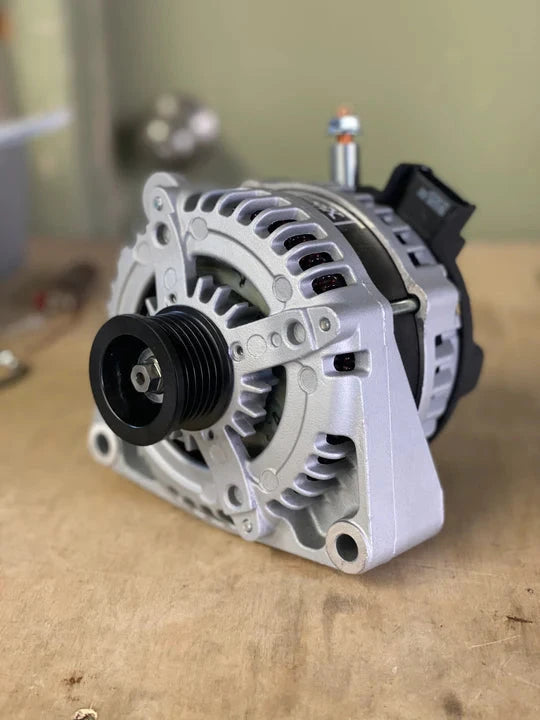 1997-2021 GM 4.3L 4.8L 5.3L 6.0L Small Case Hairpin AD244 Mount 320 Amp Brand X High Output Alternator $395.00 Add to cart
 -
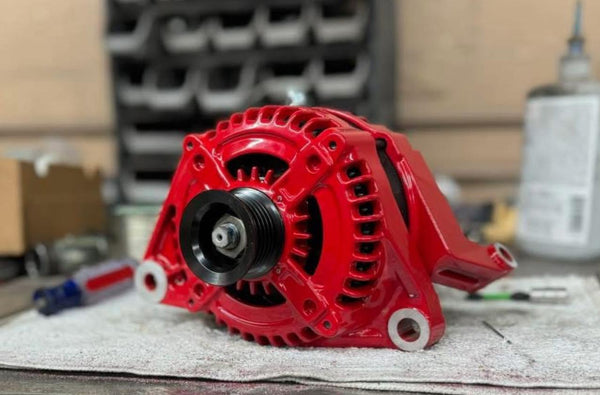 1999-2004 Jeep Grand Cherokee Wrangler 4.0L Brand X High Output Alternator $285.00 Add to cart
 -
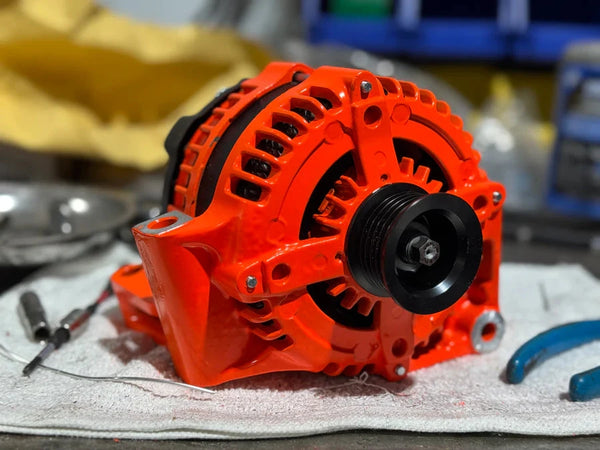 2000-2005 Impala Monte Carlo Regal Bonneville Park Avenue 1999-2004 Grand Prix Grand Am 3.4L 3.8L 200-350 Amp Brand X High Output Alternator $305.00 Add to cart
 -
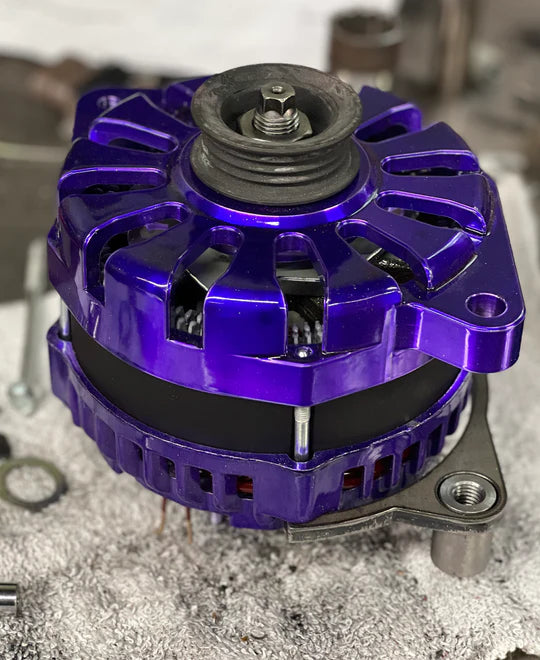 2001-2006 Scion xB Toyota Echo 1.5L 200-350 Amp 14.8V Brand X High Output Alternator $385.00 Add to cart
 -
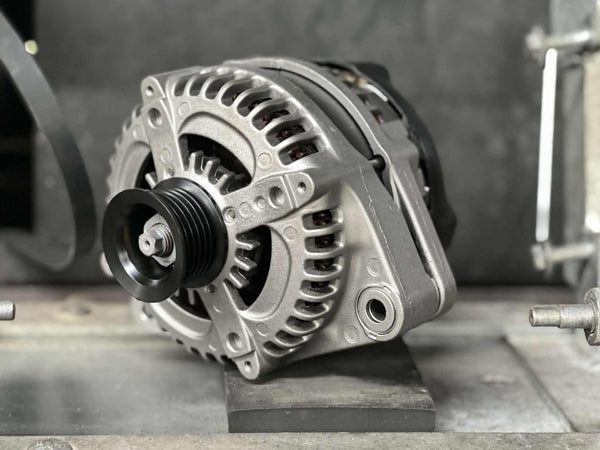 2002-2003 Saturn Vue 3.0L Brand X High Output Alternator $285.00 Add to cart
 -
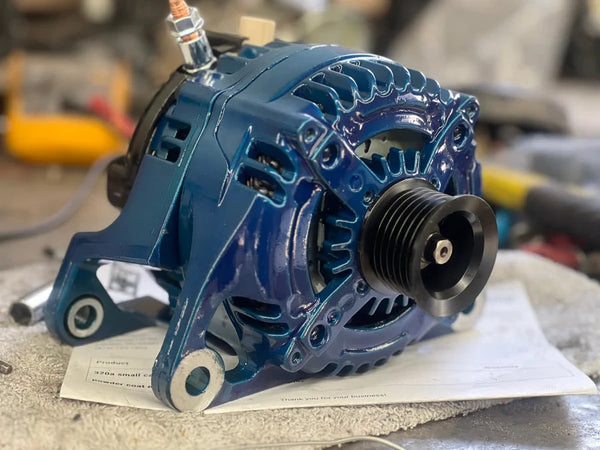 2003+ Dodge Ram 5.7L 5.9L 6.4L 6.7L 270-400 Amp Brand X High Output Alternator $375.00 Add to cart

High Output Alternators for Car Audio
Sold by AudioSellerz.com
Shop high output alternators for car audio, powerful sound systems, daily drivers, amplifier upgrades, subwoofer builds, and complete vehicle electrical upgrades. When the factory charging system can no longer keep up with your amplifiers, batteries, lighting, cooling fans, and other electrical demand, a properly selected car audio high output alternator can provide the stronger charging foundation the system needs.
Whether you call it a high amp alternator, HO alternator, high amperage alternator, performance alternator, high power alternator, or simply an upgraded car audio alternator, the goal is the same: provide more usable charging output than the factory alternator can deliver for your application.
Shop Brand X Alternators & Electrical Upgrades | Shop Big 3 Upgrade Kits | Shop Car Audio Power Wire
Important Before Ordering a High Output Alternator
Brand X high output alternators are built to order for the specific vehicle and engine application. Typical build time is approximately 2–4 weeks before shipping. Alternators are hand built and bench tested before shipment.
The standard alternator comes in its normal factory/bare-metal finish unless a custom powder-coat option is selected. Custom finishes can add additional production time.
Please verify your vehicle year, make, model, engine size, and charging-system configuration before ordering. Built-to-order Brand X alternators are final sale and cannot be canceled, returned, or refunded once the order has been placed.
If you are unsure which alternator fits your vehicle or electrical system, use the live chat bubble on AudioSellerz.com before placing the order. We would rather help you choose correctly the first time.
Find a High Output Alternator for Your Vehicle
Start with your vehicle and engine, then compare the amperage options available for that application. These current Brand X listings are useful starting points:
- Chevy and GM AD244-mount applications: Explore the GM large-case AD244-mount 400 amp alternator for a higher-current build on a compatible platform. Confirm the listed vehicle, engine, case clearance, and charging-control option before ordering.
- Ford F-150 non-hybrid applications: Compare the 2021+ Ford F-150 Brand X high output alternator options. This listing covers specific engines and LIN/PCM-controlled charging configurations. Match the exact application and review the requirements for your selected output.
- Honda Accord, CR-V, and Acura ILX applications: Review the Honda and Acura 180–320 amp Brand X alternator listing. Its 180, 250, 300, and 320 amp choices let you compare output options for the supported vehicles and engines.
These examples do not fit every vehicle within those brands. Read the full product listing and confirm the mounting, pulley, connector, and charging controls. If your application is missing or unclear, send your vehicle details and alternator photos through website chat before ordering.
Shop Aftermarket Alternators for Car Audio
Aftermarket alternators for car audio are designed for vehicles that need more charging capability than the original electrical system was built to supply. The factory alternator supports the engine electronics, fuel system, ignition, lights, cooling fans, climate control, factory accessories, and battery charging. Your aftermarket stereo adds to that combined demand.
Add a large monoblock amplifier, multiple amplifiers, additional batteries, upgraded subwoofers, extra lighting, electric fans, or other accessories and the electrical demand can increase quickly.
A properly selected high-output alternator can help:
- Reduce sustained voltage drop while the engine is running
- Improve battery recovery while driving
- Support larger monoblock amplifiers
- Support multiple-amplifier systems
- Provide charging support for additional battery capacity
- Support demanding subwoofer and bass systems
- Create additional electrical headroom for future upgrades
- Build a more reliable foundation for a high-power car stereo
A high powered alternator is not a substitute for good wiring, clean grounds, proper fuse protection, a healthy battery, or correct amplifier setup. The complete charging system has to work together.
Do You Need a High Output Alternator for a Sound System?
Not every aftermarket stereo requires an alternator upgrade. A smaller amplifier or basic subwoofer setup may work correctly with a healthy factory alternator, good battery, properly sized wire, and strong grounds.
An alternator upgrade for a sound system becomes more important when the factory charging system is clearly falling behind the electrical demand.
Common Signs You May Need a Bigger Alternator
- Headlights dim heavily when bass hits
- System voltage continues falling at higher volume
- The battery struggles to recover while driving
- Amplifiers enter low-voltage protect mode
- Bass becomes weaker during extended listening
- The system starts strong but becomes weaker over time
- You repeatedly discharge batteries
- You are moving to a substantially larger amplifier
- You are adding another amplifier or battery bank
- You are building a high-output daily or demo system
These symptoms do not automatically mean the alternator is bad or too small. Weak grounds, undersized wire, damaged fuse holders, poor battery connections, a worn battery, belt problems, or incorrect installation can produce similar symptoms.
Before replacing parts, read our complete high output alternator guide for car audio for a deeper explanation of electrical demand and alternator sizing.
High Output Alternator vs Factory Alternator
A factory alternator is designed primarily around the electrical requirements of the vehicle as it left the manufacturer. It usually was not designed around a large aftermarket car stereo, multiple amplifiers, additional battery capacity, and thousands of watts of amplifier power.
A high performance alternator or heavy duty alternator for car audio is designed to increase charging capability for applications with greater electrical demand.
That does not mean the biggest alternator is automatically the best alternator for every car. Useful output at idle and normal driving RPM, vehicle compatibility, belt system, heat, charging voltage, battery chemistry, and the rest of the electrical system all matter.
For a deeper comparison, read our stock alternator vs high output alternator guide.
250 Amp, 300 Amp, 320 Amp, 350 Amp & 400 Amp Alternators
Customers often shop by advertised alternator amperage and ask whether they need a 250 amp alternator for car audio, 300 amp alternator, 320 amp alternator, 350 amp alternator, or 400 amp alternator.
Those numbers are useful for comparing options, but the number printed in the product title should not be the only factor used to choose an alternator.
Availability also depends on the vehicle. A 350 or 400 amp alternator may be possible for one engine platform while another vehicle may have physical, belt, heat, or charging-system limitations that make a different output range more appropriate.
250 Amp Alternator for Car Audio
A 250 amp alternator can be a strong upgrade for many daily-driven systems when it is available for the vehicle. It can provide considerably more charging support than many factory systems without automatically moving into the largest alternator platform possible.
300 Amp and 320 Amp Alternators
A 300 or 320 amp alternator may suit more demanding daily-driver systems, larger monoblocks, multiple amplifiers, and builds using additional battery support. Again, vehicle demand and usable output at normal engine speed matter just as much as the advertised peak number.
350 Amp and 400 Amp Alternators
A 350 or 400 amp alternator may be appropriate for larger electrical systems when that output is supported by the vehicle application. Systems at this level also require serious attention to wiring, grounds, belt drive, battery support, heat, fuse protection, and current distribution.
Do not buy a big alternator simply because a larger number sounds better. The best HO alternator is the one that correctly fits the vehicle and provides the usable charging output your complete electrical system actually needs.
Looking for a 500 Amp or 600 Amp Alternator?
Confirm what can be built for your vehicle before planning around a 500 amp alternator or 600 amp alternator. These output levels are not available for every application. Use website chat to discuss your engine, mounting space, belt drive, idle-output needs, and battery system so we can check the available options.
Alternators for Subwoofers and High-Power Bass Systems
Many customers begin looking for an alternator for subs after installing a larger monoblock amplifier and noticing that voltage falls when the bass hits.
A subwoofer alternator is not a special type of alternator made only for subwoofers. The term usually describes a high-output charging upgrade being used to support the amplifier and electrical system powering a subwoofer build.
The alternator should never be selected from subwoofer size alone. One 15-inch subwoofer on a powerful amplifier can require more electrical support than multiple smaller subwoofers on less amplifier power.
Important factors include:
- Amplifier RMS power
- Amplifier efficiency
- Final impedance
- Battery capacity and chemistry
- Charging voltage
- Wire size and number of power runs
- Vehicle factory electrical demand
- Alternator output at idle and cruising RPM
- How hard and how long the system is normally played
This is why an alternator for a sound system should be treated as part of the entire electrical design rather than a single stand-alone upgrade.
High Amp Alternators for Daily Drivers
A high amp alternator is not only for competition builds. Daily-driven cars, trucks, and SUVs can also benefit from additional charging support after significant stereo upgrades.
For a daily driver, usable charging output during normal engine speeds can be more important than chasing the highest possible advertised peak amperage.
A reliable daily-driver setup may include:
- A vehicle-specific HO alternator
- A properly completed Big 3 upgrade
- Correctly sized OFC power and ground wire
- Clean engine, chassis, and battery grounds
- Proper fuse protection
- A healthy starting battery
- Additional battery support when needed
Custom High Output Alternators & Vehicle-Specific Fitment
Most custom high output alternators are designed for specific vehicle and engine combinations. A custom alternator has to physically fit the engine, align with the factory belt system, connect properly, and work with the vehicle's charging controls.
Before ordering custom built high output alternators, verify:
- Vehicle year
- Vehicle make
- Vehicle model
- Engine displacement
- Factory alternator location and configuration
- Electrical connector style
- Computer-controlled charging requirements
- Current battery setup
- Target charging voltage
Modern vehicles can use variable-voltage or computer-controlled charging strategies, so selecting the correct application is much more important than simply searching for a bigger alternator.
Brand X High Output Alternators
Audio Sellerz carries vehicle-specific Brand X alternators and electrical upgrades for customers building stronger car audio charging systems.
Brand X alternators are built to order for the specific application, making it important to select the correct year, make, model, and engine before purchasing.
Our Brand X collection also includes batteries, external regulators, and related charging-system options. Use website chat to confirm compatibility when planning an alternator, regulator, and battery combination.
Custom Alternator Builds & Powder-Coat Colors
If you cannot find your vehicle listed, ask about a new custom alternator build. Send the year, make, model, engine, existing alternator part number, and clear photos through website chat. Include any engine swap, modified brackets, or charging-system changes so we can check availability and fitment.
For a finish that matches your engine bay or build, browse our custom powder coating for Brand X alternators. Audio Sellerz offers over 190 colors on our website and can get up to 20,000 colors through Prismatic Powders.
For a color you do not see listed, send the Prismatic Powders color name, product code, and direct product link through website chat. We will confirm availability, pricing, and additional production time before you order.
Alternators come in the standard factory/bare-metal finish unless custom powder coating is selected. A colored alternator in a product photo does not mean that finish is included. Read our custom alternator builds and powder-coat guide for finish examples and the details to send us.
Complete the Big 3 Upgrade
A high-output alternator needs wiring capable of safely carrying the additional charging current. Installing a larger alternator while leaving undersized factory charging cables in place can restrict the benefit of the upgrade.
The Big 3 upgrade strengthens three major current paths:
- Alternator positive to battery positive
- Battery negative to chassis ground
- Engine block to chassis ground
Browse our car audio Big 3 upgrade kits when preparing the vehicle for a high amperage alternator. Read our Big 3 upgrade guide and follow the installation requirements for your exact alternator and vehicle.
Power Wire, Grounds & Fuse Protection
Even the strongest high power output alternator cannot overcome bad electrical connections. Current needs a low-resistance path through properly sized charging wire, solid terminals, clean grounds, and correctly rated fuse protection.
Complete the charging system with car audio power and ground wire and car audio fuse blocks and fuse holders.
Weak grounds are one of the most common causes of voltage problems. Before assuming the alternator is the only problem, inspect battery terminals, engine grounds, chassis grounds, amplifier grounds, and every high-current connection.
High Output Alternators & Battery Support
The alternator and battery perform different jobs. The alternator supplies charging current while the engine is running. The battery stores energy and helps respond when electrical demand changes faster than the charging system can react.
Adding more batteries does not automatically solve an undersized charging system. More battery capacity also means more capacity that eventually has to be recharged.
Large systems may use AGM, lithium, LTO, sodium-ion, or other battery technologies depending on charging voltage and electrical requirements.
Explore Advanced Electric car audio batteries and charging equipment when planning the battery side of a higher-power electrical system.
You can also follow our step-by-step car audio electrical upgrade guide to see how the Big 3, alternator, wiring, grounds, fuse protection, and battery support fit together.
High Efficiency Alternator vs Highest Peak Amperage
When comparing a high efficiency alternator, consider how effectively it converts mechanical power into electrical power. Efficiency, peak amperage, and output at idle are different characteristics. A higher amperage rating alone does not establish better efficiency.
For car audio, usable output matters. Pay attention to output at idle, output at normal driving RPM, thermal performance, belt drive, vehicle compatibility, and charging voltage.
A slightly smaller alternator that produces strong output where the engine actually operates can sometimes be a better real-world choice than simply purchasing the biggest available unit.
High Output Alternator vs High Voltage Alternator
A high output alternator increases available charging current. A high voltage alternator refers to a different charging-voltage requirement. Selecting a higher amp rating does not automatically mean the alternator charges at a higher voltage.
Match charging voltage to the battery manufacturer's requirements and the vehicle's electronics. If your build uses a different battery chemistry or external regulation, confirm the complete charging setup through website chat before ordering.
Common High Output Alternator Mistakes
- Ordering without confirming exact engine fitment
- Buying the largest advertised amperage without considering usable output
- Ignoring output at idle
- Skipping the Big 3 upgrade
- Using undersized power or ground wire
- Leaving painted, corroded, or loose grounding points
- Adding battery capacity without enough charging support
- Using a battery chemistry that does not match charging voltage
- Failing to properly fuse upgraded power wiring
- Assuming every voltage problem is caused by the alternator
- Expecting the alternator itself to make the subwoofer louder
Why Buy High Output Alternators from Audio Sellerz?
Audio Sellerz is a car audio shop in Norton, Ohio. We work with daily drivers, high-power sound systems, electrical upgrades, custom builds, demo vehicles, and competition-level car audio.
Audio Sellerz owner Aaron Bryant has been involved in car audio for years and has competed at the world-championship level. That real-world experience matters when you are trying to determine whether a charging problem is caused by the alternator, battery, wiring, grounding, or the overall system design.
If you are unsure whether you need a 250 amp, 300 amp, 320 amp, 350 amp, 400 amp, or another vehicle-specific alternator option, use our live chat bubble. Tell us your vehicle, engine, amplifier power, battery setup, current charging voltage, and future plans and we can help point you in the right direction.
High Output Alternator FAQ
What is a high output alternator?
A high output alternator is an alternator designed to provide more charging current than the factory unit for the same vehicle application. It may also be called an HO alternator, high amp alternator, high amperage alternator, high power alternator, or performance alternator.
What is an HO alternator for car audio?
An HO alternator car audio upgrade provides additional charging support for aftermarket amplifiers, subwoofers, batteries, and other electrical equipment. The alternator does not create amplifier power, but it helps give the electrical system a stronger supply while the engine is running.
What amp alternator do I need for my sound system?
There is no universal answer. The correct amp alternator depends on vehicle electrical demand, amplifier power, battery capacity, wire size, charging voltage, idle output, listening habits, and future upgrades.
Is a 250 amp alternator enough for car audio?
A 250 amp alternator can be an excellent upgrade for many daily-driver systems, but it is not automatically enough for every vehicle or amplifier setup. Factory electrical demand and alternator output at normal engine speed still have to be considered.
Do I need a 300, 320, 350, or 400 amp alternator?
Larger systems may benefit from those output ranges where they are available for the vehicle. Choose based on actual electrical requirements and vehicle compatibility rather than selecting the largest advertised number automatically.
Will a bigger alternator make my subwoofers louder?
Not directly. A bigger alternator does not add amplifier wattage. If low voltage is limiting amplifier operation, improving the charging system can help the equipment operate more consistently.
What is a sound system alternator?
A sound system alternator is another common name for a high-output alternator used to support an aftermarket car audio electrical system. The same type of upgrade may also be called a car stereo alternator, audio alternator, or alternator for car audio.
Do I need a Big 3 upgrade with a high output alternator?
For a Brand X high output alternator installation, plan on completing the Big 3 upgrade. The additional charging current needs appropriately sized wiring and strong grounding paths. Follow the instructions for your exact alternator and vehicle, including any factory charging-sensor requirements.
Can I install another battery instead of upgrading my alternator?
An additional battery increases stored electrical capacity but does not increase charging output. If the factory alternator already cannot recharge the system effectively, adding additional battery capacity does not correct the underlying charging limitation.
Are heavy duty alternators and high output alternators the same thing?
The terms are often used interchangeably when people are shopping for additional charging capability. For car audio, fitment, charging output, idle performance, and system compatibility are more important than the wording used in the product name.
Is the biggest alternator always the best alternator?
No. The biggest alternator is only useful if it correctly fits the vehicle and provides appropriate output for the electrical system. More amperage can also increase heat, belt load, cost, and installation complexity.
Can a vehicle use multiple alternators?
Yes. Extreme demo and competition systems sometimes use dual or multiple alternators. Highly specialized builds can use three, four, or even 6 alternators, but that is far beyond what a normal daily-driven car audio system requires.
Are custom alternators built to order?
Many vehicle-specific high-output alternators are custom built for the application. Brand X alternators sold by Audio Sellerz are typically built to order, so confirm vehicle information carefully and plan for the stated production time before ordering.
Shop High Output Alternators at AudioSellerz.com
Browse our selection of high output alternators for car audio, aftermarket sound systems, subwoofer builds, daily drivers, and upgraded electrical systems. Whether you need a high amp alternator, custom alternator, heavy duty alternator, or a complete electrical upgrade, choose the alternator based on the entire vehicle and audio system rather than one number alone.
Shop Brand X Alternators | Shop Big 3 Kits | Shop Car Audio Wire | Shop Fuse Blocks
Need help before ordering? The easiest way to reach Audio Sellerz is through the live chat bubble on the website. Tell us what vehicle and system you are building and we can help you plan the charging system before you order.
Helpful High Output Alternator Guides
- High Output Alternator for Car Audio Guide: What Size Do You Need?
- Stock Alternator vs High Output Alternator for Car Audio
- Step-by-Step Car Audio Electrical Upgrade Guide
Build Time & Final Ordering Reminder
Brand X high output alternators are built to order, hand built, and bench tested. Typical production time is approximately 2–4 weeks before shipping. Custom powder coating and special applications can add time.
The standard finish is factory/bare metal unless custom powder coating is selected.
Built-to-order alternators are final sale and cannot be canceled, returned, or refunded once the order has been placed. Confirm your vehicle, engine, charging configuration, and selected options before purchasing. Use website chat if you need help.
Follow Audio Sellerz
Follow Audio Sellerz for new products, car audio electrical information, system demonstrations, installs, builds, and shop updates: