Amplifiers
Amplifiers
-

Monoblock Amplifiers
Sold by AudioSellerz.com Shop monoblock amplifiers for car audio when your system...
-

2 Channel Amplifiers
2 Channel Amplifiers for Car Audio Sold by AudioSellerz.com Shop 2 channel...
-

4 Channel Amplifiers
4 Channel Amplifiers for Car Speakers, Mids & Highs Sold by AudioSellerz.com...
-

5+ Channel Amplifiers
5+ Channel Amplifiers for Car Audio Sold by AudioSellerz.com Shop 5+ channel...


Some filters could not be applied and were reset.
-
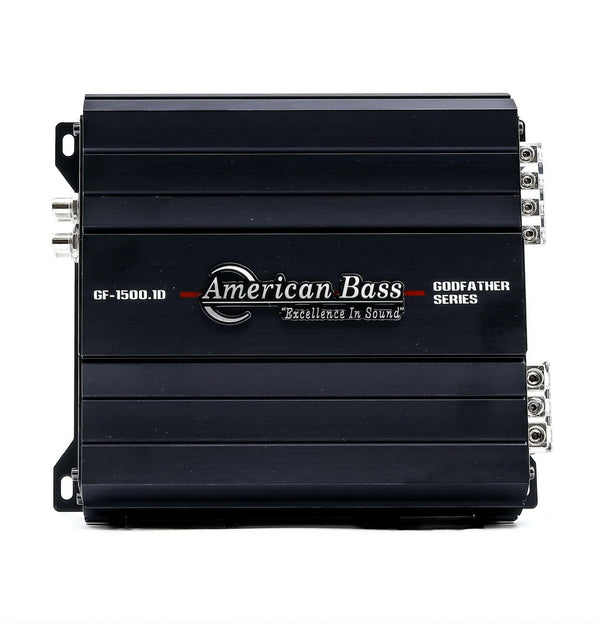 American Bass Godfather 1500.1D Amplifier $302.22
 -
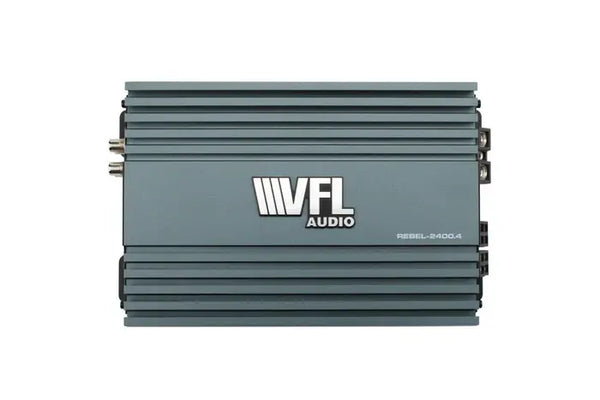 American Bass VFL REBEL 2400.4 4 Channel Amplifier – 2400W Max Class D $420.75
 -
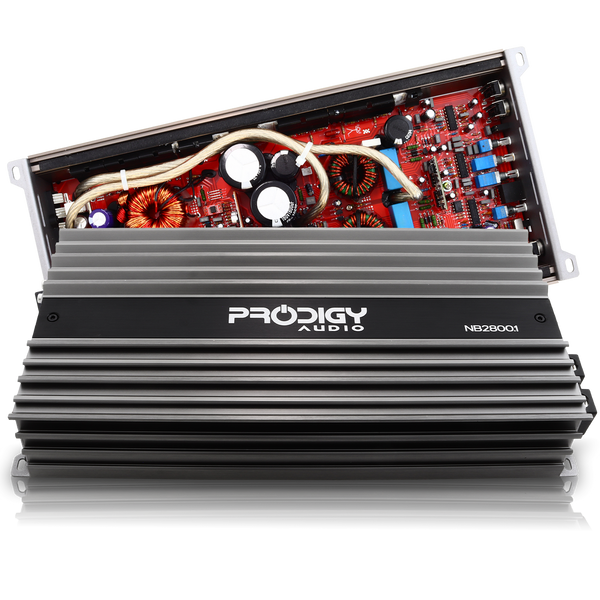 Sale Prodigy Audio NB2800.1 2800 Watt Monoblock Amplifier $527.99
 Regular price $632.99 -
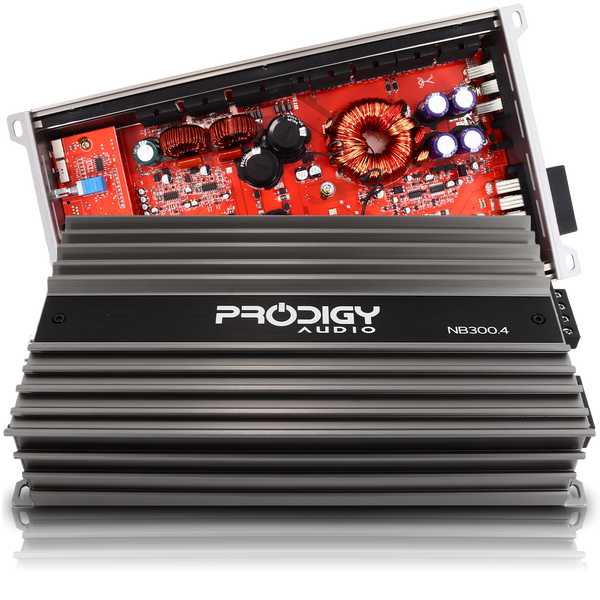 Sold out Prodigy Audio NB300.4 1200 Watt 4-Channel Amplifier $416.99
 Regular price $500.99 -
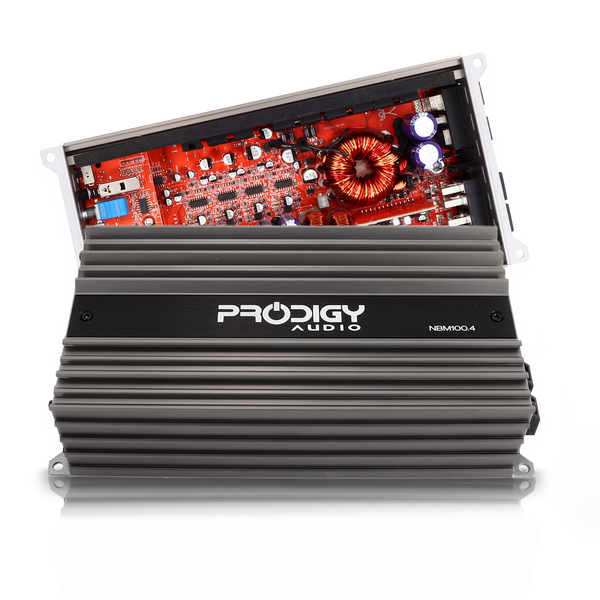 Sale Prodigy Audio NBM100.4 600 Watt 4-Channel Amplifier $225.99
 Regular price $270.99 -
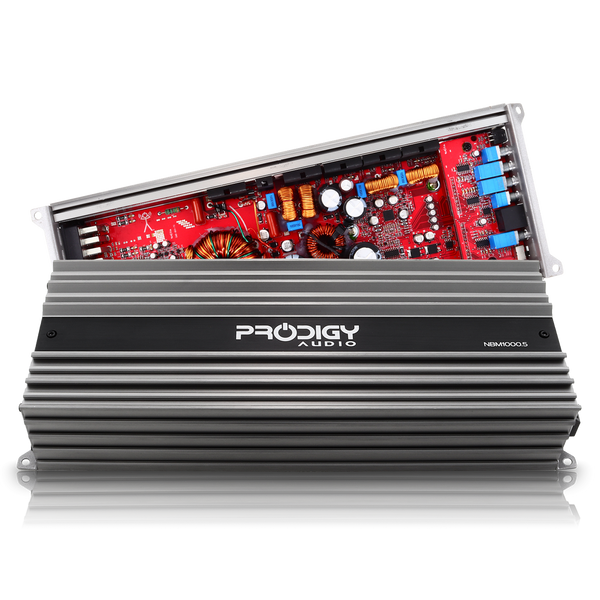 Sale Prodigy Audio NBM1000.5 1000 Watt 5-Channel Amplifier $387.99
 Regular price $464.99 -
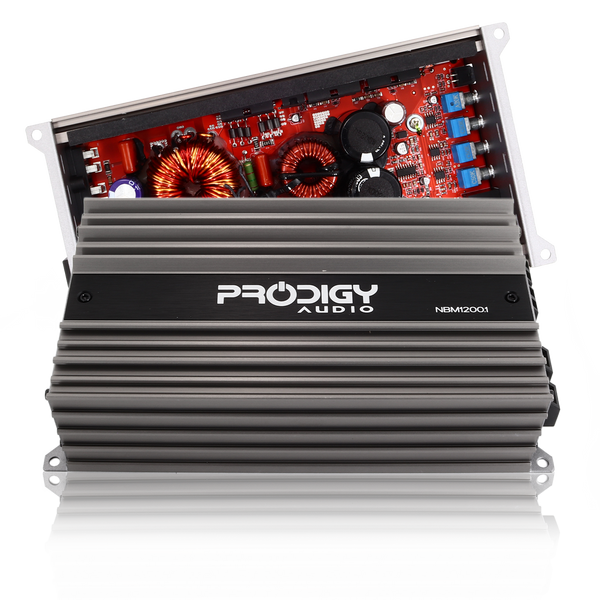 Sale Prodigy Audio NBM1200.1 1200 Watt Monoblock Amplifier $272.99
 Regular price $326.99 -
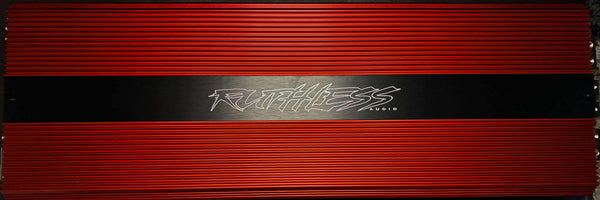 Ruthless Audio 10000.1 Red – 10,000W Monoblock Competition Car Audio Amplifier $1,599.99
 -
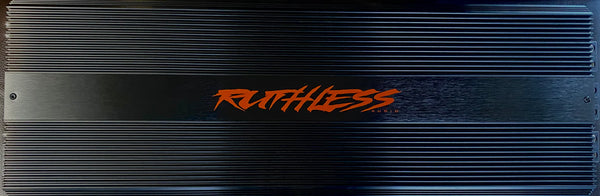 Ruthless Audio 10000.1 – 10K Mono Block Competition Car Audio Amplifier $1,599.99
 -
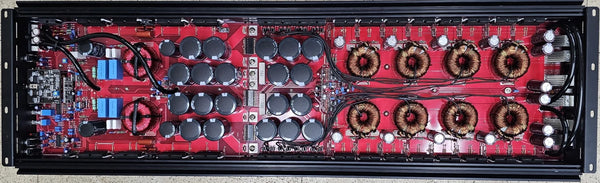 Sold out Ruthless Audio 12.5K Mono Block Competition Car Audio Amplifier $1,799.99
 Regular price $2,999.95 -
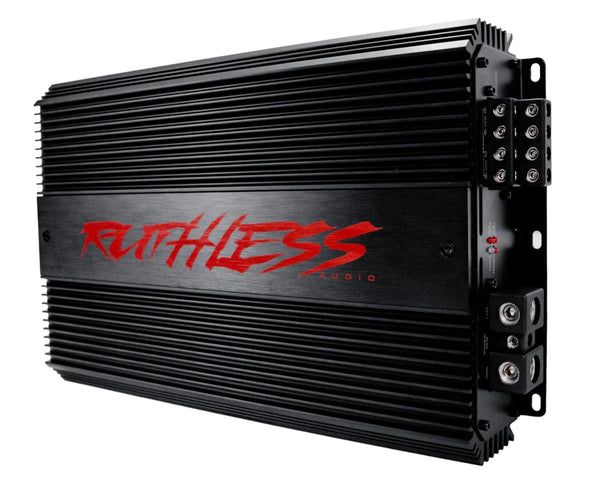 Sold out Ruthless Audio 1500.4 – 4-Channel 1500W Full-Range Car Audio Amplifier $479.99
 -
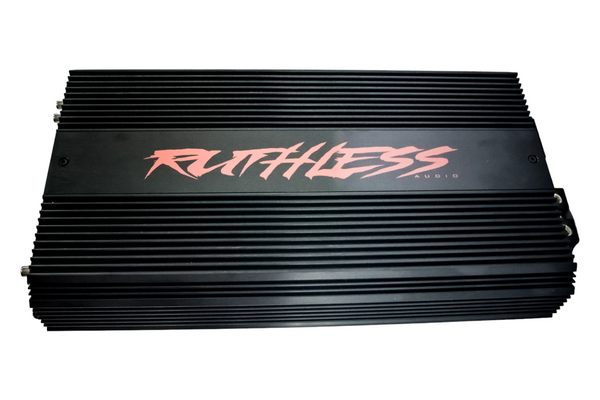 Sold out Ruthless Audio 2300.1 – 2300W Monoblock Competition Car Audio Amplifier $479.99
 -
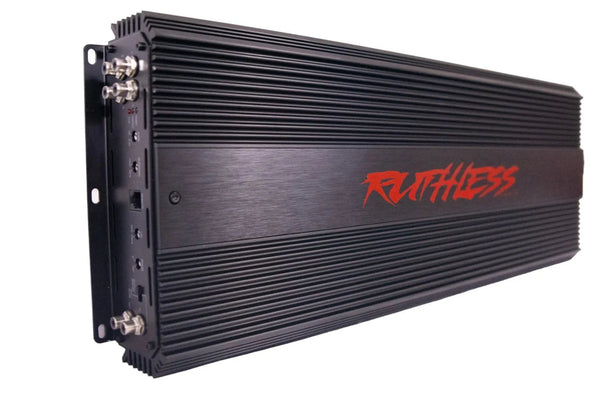 Sold out Ruthless Audio 4500.1 – 4500W Monoblock Competition Car Audio Amplifier $829.99
 -
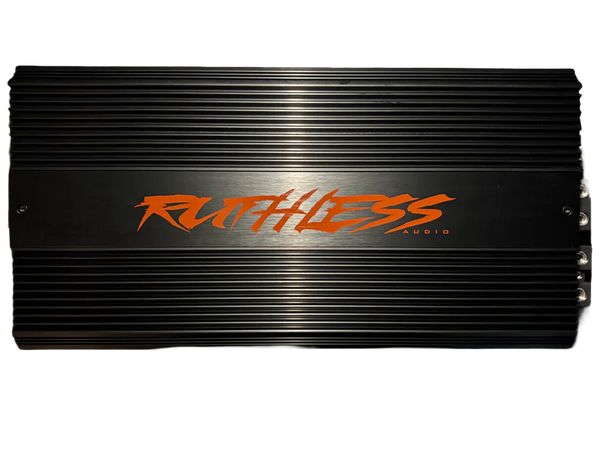 Sold out Ruthless Audio 5000.2 – 2-Channel Full-Range Competition Car Audio Amplifier $799.99
 -
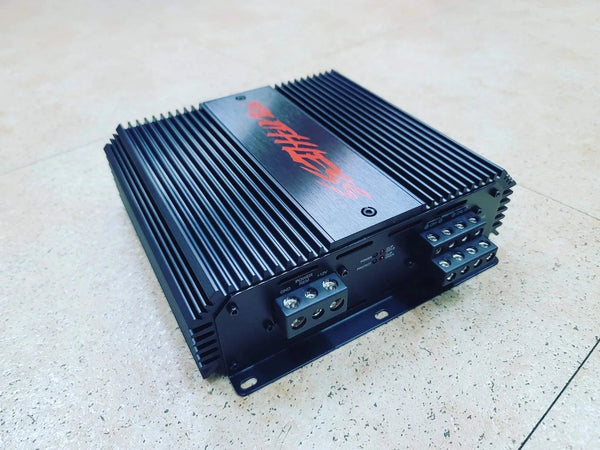 Ruthless Audio 800.4 – 4-Channel 800W RMS Full-Range Car Audio Amplifier $289.99
 -
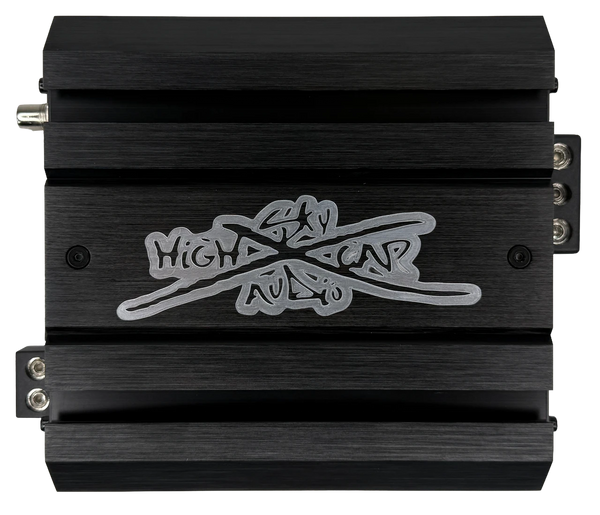 Sky High Car Audio FXB 1000.1 Compact Monoblock Amplifier $224.95
 -
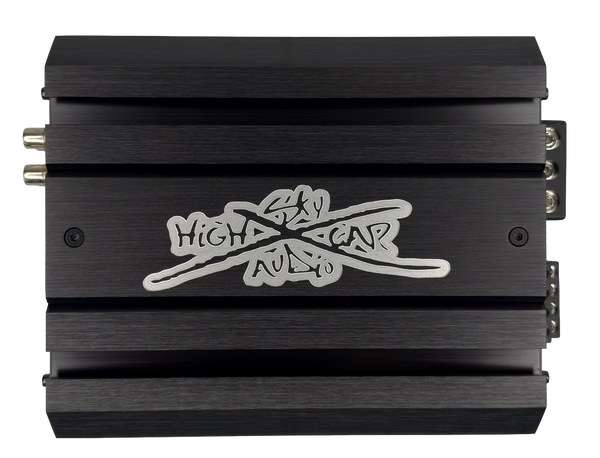 Sold out Sky High Car Audio FXB 1400.4 4-Channel Amplifier $244.95
 -
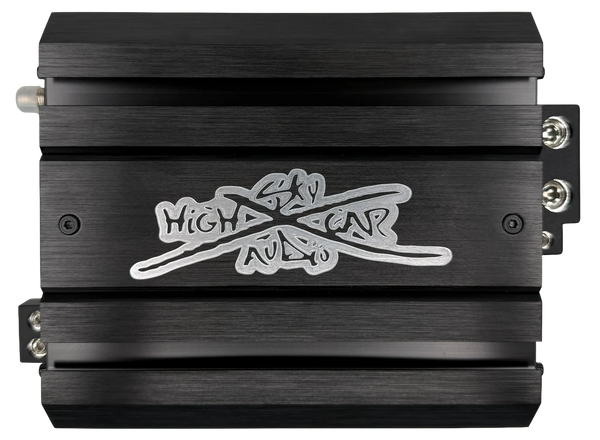 Sold out Sky High Car Audio FXB 2000.1 Compact Monoblock Amplifier $284.95
 -
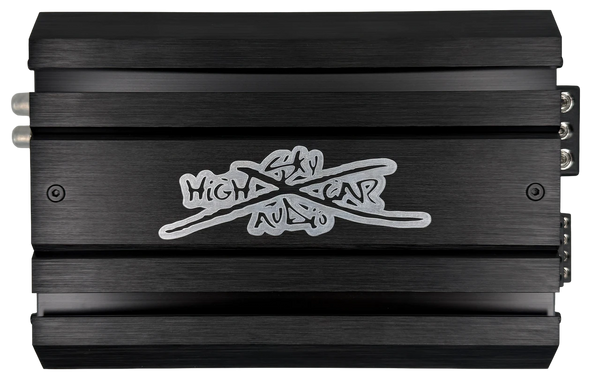 Sold out Sky High Car Audio FXB 2600.4 Compact 4-Channel Amplifier $344.95
 -
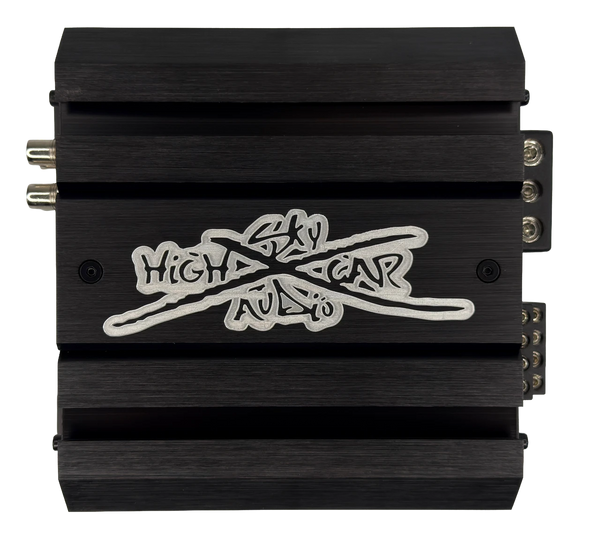 Sky High Car Audio FXB 800.4 4-Channel Amplifier $214.95
 -
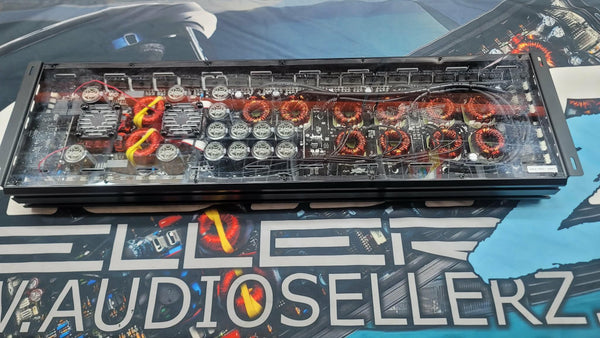 Sky High Car Audio SHCA 10500.1 Monoblock Amplifier – 0.5 Ohm Stable $2,049.95
 -
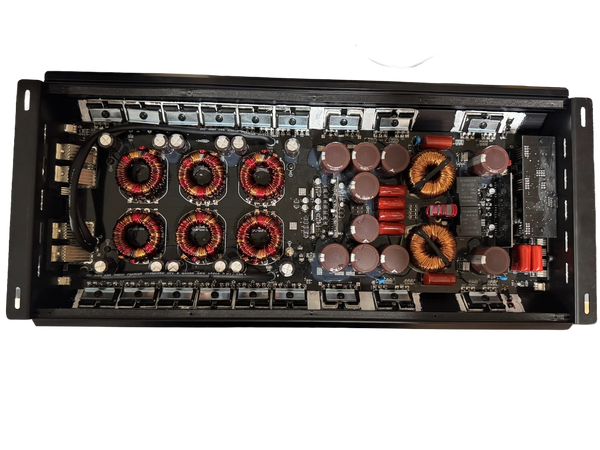 Sold out Sky High Car Audio SHCA 5500.1 5500W 0.5 Ohm Monoblock Amplifier $1,249.95
 -
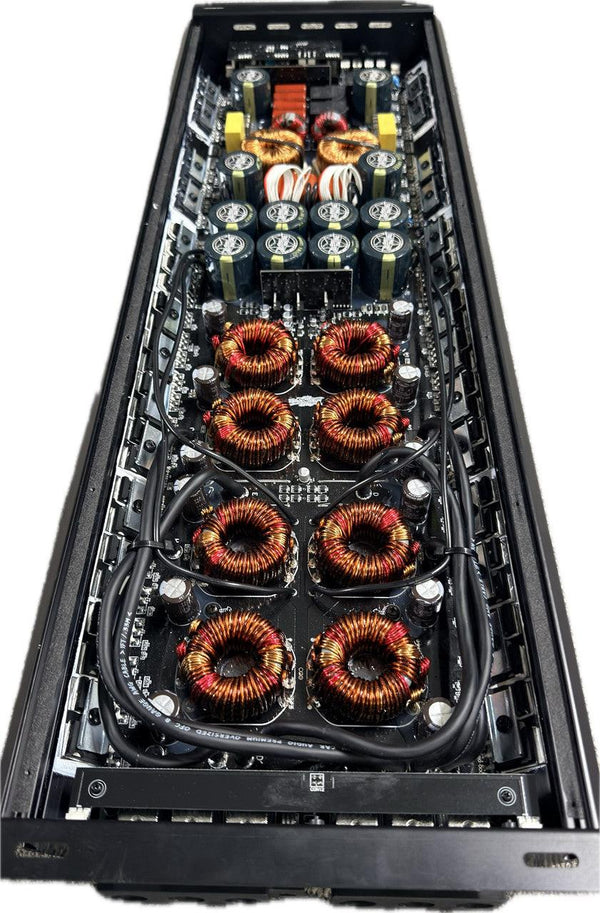 Sky High Car Audio SHCA 8500.1 – 8500W 0.5 Ohm Stable Monoblock Amplifier $1,649.95
 -
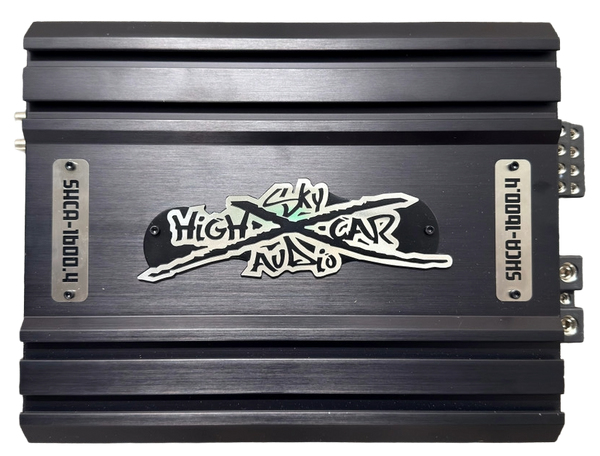 Sky High Car Audio SHCA1600.4 – 1600W 4-Channel Full-Range Car Audio Amplifier $549.95
Car Audio Amplifiers
Sold by AudioSellerz.com
Shop car audio amplifiers for subwoofers, mids, highs, door speakers, horns, full-range speakers and complete sound systems.
The right amplifier starts with what you are powering. Channel count, RMS power, impedance, frequency range, crossover capability and electrical demand all matter more than simply buying the amplifier with the biggest wattage number.
Monoblock Amplifiers | 2 Channel Amplifiers | 4 Channel Amplifiers | 5+ Channel Amplifiers
Shop Car Audio Amplifiers by Channel Count
Monoblock Amplifiers
A monoblock amplifier has one amplified output channel.
Subwoofers are the most common use, but compatible monoblock amps can also be used for dedicated midrange, horn, midbass or full-range speaker sections depending on the amplifier's frequency response, crossover controls, RMS power and impedance capability.
Choose a monoblock when the system needs one dedicated amplifier channel with the power and frequency range required for the speakers or subwoofers being driven.
Shop monoblock amps for car audio
2 Channel Amplifiers
A 2 channel amplifier gives you two independently amplified channels.
Two-channel amps work well for:
- Front door speakers
- Component speaker sets
- Midrange speakers
- Mids and highs
- Motorcycle and powersports audio
- Other left/right speaker applications
4 Channel Amplifiers
A 4 channel amplifier is one of the most versatile choices for a car audio speaker system.
Four channels can power front and rear speakers, multiple mids, custom doors, component systems or other multi-speaker setups while keeping independent control over each channel.
They are commonly used for:
- Four door speakers
- Front and rear speaker systems
- Custom mids-and-highs systems
- Midrange and midbass speakers
- Motorcycle and powersports builds
- Loud daily-driver speaker systems
5+ Channel Amplifiers
A 5+ channel amplifier can power several parts of a complete sound system from one chassis.
A typical 5-channel setup uses four channels for speakers and a fifth channel for a subwoofer. Higher-channel-count amplifiers can provide even more flexibility for custom or active systems.
This is a strong choice when you want:
- One amplifier for most of the system
- A clean daily-driver installation
- Less amplifier-rack space
- Front and rear speaker power
- Dedicated subwoofer power
Choosing an Amplifier for Subwoofers
Subwoofer amplifiers should be matched using the combined RMS power and final wired impedance of the subwoofer system.
Monoblocks are the most common choice for bass because multiple subwoofer voice coils can be wired together into one final load and powered from one amplifier channel.
Do not choose the amplifier by subwoofer size alone. A high-power 12-inch subwoofer may require considerably more amplifier power than a lower-power 15-inch or 18-inch subwoofer.
Choosing an Amplifier for Mids, Highs & Door Speakers
When powering speakers, look at more than wattage.
Match:
- Speaker RMS power
- Speaker impedance
- Number of speakers per channel
- Amplifier frequency response
- Crossover capability
- Final impedance on each channel
A 2-channel amp can work well for a simple front stage, while a 4-channel amplifier gives you more flexibility for front and rear speakers or larger mids-and-highs systems.
A properly designed monoblock can also power a dedicated group of compatible mids, horns or other speakers when one high-power mono channel fits the system design.
RMS Power vs Max Power
Use RMS power when comparing car audio amplifiers.
RMS tells you much more about the amplifier's continuous output than a large maximum or peak-power number.
Compare the amplifier's RMS output at the impedance you will actually run against the RMS requirements of the speakers or subwoofers being powered.
1 Ohm, 2 Ohm & 0.5 Ohm Amplifiers
Amplifiers are designed to operate within specific impedance ranges.
Many high-power car audio amplifiers are designed for 1-ohm operation. Others are designed around 2-ohm or higher loads, and select amplifiers are built for true 0.5-ohm operation.
Lower impedance can allow some amplifiers to produce more power, but it also increases current demand and electrical stress.
Never wire an amplifier below the minimum impedance specified by the manufacturer.
Car Audio Amplifier Wiring
A good amplifier still needs proper wiring and electrical support.
A complete installation may require:
- Power wire
- Ground wire
- Fuse protection
- Remote turn-on wiring
- RCA signal cables
- Speaker wire
Browse our car audio amp kits when planning the power side of the installation.
RCA Signal & Factory Radio Integration
Most amplifiers also need a clean audio signal from the radio, DSP or processor.
Use our car audio RCA cables and interconnects for aftermarket-radio and processor installations.
If you are keeping a factory radio without conventional RCA outputs, a line output converter or hi-lo converter may be needed.
Electrical Support for High-Power Amplifiers
As amplifier power increases, the vehicle's electrical system becomes more important.
Large systems may need:
- Larger OFC power and ground wire
- Additional fuse protection
- Big 3 wiring upgrades
- Additional battery capacity
- A high-output alternator
- Better power distribution
An amplifier can only make power when the electrical system can supply the current it needs.
Which Car Audio Amplifier Do You Need?
A simple way to narrow it down:
- One dedicated speaker or subwoofer section: consider a monoblock
- Two-channel speaker system: consider a 2-channel amplifier
- Front and rear speakers or larger speaker system: consider a 4-channel amplifier
- Speakers plus subwoofer from one chassis: consider a 5+ channel amplifier
The final choice still depends on RMS power, impedance, crossover requirements and the exact equipment being powered.
Shop Car Audio Amplifiers at Audio Sellerz
Shop AudioSellerz.com for car audio amplifiers ranging from compact speaker amps to high-power monoblocks and complete multi-channel amplifiers.
If you are unsure what amplifier fits your system, use the live chat bubble on AudioSellerz.com. Tell us what speakers or subwoofers you have, how many you are running, the impedance and RMS power, and we can help narrow down the right amplifier.