Monoblock Amplifiers
-
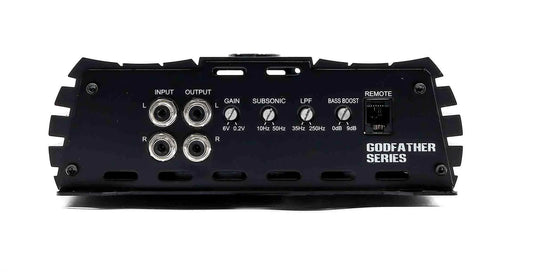
American Bass Godfather 1500.1D Amplifier
Vendor:American BassRegular price $302.22 USDRegular price -
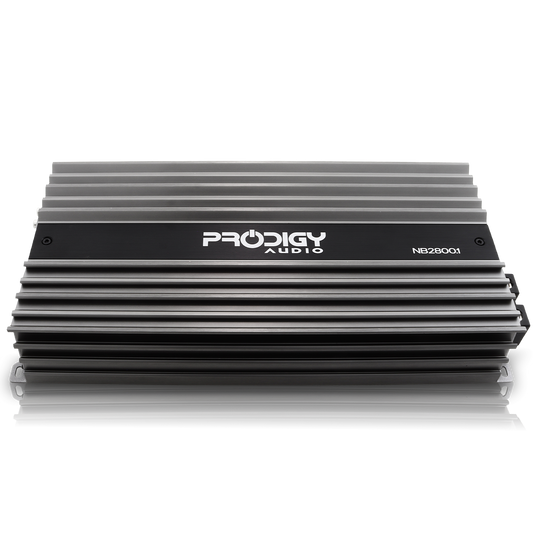
Prodigy Audio NB2800.1 2800 Watt Monoblock Amplifier
Vendor:Prodigy AudioRegular price $527.99 USDRegular price$632.99 USDSale price $527.99 USDSale -
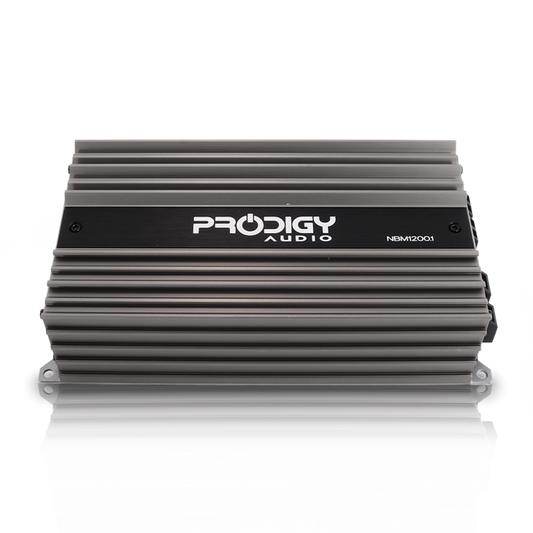
Prodigy Audio NBM1200.1 1200 Watt Monoblock Amplifier
Vendor:Prodigy AudioRegular price $272.99 USDRegular price$326.99 USDSale price $272.99 USDSale -
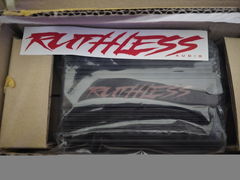
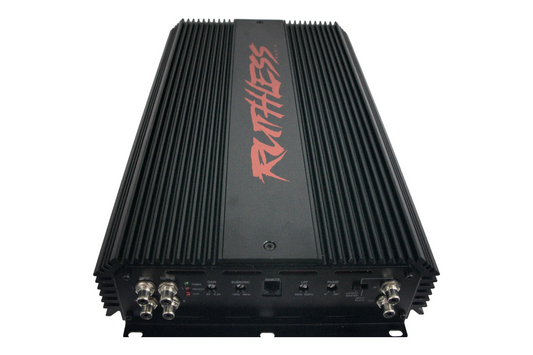
Ruthless Audio 10000.1 Red – 10,000W Monoblock Competition Car Audio Amplifier
Vendor:Ruthless AudioRegular price $1,599.99 USDRegular price -
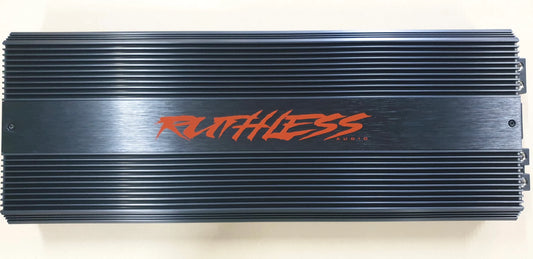
Ruthless Audio 10000.1 – 10K Mono Block Competition Car Audio Amplifier
Vendor:Ruthless AudioRegular price $1,599.99 USDRegular price -
Ruthless Audio 12.5K Mono Block Competition Car Audio Amplifier
Vendor:Ruthless AudioRegular price $1,799.99 USDRegular price$2,999.95 USDSale price $1,799.99 USDSold out -
Ruthless Audio 2300.1 – 2300W Monoblock Competition Car Audio Amplifier
Vendor:Ruthless AudioRegular price $479.99 USDRegular price -
Ruthless Audio 4500.1 – 4500W Monoblock Competition Car Audio Amplifier
Vendor:Ruthless AudioRegular price $829.99 USDRegular price -
Ruthless Audio Black 7.5K Monoblock – 7500W RMS Competition Car Audio Amplifier
Vendor:Ruthless AudioRegular price $1,249.99 USDRegular price -
Ruthless Audio Black 7.5K Monoblock – 7500W RMS Competition Car Audio Amplifier
Vendor:Ruthless AudioRegular price $1,249.99 USDRegular price -
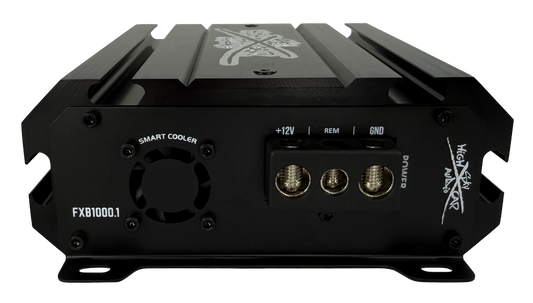
Sky High Car Audio FXB 1000.1 Compact Monoblock Amplifier
Vendor:Sky High Car AudioRegular price $224.95 USDRegular price -
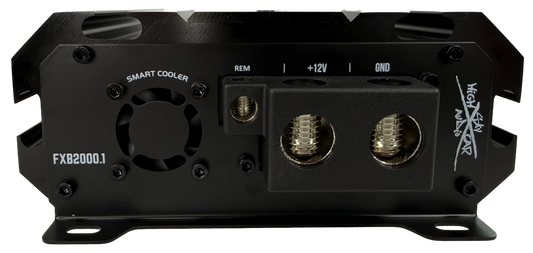
Sky High Car Audio FXB 2000.1 Compact Monoblock Amplifier
Vendor:Sky High Car AudioRegular price $284.95 USDRegular price -
Sky High Car Audio SHCA 10500.1 Monoblock Amplifier – 0.5 Ohm Stable
Vendor:Sky High Car AudioRegular price $2,049.95 USDRegular price -
Sky High Car Audio SHCA 5500.1 5500W 0.5 Ohm Monoblock Amplifier
Vendor:Sky High Car AudioRegular price $1,249.95 USDRegular price -
Sky High Car Audio SHCA 8500.1 – 8500W 0.5 Ohm Stable Monoblock Amplifier
Vendor:Sky High Car AudioRegular price $1,649.95 USDRegular price -
Sky High Car Audio SHCA3500.1 – 3500W Monoblock Amplifier
Vendor:Sky High Car AudioRegular price $949.95 USDRegular price -
SoundQubed 12,000 Watts F1-12000 Full Bridge Mono block Amplifier
Vendor:SoundQubedRegular price $959.95 USDRegular price -
SoundQubed 5000 Watts F1-5000 Full Bridge Mono Block Amplifier
Vendor:SoundQubedRegular price $449.95 USDRegular price -
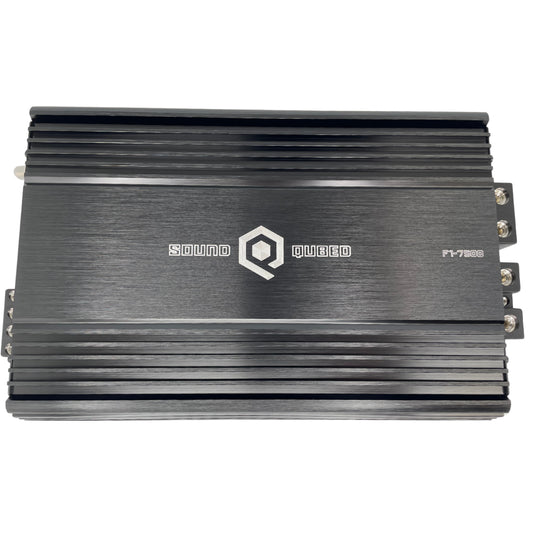
SoundQubed 7500 Watts F1-7500 Full Bridge Mono Block Amplifier
Vendor:SoundQubedRegular price $699.10 USDRegular price -
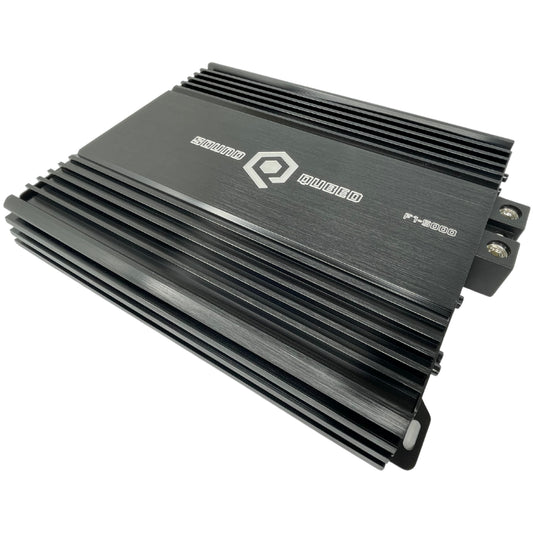
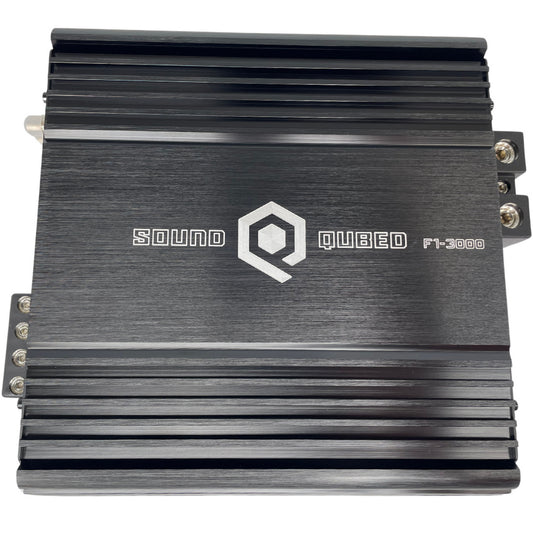
SoundQubed F1-3000 Full Bridge Mono Block Amplifier
Vendor:SoundQubedRegular price $349.95 USDRegular price -
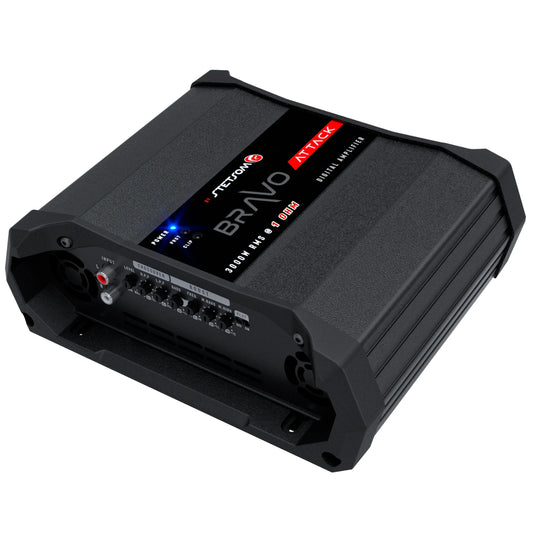
Stetsom BRAVO ATTACK 3000 Mono Full Range Digital Amplifier 3000W RMS 1 2 or 4 Ohm
Vendor:StetsomRegular price $208.99 USDRegular price -
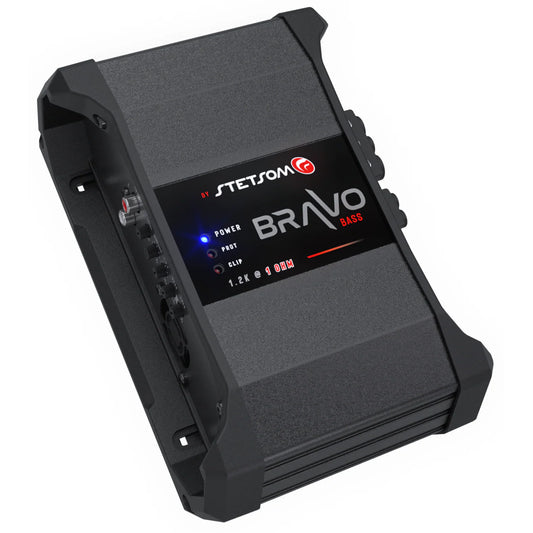
Stetsom BRAVO BASS 1.2K Digital Subwoofer Amplifier Mono 1 Channel Class D 1200 Watts RMS
Vendor:StetsomRegular price $159.99 USDRegular price -
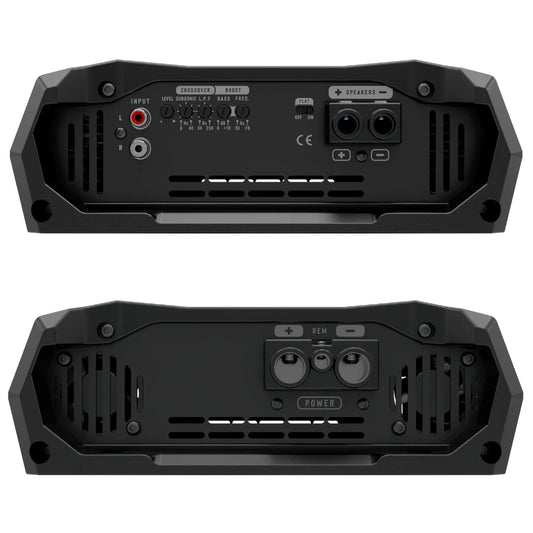
Stetsom BRAVO BASS 3K Digital Subwoofer Amplifier Mono 1 Channel Class D 3000 Watts RMS
Vendor:StetsomRegular price $299.99 USDRegular price -
Stetsom BRAVO BASS 8K Digital Subwoofer Amplifier – Mono 1 Channel Class D 8000 Watts RMS
Vendor:StetsomRegular price $640.99 USDRegular price -
Stetsom BRAVO FULL 1.2K Digital Full-Range Amplifier – Mono 1 Channel Class D 1200 Watts RMS
Vendor:StetsomRegular price $143.99 USDRegular price -
Stetsom BRAVO FULL 12K Digital Full-Range Amplifier Mono 1 Channel Class D 12000 Watts RMS
Vendor:StetsomRegular price $998.99 USDRegular price -
Stetsom BRAVO FULL 2K Digital Full-Range Amplifier – Mono 1 Channel Class D 2000 Watts RMS
Vendor:StetsomRegular price $208.99 USDRegular price -
Stetsom BRAVO FULL 3K Digital Full-Range Amplifier Mono 1 Channel Class D 3000 Watts RMS
Vendor:StetsomRegular price $269.99 USDRegular price -
Stetsom BRAVO FULL 5K Digital Full-Range Amplifier Mono 1 Channel Class D 5000 Watts RMS
Vendor:StetsomRegular price $469.99 USDRegular price -
Stetsom BRAVO FULL 8K Digital Full-Range Amplifier Mono 1 Channel Class D 8000 Watts RMS
Vendor:StetsomRegular price $570.99 USDRegular price -
Stetsom IR 400.1 MONO Full Range Compact Digital Amplifier – 400W RMS 2 Ohm
Vendor:StetsomRegular price $103.99 USDRegular price -
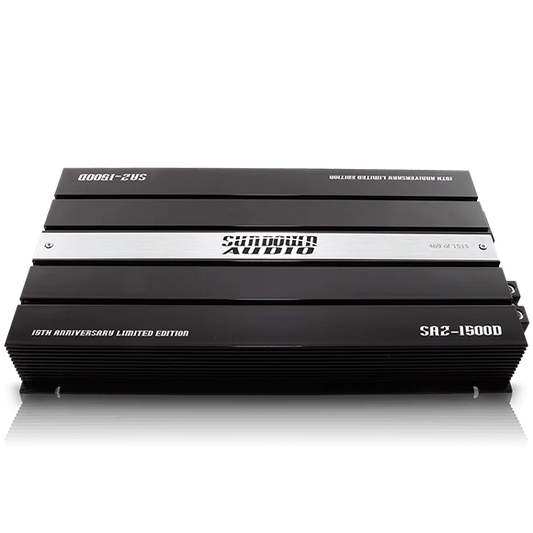
Sundown Audio SAZ-1500D (15th Anniversary)
Vendor:Sundown AudioRegular price $249.99 USDRegular price$489.99 USDSale price $249.99 USDSold out -

 Sold out
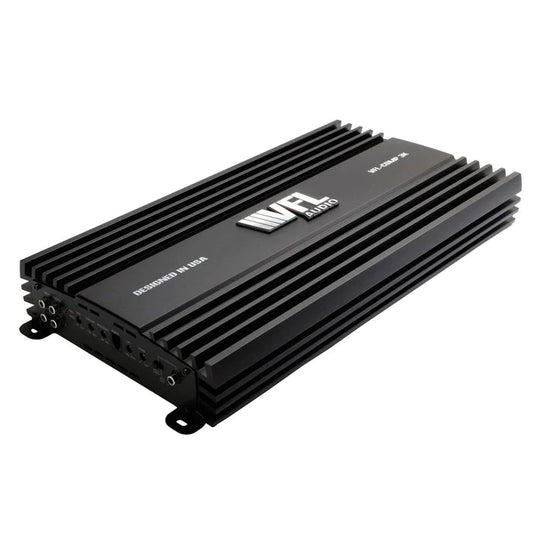
VFl Audio Comp 3K
Vendor:American BassRegular price $685.84 USDRegular price -
VFL Hybrid 2850.1
Vendor:American BassRegular price $248.99 USDRegular price -
VFL Hybrid 4850.1 Amplifier
Vendor:American BassRegular price $285.00 USDRegular price -

 Sold out
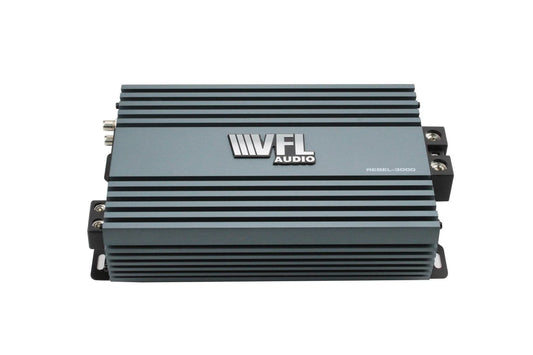
VFL REBEL 3000.1 Amplifier
Vendor:American BassRegular price $291.72 USDRegular price$343.20 USDSale price $291.72 USDSold out






















-
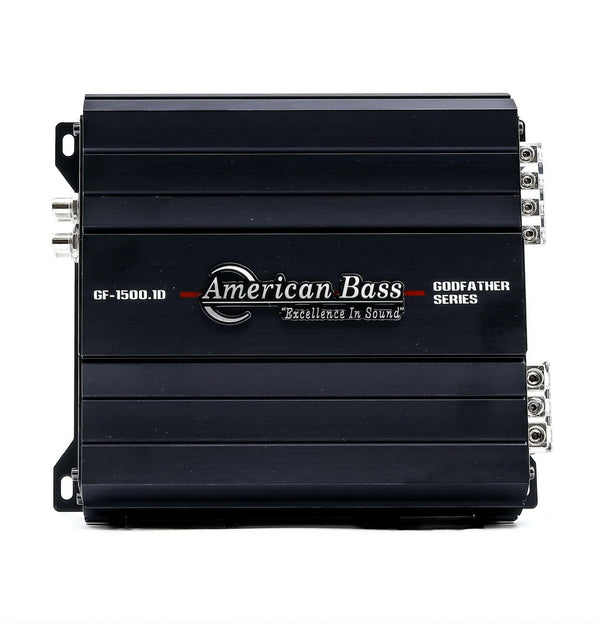 American Bass Godfather 1500.1D AmplifierAmerican Bass Godfather 1500.1D Amplifier Sold by AudioSellerz.com Shop the American Bass Godfather 1500.1D Amplifier...$302.22
 -
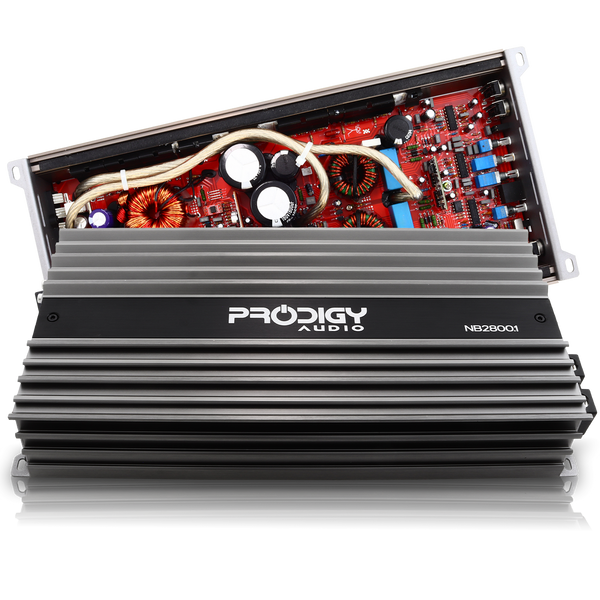 Prodigy Audio NB2800.1 2800 Watt Monoblock AmplifierProdigy Audio NB2800.1 2800 Watt Monoblock Amplifier Sold by AudioSellerz.com The Prodigy Audio NB2800.1 2800 Watt Mo...$527.99
$632.99 -
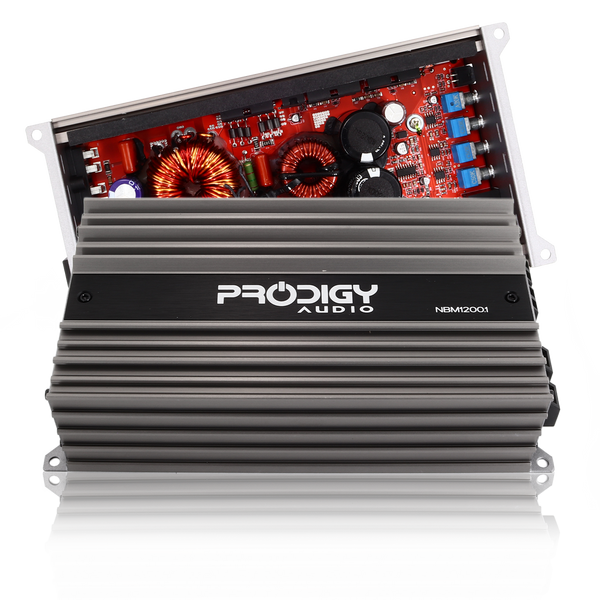 Prodigy Audio NBM1200.1 1200 Watt Monoblock AmplifierProdigy Audio NBM1200.1 1200 Watt Monoblock Amplifier Sold by AudioSellerz.com The Prodigy Audio NBM1200.1 1200 Watt ...$272.99
$326.99 -
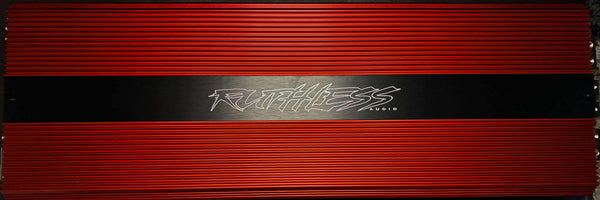 Ruthless Audio 10000.1 Red – 10,000W Monoblock Competition Car Audio AmplifierRuthless Audio 10000.1 Red – 10,000W Monoblock Competition Car Audio Amplifier Sold by AudioSellerz.com The Ruthless...$1,599.99
 -
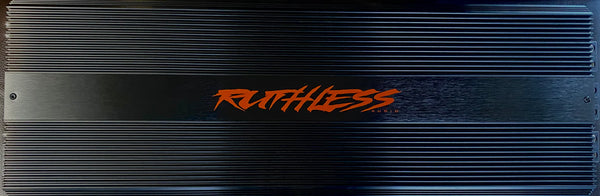 Ruthless Audio 10000.1 – 10K Mono Block Competition Car Audio AmplifierRuthless Audio 10000.1 – 10K Mono Block Competition Car Audio Amplifier Sold by AudioSellerz.com The Ruthless Audio ...$1,599.99
 -
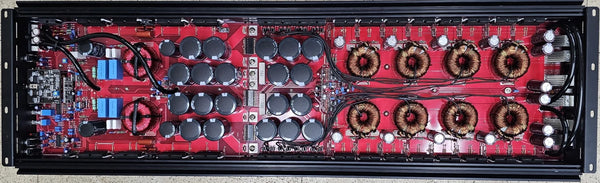 Ruthless Audio 12.5K Mono Block Competition Car Audio AmplifierRuthless Audio 12.5K Mono Block Competition Car Audio Amplifier Sold by AudioSellerz.com The Ruthless Audio 12.5K Mo...$1,799.99
$2,999.95 -
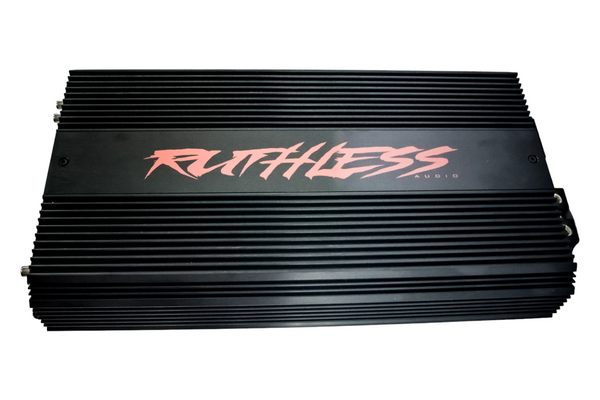 Ruthless Audio 2300.1 – 2300W Monoblock Competition Car Audio AmplifierRuthless Audio 2300.1 – 2300W Monoblock Competition Car Audio Amplifier Sold by AudioSellerz.com The Ruthless Audio ...$479.99
 -
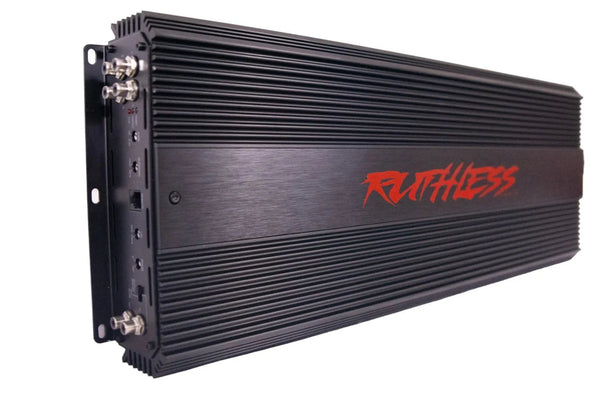 Ruthless Audio 4500.1 – 4500W Monoblock Competition Car Audio AmplifierRuthless Audio 4500.1 – 4500W Monoblock Competition Car Audio Amplifier Sold by AudioSellerz.com The Ruthless Audio ...$829.99
 -
 Ruthless Audio Black 7.5K Monoblock – 7500W RMS Competition Car Audio AmplifierRuthless Audio Black 7.5K Monoblock – 7500W RMS Competition Car Audio Amplifier Sold by AudioSellerz.com The Ruthles...$1,249.99
 -
Ruthless Audio Black 7.5K Monoblock – 7500W RMS Competition Car Audio AmplifierRuthless Audio Black 7.5K Monoblock – 7500W RMS Competition Car Audio Amplifier Sold by AudioSellerz.com The Ruthles...$1,249.99
-
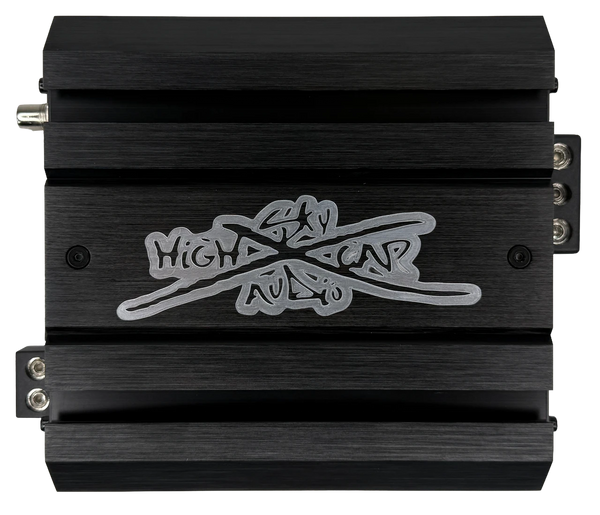 Sky High Car Audio FXB 1000.1 Compact Monoblock AmplifierSky High Car Audio FXB 1000.1 Compact Monoblock Amplifier Sold by AudioSellerz.com The Sky High Car Audio FXB 1000....$224.95
 -
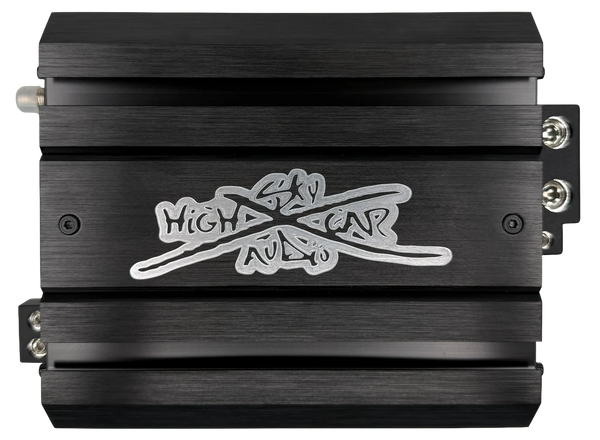 Sky High Car Audio FXB 2000.1 Compact Monoblock AmplifierSky High Car Audio FXB 2000.1 Compact Monoblock Amplifier Sold by AudioSellerz.com The Sky High Car Audio FXB 2000....$284.95
 -
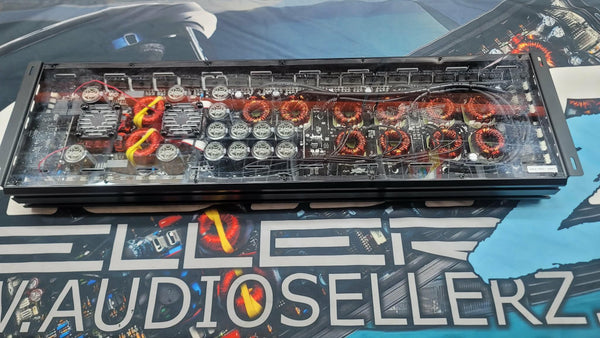 Sky High Car Audio SHCA 10500.1 Monoblock Amplifier – 0.5 Ohm StableSky High Car Audio SHCA10500.1 10500W 0.5 Ohm Stable Monoblock Bass Amplifier is a Korean-built 10K-class bass amplif...$2,049.95
 -
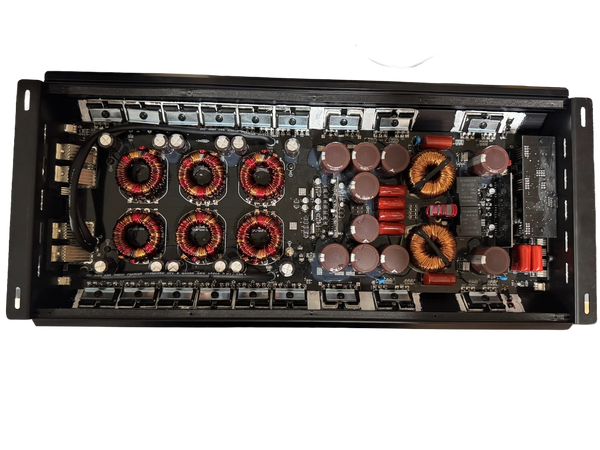 Sky High Car Audio SHCA 5500.1 5500W 0.5 Ohm Monoblock AmplifierSky High Car Audio SHCA5500.1 5500W 0.5 Ohm Stable Monoblock Bass Amplifier is a Korean-built 5.5K-class bass amplifi...$1,249.95
 -
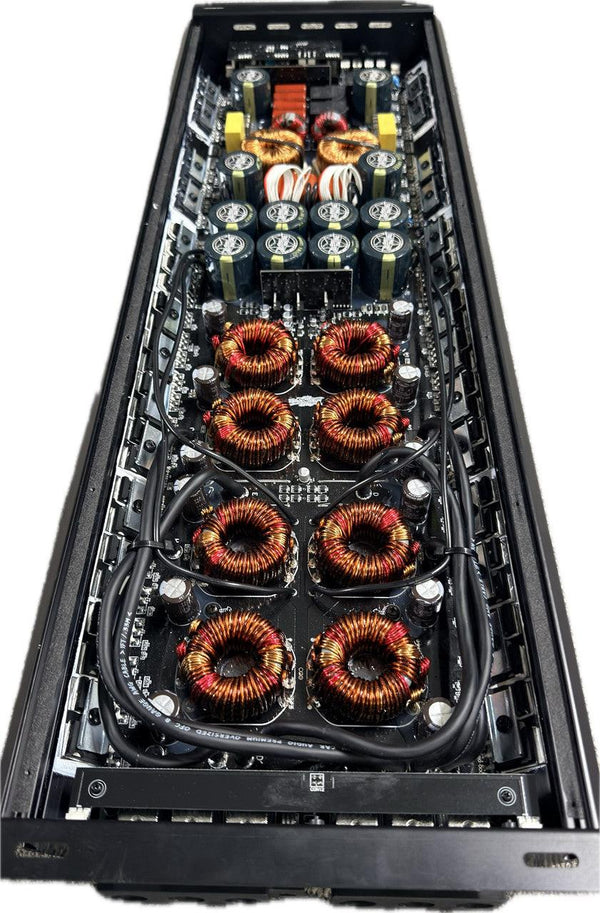 Sky High Car Audio SHCA 8500.1 – 8500W 0.5 Ohm Stable Monoblock AmplifierSky High Car Audio SHCA8500.1 Elite 8500W 0.5 Ohm Stable Monoblock Bass Amplifier is a Korean-built 8.5K-class bass a...$1,649.95
 -
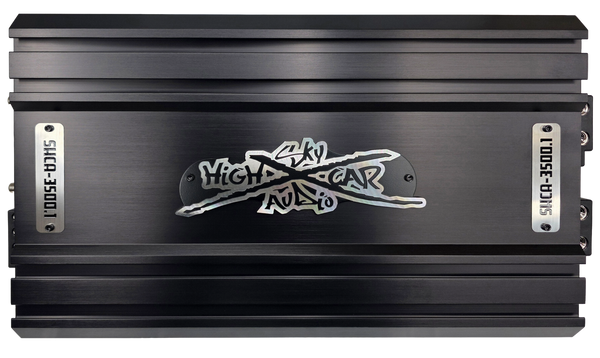 Sky High Car Audio SHCA3500.1 – 3500W Monoblock AmplifierSky High Car Audio SHCA3500.1 3500W 0.5 Ohm Stable Monoblock Bass Amplifier is a Korean-engineered 3.5K-class bass am...$949.95
 -
 SoundQubed 12,000 Watts F1-12000 Full Bridge Mono block AmplifierSoundQubed 12,000 Watts F1-12000 Full Bridge Mono block Amplifier Sold by AudioSellerz.com The SoundQubed 12,000 Watt...$959.95
 -
 SoundQubed 5000 Watts F1-5000 Full Bridge Mono Block AmplifierSoundQubed 5000 Watts F1-5000 Full Bridge Mono Block Amplifier Sold by AudioSellerz.com The SoundQubed 5000 Watts F1-...$449.95
 -
 SoundQubed 7500 Watts F1-7500 Full Bridge Mono Block AmplifierSoundQubed 7500 Watts F1-7500 Full Bridge Mono Block Amplifier Sold by AudioSellerz.com The SoundQubed 7500 Watts F1-...$699.10
 -
 SoundQubed F1-3000 Full Bridge Mono Block AmplifierSoundQubed F1-3000 Full Bridge Mono Block Amplifier Sold by AudioSellerz.com The SoundQubed F1-3000 Full Bridge Mono ...$349.95
 -
 Stetsom BRAVO ATTACK 3000 Mono Full Range Digital Amplifier 3000W RMS 1 2 or 4 OhmStetsom BRAVO ATTACK 3000 Mono Full Range Digital Amplifier 3000W RMS 1 2 or 4 Ohm Sold by AudioSellerz.com. The Stet...$208.99
 -
 Stetsom BRAVO BASS 1.2K Digital Subwoofer Amplifier Mono 1 Channel Class D 1200 Watts RMSStetsom BRAVO BASS 1.2K Digital Subwoofer Amplifier Mono 1 Channel Class D 1200 Watts RMS Sold by AudioSellerz.com. I...$159.99
 -
 Stetsom BRAVO BASS 3K Digital Subwoofer Amplifier Mono 1 Channel Class D 3000 Watts RMSStetsom BRAVO BASS 3K Digital Subwoofer Amplifier Mono 1 Channel Class D 3000 Watts RMS Sold by AudioSellerz.com. If ...$299.99
 -
 Stetsom BRAVO BASS 8K Digital Subwoofer Amplifier – Mono 1 Channel Class D 8000 Watts RMSStetsom BRAVO BASS 8K Digital Subwoofer Amplifier Mono 1 Channel Class D 8000 Watts RMS Description Stetsom BRAVO BAS...$640.99
 -
 Stetsom BRAVO FULL 1.2K Digital Full-Range Amplifier – Mono 1 Channel Class D 1200 Watts RMSStetsom BRAVO FULL 1.2K Digital Full-Range Amplifier – Mono 1 Channel Class D 1200 Watts RMSSold by AudioSellerz.com ...$143.99
 -
 Stetsom BRAVO FULL 12K Digital Full-Range Amplifier Mono 1 Channel Class D 12000 Watts RMSStetsom BRAVO FULL 12K Digital Full-Range Amplifier Mono 1 Channel Class D 12000 Watts RMS Sold by AudioSellerz.com. ...$998.99
 -
 Stetsom BRAVO FULL 2K Digital Full-Range Amplifier – Mono 1 Channel Class D 2000 Watts RMSStetsom BRAVO FULL 2K Digital Full-Range Amplifier – Mono 1 Channel Class D 2000 Watts RMSSold by AudioSellerz.com Th...$208.99
 -
 Stetsom BRAVO FULL 3K Digital Full-Range Amplifier Mono 1 Channel Class D 3000 Watts RMSStetsom BRAVO FULL 3K Digital Full-Range Amplifier Mono 1 Channel Class D 3000 Watts RMS Sold by AudioSellerz.com. If...$269.99
 -
 Stetsom BRAVO FULL 5K Digital Full-Range Amplifier Mono 1 Channel Class D 5000 Watts RMSStetsom BRAVO FULL 5K Digital Full-Range Amplifier Mono 1 Channel Class D 5000 Watts RMS Sold by AudioSellerz.com. If...$469.99
 -
 Stetsom BRAVO FULL 8K Digital Full-Range Amplifier Mono 1 Channel Class D 8000 Watts RMSStetsom BRAVO FULL 8K Digital Full-Range Amplifier Mono 1 Channel Class D 8000 Watts RMS Sold by AudioSellerz.com. If...$570.99
 -
 Stetsom IR 400.1 MONO Full Range Compact Digital Amplifier – 400W RMS 2 OhmStetsom IR 400.1 MONO Full Range Compact Digital Amplifier – 400W RMS 2 OhmSold by AudioSellerz.com The Stetsom I...$103.99
 -
 Sundown Audio SAZ-1500D (15th Anniversary)After 15yrs in business, We decided to bring back the amplifier that started it all, The SAZ-1500D. With its stunning...$249.99
$489.99 -
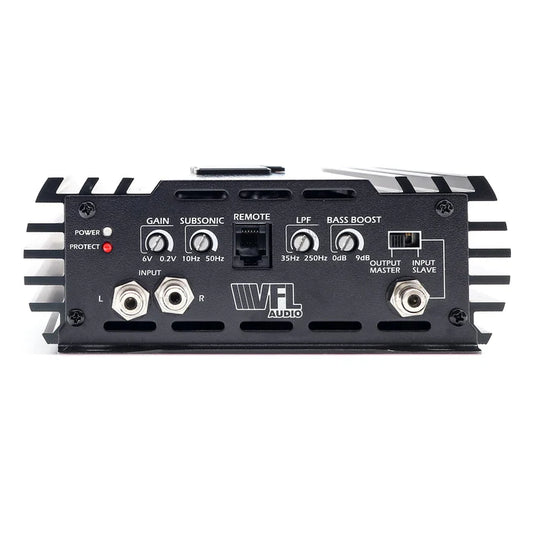
 VFl Audio Comp 3KVFl Audio Comp 3K Sold by AudioSellerz.com Shop the VFl Audio Comp 3K when comparing a American Bass car audio amplif...$685.84
 -
 VFL Hybrid 2850.1VFL Hybrid 2850.1 Sold by AudioSellerz.com Shop the VFL Hybrid 2850.1 when comparing a American Bass car audio amplif...$248.99
 -
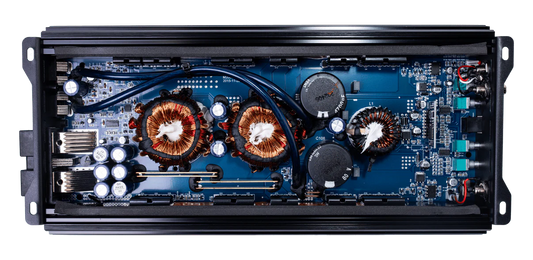
 VFL Hybrid 4850.1 AmplifierVFL Hybrid 4850.1 Amplifier Sold by AudioSellerz.com Build around accurate product information with the VFL Hybrid 48...$285.00
 -
 VFL REBEL 3000.1 AmplifierVFL REBEL 3000.1 Amplifier Sold by AudioSellerz.com Shop the VFL REBEL 3000.1 Amplifier when comparing a American Bas...$291.72
$343.20 -


Sold by AudioSellerz.com
Shop monoblock amplifiers for car audio when your system needs one dedicated amplifier channel for subwoofers, mids, horns, midbass or full-range speaker sections. Audio Sellerz carries mono amplifiers ranging from compact daily-driver amps to high-power bass amplifiers and full-range monoblocks for serious custom systems.
A monoblock amplifier has one amplified output channel. Subwoofers are the most common application, but a compatible full-range monoblock can also power other speaker groups when its frequency response, crossover controls, RMS power and impedance capability match the equipment being used.
Shop Car Audio Subwoofers | Shop Amplifier Wiring Kits | Shop All Car Audio Amplifiers
What Is a Monoblock Amplifier?
A monoblock amp, sometimes called a mono amplifier or 1-channel amplifier, has one amplified output channel.
That one channel can power a single compatible speaker or subwoofer, or multiple speakers or subwoofers wired together, as long as the final impedance and combined RMS requirements remain within the amplifier's specifications.
The word monoblock describes the number of amplifier channels. It does not automatically mean the amplifier can only be used for bass.
Monoblock Amp for Subwoofers
A monoblock amp for a subwoofer is one of the most common amplifier setups in car audio. Bass-focused mono amplifiers are designed to provide dedicated power to a single subwoofer or a group of subwoofers wired to a compatible final impedance.
When matching a monoblock amplifier to a subwoofer system, compare the amplifier's RMS output at the actual final impedance to the combined RMS requirements of the subwoofers.
Do not select an amplifier from maximum or peak wattage alone. Continuous RMS power and the final wired impedance are the numbers that matter most when matching equipment.
Browse our car audio subwoofers and subwoofer boxes and enclosures when building the rest of the bass system.
Full-Range Monoblock Amplifiers
Not every monoblock amplifier is limited to subwoofer frequencies. A full-range monoblock amplifier can reproduce a wider frequency range and may be used for compatible midrange speakers, midbass drivers, horns, compression drivers or full-range speaker groups.
This type of amplifier can be useful in high-output car audio systems where several compatible speakers are wired together and powered from one dedicated mono channel.
Before using a monoblock for mids or highs, verify that the exact amplifier supports the required frequency range and crossover settings. High-frequency drivers also need appropriate filtering so they are not sent frequencies below their safe operating range.
Shop Midrange Speakers | Shop Car Audio Horn Speakers | Shop Full Range Speakers
Bass Monoblock vs. Full-Range Monoblock
Bass Monoblock Amplifiers
Bass-focused monoblock amplifiers are designed primarily for subwoofer systems. They commonly provide high output at low impedance and include filtering intended for low-frequency applications.
Choose this type of mono amp when the amplifier's primary job is powering the subwoofer stage.
Full-Range Monoblock Amplifiers
Full-range mono amplifiers have a wider usable frequency range and can support compatible mids, midbass speakers, horns, full-range speakers or other dedicated speaker sections depending on the amplifier design.
If you are shopping for a full-range monoblock, check the amplifier's published frequency response and crossover functions instead of assuming every mono amplifier can perform the same job.
Choose a Monoblock Amp by RMS Power
The correct amplifier starts with the equipment it will power.
Check:
- Subwoofer or speaker RMS power
- Final wired impedance
- Amplifier RMS output at that impedance
- Required frequency range
- Crossover controls
- Electrical-system demand
A larger wattage number does not automatically make an amplifier a better choice. The amplifier, speakers, impedance and electrical system need to work together.
0.5 Ohm, 1 Ohm & 2 Ohm Monoblock Amplifiers
Monoblock amplifiers are available for several different minimum impedance loads. Some are designed around 2-ohm systems, many operate at 1 ohm, and certain high-power models are designed and warrantied for true 0.5-ohm operation.
Lower impedance can allow an amplifier to produce additional output, but it also increases current demand and places more load on the amplifier and vehicle electrical system.
Never wire an amplifier below the minimum impedance specified for that exact model.
Calculate the final impedance from the voice-coil configuration, number of subwoofers or speakers and wiring method before choosing the amplifier.
Monoblock Amplifiers for Daily Drivers
A daily-driver bass system does not automatically need the largest amplifier available. Compact monoblock amps can be a better fit when installation space, electrical demand and moderate subwoofer power are priorities.
Start with the actual subwoofer system and select enough amplifier power to match it correctly instead of oversizing the amp simply because more wattage is available.
High-Power Monoblock Amplifiers
Audio Sellerz also carries monoblock amplifiers for large subwoofer systems, demo vehicles, competition-style builds and other high-output applications.
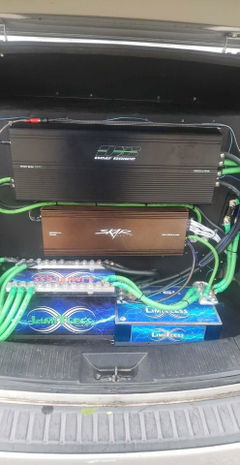
As amplifier output increases, electrical support becomes increasingly important. Large mono amplifiers can expose weak batteries, undersized power wire, poor grounds, inadequate alternator output and improper fuse protection very quickly.
Monoblock Amplifier Brands at Audio Sellerz
The current Audio Sellerz monoblock collection includes amplifiers from several car audio brands, including Sky High Car Audio, Ruthless Audio, Stetsom, SoundQubed, American Bass and Prodigy Audio.
Shop Sky High Car Audio | Shop Ruthless Audio | Shop Stetsom
Shop SoundQubed | Shop American Bass | Shop Prodigy Audio
Power Wire & Electrical Support for Monoblock Amps
A high-output amplifier is only as useful as the electrical system supplying it.
Use properly sized power and ground wire, solid grounding points and correct fuse protection. Higher-power systems may also require additional battery capacity, a Big 3 wiring upgrade or a high-output alternator.
Shop Amp Kits | Shop Big 3 Kits | Shop Fuse Blocks | Shop High Output Alternators
Signal Wiring for a Monoblock Amplifier
The amplifier also needs a clean audio signal. Aftermarket head units commonly provide RCA outputs, while factory radios may require a different integration method.
If the factory radio does not provide compatible RCA outputs, browse our line output converters and hi-lo converters.
Monoblock vs. Multi-Channel Amplifiers
A monoblock provides one amplified channel. If your system needs independent left and right channels or separate control over several speaker groups, a multi-channel amplifier may be more appropriate.
Shop 2 Channel Amplifiers | Shop 4 Channel Amplifiers | Shop 5+ Channel Amplifiers
Why Buy a Monoblock Amp From Audio Sellerz?
Audio Sellerz is a real car audio retailer and installation shop in Norton, Ohio. Owner Aaron Bryant has been involved in car audio since 2008 and has experience with daily-driver systems, competition builds, subwoofers, amplifiers, electrical upgrades and high-output systems.
That experience matters when choosing an amplifier because wattage alone does not determine whether an amp is right for the build. Subwoofer RMS, speaker impedance, wiring, enclosure design and electrical support all affect the finished system.
Monoblock Amplifier FAQ
What does monoblock mean?
Monoblock means the amplifier has one amplified output channel.
Is a monoblock amplifier only for subwoofers?
No. Subwoofers are the most common use, but compatible full-range monoblock amplifiers can also power midrange, midbass, horns or full-range speaker groups when the amplifier supports the required frequencies and impedance.
Can one monoblock amp power multiple subwoofers?
Yes. Multiple subwoofers can be wired to one mono amplifier as long as the final impedance and combined RMS requirements are compatible with the amplifier.
What size monoblock amp do I need for my subwoofer?
Match the amplifier's RMS output at the final wired impedance to the combined RMS requirements of the subwoofer system. Do not choose solely from peak or maximum wattage ratings.
Is a 1-ohm monoblock better than a 2-ohm monoblock?
Not automatically. The correct impedance depends on the subwoofer voice-coil configuration, final wiring and amplifier design. The goal is to match the equipment correctly rather than simply choosing the lowest impedance available.
Can a monoblock amp power mids?
Yes, when the amplifier is designed with the frequency response and crossover capability required by the midrange speakers and the final impedance is safe for the amplifier.
What is a full-range monoblock amplifier?
A full-range monoblock is a single-channel amplifier with a wider usable frequency range than a bass-only amplifier. Depending on the model, it may be used for mids, midbass, horns, full-range speakers or subwoofers.
Do high-power monoblock amps need an electrical upgrade?
Many high-power amplifier systems require additional electrical support. The exact requirements depend on amplifier current demand, alternator output, batteries, wiring and how the system is used.
Need Help Choosing a Monoblock Amplifier?
Use the Audio Sellerz live chat and tell us which subwoofers or speakers you are powering, how many you have, their impedance and RMS power, and what vehicle the system is going into. We can help narrow down the right amplifier instead of guessing from wattage alone.
Shop Monoblock Amplifiers
Browse the current monoblock car audio amplifiers above for subwoofers, mids, horns, midbass and full-range speaker systems.
Shop Subwoofers | Shop Amp Kits | Shop All Amplifiers