4 Channel Amplifiers
-
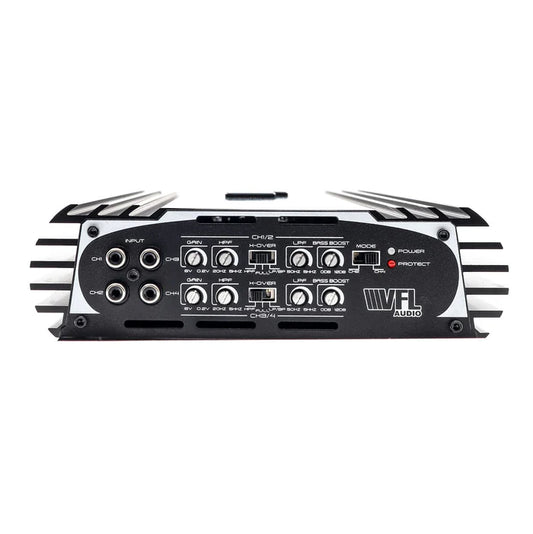
American Bass VFL REBEL 2400.4 4 Channel Amplifier – 2400W Max Class D
Vendor:American BassRegular price $420.75 USDRegular price -
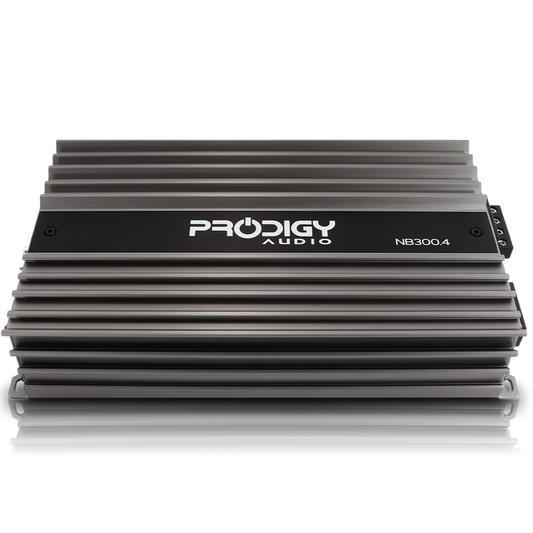
Prodigy Audio NB300.4 1200 Watt 4-Channel Amplifier
Vendor:Prodigy AudioRegular price $416.99 USDRegular price$500.99 USDSale price $416.99 USDSold out -
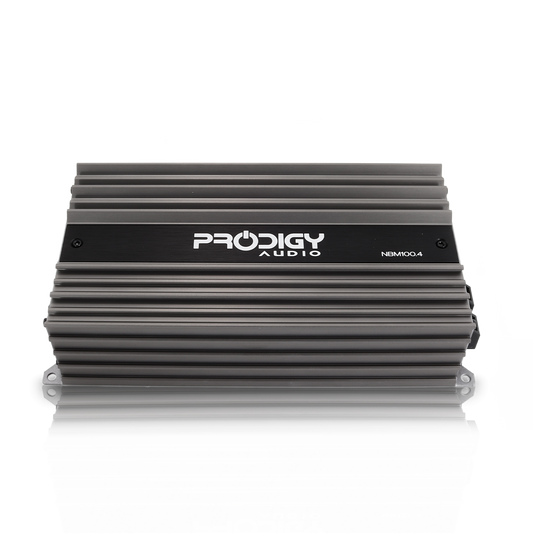
Prodigy Audio NBM100.4 600 Watt 4-Channel Amplifier
Vendor:Prodigy AudioRegular price $225.99 USDRegular price$270.99 USDSale price $225.99 USDSale -
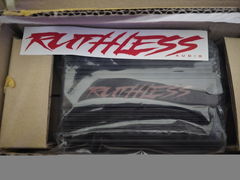
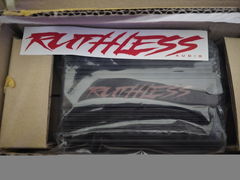
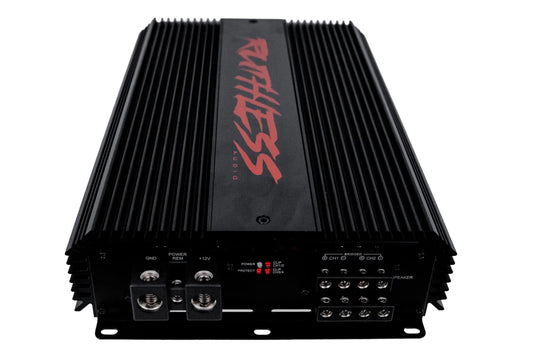
Ruthless Audio 1500.4 – 4-Channel 1500W Full-Range Car Audio Amplifier
Vendor:Ruthless AudioRegular price $479.99 USDRegular price -
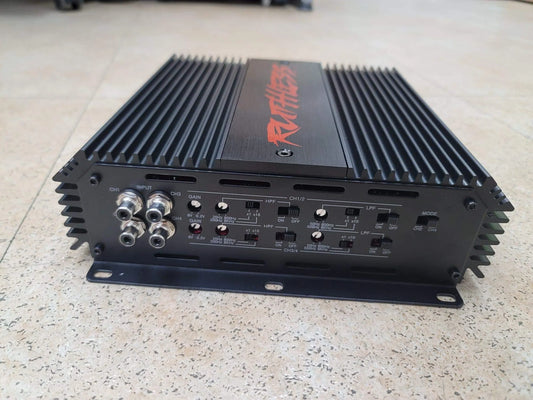
Ruthless Audio 800.4 – 4-Channel 800W RMS Full-Range Car Audio Amplifier
Vendor:Ruthless AudioRegular price $289.99 USDRegular price -
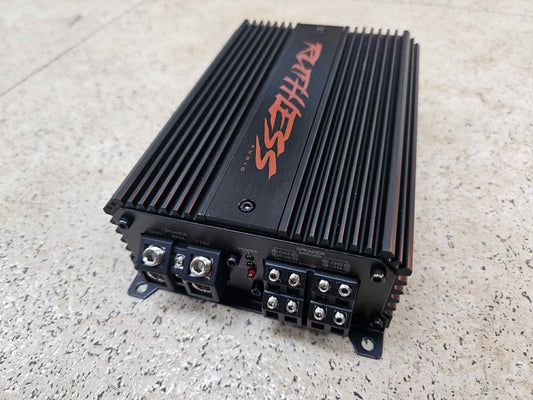
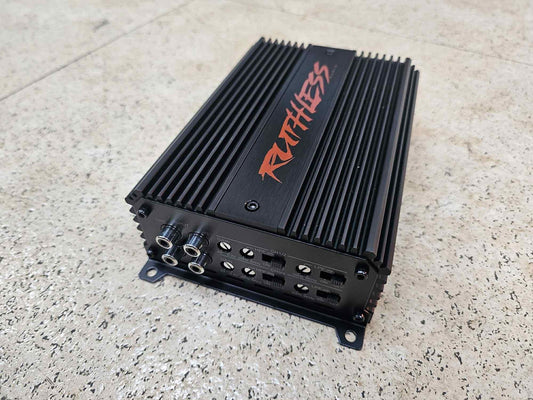
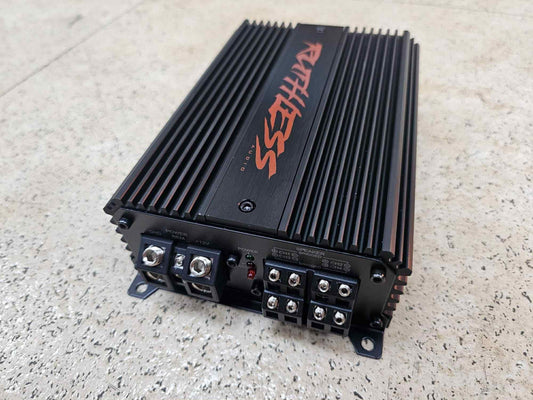
Ruthless Audio Micro 1200.4 – Marine-Grade Micro 4-Channel Amplifier
Vendor:Ruthless AudioRegular price $319.99 USDRegular price -
Ruthless Audio Micro 400.4 – 4-Channel 400W Compact Full-Range Amplifier
Vendor:Ruthless AudioRegular price $179.99 USDRegular price -
Ruthless Audio Micro 800.4 – Marine-Grade Micro 4-Channel Amplifier
Vendor:Ruthless AudioRegular price $249.99 USDRegular price -
Sky High Car Audio FXB 1400.4 4-Channel Amplifier
Vendor:Sky High Car AudioRegular price $244.95 USDRegular price -
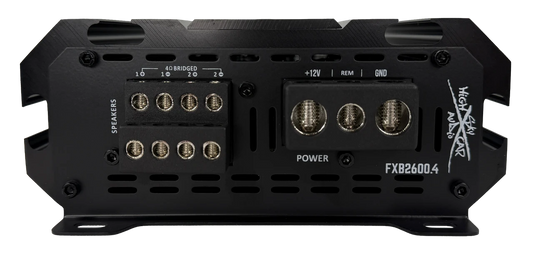
Sky High Car Audio FXB 2600.4 Compact 4-Channel Amplifier
Vendor:Sky High Car AudioRegular price $344.95 USDRegular price -
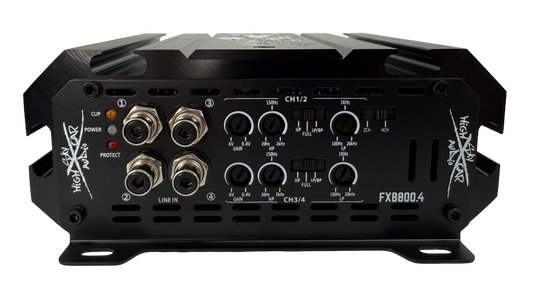
Sky High Car Audio FXB 800.4 4-Channel Amplifier
Vendor:Sky High Car AudioRegular price $214.95 USDRegular price -
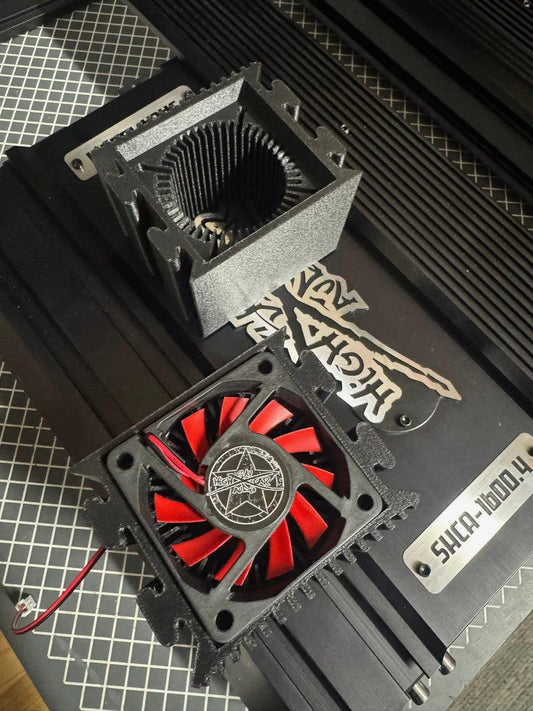
Sky High Car Audio SHCA1600.4 – 1600W 4-Channel Full-Range Car Audio Amplifier
Vendor:Sky High Car AudioRegular price $549.95 USDRegular price -
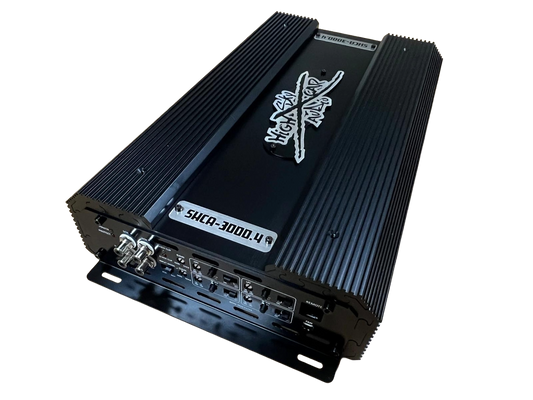
Sky High Car Audio SHCA3000.4 – 3000W 4-Channel Full-Range Car Audio Amplifier
Vendor:Sky High Car AudioRegular price $749.95 USDRegular price -
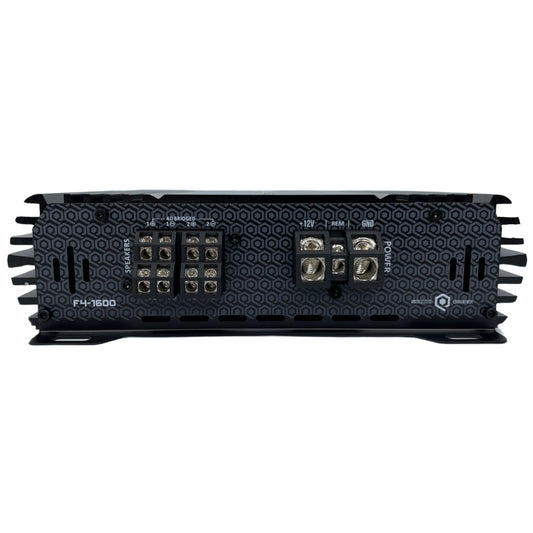
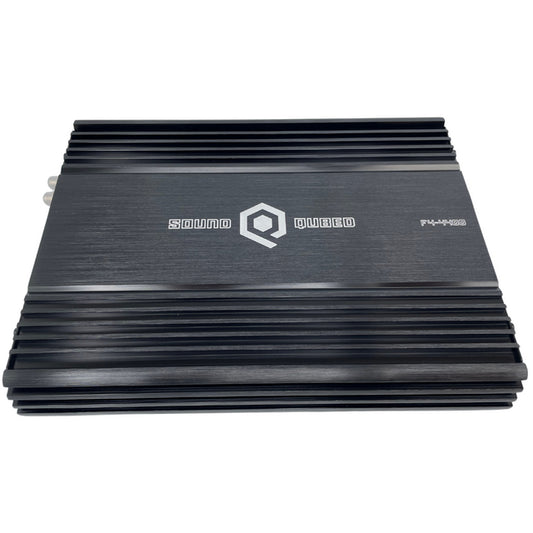
SoundQubed 1600 Watts F4-1600 Full Bridge 4 Channel Amplifier
Vendor:SoundQubedRegular price $349.95 USDRegular price -
SoundQubed 4400 Watt F4-4400 Full Bridge 4 Channel Amplifier
Vendor:SoundQubedRegular price $499.95 USDRegular price -
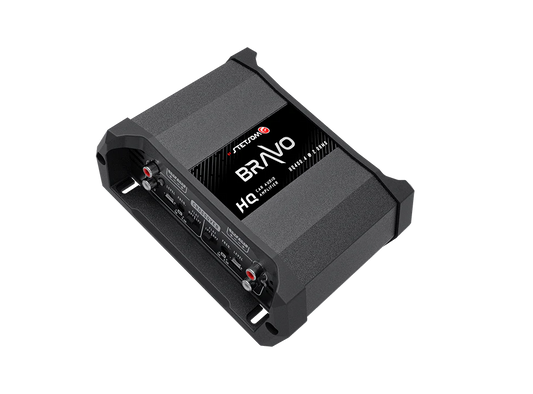
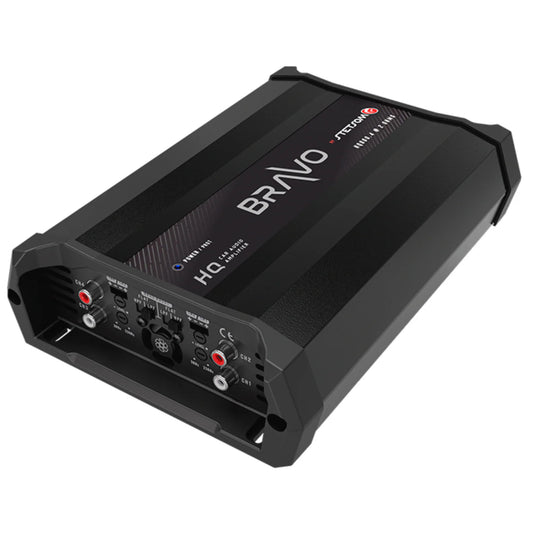
Stetsom Bravo HQ 400.4 4 Channel Digital Amplifier – 400W RMS 2 Ohms Stable
Vendor:StetsomRegular price $99.99 USDRegular price -
Stetsom Bravo HQ 800.4 4 Channel Digital Amplifier – 800W RMS 2 Ohms Stable
Vendor:StetsomRegular price $178.99 USDRegular price -
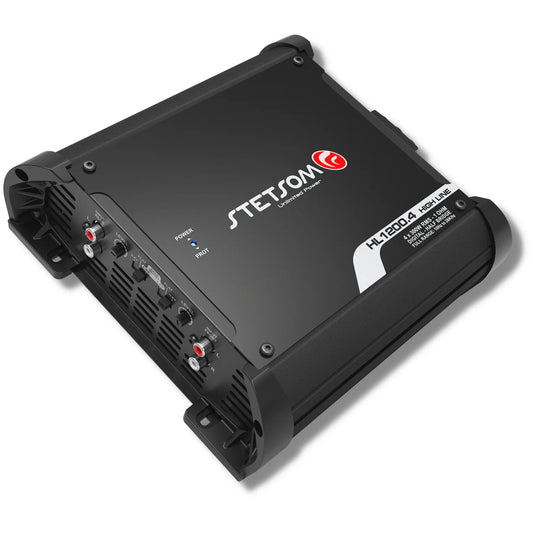
Stetsom HL 1200.4 Digital Amplifier – 4 Channels Full Range Class D 1.2K RMS
Vendor:StetsomRegular price $239.99 USDRegular price -
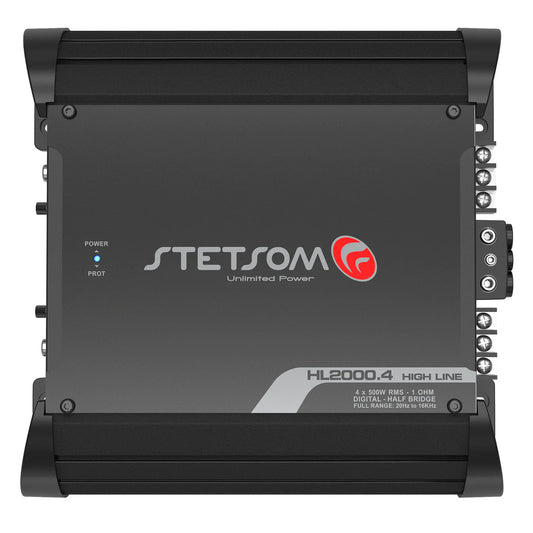
Stetsom HL 2000.4 Digital Amplifier – 4 Channels Full Range Class D 2K RMS
Vendor:StetsomRegular price $298.99 USDRegular price -
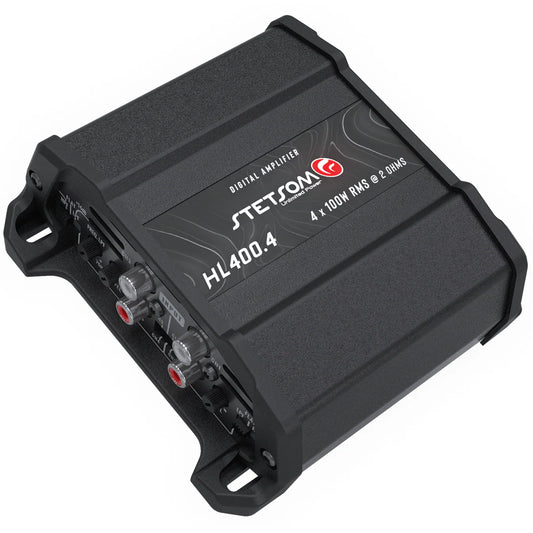
Stetsom HL 400.4 Class D Full Range Amplifier – 4 Channel 400 Watts RCA and High Wire Input
Vendor:StetsomRegular price $89.99 USDRegular price -

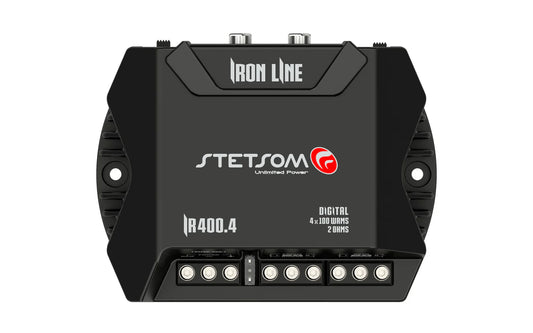
Stetsom IR 400.4 Compact 4 Channel Digital Amplifier – 400W RMS Full Range 2 Ohms Stereo Stable
Vendor:StetsomRegular price $89.99 USDRegular price -
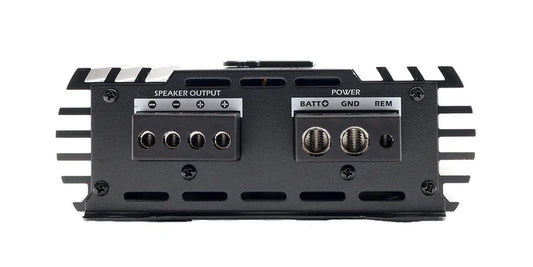
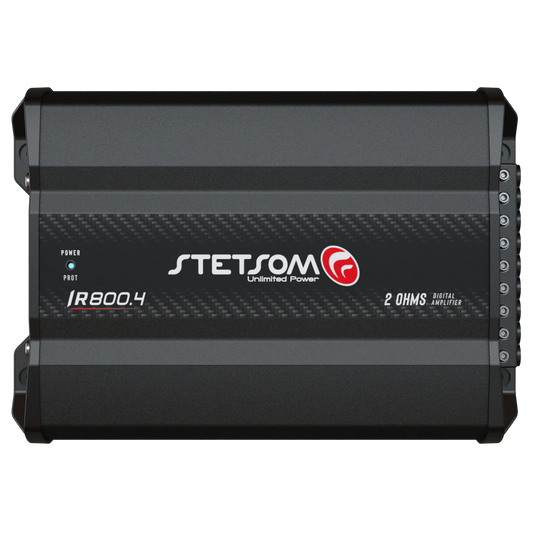
Stetsom IR 800.4 Compact 4 Channel Digital Amplifier – 800W RMS Full Range 2 Ohms Stable
Vendor:StetsomRegular price $159.99 USDRegular price -

 Sold out
VFL Hybrid 1950.1
Vendor:VFLRegular price $174.54 USDRegular price -
VFL Stealth 500.4 Amplifier
Vendor:American BassRegular price $290.39 USDRegular price -
VFL Stealth MMC 200.4 Amplifier
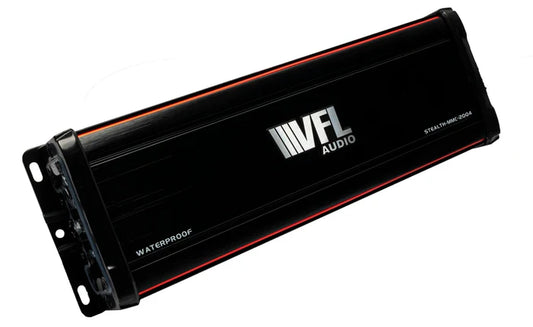
Vendor:American BassRegular price $267.12 USDRegular price

























-
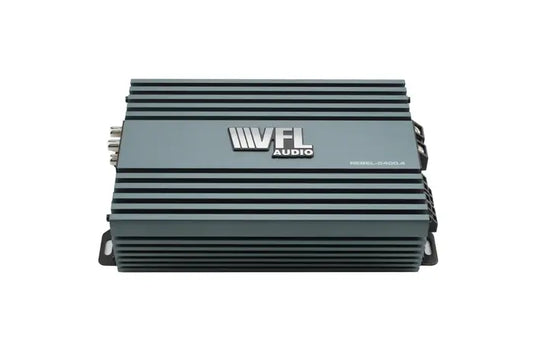
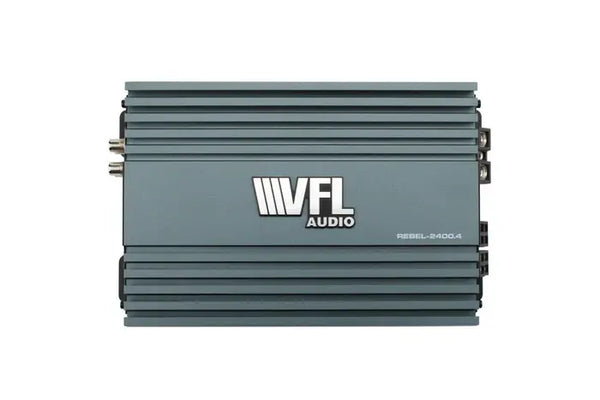 American Bass VFL REBEL 2400.4 4 Channel Amplifier – 2400W Max Class DAmerican Bass VFL REBEL 2400.4 4 Channel Amplifier – 2400W Max Class D Sold by AudioSellerz.com The American Bass VFL...$420.75
 -
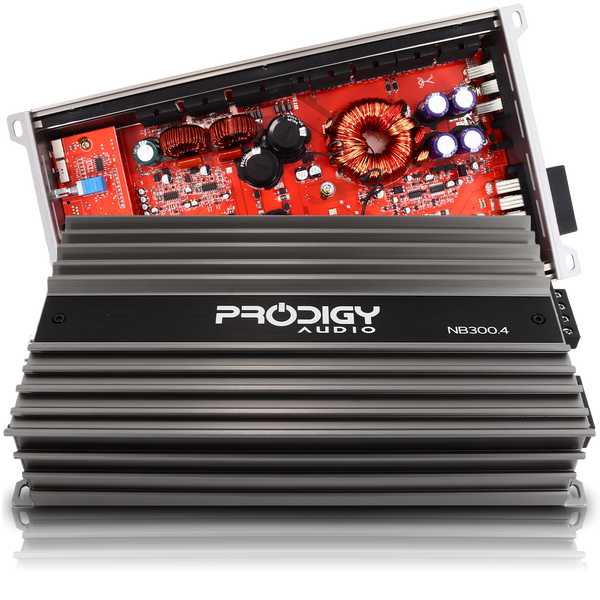 Prodigy Audio NB300.4 1200 Watt 4-Channel AmplifierProdigy Audio NB300.4 1200 Watt 4-Channel Amplifier Sold by AudioSellerz.com The Prodigy Audio NB300.4 1200 Watt 4-Ch...$416.99
$500.99 -
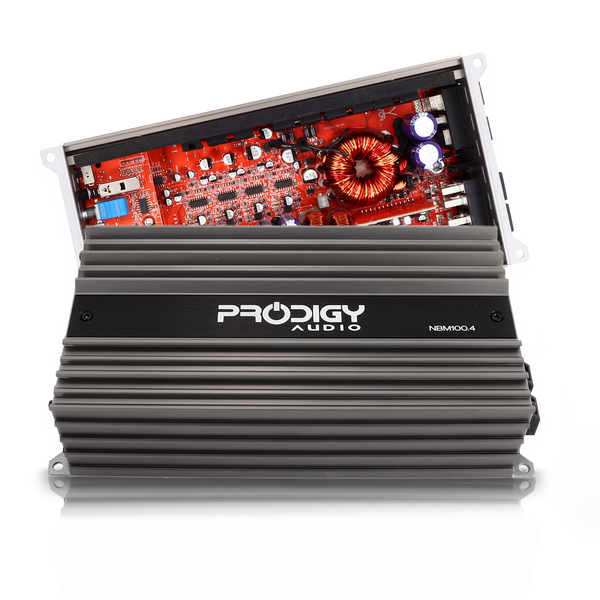 Prodigy Audio NBM100.4 600 Watt 4-Channel AmplifierProdigy Audio NBM100.4 600 Watt 4-Channel Amplifier Sold by AudioSellerz.com The Prodigy Audio NBM100.4 600 Watt 4-Ch...$225.99
$270.99 -
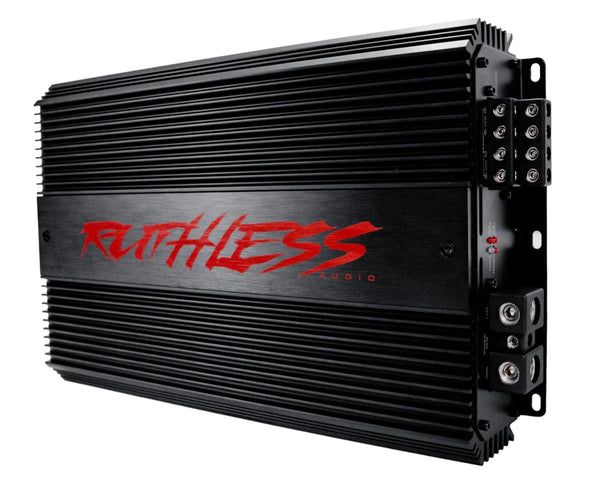 Ruthless Audio 1500.4 – 4-Channel 1500W Full-Range Car Audio AmplifierRuthless Audio 1500.4 – 4-Channel 1500W Full-Range Car Audio Amplifier Sold by AudioSellerz.com The Ruthless Audio 1...$479.99
 -
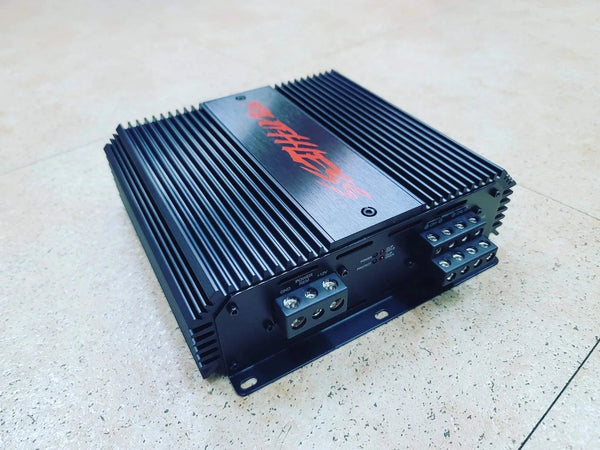 Ruthless Audio 800.4 – 4-Channel 800W RMS Full-Range Car Audio AmplifierRuthless Audio 800.4 – 4-Channel 800W RMS Full-Range Car Audio Amplifier Sold by AudioSellerz.com The Ruthless Audio...$289.99
 -
 Ruthless Audio Micro 1200.4 – Marine-Grade Micro 4-Channel AmplifierRuthless Audio Micro 1200.4 – Marine-Grade Micro 4-Channel Amplifier Sold by AudioSellerz.com The Ruthless Audio Mic...$319.99
 -
 Ruthless Audio Micro 400.4 – 4-Channel 400W Compact Full-Range AmplifierRuthless Audio Micro 400.4 – 4-Channel 400W Compact Full-Range Amplifier Sold by AudioSellerz.com The Ruthless Audio...$179.99
 -
 Ruthless Audio Micro 800.4 – Marine-Grade Micro 4-Channel AmplifierRuthless Audio Micro 800.4 – Marine-Grade Micro 4-Channel Amplifier Sold by AudioSellerz.com The Ruthless Audio Micr...$249.99
 -
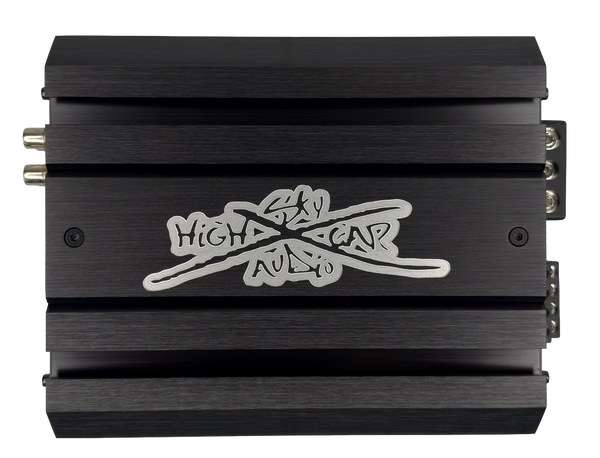 Sky High Car Audio FXB 1400.4 4-Channel AmplifierSky High Car Audio FXB 1400.4 4-Channel Amplifier Sold by AudioSellerz.com The Sky High Car Audio FXB 1400.4 is a c...$244.95
 -
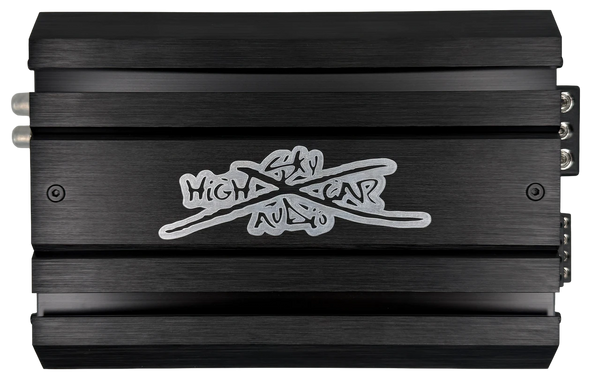 Sky High Car Audio FXB 2600.4 Compact 4-Channel AmplifierSky High Car Audio FXB 2600.4 Compact 4-Channel Amplifier Sold by AudioSellerz.com The Sky High Car Audio FXB 2600....$344.95
 -
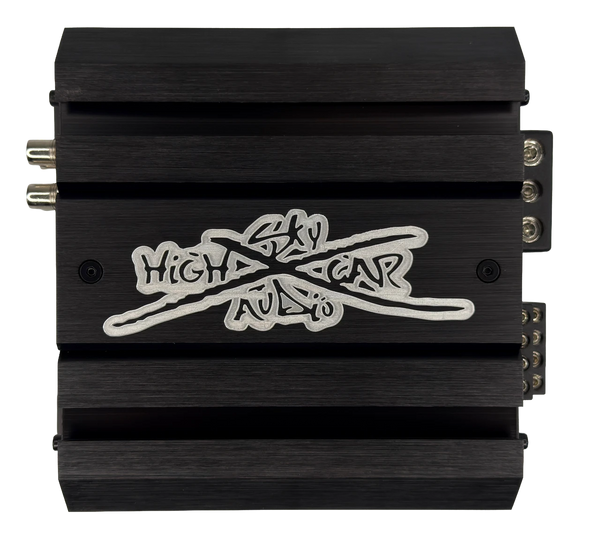 Sky High Car Audio FXB 800.4 4-Channel AmplifierSky High Car Audio FXB 800.4 4-Channel Amplifier Sold by AudioSellerz.com The Sky High Car Audio FXB 800.4 is an ul...$214.95
 -
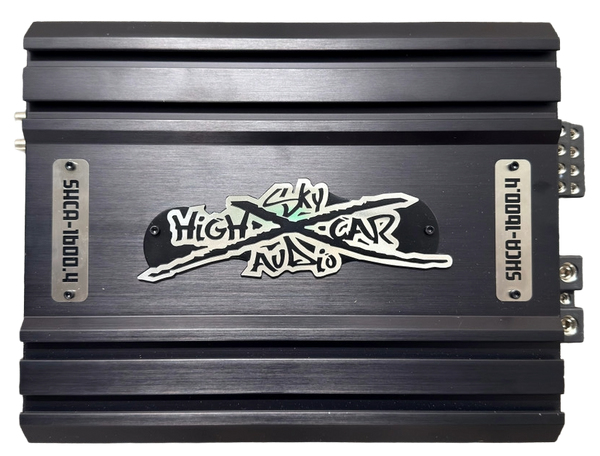 Sky High Car Audio SHCA1600.4 – 1600W 4-Channel Full-Range Car Audio AmplifierSky High Car Audio SHCA1600.4 1600W 4 Channel Full Range Amplifier is a Korean-built compact 4 channel amplifier desi...$549.95
 -
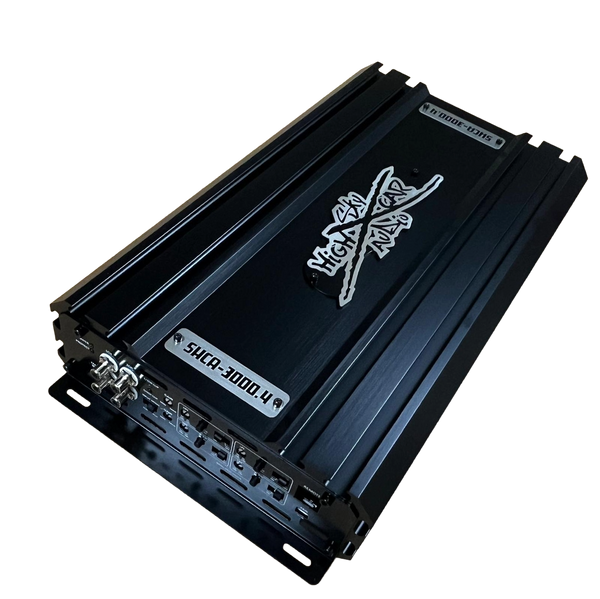 Sky High Car Audio SHCA3000.4 – 3000W 4-Channel Full-Range Car Audio AmplifierSky High Car Audio SHCA3000.4 3000W 4 Channel Full Range Amplifier is a Korean-engineered and assembled 4 channel amp...$749.95
 -
 SoundQubed 1600 Watts F4-1600 Full Bridge 4 Channel AmplifierSoundQubed 1600 Watts F4-1600 Full Bridge 4 Channel Amplifier Sold by AudioSellerz.com The SoundQubed 1600 Watts F4-1...$349.95
 -
 SoundQubed 4400 Watt F4-4400 Full Bridge 4 Channel AmplifierSoundQubed 4400 Watt F4-4400 Full Bridge 4 Channel Amplifier Sold by AudioSellerz.com The SoundQubed 4400 Watt F4-440...$499.95
 -
 Stetsom Bravo HQ 400.4 4 Channel Digital Amplifier – 400W RMS 2 Ohms StableStetsom Bravo HQ 400.4 4 Channel Digital Amplifier – 400W RMS 2 Ohms StableSold by AudioSellerz.com The ...$99.99
 -
 Stetsom Bravo HQ 800.4 4 Channel Digital Amplifier – 800W RMS 2 Ohms StableStetsom Bravo HQ 800.4 4 Channel Digital Amplifier – 800W RMS 2 Ohms StableSold by AudioSellerz.com The Stetsom Br...$178.99
 -
 Stetsom HL 1200.4 Digital Amplifier – 4 Channels Full Range Class D 1.2K RMSStetsom HL 1200.4 Digital Amplifier – 4 Channels Full Range Class D 1.2K RMSSold by AudioSellerz.com The Stetsom H...$239.99
 -
 Stetsom HL 2000.4 Digital Amplifier – 4 Channels Full Range Class D 2K RMSStetsom HL 2000.4 Digital Amplifier – 4 Channels Full Range Class D 2K RMSSold by AudioSellerz.com The Stetsom H...$298.99
 -
 Stetsom HL 400.4 Class D Full Range Amplifier – 4 Channel 400 Watts RCA and High Wire InputStetsom HL 400.4 Class D Full Range Amplifier – 4 Channel 400 Watts RCA and High Wire InputSold by AudioSellerz.com T...$89.99
 -
 Stetsom IR 400.4 Compact 4 Channel Digital Amplifier – 400W RMS Full Range 2 Ohms Stereo StableThe Iron Line Series amps feature the most compact and enhanced design in the market, while offering high fidelity s...$89.99
 -
 Stetsom IR 800.4 Compact 4 Channel Digital Amplifier – 800W RMS Full Range 2 Ohms StableStetsom IR 800.4 Compact 4 Channel Digital Amplifier – 800W RMS Full Range 2 Ohms StableSold by AudioSellerz.com The ...$159.99
 -
 VFL Hybrid 1950.1Short on space but don't want to sacrifice power? Say hello to the Hybrid amp - the perfect blend of brawn and compac...$174.54
 -
 VFL Stealth 500.4 AmplifierVFL Stealth 500.4 Amplifier Sold by AudioSellerz.com The VFL Stealth 500.4 Amplifier is a American Bass car audio amp...$290.39
 -
 VFL Stealth MMC 200.4 AmplifierVFL Stealth MMC 200.4 Amplifier Sold by AudioSellerz.com The VFL Stealth MMC 200.4 Amplifier is a American Bass car a...$267.12


4 Channel Amplifiers for Car Speakers, Mids & Highs
Sold by AudioSellerz.com
Shop 4 channel car amplifiers for door speakers, component speakers, coaxials, midrange drivers, midbass speakers, tweeters, custom doors, motorcycle audio and high-output mids-and-highs systems.
A 4 channel amplifier is one of the most useful upgrades you can make when factory-radio power is no longer enough. Four separate amplifier channels give you the flexibility to power front and rear speakers, multiple mids, an active front stage or a custom speaker system while maintaining independent control over the channels.
Shop car audio speakers | Shop RCA cables & interconnects | Shop amplifier wiring kits | Shop line output converters | Shop monoblock amplifiers
Which 4 Channel Amplifier Should You Buy?
The right 4 channel amp depends on the speakers being powered, their impedance and RMS requirements, how many speakers are connected to each channel, how loud you want the finished system to play and how much installation space and electrical support you have available.
A basic daily-driver speaker upgrade does not need the same amplifier as a custom door filled with pro-audio mids and tweeters. Instead of buying the largest wattage number on the page, match the amplifier to the actual system.
Compact Daily Speaker Amp: Stetsom Bravo HQ 800.4
If you want a reasonably priced 4 channel amplifier for door speakers or a stronger daily-driver setup, the Stetsom Bravo HQ 800.4 800W RMS 4-Channel Amplifier is a strong place to start.
At 14.4 volts it is rated for up to 4 x 250 watts RMS at 2 ohms or 4 x 170 watts RMS at 4 ohms, giving it enough output for much more than a basic factory-speaker upgrade while remaining compact enough for practical installations.
This type of amplifier can make sense for:
- Front and rear door speakers
- Component speakers
- Coaxial speakers
- Moderate mids-and-highs systems
- Compact amplifier installations
- Daily drivers that need substantially more speaker power than the radio provides
Compact Marine & Powersports Option: Ruthless Micro 800.4
If mounting space is tight or you are building a motorcycle, boat, UTV or other compact system, the Ruthless Audio Micro 800.4 Marine-Grade 4-Channel Amplifier gives you another option.
The Micro Series is designed around a compact chassis, making it useful when you need four channels of speaker power without dedicating a large portion of the vehicle to an amplifier rack.
It is worth considering for:
- Motorcycles
- Boats and marine systems
- UTVs and powersports
- Tight under-seat installs
- Small custom amp racks
- Compact mids-and-highs systems
Strong Front-Stage Option: Sky High SHCA1600.4
If you are building a stronger full-range system or want an amplifier capable of supporting serious door speakers, mids, highs and midbass, look at the Sky High Car Audio SHCA1600.4 1600W 4-Channel Full-Range Amplifier.
The SHCA1600.4 is a Korean-built Class D full-range amplifier designed for daily drivers, custom doors, active and semi-active front stages, pro-audio speaker systems and bridged midbass applications.
It supports:
- Four-channel operation
- Three-channel operation
- Bridged two-channel operation
- 2-ohm minimum stereo loads
- 4-ohm minimum bridged loads
This is the type of amplifier to look at when the speaker side of the system needs enough authority to keep up with a serious subwoofer system.
High-Power 4 Channel Option: Stetsom HL 2000.4
For louder custom-door builds and higher-output mids-and-highs systems, the Stetsom HL 2000.4 2K RMS 4-Channel Full-Range Amplifier moves into considerably more aggressive speaker power.
The HL 2000.4 is offered in different impedance versions and can deliver several hundred watts RMS per channel depending on the model, voltage and connected load.
This type of amplifier can make sense for:
- Large mids-and-highs systems
- Multiple pro-audio speakers
- Custom multi-speaker doors
- Loud daily systems
- Demo vehicles
- High-output full-range builds
- Bridged applications where the amplifier specifications support the final load
What Is a 4 Channel Amplifier?
A 4 channel amplifier contains four separate output channels. A traditional installation might use those channels as:
Channel 1 → front left speaker
Channel 2 → front right speaker
Channel 3 → rear left speaker
Channel 4 → rear right speaker
That is only one way to use the amplifier. Four-channel amps are also commonly used for multiple midrange speakers, midbass speakers, tweeters with proper crossover protection, custom speaker pods, active front stages and loud mids-and-highs systems.
4 Channel Amp for Door Speakers
A 4 channel amplifier for car speakers is one of the best upgrades when aftermarket door speakers are still being powered by the factory radio.
Upgraded speakers can often handle much more clean power than the factory radio provides. Giving them properly matched amplifier power can improve:
- Available volume
- Midbass impact
- Vocal clarity
- Speaker control
- Dynamic range
- Balance between the speakers and subwoofer system
The amplifier still needs to be matched correctly. More amplifier power does not automatically mean better sound if the speakers are being overpowered, clipped or operated outside their intended frequency range.
4 Channel Amps for Mids & Highs
In a louder car audio system, the subwoofers can easily overpower speakers running from factory-radio power.
A strong mids and highs amplifier helps bring the rest of the music back into balance.
A 4-channel amp can power combinations of:
- Midrange speakers
- Full-range speakers
- Midbass speakers
- Tweeters with proper crossover protection
- Horns and compression drivers when correctly matched
- Custom speaker pods
- Multiple door speakers
The important part is making sure the final impedance, RMS requirements and crossover settings remain safe on every amplifier channel.
2 Channel vs 4 Channel Amplifier
A 2 channel amplifier normally makes the most sense when you only need to power one pair of speakers.
A 4 channel amplifier gives you twice as many independent output channels and is generally a better choice for front-and-rear speaker systems or more complicated speaker builds.
Choose a 4-channel amp when you need more channel flexibility rather than simply choosing it because the total wattage number is larger.
4 Channel Amp With a Monoblock for Subwoofers
One of the most common complete car audio layouts uses:
4 channel amplifier → door speakers, mids and highs
Monoblock amplifier → subwoofers
This gives each part of the system its own amplifier and allows the speaker stage and bass stage to be tuned separately.
If you are building that type of system, browse our monoblock amplifiers for subwoofers.
Can You Bridge a 4 Channel Amplifier?
Many 4-channel amplifiers can be bridged, but only when the manufacturer specifically supports the intended bridged configuration and final impedance.
Bridging combines two amplifier channels into one higher-powered output. A common configuration is:
Channels 1 + 2 bridged → one speaker or compatible load
Channels 3 + 4 bridged → another speaker or compatible load
Some systems also use two channels for speakers and bridge the remaining two channels for a compatible midbass driver or small subwoofer.
Always check the exact amplifier specifications before bridging. The minimum bridged impedance is often higher than the minimum stereo impedance.
RMS Power Matters More Than Max Power
When comparing 4 channel car amplifiers, concentrate on RMS output at the actual impedance your speakers will present.
A speaker rated for a certain RMS level should be compared against the amplifier's RMS output per channel at the connected impedance.
Also account for:
- Number of speakers on each channel
- Final channel impedance
- Speaker sensitivity
- Crossover settings
- Listening goals
- Available electrical support
Do not choose an amplifier based only on the largest number printed in the product title.
RCA Cables for a 4 Channel Amplifier
A 4-channel amplifier needs a clean input signal.
For a conventional aftermarket-radio installation, a 4-channel RCA cable is often the cleanest way to carry front and rear RCA signals to the amplifier.
Audio Sellerz now has a dedicated Car Audio RCA Cables & Interconnects collection with 2-channel, 4-channel and multi-channel signal wiring for amplifiers, DSP systems and custom amp racks.
Some 4-channel amplifiers can create all four channels from a two-channel input, while others work best with four separate input channels. Check the amplifier's input configuration before ordering your RCA cables.
Adding a 4 Channel Amp to a Factory Radio
Many factory radios do not provide standard RCA preamp outputs. If you are keeping the original radio, you may need a line output converter or hi-lo converter.
A common factory-radio signal path looks like this:
Factory radio → speaker-level signal → line output converter → RCA cables → 4-channel amplifier → speakers
Modern vehicles may also have factory equalization, bass roll-off, factory amplifiers and frequency filtering. Make sure you are tapping a usable signal rather than assuming every factory speaker channel contains full-range audio.
Power & Ground Wire for a 4 Channel Amp
Even a speaker amplifier needs proper electrical wiring.
The correct power-wire size depends on current demand, amplifier efficiency, cable length, system voltage and whether the vehicle has additional amplifiers.
Browse our car audio amplifier wiring kits or car audio power, ground and speaker wire when planning the installation.
The ground connection should be short, secure and made to a suitable clean grounding point. A poor ground can create voltage drop, noise, heat, weak output and amplifier protect-mode problems.
Crossover Settings for Door Speakers, Mids & Highs
A 4-channel amplifier should be tuned around the speakers connected to it.
High-pass filters are commonly used to prevent door speakers, mids and tweeters from being forced to reproduce frequencies below their intended operating range.
Midbass drivers may use both high-pass and low-pass filtering so they operate only within the range the system designer wants them to cover.
There is no single correct crossover setting for every speaker. Use the speaker manufacturer's recommendations and the actual installation as your starting point.
4 Channel Amplifiers for Loud Daily Systems
A loud daily system needs more than a powerful subwoofer.
If the bass is overwhelming the vocals, guitar, drums and high-frequency content, the speaker stage may simply need more output.
A stronger 4-channel amplifier paired with appropriate mids, highs and midbass drivers can help the front stage keep up with the subwoofer system while maintaining better overall balance.
4 Channel Amplifiers for Motorcycle & Powersports Audio
Motorcycle, marine, side-by-side and powersports systems often need substantial speaker output in a limited amount of space.
Compact 4-channel amps can be useful for:
- Fairing speakers
- Saddlebag speakers
- UTV speaker pods
- Boat speakers
- Golf-cart systems
- Other space-limited multi-speaker installations
For these builds, also consider amplifier size, mounting location, airflow, water exposure, vibration and the electrical capacity of the vehicle.
Common 4 Channel Amplifier Problems
If a 4-channel amp is not working correctly, the amplifier itself is not always the problem.
Common problems include:
- Only the front or rear speakers playing
- One channel with no output
- Distortion at higher volume
- Alternator whine
- Amplifier overheating
- Protect mode
- Weak speaker output
- Incorrect RCA input mode
- Incorrect crossover settings
- Poor ground connection
- Speaker impedance below the amplifier's safe load
Check power, ground, remote turn-on, RCA signal, speaker wiring, final impedance, crossover settings and gain before assuming the amplifier has failed.
How to Choose the Best 4 Channel Amp for Your System
Before ordering, match the amplifier to the complete speaker system.
Confirm:
- Speaker RMS power handling
- Speaker impedance
- Number of speakers per channel
- Final impedance on each channel
- Whether any channels will be bridged
- Required crossover settings
- Available mounting space
- RCA or factory-radio signal source
- Power and ground-wire requirements
- Total electrical demand from the complete system
The best 4-channel amplifier is the one that correctly matches the speakers and the way you intend to use the system—not simply the amplifier with the highest advertised wattage.
Shop 4 Channel Car Amplifiers at Audio Sellerz
Shop Audio Sellerz for 4 channel car amplifiers, full-range amplifiers, door-speaker amps, mids-and-highs amplifiers and compact multi-channel amps for everything from simple daily-driver upgrades to serious custom-door and demo systems.
Match the amplifier to the speakers, final impedance, RCA or factory-radio signal, wiring, crossover settings and electrical support before ordering.
If you are not sure which 4-channel amplifier fits your speakers, use the live chat bubble on AudioSellerz.com. Tell us the speakers you have, how many you are running, their impedance and what you want the finished system to do. We can help narrow down the right amplifier instead of just recommending the biggest one.
Follow Audio Sellerz
Follow Audio Sellerz for amplifier installs, custom doors, mids-and-highs systems, tuning, wiring, product testing and real car audio builds:
Follow Audio Sellerz on Facebook
Follow Audio Sellerz on Instagram
Follow Audio Sellerz on TikTok
Subscribe to Audio Sellerz on YouTube