Tweeter
-

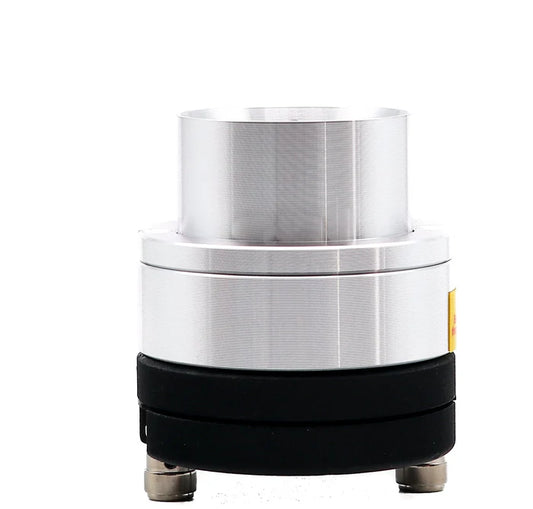 Sold out
American Bass SQ 05T Tweeters
Vendor:American BassRegular price $88.63 USDRegular price -
American Bass SQ T1 Tweeters
Vendor:American BassRegular price $14.78 USDRegular price -

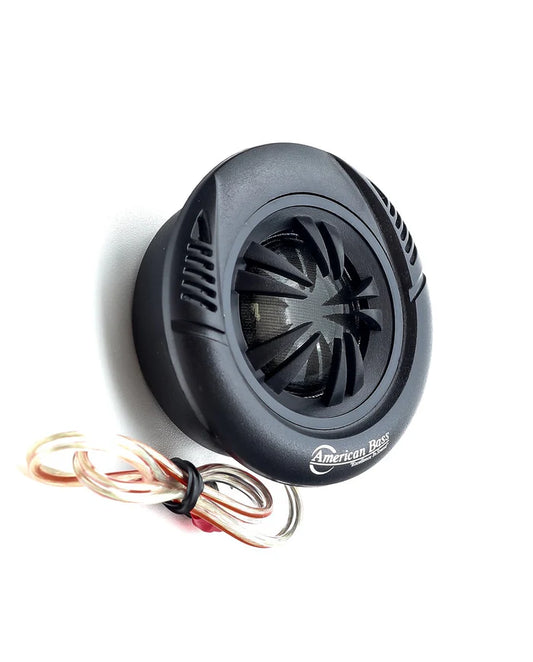 Sold out
American Bass SQ T2 Tweeters
Vendor:American BassRegular price $42.13 USDRegular price -
American Bass Symphony 2.5" Speakers Component
Vendor:American BassRegular price $58.99 USDRegular price -
Audio Ace Diamond 1.1" Tweeters (Pair) – 100W RMS Titanium Neo Tweeters
Vendor:Audio AceRegular price $59.00 USDRegular price -
Audio Ace Diamond 1.2" Tweeters (Pair) – 100W RMS 4 Ohm Neodymium
Vendor:Audio AceRegular price $79.00 USDRegular price -
GaleForce Audio T25 Super Tweeter – Titanium Diaphragm – Sold Each
Vendor:GaleForce AudioRegular price $65.00 USDRegular price -


NXL 3.8” Marine Water-Resistant Super Bullet Tweeter with 1” Aluminum Voice Coil | 120W RMS 4-Ohm
Vendor:DS18Regular price $89.95 USDRegular price -
Prodigy Audio NB-BT1 BT1 Super Tweeter Pair 4 Ohm
Vendor:Prodigy AudioRegular price $116.99 USDRegular price$137.99 USDSale price $116.99 USDSold out -
Resilient Sounds EST-1 1" Neo Tweeter – 30W RMS 4 Ohm (Single)
Vendor:Resilient SoundsRegular price $89.99 USDRegular price -
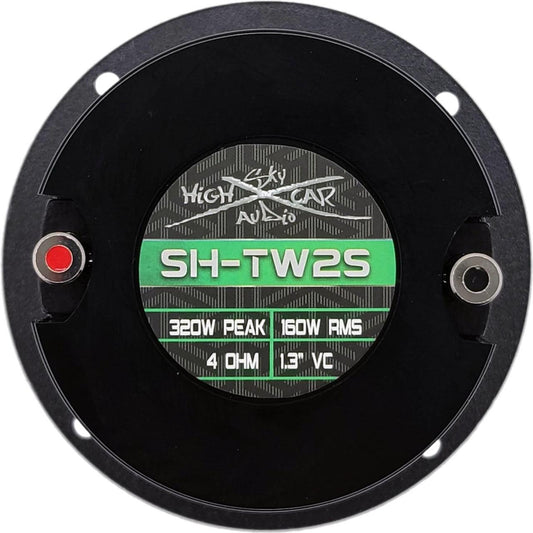
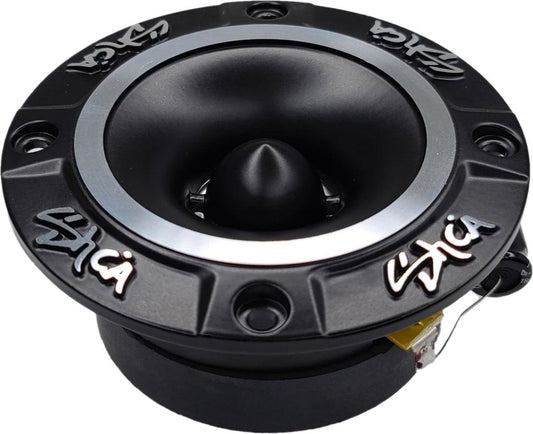
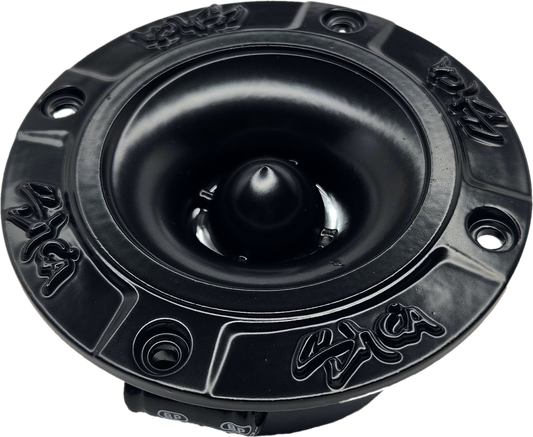
SHCA - Pro Audio TW2S Neo 1.3" VC Bullet Tweeter 4 ohm (Single Speaker)
Vendor:Sky High Car AudioRegular price $59.95 USDRegular price -
SHCA - PRO TW1 Pro Audio Mini Bullet Tweeter 1" VC 4 ohm (Pair)
Vendor:Sky High Car AudioRegular price $30.99 USDRegular price -
SHCA - PRO TW1B Mini Bullet Tweeters 1" VC 4 ohm
Vendor:Sky High Car AudioRegular price $39.95 USDRegular price -
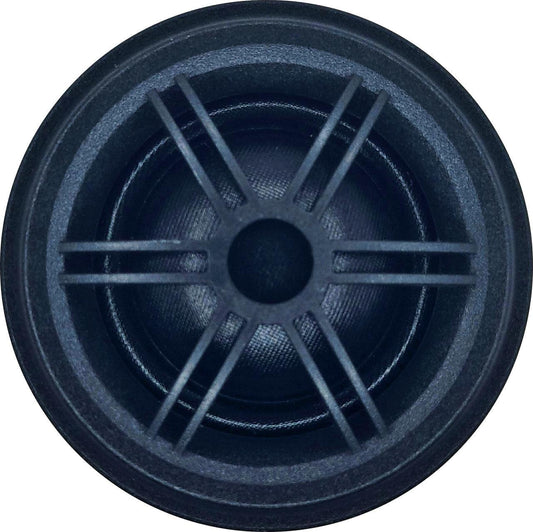
SHCA - TW1S Neo Silk Dome 1" VC Tweeter (Pair)
Vendor:Sky High Car AudioRegular price $55.95 USDRegular price -
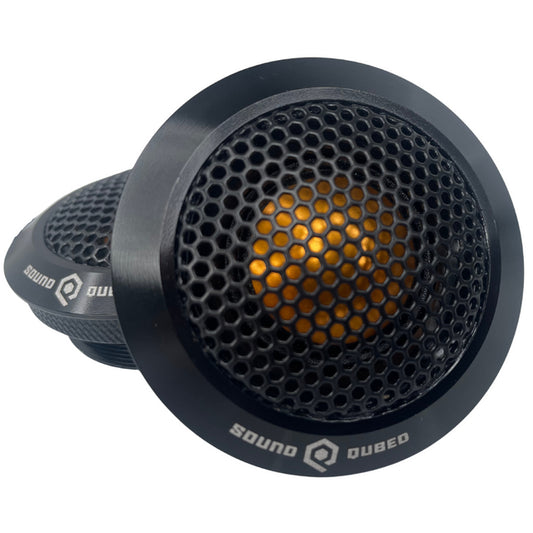
SoundQubed 3.8" HDS-PAT1 Q-Shaped Pro Audio Tweeter Pair
Vendor:SoundQubedRegular price $49.95 USDRegular price -
SoundQubed HDX Series Tweeter 2.25" Titanium Neo Tweeters Pair
Vendor:SoundQubedRegular price $119.95 USDRegular price
















-
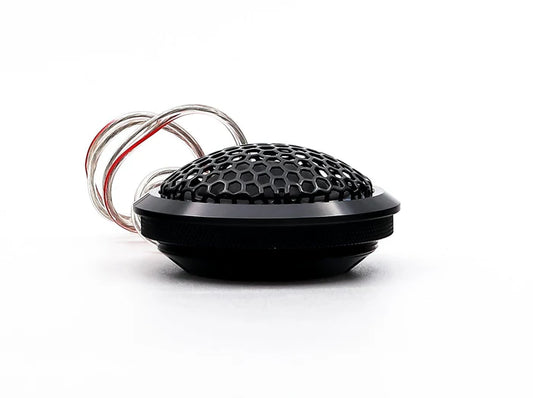
 American Bass SQ 05T TweetersAmerican Bass SQ 05T Tweeters Sold by AudioSellerz.com Shop the American Bass SQ 05T Tweeters when comparing a Americ...$88.63
 -
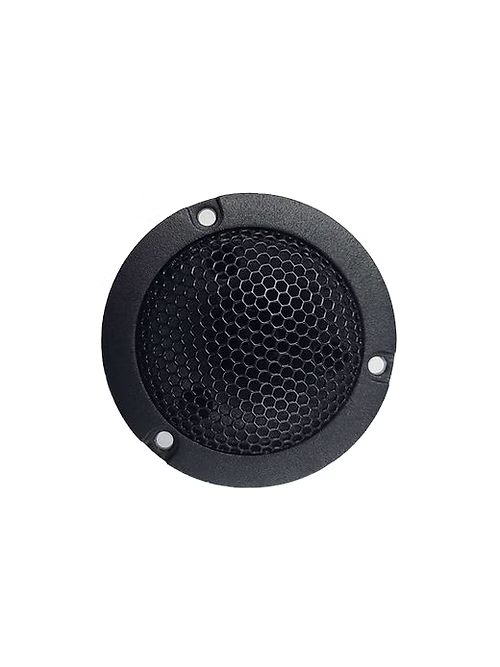
 American Bass SQ T1 TweetersAmerican Bass SQ T1 Tweeters Sold by AudioSellerz.com Shop the American Bass SQ T1 Tweeters when comparing a American...$14.78
 -
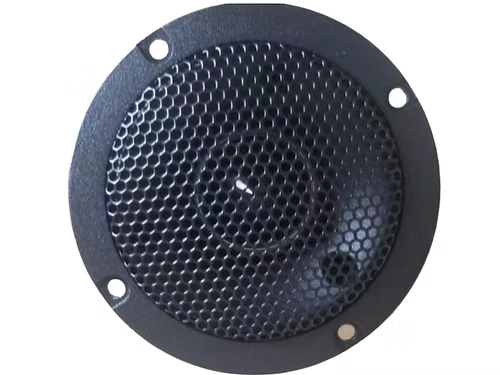
 American Bass SQ T2 TweetersAmerican Bass SQ T2 Tweeters Sold by AudioSellerz.com The American Bass SQ T2 Tweeters is a American Bass car audio t...$42.13
 -
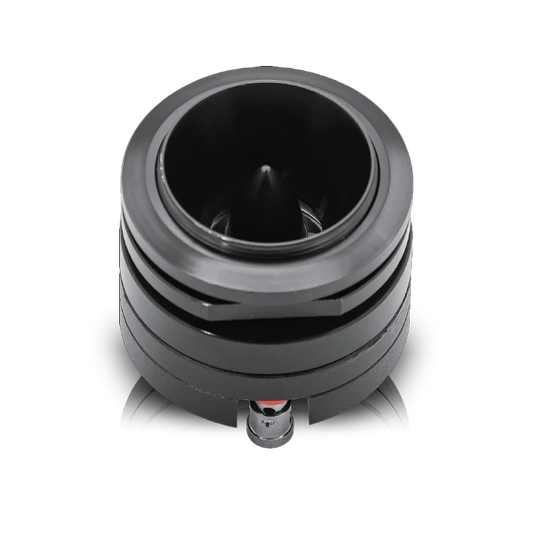
 American Bass Symphony 2.5" Speakers ComponentAmerican Bass Symphony 2.5" Speakers Component Sold by AudioSellerz.com Build around accurate product information wit...$58.99
 -
 Audio Ace Diamond 1.1" Tweeters (Pair) – 100W RMS Titanium Neo TweetersAudio Ace Diamond 1.1" Tweeters (Pair) – 100W RMS Titanium Neo TweetersSold by AudioSellerz.com The Audio Ace Diamond...$59.00
 -
 Audio Ace Diamond 1.2" Tweeters (Pair) – 100W RMS 4 Ohm NeodymiumAudio Ace Diamond 1.2" Tweeters (Pair) – 100W RMS 4 Ohm NeodymiumSold by AudioSellerz.com The Audio Ace Diamond 1.2 t...$79.00
 -
 GaleForce Audio T25 Super Tweeter – Titanium Diaphragm – Sold EachGaleForce Audio T25 Super Tweeter – Titanium Diaphragm – Sold Each Sold by AudioSellerz.com the GaleForce Audio T25 S...$65.00
 -
 NXL 3.8” Marine Water-Resistant Super Bullet Tweeter with 1” Aluminum Voice Coil | 120W RMS 4-OhmNXL 3.8” Marine Water-Resistant Super Bullet Tweeter with 1” Aluminum Voice Coil | 120W RMS 4-Ohm Sold by AudioSeller...$89.95
 -
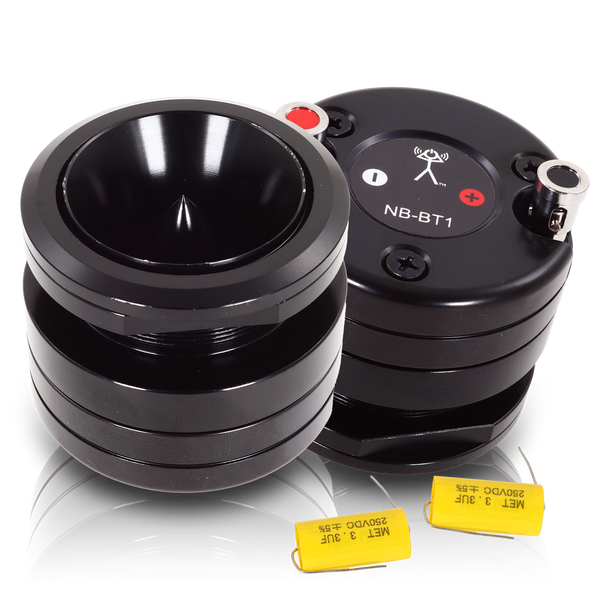 Prodigy Audio NB-BT1 BT1 Super Tweeter Pair 4 OhmProdigy Audio NB-BT1 BT1 Super Tweeter Pair 4 Ohm Sold by AudioSellerz.com The Prodigy Audio NB-BT1 BT1 Super Tweeter...$116.99
$137.99 -
 Resilient Sounds EST-1 1" Neo Tweeter – 30W RMS 4 Ohm (Single)Resilient Sounds EST-1 1" Neo Tweeter – 30W RMS 4 Ohm (Single)Sold by AudioSellerz.com The Resilient Sounds EST-1 is ...$89.99
 -
 SHCA - Pro Audio TW2S Neo 1.3" VC Bullet Tweeter 4 ohm (Single Speaker)Sky High Car Audio SH-TW2S 1.3” VC Super Bullet Tweeter – 320 Watts Peak, 4 OhmSold by Audiosellerz.com Key Features:...$59.95
 -
 SHCA - PRO TW1 Pro Audio Mini Bullet Tweeter 1" VC 4 ohm (Pair)Sky High Car Audio SH-PROTW1 1” Pro Audio Tweeter Sold by AudioSellerz.com Professional-Grade High Frequencies The Sk...$30.99
 -
 SHCA - PRO TW1B Mini Bullet Tweeters 1" VC 4 ohmSold by Audiosellerz.com Introducing the Sky High Car Audio SH-PRO TW1B, a high-output bullet tweeter engineered for ...$39.95
 -
 SHCA - TW1S Neo Silk Dome 1" VC Tweeter (Pair)Sky High Car Audio SH-TW1S 1.18" TweeterSold by Audiosellerz.com The Sky High Car Audio SH-TW1S 1.18" Tweeter is craf...$55.95
 -
 SoundQubed 3.8" HDS-PAT1 Q-Shaped Pro Audio Tweeter PairSoundQubed 3.8" HDS-PAT1 Q-Shaped Pro Audio Tweeter Pair Sold by AudioSellerz.com The SoundQubed 3.8" HDS-PAT1 Q-Shap...$49.95
 -
 SoundQubed HDX Series Tweeter 2.25" Titanium Neo Tweeters PairSoundQubed HDX Series Tweeter 2.25" Titanium Neo Tweeters Pair Sold by AudioSellerz.com The SoundQubed HDX Series Twe...$119.95


Tweeters
Sold by AudioSellerz.com
Shop car audio tweeters and tweeter speakers for daily drivers, factory speaker upgrades, custom doors, motorcycles, powersports systems, demo vehicles and high-output mids-and-highs builds. Tweeters reproduce the upper frequencies that give music detail, clarity, presence and top-end definition.
Audio Sellerz carries silk dome tweeters, titanium tweeters, bullet tweeters, super tweeters, dash tweeters, surface-mount and flush-mount options, plus high-output tweeter speakers designed to keep up with serious car audio systems.
Shop All Car Audio Speakers | Shop Midrange Speakers | Shop Midbass Speakers | Shop Horns
What Is a Tweeter Speaker?
A tweeter speaker is designed to reproduce high-frequency sound. In a complete car audio system, subwoofers handle deep bass, midbass speakers provide punch, midrange speakers reproduce much of the vocal and instrument range, and tweeters handle the upper frequencies.
Tweeters help reproduce:
- Cymbals and percussion
- Upper vocal detail
- Guitar and instrument detail
- High-frequency clarity
- Soundstage information
- Top-end presence
- The small details that make music sound more complete
If a system has plenty of bass and strong mids but still sounds dull or buried on top, the tweeter section may need attention.
Car Audio Tweeters
Car audio tweeters can be used in everything from simple factory-speaker upgrades to extremely loud custom systems.
Common installation locations include:
- Dash locations
- A-pillars
- Front doors
- Factory sail panels
- Kick panels
- Custom door panels
- Speaker pods
- Motorcycle fairings
- Powersports systems
The correct tweeter depends on the sound goal, available mounting space, amplifier power, impedance, crossover requirements and how loudly the rest of the speaker system plays.
Best Tweeters for Car Audio
The best tweeters for car audio are the ones that match the rest of the system.
A smooth daily-driver system may need a very different tweeter than a motorcycle, custom-door or demo build.
When comparing tweeters, look at:
- RMS power handling
- Impedance
- Sensitivity
- Diaphragm material
- Physical size
- Mounting depth
- Mounting style
- Recommended crossover range
- Available amplifier power
- The output of your midrange speakers
Do not choose a tweeter simply because it has the highest advertised wattage or because it is physically larger.
Super Tweeters
Super tweeters are high-output tweeters designed for systems where strong high-frequency projection is a priority.
They are commonly used in:
- Loud custom doors
- Demo vehicles
- Motorcycles
- Side-by-sides
- Open-air systems
- High-output mids-and-highs builds
- Competition-style systems
A super tweeter is generally a better fit for a loud system than a factory-style replacement when maximum projection and efficiency are major goals.
For example, Audio Sellerz currently carries the GaleForce Audio T25 Super Tweeter as one high-output option.
Bullet Tweeters
Bullet tweeters are common in pro-audio-style car audio systems because they are designed for strong high-frequency output and projection.
Customers may also search for:
- Super bullet tweeters
- Car audio bullet tweeters
- Bullet tweeter speakers
- High-output bullet tweeters
- Mini bullet tweeters
Bullet tweeters are often paired with midrange and midbass drivers in custom doors or speaker pods.
The Sky High Car Audio PROTW1B Mini Bullet Tweeters are one current option for customers building this type of system.
Silk Dome Tweeters
Silk dome tweeters are commonly chosen when the goal is smooth, detailed high-frequency sound.
They can work particularly well in:
- Daily-driver systems
- Front-stage upgrades
- Component-style systems
- Dash or pillar installations
- Builds where smooth top-end response matters more than maximum projection
Audio Sellerz currently carries the Sky High Car Audio TW1S Neo Silk Dome Tweeter Pair.
Titanium Tweeters
Titanium tweeters are commonly used when strong output, crisp high-frequency response and durability are priorities.
Titanium diaphragm designs are often found in:
- High-output car audio tweeters
- Bullet tweeters
- Super tweeters
- Motorcycle audio
- Custom mids-and-highs systems
The material alone does not determine whether a tweeter will sound good in your system. Crossover settings, mounting, amplifier power and how the tweeter blends with the midrange are just as important.
The Audio Ace Diamond 1.1-inch Titanium Neo Tweeters are one current titanium option available through Audio Sellerz.
Dash Tweeters & Dashboard Tweeters
Dash tweeters and dashboard tweeters place high-frequency sound closer to windshield or ear level.
This can help:
- Raise the perceived soundstage
- Bring vocals and detail forward
- Improve factory-style speaker upgrades
- Make high frequencies easier to hear from the front seats
Audio Sellerz is already performing well for dashboard and dash tweeter searches, so this remains an important part of the collection.
Before replacing a factory dash tweeter, verify its size, impedance, mounting arrangement and whether the vehicle uses a factory crossover or premium amplifier.
Surface Mount Tweeters
Surface mount tweeters mount on top of a panel instead of requiring the complete tweeter body to be recessed into it.
This can be useful when:
- You do not want to cut a large mounting hole
- The panel has limited depth behind it
- You want to experiment with tweeter placement
- You are building a custom dash or speaker pod
Tweeter aiming can affect how much high-frequency output reaches the listening position, so placement matters as much as appearance.
Flush Mount Tweeters
Flush mount tweeters install into a panel so the finished installation looks more integrated.
Flush mounting can work well in:
- A-pillars
- Door panels
- Factory sail panels
- Custom dash locations
- Custom speaker pods
Measure the depth behind the panel before cutting. Tweeter diameter alone does not tell you how much installation clearance is required.
1 Inch Tweeters
1 inch tweeters are popular because they can provide useful high-frequency output from a relatively compact package.
They can be used in:
- Factory-style locations
- A-pillars
- Dash locations
- Custom doors
- Speaker pods
- Component-style systems
Audio Sellerz currently carries several approximately 1-inch tweeter designs across multiple brands.
2 Inch Tweeters
2 inch tweeters and other larger high-frequency drivers are often used when output and projection are higher priorities.
Customers may search for:
- 2 inch tweeters
- 2-inch car audio tweeters
- 2 inch bullet tweeters
- 2 inch super tweeters
Speaker size does not tell you everything about output. Compare sensitivity, RMS rating, diaphragm design and the intended frequency range.
2.25 & 2.5 Inch Tweeters
Larger tweeter and high-frequency driver formats are also used in custom audio systems.
Audio Sellerz currently carries the SoundQubed HDX Series 2.25-inch Titanium Neo Tweeter Pair.
Products in the 2-to-2.5-inch range may have very different mounting and crossover requirements, so compare the exact specifications rather than shopping by diameter alone.
2 Ohm Tweeters
2 ohm tweeters can be useful in certain amplifier and speaker configurations, but impedance needs to be planned before wiring.
A lower speaker impedance can increase amplifier current demand and may change the amount of power the amplifier produces.
Before connecting multiple tweeters, determine:
- Impedance of each tweeter
- Number of tweeters per channel
- Series or parallel wiring
- Final amplifier load
- Minimum safe amplifier impedance
- Required crossover protection
Do not assume an amplifier can safely handle the resulting load simply because the tweeters themselves are small.
4 Ohm Tweeters
4 ohm tweeters are common in aftermarket car audio and can be used in a wide range of speaker-system layouts.
Audio Sellerz currently carries several 4-ohm options, including the Audio Ace Diamond 1.2-inch 4-ohm Neodymium Tweeter Pair and the Resilient Sounds EST-1 1-inch Neo Tweeter.
The correct wiring still depends on how many tweeters will share each amplifier channel.
Tweeter Amplifiers & Amps for Tweeters
Many aftermarket tweeters perform best when they receive clean amplifier power.
An amplifier for tweeters needs to provide appropriate RMS power while also giving you enough crossover control to protect the high-frequency drivers.
A tweeter amp does not have to be an amplifier made only for tweeters. Many systems use a full-range multi-channel amplifier to power tweeters, midrange speakers or other mids-and-highs drivers.
A 4 channel amplifier is one of the most common choices when several speaker channels need dedicated power.
Do Tweeters Need an Amplifier?
Not every tweeter requires its own amplifier channel.
A basic speaker system may use tweeters through passive crossovers or as part of a component speaker system.
Louder systems often use dedicated amplifier power because the tweeters need enough output to keep up with the mids, midbass and subwoofers.
Amplifier power can help a tweeter play louder and cleaner, but only when:
- The RMS power is appropriate
- The final impedance is safe
- Gain is set correctly
- The crossover protects the tweeter
- The amplifier is receiving a clean signal
Tweeter Crossover Settings
Crossover protection is critical for tweeters.
Tweeters are not designed to reproduce deep bass or most midrange frequencies. Sending frequencies that are too low can cause excessive heat or mechanical stress and damage the tweeter.
The correct high-pass point depends on the exact tweeter.
Use the manufacturer's specifications as your starting point instead of assuming one crossover frequency works for every tweeter.
For more help, read our car audio speaker tuning guide for midrange, midbass and tweeters.
How to Match Tweeters to an Amplifier
When matching tweeters and amplifier channels, consider:
- Tweeter RMS rating
- Tweeter impedance
- Number of tweeters
- Number wired to each channel
- Final impedance per channel
- Amplifier RMS output
- High-pass crossover capability
More amplifier power does not automatically mean more safe tweeter output.
Clean signal, correct gain and crossover protection matter.
Use our amp gain guide for subs, mids and highs when setting the system up.
Tweeters With Midrange Speakers
Tweeters and midrange speakers are commonly used together.
The midrange handles most vocals and instruments while the tweeter extends the system into the highest frequencies.
The crossover between the two should be planned so they blend smoothly instead of creating a large overlap or missing section in the frequency response.
Tweeters With Midbass Speakers
A larger speaker system may also use midbass speakers.
A complete system can divide the music approximately by job:
- Subwoofer: deep bass
- Midbass: punch and upper-bass impact
- Midrange: vocals and instruments
- Tweeter: high-frequency detail
Each section needs appropriate amplifier power and crossover settings so the entire speaker system works together.
Tweeters vs Horns
Tweeters and horns can both reproduce high-frequency information, but they are not automatically interchangeable.
Tweeters are commonly used for top-end clarity and detail.
Car audio horns are often chosen when stronger projection is needed in large, loud or open-air systems.
A high-output build may use both, but adding more high-frequency devices without proper crossover and level matching can make the system harsh rather than better.
Tweeters for Loud Car Audio Builds
Large subwoofer systems often require much more output from the mids and highs to remain balanced.
A loud tweeter system may include:
- Multiple bullet tweeters
- Super tweeters
- High-output midrange speakers
- Midbass speakers
- Full-range amplifiers
- DSP or crossover control
The speaker count should be planned around impedance and amplifier capability rather than simply adding as many tweeters as possible.
Tweeters for Motorcycles & Powersports
Motorcycles, side-by-sides and other open-air systems need strong high-frequency projection because the audio system competes with wind, road and engine noise.
Super tweeters and bullet-style tweeters are common in these applications, but environmental suitability matters too.
Only use a tweeter in an exposed location when the exact product is designed for the expected moisture and weather conditions.
Water-Resistant & Marine Tweeters
Water-resistant tweeters can be useful for motorcycles, boats, powersports systems and other installations that may encounter moisture.
Do not assume every tweeter in this collection is waterproof or marine rated.
Always verify the individual product's environmental rating before installing it where water or spray is expected.
Replacing Factory Car Tweeters
Replacing factory tweeters can improve high-frequency clarity, but factory audio systems can be more complicated than they appear.
Before replacing a factory tweeter, check:
- Factory tweeter impedance
- Physical size
- Mounting depth
- Factory crossover arrangement
- Whether a premium factory amplifier is used
- Whether the factory signal is actively filtered
A standard aftermarket tweeter is not automatically a direct electrical replacement for every OEM tweeter.
Where Should Car Tweeters Be Mounted?
Tweeter location affects imaging, soundstage and perceived brightness.
Common locations include:
- A-pillars
- Dash corners
- Factory sail panels
- Upper door panels
- Custom speaker pods
Higher mounting can help raise the soundstage, but orientation and distance to the listener also matter.
If possible, test positioning before permanently cutting a panel.
Common Tweeter Problems
If a tweeter sounds harsh, weak or stops playing, check the system before assuming the speaker itself is defective.
Common causes include:
- Incorrect crossover settings
- Gain set too high
- Clipped amplifier signal
- Incorrect impedance
- Loose speaker wiring
- Failed passive crossover component
- Damaged amplifier channel
- Incorrect polarity
Tweeters are particularly sensitive to being sent frequencies below the range they were designed to reproduce.
Choosing Between Daily-Driver and High-Output Tweeters
For a clean daily driver: prioritize smooth sound, mounting flexibility and how well the tweeter blends with the door speakers.
For a loud custom-door system: prioritize sensitivity, output, amplifier matching and crossover capability.
For motorcycles or powersports: consider projection, physical mounting and environmental suitability.
For a demo or competition-style system: plan tweeter quantity, impedance, amplifier power and the output of the midrange and midbass sections together.
Current Tweeter Options at Audio Sellerz
The current collection includes several different approaches to high-frequency reproduction.
For a smoother daily-driver direction, compare the Sky High Car Audio TW1S Silk Dome Tweeters.
For a compact high-output bullet design, compare the Sky High PROTW1B Mini Bullet Tweeters.
For larger pro-audio-style high-frequency output, compare the SoundQubed HDS-PAT1 Pro Audio Tweeter Pair.
For a titanium neo option, compare the Audio Ace Diamond 1.1-inch Tweeter Pair.
Why Buy Tweeters From Audio Sellerz?
Audio Sellerz is a real car audio shop operated by people who install, tune and use the equipment we sell.
Owner Aaron Bryant has been involved in car audio since 2008 and has experience with daily-driver speaker systems, custom doors, motorcycles, high-output mids and highs, demo vehicles and competition-level car audio.
Choosing tweeters involves more than picking the loudest product.
We look at:
- Speaker system design
- RMS power
- Impedance
- Sensitivity
- Mounting location
- Crossover requirements
- Amplifier matching
- Midrange and midbass output
- Daily versus high-output use
Need help choosing tweeters? Use the live chat bubble on AudioSellerz.com and tell us what speakers and amplifier you already have.
Tweeter Speaker FAQ
What is a tweeter speaker?
A tweeter is a high-frequency speaker designed to reproduce the upper portion of the audio spectrum.
What do tweeters do in a car?
Tweeters reproduce high-frequency detail such as cymbals, upper vocals and instrument detail and can help raise and clarify the front soundstage.
What are the best tweeters for car audio?
The best tweeter depends on the vehicle, mounting location, amplifier power, desired output and the rest of the speaker system.
What is a super tweeter?
A super tweeter is a high-output tweeter commonly used when strong projection and top-end output are priorities.
What is a bullet tweeter?
A bullet tweeter is a high-output tweeter design commonly used in pro-audio-style car systems, custom doors, motorcycles and demo builds.
Are silk dome tweeters good?
Silk dome tweeters are commonly chosen for smooth high-frequency reproduction and can work well in daily-driver and sound-quality-focused systems.
Are titanium tweeters good?
Titanium tweeters are popular in systems where strong output and crisp high-frequency response are priorities. The final sound still depends on the complete system and tuning.
Do tweeters need an amplifier?
Not always. Some are used through passive crossovers or factory-style systems, while high-output tweeters often benefit from properly matched amplifier power.
Can I connect tweeters directly to an amplifier?
Only when the amplifier, impedance and crossover arrangement are appropriate. Tweeters must be protected from frequencies below their usable range.
What crossover should I use for tweeters?
Use the manufacturer's recommended frequency range as the starting point. There is no single crossover frequency that is correct for every tweeter.
What is the difference between tweeters and midrange speakers?
Midrange speakers reproduce much of the vocal and instrument range. Tweeters reproduce the highest frequencies and add top-end detail.
What is the difference between a tweeter and a horn?
Both can reproduce high frequencies, but horns are often used when stronger projection is required. The correct choice depends on the system and application.
Where should tweeters be mounted in a car?
Common locations include A-pillars, dash corners, sail panels, upper doors and custom pods. Placement affects imaging and perceived high-frequency output.
Can Audio Sellerz help me choose tweeters?
Yes. Use our live chat and provide your current speakers, amplifier, mounting location and system goals.
Helpful Tweeter & Speaker Guides
- Full Range vs Midrange vs Midbass vs Tweeters
- Car Audio Speaker Tuning Guide
- How to Set Amp Gain for Subs, Mids & Highs
- How to Pick the Right Car Audio System
- Car Audio Wire Gauge & Fuse Guide
Shop Car Audio Tweeters at AudioSellerz.com
Shop car audio tweeters, tweeter speakers, super tweeters, bullet tweeters, silk dome tweeters, titanium tweeters, dash tweeters, surface-mount tweeters and high-output tweeter speakers at AudioSellerz.com.
Shop All Speakers | Shop Midrange | Shop Midbass | Shop Horns | Shop Speaker Amplifiers
Have a question before ordering? Use the live chat bubble on AudioSellerz.com and tell us what speakers, amplifier and tweeter locations you are working with.
Follow Audio Sellerz
Follow Audio Sellerz for tweeter installs, custom doors, mids-and-highs systems, motorcycles, amplifier builds, tuning tips and new products: