Hi-Lo Converters
-
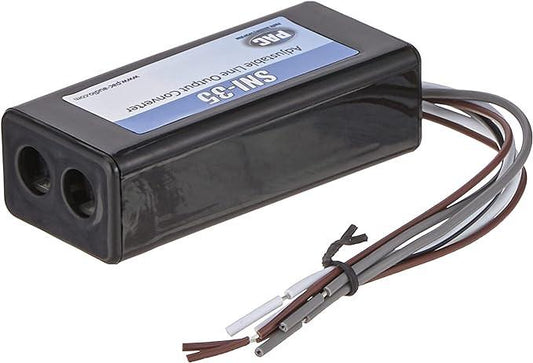
PAC SNI-35 Variable LOC Line Out Converter
Vendor:PacRegular price $14.99 USDRegular price -
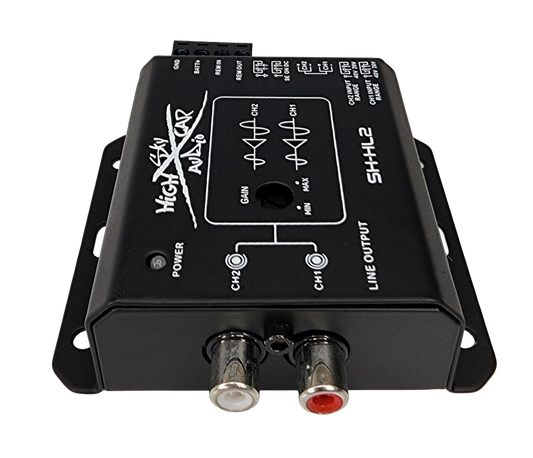
Sky High Car Audio HL 2 -2 Channel Hi To Low Converter
Vendor:Sky High Car AudioRegular price $56.95 USDRegular price -
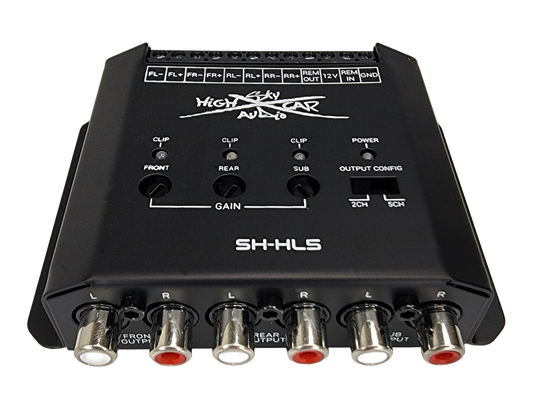
Sky High Car Audio 5 Channel Hi To Low Converter SH-HL5
Vendor:Sky High Car AudioRegular price $72.49 USDRegular price -
SoundQubed Q-LOC5 Active 5-Channel Line Out Converter
Vendor:SoundQubedRegular price $99.95 USDRegular price -
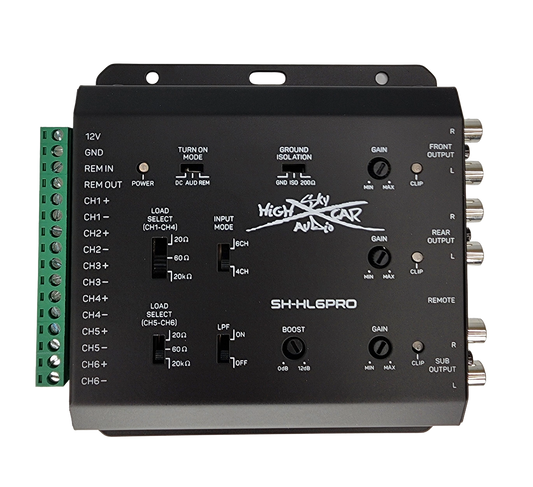
Sky High Car Audio SH-HL6PRO 6-Channel Hi to Low Converter with Remote Bass Control
Vendor:Sky High Car AudioRegular price $88.49 USDRegular price -
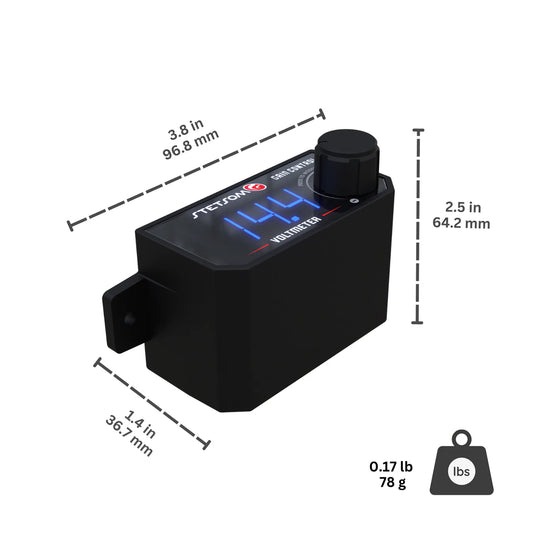
Stetsom 4-in-1 Universal Bass Knob Controller – Gain Control, Voltmeter, Amplifier On/Off, High to RCA Converter
Vendor:StetsomRegular price $39.99 USDRegular price -
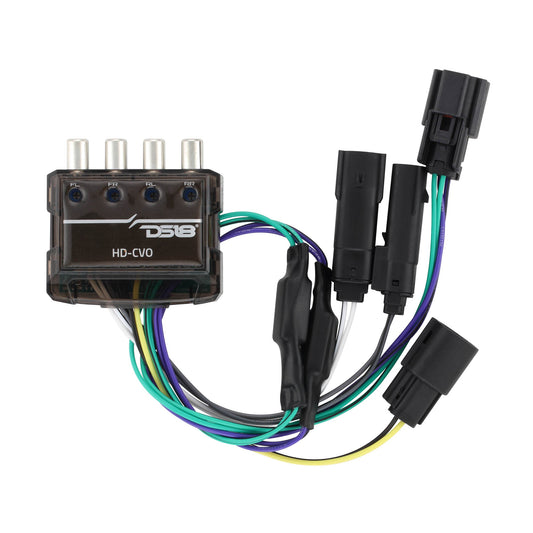
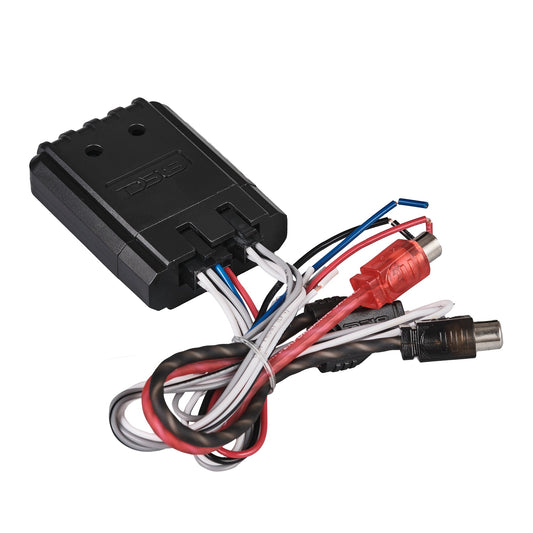
Harley-Davidson 4-Channel Plug-and-Play Line Output Converter Kit for CVO & Ultra Touring Models 2023+
Vendor:DS18Regular price $199.95 USDRegular price -
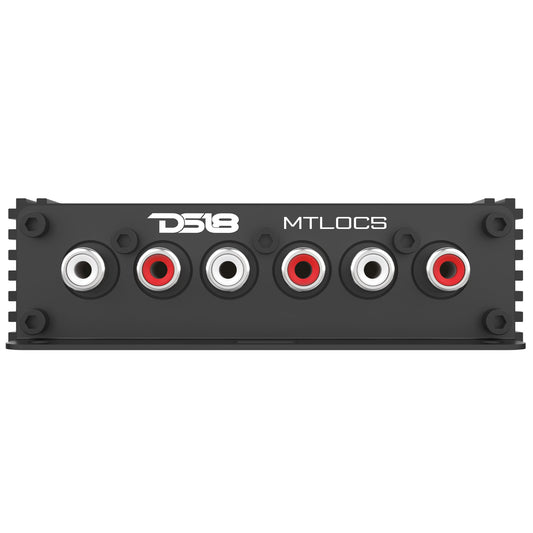
5-Channel High-to-Low Level Line Output Converter with Remote Turn-On
Vendor:DS18Regular price $99.95 USDRegular price -
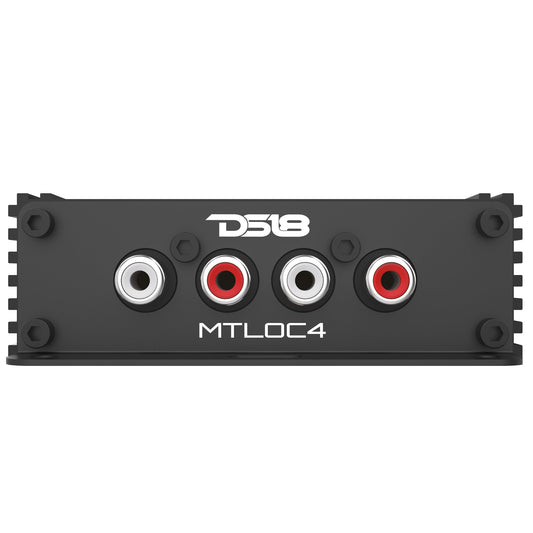
4-Channel High-to-Low Level Line Output Converter with Remote Turn-On
Vendor:DS18Regular price $89.95 USDRegular price -
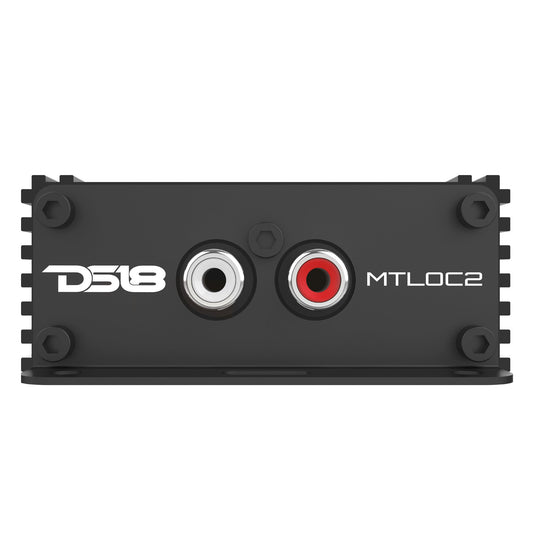
2-Channel High-to-Low Level Line Output Converter with Remote Turn-On
Vendor:DS18Regular price $74.95 USDRegular price -
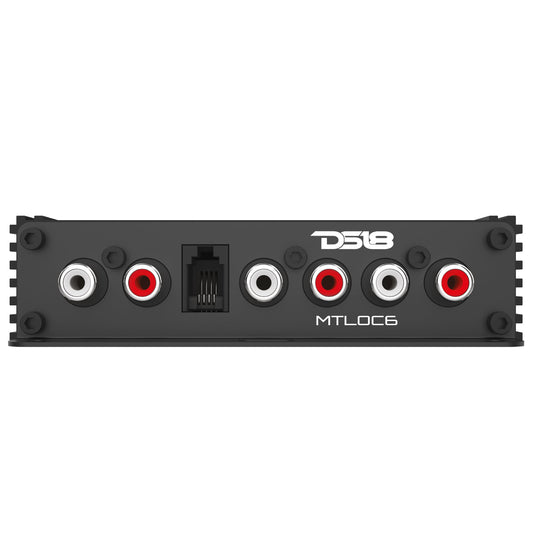
6-Channel High-to-Low Level Line Output Converter with Remote Turn-On
Vendor:DS18Regular price $124.95 USDRegular price -
2 Channel Line Output Converter with Auto Turn-On and Speaker Emulator
Vendor:DS18Regular price $35.95 USDRegular price -
4 Channel Line Output Converter with Auto Turn-On and Speaker Emulator
Vendor:DS18Regular price $53.95 USDRegular price -
4-Channel Lossless Audio Line Output Converter with Auto Turn-On And Speaker Emulator
Vendor:DS18Regular price $149.95 USDRegular price -
2-Channel Lossless Audio Line Output Converter with Auto Turn-On And Speaker Emulator
Vendor:DS18Regular price $119.95 USDRegular price -
Digital Bass Processor with Hi to Low Signal Converter & Speaker Emulator
Vendor:DS18Regular price $179.95 USDRegular price -
Digital Bass Processor with Hi to Low Signal Converter & Speaker Emulator – Mexico Design
Vendor:DS18Regular price $179.95 USDRegular price$239.95 USDSale price $179.95 USDSale -
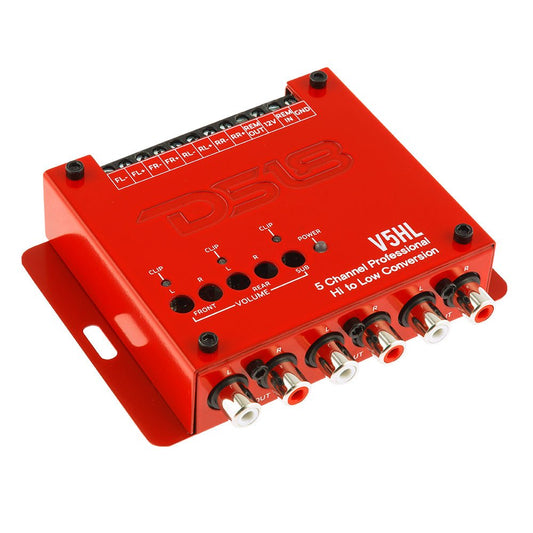
Hi/Lo Converter 5-Channel with 12 Volt Trigger Output (Remote out)
Vendor:DS18Regular price $80.95 USDRegular price -
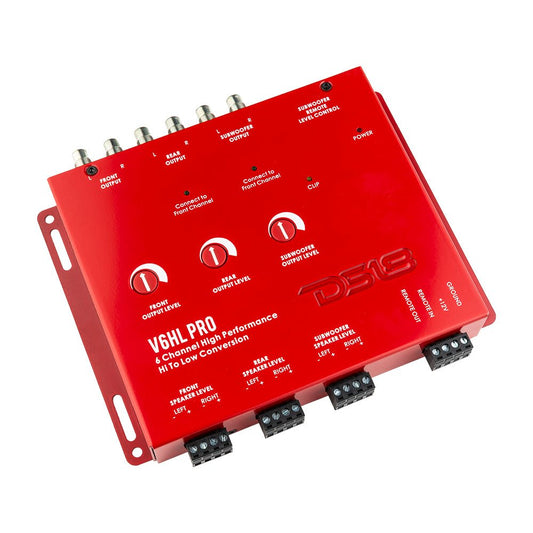
Hi/Lo Converter 6-Channel with 12 Volt Trigger Output (Remote out)
Vendor:DS18Regular price $215.95 USDRegular price -
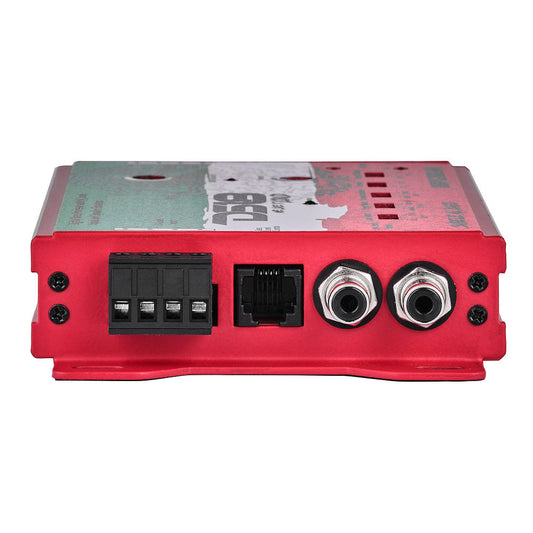
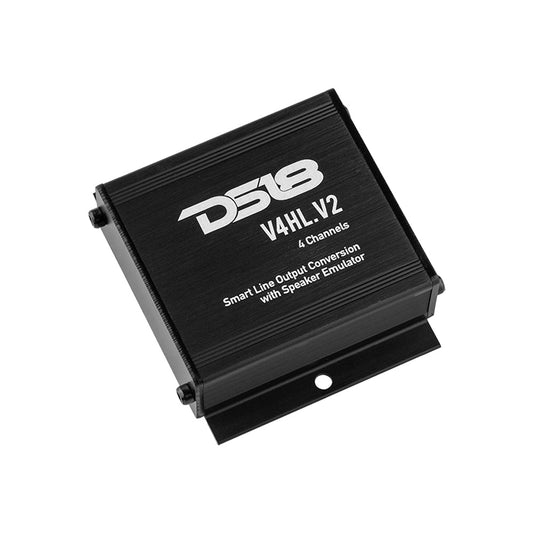
Hi/Lo Converter 4-Channel with Speaker Emulator (Remote out)
Vendor:DS18Regular price $71.95 USDRegular price -
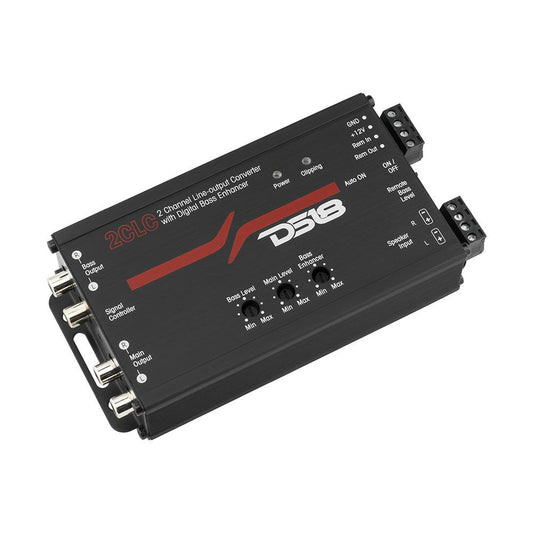
2-Channel Line Output Converter with Digital Bass Enhancer
Vendor:DS18Regular price $119.95 USDRegular price -
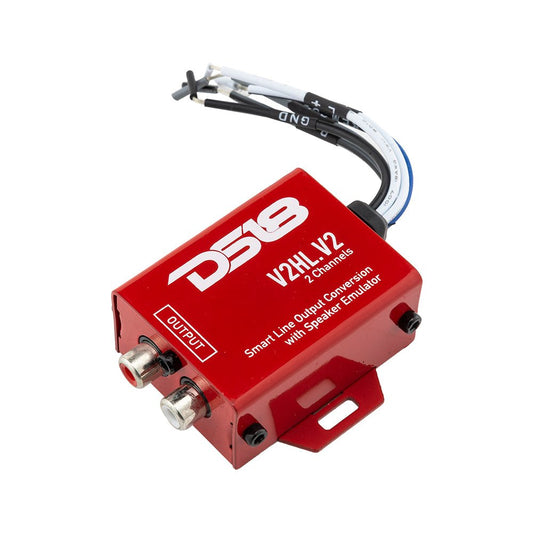
2-Channel Line Output Converter with Speaker Emulator (Remote out)
Vendor:DS18Regular price $29.95 USDRegular price













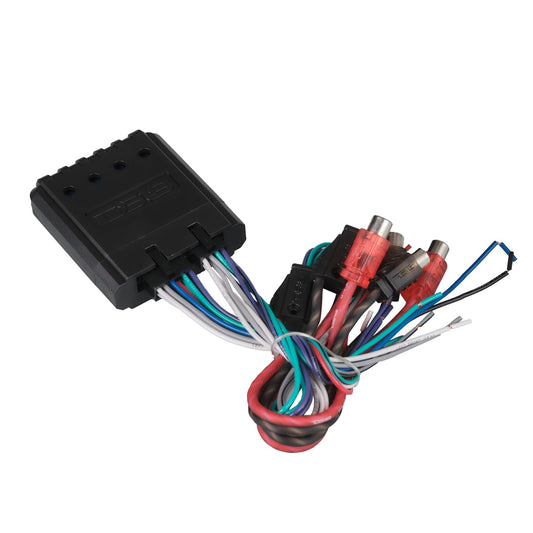

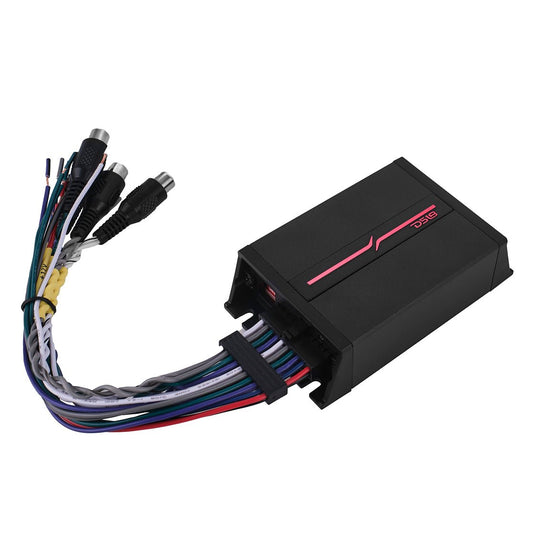

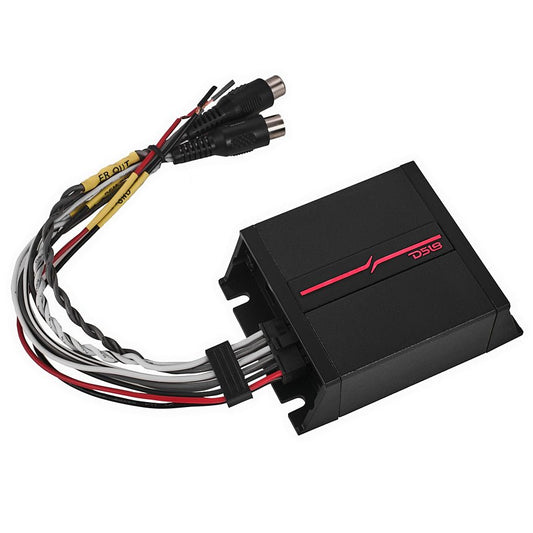

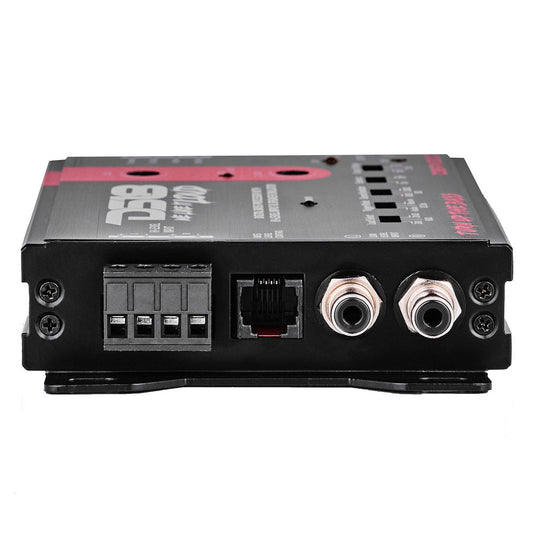






-
 PAC SNI-35 Variable LOC Line Out ConverterADJUSTABLE LINE OUTPUT CONVERTER 50 WATTS MAXIMUM INPUT PER CHANNEL LINEAR 20 TO 20,000HZ OUTPUT BASED ON INP...$14.99
 -
 Sky High Car Audio HL 2 -2 Channel Hi To Low ConverterSky High Car Audio SH-HL2 2-Channel Hi-Lo Converter Sold by AudioSellerz.com Seamless Integration for Aftermarket ...$56.95
 -
 Sky High Car Audio 5 Channel Hi To Low Converter SH-HL5Sky High Car Audio 5 Channel Hi To Low Converter – SH-HL5 Sold by AudioSellerz.com The Sky High Car Audio SH-HL5 5 ...$72.49
 -
 SoundQubed Q-LOC5 Active 5-Channel Line Out ConverterSoundQubed Q-LOC5 Active 5-Channel Line Out Converter Sold by AudioSellerz.com The SoundQubed Q-LOC5 Active 5-Channel...$99.95
 -
 Sky High Car Audio SH-HL6PRO 6-Channel Hi to Low Converter with Remote Bass ControlSky High Car Audio SH-HL6PRO 6-Channel Hi to Low Converter with Remote Bass Control Sold by AudioSellerz.com The Sk...$88.49
 -
 Stetsom 4-in-1 Universal Bass Knob Controller – Gain Control, Voltmeter, Amplifier On/Off, High to RCA ConverterStetsom 4-in-1 Universal Bass Knob Controller – Gain Control, Voltmeter, Amplifier On/Off, High to RCA Conv...$39.99
 -
 Harley-Davidson 4-Channel Plug-and-Play Line Output Converter Kit for CVO & Ultra Touring Models 2023+Harley-Davidson Plug And Play 4-Channel Line Output Converter Kit The RY-LOC.HD23UPCVO is DS18’s dedicated 4-channel ...$199.95
 -
 5-Channel High-to-Low Level Line Output Converter with Remote Turn-On5-Channel High-to-Low Level Line Output Converter with Remote Turn-On The MTLOC5 supports 2 or 5 channel factory inpu...$99.95
 -
 4-Channel High-to-Low Level Line Output Converter with Remote Turn-On4-Channel High-to-Low Level Line Output Converter with Remote Turn-On The MTLOC4 converts four factory speaker output...$89.95
 -
 2-Channel High-to-Low Level Line Output Converter with Remote Turn-On2-Channel High-to-Low Level Line Output Converter with Remote Turn-On DS18’s MTLOC2 converts 2-channel factory speake...$74.95
 -
 6-Channel High-to-Low Level Line Output Converter with Remote Turn-On6-Channel High-to-Low Level Line Output Converter with Remote Turn-On DS18’s MTLOC6 converts up to six factory speake...$124.95
 -
 2 Channel Line Output Converter with Auto Turn-On and Speaker EmulatorDS18 VX2HL 2 Channel Line Output Converter With Auto Turn-On and Speaker Emulator Unleash your car audio system’s ful...$35.95
 -
 4 Channel Line Output Converter with Auto Turn-On and Speaker EmulatorDS18 VX4HL4 Channel Line Output Converter With Auto Turn-On and Speaker Emulator Unlock the perfect audio experience ...$53.95
 -
 4-Channel Lossless Audio Line Output Converter with Auto Turn-On And Speaker Emulator4-Channel Lossless Audio Line Output Converter With Auto Turn-On And Speaker Emulator Upgrade your vehicle's sound sy...$149.95
 -
 2-Channel Lossless Audio Line Output Converter with Auto Turn-On And Speaker Emulator2-Channel Lossless Audio Line Output Converter With Auto Turn-On And Speaker Emulator Upgrade your vehicle's sound sy...$119.95
 -
 Digital Bass Processor with Hi to Low Signal Converter & Speaker EmulatorDS18 DBPX200 Digital Bass Processor With Hi to Low Signal Converter & Speaker Emulator DS18’s DBPX200 is a power...$179.95
 -
 Digital Bass Processor with Hi to Low Signal Converter & Speaker Emulator – Mexico DesignDS18 DBPX200.MX Digital Bass Processor With Hi To Low Signal Converter & Speaker Emulator – Mexico Design Upgrad...$179.95
$239.95 -
 Hi/Lo Converter 5-Channel with 12 Volt Trigger Output (Remote out)DS18 V5HL Hi/Lo Converter 5-Channel with 12 Volt Trigger Output (Remote out) Having the perfect tools to make you...$80.95
 -
 Hi/Lo Converter 6-Channel with 12 Volt Trigger Output (Remote out)DS18 V6HLPRO Hi/Lo Converter 6-Channel with 12 Volt Trigger Output (Remote out) Having the perfect tools to make y...$215.95
 -
 Hi/Lo Converter 4-Channel with Speaker Emulator (Remote out)DS18 V4HL.V2 Hi/Lo Converter 4-Channel with Speaker Emulator (Remote out) At DS18 our mission is to provide all users...$71.95
 -
 2-Channel Line Output Converter with Digital Bass EnhancerDS18 2CLC 2 Channel Line Output Converter with Digital Bass Enhancer DS18's two channel line output converter now com...$119.95
 -
 2-Channel Line Output Converter with Speaker Emulator (Remote out)DS18 V2HL.V2 2-Channel Line Output Converter with Speaker Emulator (Remote out) Most new vehicles use their factory h...$29.95


Hi-Lo Converters & Line Output Converters for Factory Radios
Sold by AudioSellerz.com
Shop hi-lo converters, line output converters and speaker-level-to-RCA converters for adding aftermarket amplifiers, subwoofers and upgraded speakers while keeping your vehicle’s factory radio.
A line output converter—often called an LOC, hi-lo converter, high-to-low converter or speaker-level converter—takes the amplified speaker signal from a factory stereo and converts it into the lower-level RCA signal used by many aftermarket amplifiers.
Audio Sellerz carries simple 2-channel LOCs for adding a subwoofer, 5-channel converters for complete speaker-and-subwoofer upgrades, 6-channel LOCs for larger multi-amplifier systems and active factory-radio integration products from brands including Sky High Car Audio, DS18, SoundQubed and PAC.
Shop RCA cables & interconnects | Shop car audio amplifiers | Shop amplifier wiring kits | Read our LOC buyer's guide
Which Line Output Converter Should You Buy?
The best line output converter for your car stereo depends on what you are adding to the factory system. Someone adding one monoblock amplifier for a subwoofer usually needs a very different LOC than someone adding front speakers, rear speakers, a subwoofer and multiple amplifiers.
Start by deciding how many channels you need, whether you need remote turn-on or speaker-emulation features, and whether the factory signal being tapped actually contains the frequencies your new amplifier needs.
Simple 2-Channel LOC: PAC SNI-35
For a straightforward factory-radio installation, the PAC SNI-35 Variable Line Output Converter is a simple option for converting a left and right speaker-level signal into an amplifier-friendly output.
The SNI-35 is transformer isolated, supports up to 50 watts of input per channel and is designed to work with most factory-installed radios. It can make sense when you are adding a basic subwoofer amplifier and do not need a large multi-channel integration processor.
2-Channel Sky High LOC: SH-HL2
If you are building around Sky High Car Audio equipment, the Sky High Car Audio SH-HL2 2-Channel Hi-Lo Converter is another option for adding an aftermarket amplifier while retaining the factory head unit.
It converts factory speaker-level outputs into RCA preamp outputs and is a natural fit for simple subwoofer additions and other two-channel factory-radio integration jobs.
5-Channel Factory Radio Upgrade: Sky High SH-HL5
If you are moving beyond a bass-only upgrade, the Sky High Car Audio SH-HL5 5-Channel Hi-Lo Converter gives you more signal channels for a complete system.
The SH-HL5 converts factory speaker-level signal into five channels of RCA-level output, making it a useful option for systems using front speakers, rear speakers and a dedicated subwoofer stage.
A 5-channel LOC can make sense when you are:
- Adding a 5-channel amplifier
- Amplifying front and rear speakers
- Adding a dedicated subwoofer amplifier
- Running more than one aftermarket amplifier
- Keeping the factory radio and factory screen
Advanced 6-Channel System: Sky High SH-HL6PRO
For a larger factory-radio system, the Sky High Car Audio SH-HL6PRO 6-Channel Hi-Lo Converter gives you six channels of speaker-level-to-RCA conversion plus an included remote bass-level control.
This type of LOC is a better fit for advanced systems with front, rear and subwoofer channels, active front stages or multiple aftermarket amplifiers.
The included bass control also lets you adjust the subwoofer level from the driver's seat instead of reaching the amplifier every time you want to make a change.
Active 5-Channel LOC: SoundQubed Q-LOC5
The SoundQubed Q-LOC5 Active 5-Channel Line Output Converter is another option for customers building a larger system from an OEM radio.
This active LOC can operate in 5-channel or 2-channel mode, giving you flexibility for anything from a bass addition to a more complete front, rear and subwoofer system.
What Is a Line Output Converter?
A line output converter connects an aftermarket amplifier to a factory radio that does not provide conventional RCA preamp outputs.
Most factory radios send an amplified speaker-level signal directly to the vehicle speakers. Many aftermarket amplifiers are designed around a lower-level RCA input.
The LOC sits between those two parts of the system:
Factory radio or factory amplifier → speaker wiring → line output converter → RCA cables → aftermarket amplifier → speakers or subwoofers
This allows you to keep the original radio, infotainment screen, steering-wheel controls, cameras, climate controls and other factory features while still adding aftermarket amplifier power.
Hi-Lo Converter vs Line Output Converter vs LOC
These names are commonly describing the same basic type of factory-radio integration device.
- Line output converter
- LOC
- Hi-lo converter
- High-to-low converter
- Speaker-level-to-RCA converter
- Factory radio amp converter
- Speaker-level converter
The important difference is not usually the name. The important differences are the number of channels, input capability, output level, adjustment features, remote turn-on capability, speaker-emulation features and the type of factory audio system you are connecting to.
2-Channel vs 5-Channel vs 6-Channel Line Output Converters
2-Channel Line Output Converter
A 2-channel line output converter uses one left and one right factory speaker signal and converts them into RCA-level output.
This is commonly the right place to start when you are:
- Adding one monoblock subwoofer amplifier
- Keeping all factory speakers
- Adding bass to an otherwise stock audio system
- Working with one usable left/right factory signal
If the goal is simply adding a subwoofer to the factory stereo, you often do not need a 5- or 6-channel LOC.
5-Channel Line Output Converter
A 5-channel line output converter is useful when the aftermarket system includes front speakers, rear speakers and a subwoofer stage.
This can pair naturally with a complete system upgrade where a single multi-channel amplifier or several amplifiers need separate RCA signals.
6-Channel Line Output Converter
A 6-channel line output converter gives you additional flexibility for multi-amplifier and full-system installations.
Six-channel LOCs can make sense for:
- Front speaker channels
- Rear speaker channels
- Subwoofer channels
- Multiple amplifiers
- Active speaker systems
- More complex OEM integration
More channels are not automatically better. Buy the converter that matches the system you are actually building.
Do You Need a Line Output Converter to Add a Subwoofer?
You may need a line output converter for a subwoofer when the vehicle's factory radio does not have RCA outputs and the aftermarket amplifier requires an RCA-level input.
A basic subwoofer addition may look like:
Factory radio → factory speaker signal → 2-channel LOC → RCA cable → monoblock amplifier → subwoofer
If you still need the amplifier, browse our monoblock car audio amplifiers.
If your amplifier already accepts high-level or speaker-level input, you may not need a separate LOC at all. Check the amplifier's input options before purchasing additional equipment.
Keeping the Factory Radio and Adding an Amplifier
Replacing a factory radio is not always practical anymore. Modern factory infotainment systems can control much more than music.
The original radio or screen may handle:
- Vehicle settings
- Climate controls
- Backup and surround-view cameras
- Steering-wheel functions
- Navigation
- Warning sounds
- Factory Bluetooth
- Factory amplifier communication
A properly selected LOC lets you retain those factory features while creating a usable signal for aftermarket amplifiers.
Browse our car audio amplifiers when planning the rest of the system.
Active vs Passive Line Output Converters
Not every LOC works exactly the same way.
A passive line output converter generally performs the basic job of reducing speaker-level signal to a lower-level output without requiring the same type of powered processing found in active devices.
An active line output converter may provide additional signal control, higher output capability, channel flexibility, remote turn-on features, bass restoration, summing or other integration functions depending on the model.
A simple vehicle may work perfectly with a basic passive LOC. A newer factory system with processing or multiple channels may benefit from a more advanced active solution.
Choosing the Correct Factory Speaker Signal
The LOC can only reproduce the signal being fed into it.
That matters because modern factory audio systems often send different frequency ranges to different speakers. A door woofer may receive bass and midrange while a dash speaker receives only higher frequencies.
If you connect a subwoofer LOC to a factory speaker signal that does not contain deep bass, the aftermarket amplifier cannot magically put that missing bass back.
The wrong signal source can cause:
- Weak bass
- Missing low frequencies
- Low amplifier output
- Poor left/right balance
- Distortion
- Bass that disappears as volume increases
- Unexpected changes in frequency response
Our car audio wiring diagram guide explains how factory-radio signals, LOCs, amplifiers, power wiring, speakers and subwoofers connect in a complete system.
Factory Bass Roll-Off & Processed Audio Signals
Some OEM systems reduce low-frequency output as the factory volume increases. This is commonly referred to as factory bass roll-off.
If the factory radio is already reducing bass before the signal reaches the LOC, simply adding a larger amplifier will not fix the problem.
Modern vehicles may also use:
- Factory equalization
- Active crossovers
- Factory amplifiers
- All-pass filters
- Active noise cancellation
- Volume-dependent processing
- Separate frequency bands for individual speakers
More complicated OEM systems may require a more advanced LOC, processor or DSP rather than a basic two-channel converter.
Line Output Converters With Remote Turn-On
Many aftermarket amplifiers need a 12-volt remote signal telling them when to turn on.
Some modern line output converters can generate or provide a remote turn-on output when they detect audio signal from the factory system. This can simplify installations in vehicles where a traditional switched accessory wire is difficult to locate.
Check the individual product specifications if remote turn-on is important to your installation because not every LOC provides this feature.
Speaker Emulator Line Output Converters
Some modern factory radios and factory amplifiers monitor the speakers connected to them. Removing the original speaker load can sometimes cause the OEM system to behave unexpectedly.
Certain line output converters include speaker-emulation features designed for these applications.
If your vehicle has a more advanced factory audio system, do not assume the cheapest basic LOC will always be the correct choice. Vehicle integration should be planned around the factory electronics as well as the aftermarket equipment.
RCA Cables for Line Output Converters
Once the LOC converts the factory speaker signal into a low-level signal, that signal normally travels to the amplifier through an RCA cable.
Audio Sellerz now has a dedicated Car Audio RCA Cables & Interconnects collection with signal wiring for basic subwoofer systems, 4-channel amplifiers, DSP systems and multi-amplifier installations.
For a simple 2-channel LOC, a quality 2-channel RCA may be all you need. Larger systems may require 4-channel, 6-channel or multiple RCA runs depending on the converter and amplifiers being used.
LOC Wiring & Amplifier Wiring
The signal side is only one part of the installation. The amplifier still needs correctly sized power wire, ground wire, fuse protection and speaker wiring.
Browse our car audio amp kits if you need the power-side wiring for the amplifier installation.
A complete amplifier installation may require:
- Power wire
- Ground wire
- Fuse and fuse holder
- Remote turn-on wiring
- RCA cables
- Speaker wire
- Line output converter
- Terminals and installation hardware
Avoid Alternator Whine, Buzzing & Signal Noise
Unwanted noise is not automatically caused by the line output converter.
Buzzing, humming or alternator whine can also come from:
- Poor amplifier grounds
- Ground loops
- Damaged RCA cables
- Loose signal connections
- Improper wire routing
- Poor factory signal
- Excessive amplifier gain
- Charging-system noise
Install the LOC securely, make solid connections and keep low-level signal wiring away from major high-current power wiring when practical.
If you are chasing noise in an existing system, read our guide to fixing engine noise and ground loops in car audio.
Set the Amplifier Gain Correctly After Installing an LOC
Installing a line output converter does not eliminate the need to properly set amplifier gain.
Gain is not a volume knob. It matches the amplifier's input sensitivity to the signal being supplied by the radio and LOC.
Too much gain can contribute to:
- Clipping
- Distortion
- Overheated amplifiers
- Damaged speakers or subwoofers
- Unnecessary system noise
The output level of the LOC and the gain setting of the amplifier should be treated as parts of the same signal chain.
Common Line Output Converter Problems
Subwoofer Is Too Quiet
Check whether the factory speaker signal you tapped actually contains low bass. Also verify the LOC output adjustment, RCA connections, amplifier gain and enclosure setup.
Bass Gets Weaker as the Radio Gets Louder
The factory system may be using volume-dependent bass reduction. A more advanced signal-integration solution may be needed.
Amplifier Will Not Turn On
Verify the amplifier's remote-turn-on wiring. If the LOC includes automatic remote output, confirm that it is wired and operating according to the product instructions.
System Has Alternator Whine
Check amplifier and source grounds, RCA routing, signal connections and the factory signal source before assuming the LOC itself is defective.
Only Some Frequencies Are Playing
You may have tapped a factory channel that is already crossed over or filtered. Test the factory signal before changing amplifier or speaker settings.
Line Output Converter FAQs
What does a line output converter do?
A line output converter takes a high-level speaker signal from a factory radio or factory amplifier and converts it into the lower-level RCA signal used by many aftermarket amplifiers.
Is a hi-lo converter the same as a line output converter?
Generally, yes. Hi-lo converter, high-to-low converter, LOC and speaker-level-to-RCA converter are commonly used names for this type of factory-radio integration device.
Do I need a LOC to add a subwoofer to a factory radio?
You may need one if your factory radio does not have RCA outputs and the amplifier requires RCA input. Some amplifiers have speaker-level inputs built in and may not require a separate converter.
What is the best LOC for adding a subwoofer?
For a simple bass-only upgrade, a 2-channel LOC is often enough. More advanced factory systems may require an active LOC or processor depending on the factory signal and processing.
Do I need a 5-channel LOC for a 5-channel amplifier?
Often it makes sense when you need separate front, rear and subwoofer signals, but the exact requirement depends on the amplifier's input configuration and the factory signals available in the vehicle.
Can a line output converter cause bad sound quality?
A poor-quality converter, incorrect adjustment or wrong factory signal source can create problems. The LOC is only one part of the signal path, so grounding, wiring, factory processing and amplifier setup matter too.
Can I use an LOC with a factory amplifier?
Sometimes, but the correct connection point depends on the vehicle. You need to identify whether the usable signal is before or after the factory amplifier and what processing is being applied.
Shop Hi-Lo & Line Output Converters at Audio Sellerz
Shop Audio Sellerz for line output converters, hi-lo converters, high-to-low converters, LOCs and speaker-level-to-RCA converters for adding aftermarket amplifiers, subwoofers and upgraded speakers while retaining your factory radio.
Whether you need a simple 2-channel LOC for one subwoofer amplifier, a 5-channel converter for a complete audio upgrade or a 6-channel solution for a multi-amplifier system, choose the converter around the factory signal and the system you are actually building.
If you are unsure which LOC you need, use the live chat bubble on AudioSellerz.com. Tell us the vehicle, factory radio, whether it has a factory amplifier, and what aftermarket equipment you want to add. We can help you narrow down the right setup before you order.
Follow Audio Sellerz
Follow Audio Sellerz for factory-radio integration, car audio wiring, amplifier installs, tuning, bass builds, product testing and new equipment:
Follow Audio Sellerz on Facebook
Follow Audio Sellerz on Instagram
Follow Audio Sellerz on TikTok
Subscribe to Audio Sellerz on YouTube