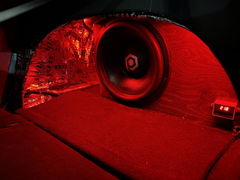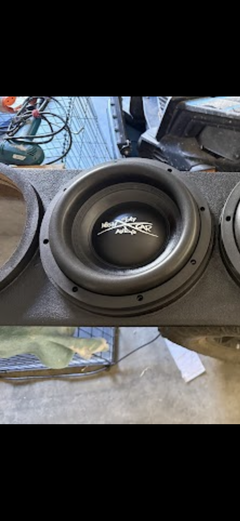
Subwoofer Boxes & Enclosures
-

8 Inch Subwoofer Boxes
8 Inch Subwoofer Boxes Sold by AudioSellerz.com Shop 8 inch subwoofer boxes...
-

10 Inch Subwoofer Boxes
10 Inch Subwoofer Boxes Sold by AudioSellerz.com Shop single and dual 10...
-

12 Inch Subwoofer Boxes
12 Inch Subwoofer Boxes Sold by AudioSellerz.com Shop 12 inch subwoofer boxes...
-

15 Inch Subwoofer Boxes
15 Inch Subwoofer Boxes Sold by AudioSellerz.com Shop 15 inch subwoofer boxes...
-

18 Inch Subwoofer Boxes
18 Inch Subwoofer Boxes Sold by AudioSellerz.com Shop 18 inch subwoofer boxes...


-
American Bass Dual 12" Godzilla Ported Enclosure
Vendor:Basshead SupplyRegular price $944.99 USDRegular price -
Kicker Single 10" L7X Ported Enclosure
Vendor:Basshead SupplyRegular price $595.99 USDRegular price -
DC Audio Dual 12" XL SPL Ported Enclosure
Vendor:Basshead SupplyRegular price $839.99 USDRegular price -
DC Audio Single 15" Level 6 Ported Enclosure
Vendor:Basshead SupplyRegular price $892.99 USDRegular price -
DC Audio Dual 12" Level 5 Ported Enclosure
Vendor:Basshead SupplyRegular price $839.99 USDRegular price -
DC Audio Dual 15" XL SPL Ported Enclosure
Vendor:Basshead SupplyRegular price $1,653.99 USDRegular price -
DC Audio Dual 12" NEO 3.5 Ported Enclosure
Vendor:Basshead SupplyRegular price $839.99 USDRegular price -
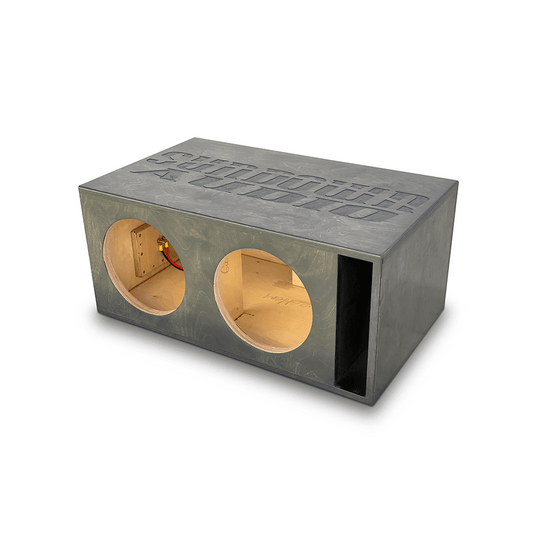
Sundown Audio Dual 10" SAC Ported Enclosure
Vendor:Basshead SupplyRegular price $535.99 USDRegular price -
Resilient Sounds Single 15" Platinum Ported Enclosure
Vendor:Basshead SupplyRegular price $787.99 USDRegular price -
Resilient Sounds Single 12" Gold v2 Ported Enclosure
Vendor:Basshead SupplyRegular price $535.99 USDRegular price -
Resilient Sounds Single 15" Platinum v2 Ported Enclosure
Vendor:Basshead SupplyRegular price $787.99 USDRegular price -
Resilient Sounds Single 15" Gold v2 Ported Enclosure
Vendor:Basshead SupplyRegular price $708.99 USDRegular price -
Resilient Sounds Single 12" Gold Ported Enclosure
Vendor:Basshead SupplyRegular price $535.99 USDRegular price -
Resilient Sounds Single 15" Gold Ported Enclosure
Vendor:Basshead SupplyRegular price $685.99 USDRegular price -
Resilient Sounds Single 12" Platinum Ported Enclosure
Vendor:Basshead SupplyRegular price $629.99 USDRegular price -
Resilient Sounds Single 10" Gold Ported Enclosure
Vendor:Basshead SupplyRegular price $441.99 USDRegular price -
Resilient Sounds Single 10" Platinum v2 Ported Enclosure
Vendor:Basshead SupplyRegular price $524.99 USDRegular price -
Resilient Sounds Dual 15" Gold v2 Ported Enclosure
Vendor:Basshead SupplyRegular price $1,063.99 USDRegular price -
Resilient Sounds Dual 15" Gold Ported Enclosure
Vendor:Basshead SupplyRegular price $1,015.99 USDRegular price -
Resilient Sounds Single 12" Platinum v2 Ported Enclosure
Vendor:Basshead SupplyRegular price $629.99 USDRegular price -
Resilient Sounds Single 10" Gold v2 Ported Enclosure
Vendor:Basshead SupplyRegular price $441.99 USDRegular price -
Resilient Sounds Dual 12" Platinum Ported Enclosure
Vendor:Basshead SupplyRegular price $892.99 USDRegular price -
Resilient Sounds Dual 10" Platinum v2 Ported Enclosure
Vendor:Basshead SupplyRegular price $734.99 USDRegular price -
Resilient Sounds Dual 12" Gold Ported Enclosure
Vendor:Basshead SupplyRegular price $755.99 USDRegular price -
Resilient Sounds Dual 12" Platinum v2 Ported Enclosure
Vendor:Basshead SupplyRegular price $892.99 USDRegular price -
Resilient Sounds Dual 10" Gold v2 Ported Enclosure
Vendor:Basshead SupplyRegular price $599.99 USDRegular price -
Resilient Sounds Dual 10" Gold Ported Enclosure
Vendor:Basshead SupplyRegular price $599.99 USDRegular price -
JL Audio Dual 13.5" W7 Ported Enclosure
Vendor:Basshead SupplyRegular price $866.99 USDRegular price -
Resilient Sounds Dual 12" Gold v2 Ported Enclosure
Vendor:Basshead SupplyRegular price $755.99 USDRegular price -
Deaf Bonce Dual 10" SA310 Ported Enclosure
Vendor:Basshead SupplyRegular price $734.99 USDRegular price -
Basshead Supply Single 10" 1.25V2 Ported Enclosure
Vendor:Basshead SupplyRegular price $397.79 USDRegular price -
Basshead Supply Single 12" 2.0V2 Ported Enclosure
Vendor:Basshead SupplyRegular price $482.39 USDRegular price -
Basshead Supply Dual 8" 1.5 Ported Enclosure
Vendor:Basshead SupplyRegular price $396.89 USDRegular price -
Basshead Supply Single 15" 3.5 Ported Enclosure
Vendor:Basshead SupplyRegular price $638.09 USDRegular price -
Basshead Supply Dual 12" 4.0V2 Ported Enclosure
Vendor:Basshead SupplyRegular price $680.39 USDRegular price -
Sundown Audio Dual 8" XV3 Ported Enclosure
Vendor:Basshead SupplyRegular price $566.99 USDRegular price






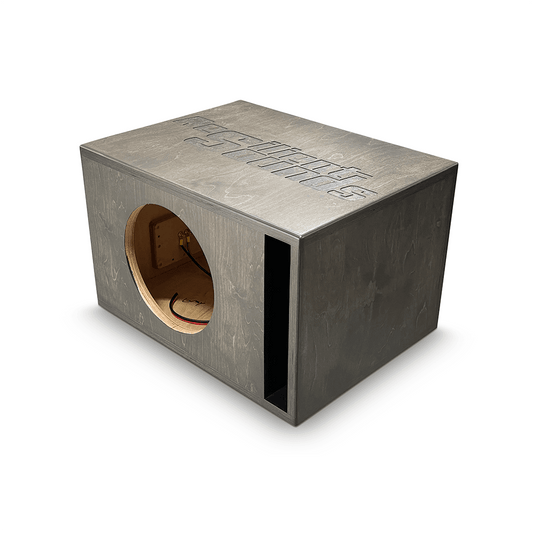

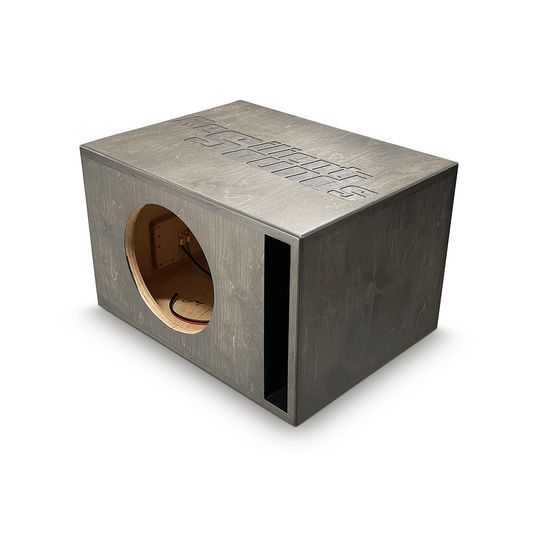

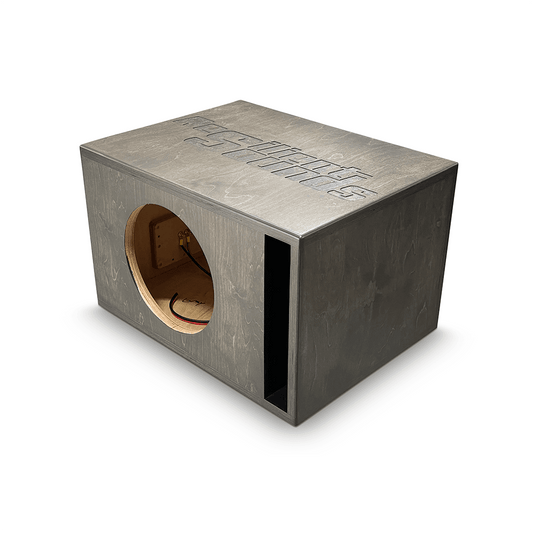

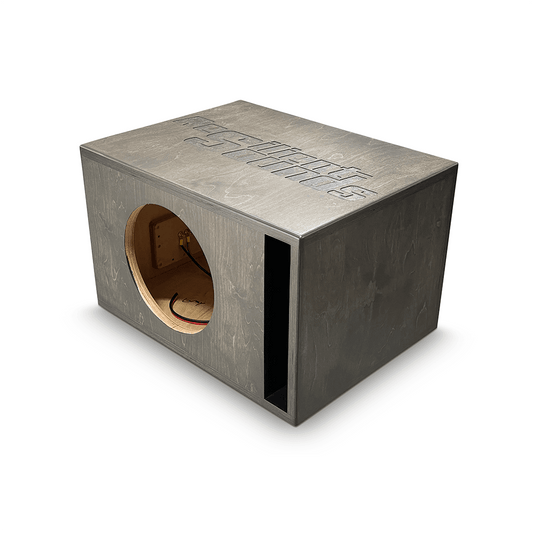

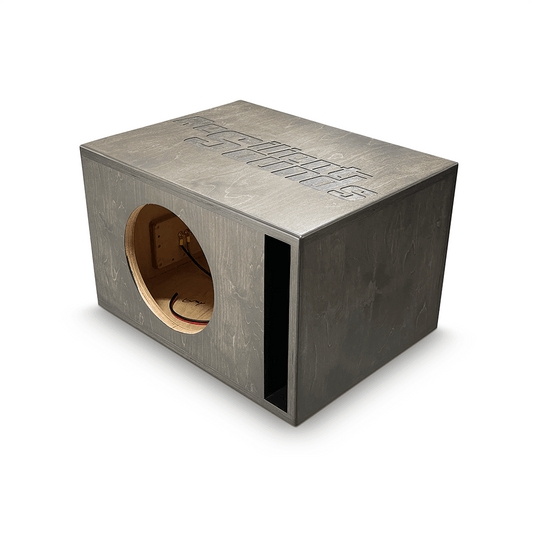

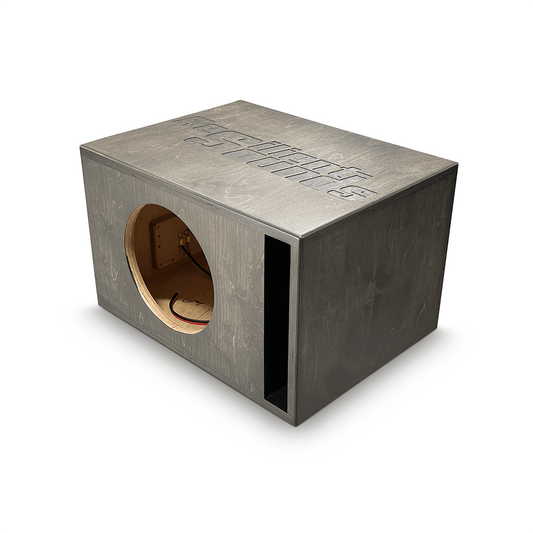

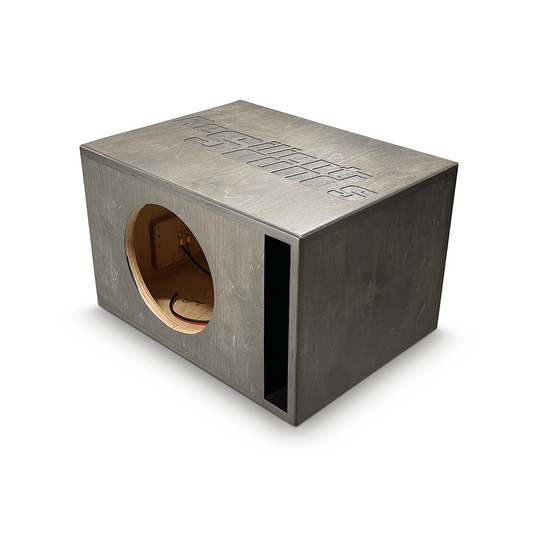

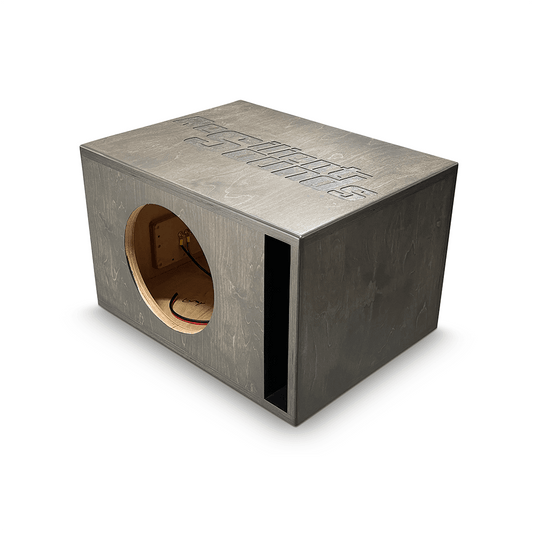





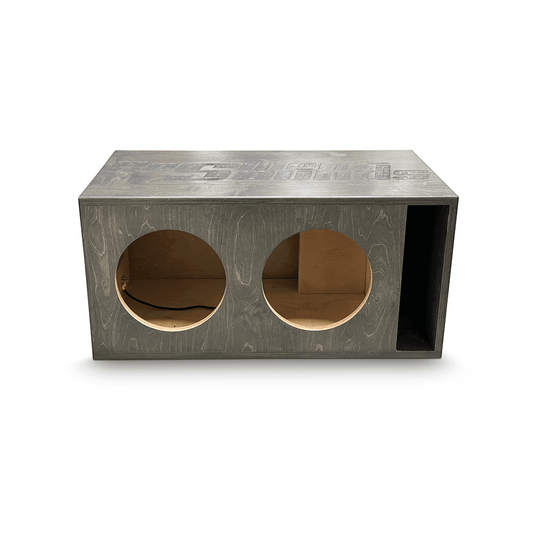

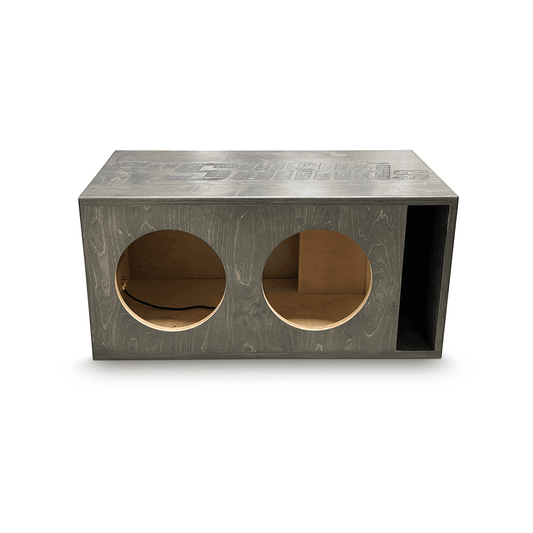

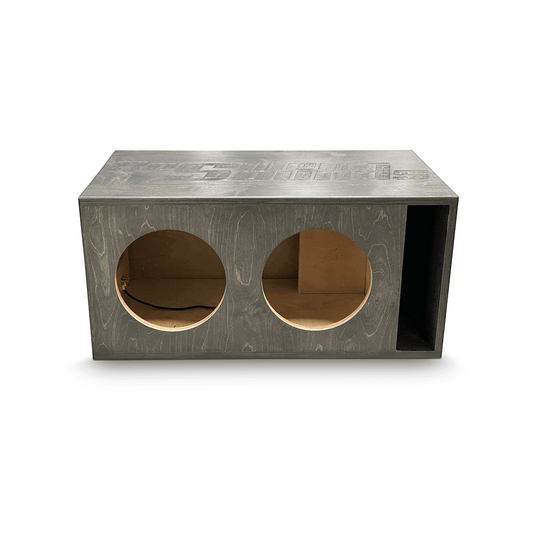

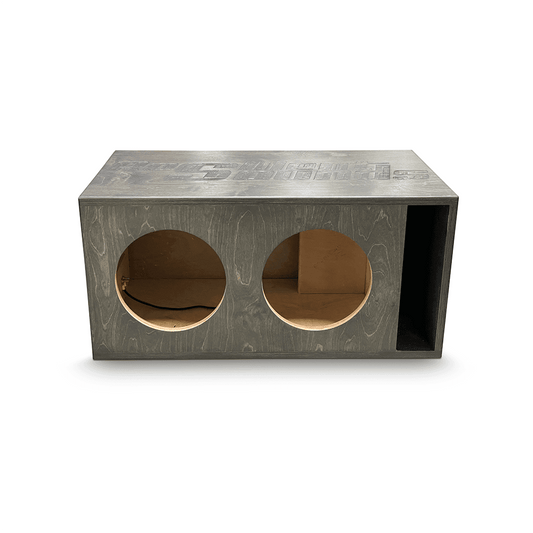






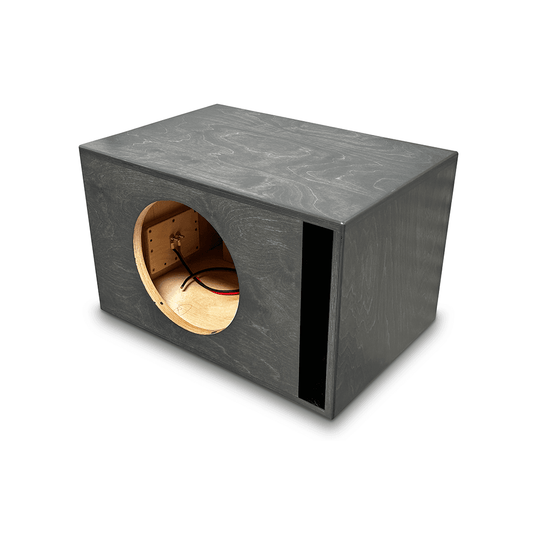

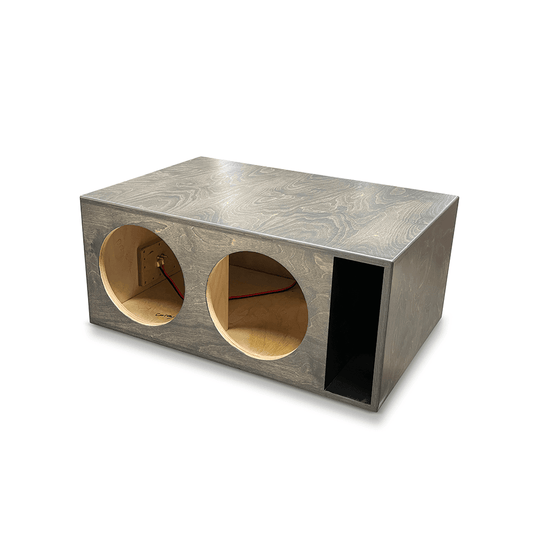

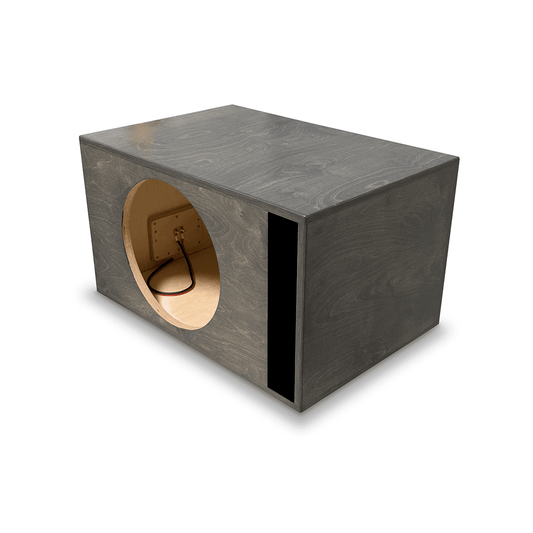

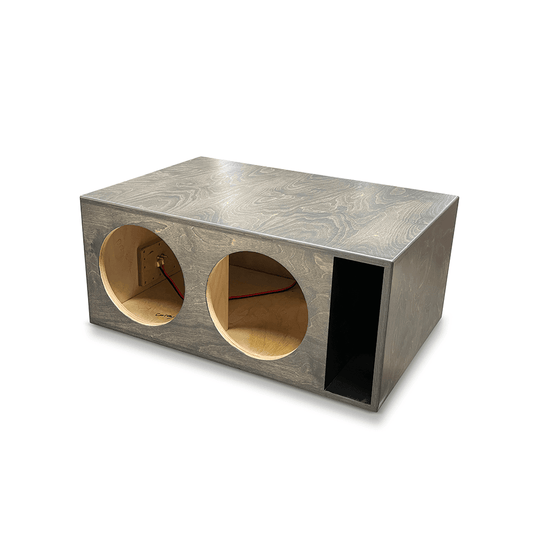

-
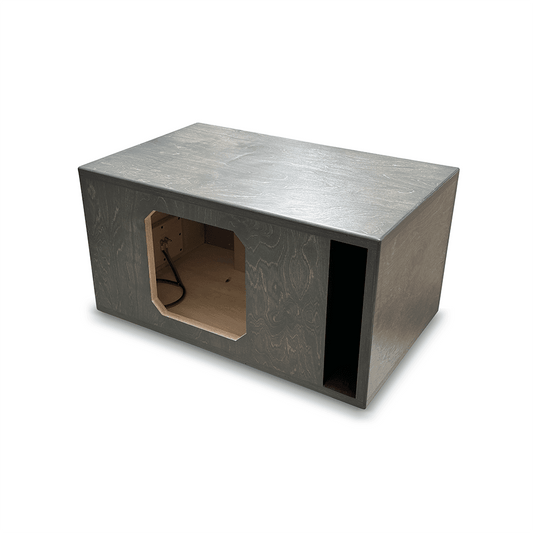
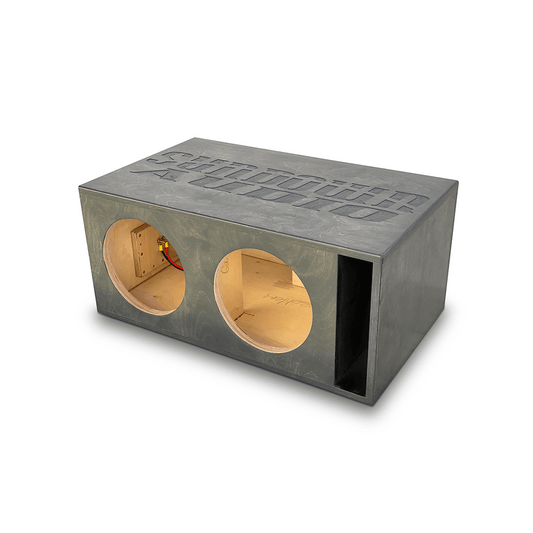
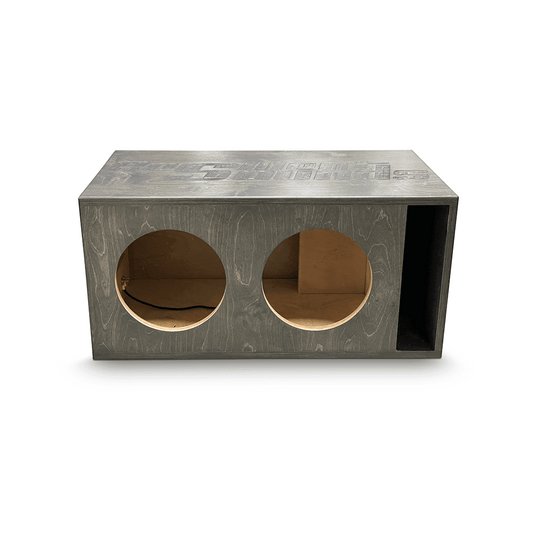
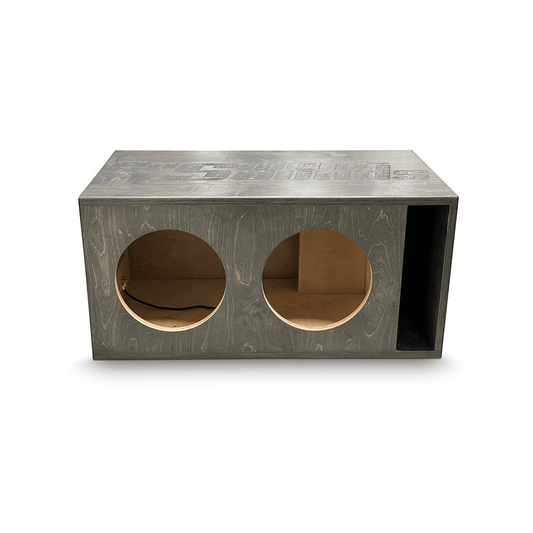
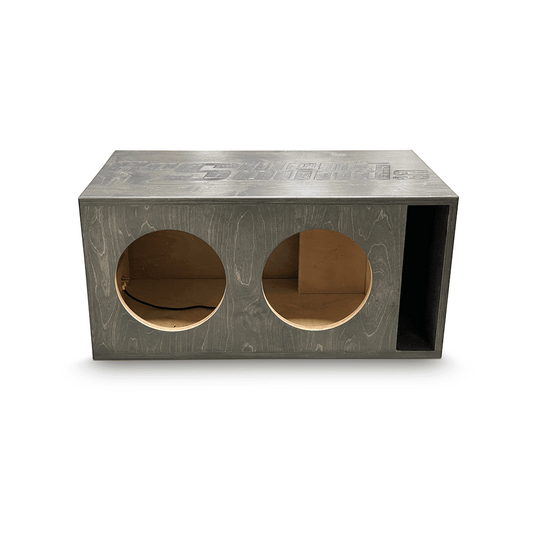
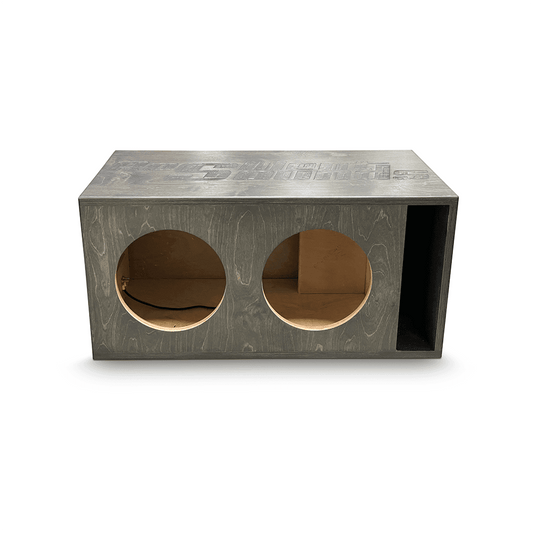
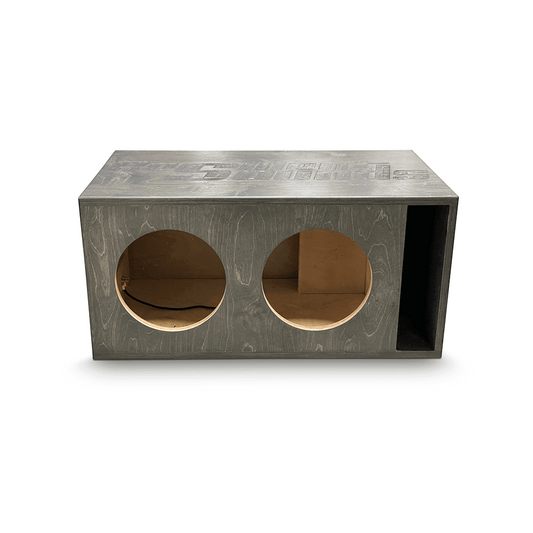
 American Bass Dual 12" Godzilla Ported EnclosureCustom built enclosure specifically for the American Bass Godzilla 12" subwoofer. Specifications: 5.0 cubic fee...$944.99
 -
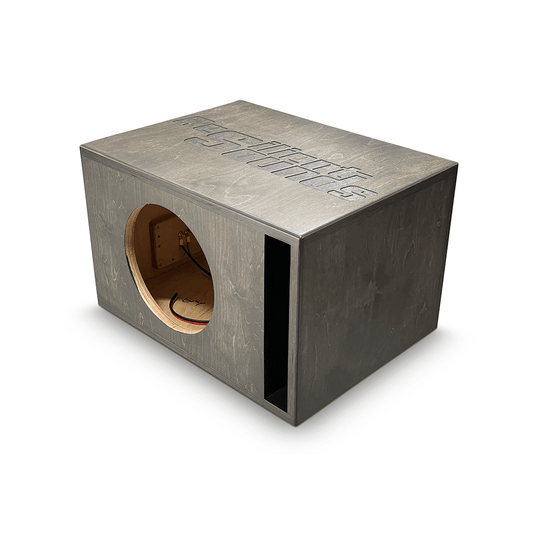
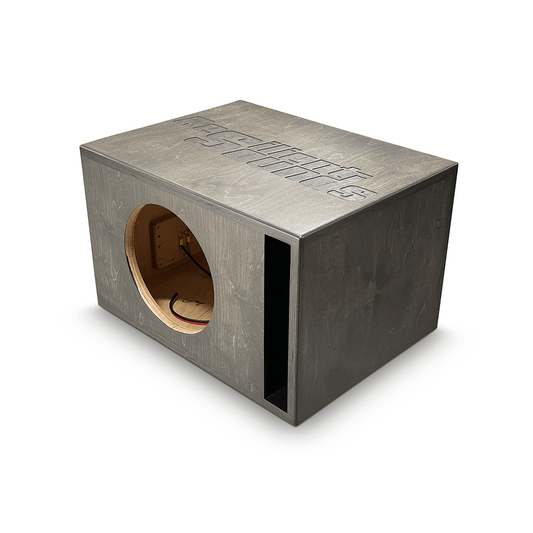
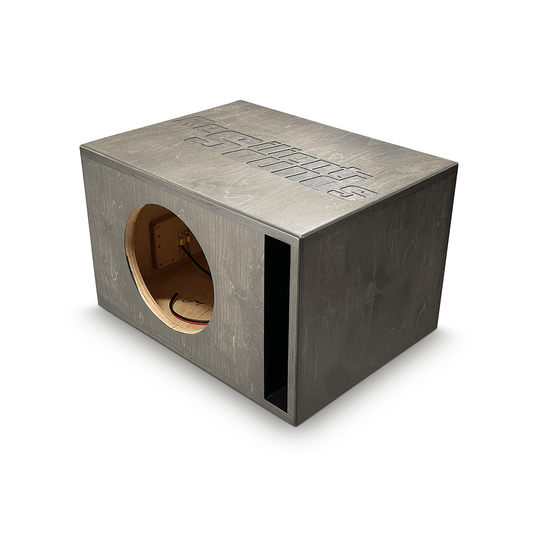
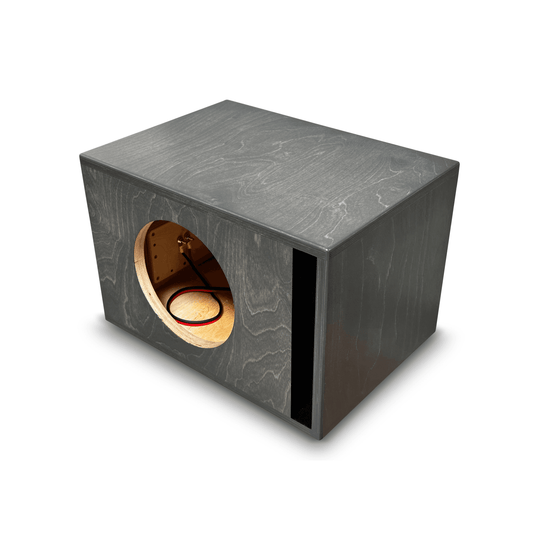
 Kicker Single 10" L7X Ported EnclosureCustom built enclosure specifically for the Kicker L7X 10" subwoofer. Specifications: 1.85 cubic feet net enclo...$595.99
 -
 DC Audio Dual 12" XL SPL Ported EnclosureCustom built enclosure specifically for the DC Audio XL SPL 12" subwoofer. Specifications: 4.0 cubic feet net enc...$839.99
 -
 DC Audio Single 15" Level 6 Ported EnclosureCustom built enclosure specifically for the DC Audio Level 6 15" subwoofer. Specifications: 4.25 cubic feet net e...$892.99
 -
 DC Audio Dual 12" Level 5 Ported EnclosureCustom built enclosure specifically for the DC Audio Level 5 12" subwoofer. Specifications: 4.0 cubic feet net en...$839.99
 -
 DC Audio Dual 15" XL SPL Ported EnclosureCustom built enclosure specifically for the DC Audio XL SPL 15" subwoofer. Specifications: 8.5 cubic feet net enc...$1,653.99
 -
 DC Audio Dual 12" NEO 3.5 Ported EnclosureCustom built enclosure specifically for the DC Audio NEO 3.5 12" subwoofer. Specifications: 4.0 cubic feet net en...$839.99
 -
 Sundown Audio Dual 10" SAC Ported EnclosureCustom built enclosure specifically for the Sundown Audio SAC 10" subwoofer. Specifications: 2.0 cubic feet net e...$535.99
 -
 Resilient Sounds Single 15" Platinum Ported EnclosureCustom built enclosure specifically for the Resilient Sounds Platinum 15" subwoofer. Specifications: 3.5 cubic fe...$787.99
 -
 Resilient Sounds Single 12" Gold v2 Ported EnclosureCustom built enclosure specifically for the Resilient Sounds Gold v2 12" subwoofer. Specifications: 2.0 cubic fee...$535.99
 -
 Resilient Sounds Single 15" Platinum v2 Ported EnclosureCustom built enclosure specifically for the Resilient Sounds Platinum v2 15" subwoofer. Specifications: 3.5 cubic...$787.99
 -
 Resilient Sounds Single 15" Gold v2 Ported EnclosureCustom built enclosure specifically for the Resilient Sounds Gold v2 15" subwoofer. Specifications: 3.5 cubic fee...$708.99
 -
 Resilient Sounds Single 12" Gold Ported EnclosureCustom built enclosure specifically for the Resilient Sounds Gold 12" subwoofer. Specifications: 2.0 cubic feet n...$535.99
 -
 Resilient Sounds Single 15" Gold Ported EnclosureCustom built enclosure specifically for the Resilient Sounds Gold 15" subwoofer. Specifications: 3.25 cubic feet ...$685.99
 -
 Resilient Sounds Single 12" Platinum Ported EnclosureCustom built enclosure specifically for the Resilient Sounds Platinum 12" subwoofer. Specifications: 2.25 cubic f...$629.99
 -
 Resilient Sounds Single 10" Gold Ported EnclosureCustom built enclosure specifically for the Resilient Sounds Gold 10" subwoofer. Specifications: 1.25 cubic feet ...$441.99
 -
 Resilient Sounds Single 10" Platinum v2 Ported EnclosureCustom built enclosure specifically for the Resilient Sounds Platinum v2 10" subwoofer. Specifications: 1.5 cubic...$524.99
 -
 Resilient Sounds Dual 15" Gold v2 Ported EnclosureCustom built enclosure specifically for the Resilient Sounds Gold v2 15" subwoofer. Specifications: 7.0 cubic fee...$1,063.99
 -
 Resilient Sounds Dual 15" Gold Ported EnclosureCustom built enclosure specifically for the Resilient Sounds Gold 15" subwoofer. Specifications: 6.5 cubic feet n...$1,015.99
 -
 Resilient Sounds Single 12" Platinum v2 Ported EnclosureCustom built enclosure specifically for the Resilient Sounds Platinum v2 12" subwoofer. Specifications: 2.25 cubi...$629.99
 -
 Resilient Sounds Single 10" Gold v2 Ported EnclosureCustom built enclosure specifically for the Resilient Sounds Gold v2 10" subwoofer. Specifications: 1.25 cubic fe...$441.99
 -
 Resilient Sounds Dual 12" Platinum Ported EnclosureCustom built enclosure specifically for the Resilient Sounds Platinum 12" subwoofer. Specifications: 4.5 cubic fe...$892.99
 -
 Resilient Sounds Dual 10" Platinum v2 Ported EnclosureCustom built enclosure specifically for the Resilient Sounds Platinum v2 10" subwoofer. Specifications: 3.0 cubic...$734.99
 -
 Resilient Sounds Dual 12" Gold Ported EnclosureCustom built enclosure specifically for the Resilient Sounds Gold 12" subwoofer. Specifications: 4.0 cubic feet n...$755.99
 -
 Resilient Sounds Dual 12" Platinum v2 Ported EnclosureCustom built enclosure specifically for the Resilient Sounds Platinum v2 12" subwoofer. Specifications: 4.5 cubic...$892.99
 -
 Resilient Sounds Dual 10" Gold v2 Ported EnclosureCustom built enclosure specifically for the Resilient Sounds Gold v2 10" subwoofer. Specifications: 2.5 cubic fee...$599.99
 -
 Resilient Sounds Dual 10" Gold Ported EnclosureCustom built enclosure specifically for the Resilient Sounds Gold 10" subwoofer. Specifications: 2.5 cubic feet n...$599.99
 -
 JL Audio Dual 13.5" W7 Ported EnclosureCustom built enclosure specifically for the JL Audio W7 13.5" subwoofer. Specifications: 5.0 cubic feet net enclo...$866.99
 -
 Resilient Sounds Dual 12" Gold v2 Ported EnclosureCustom built enclosure specifically for the Resilient Sounds Gold v2 12" subwoofer. Specifications: 4.0 cubic fee...$755.99
 -
Deaf Bonce Dual 10" SA310 Ported EnclosureCustom built enclosure specifically for the Deaf Bonce SA310 10" subwoofer. Specifications: 3.0 cubic feet net ...$734.99
-
 Basshead Supply Single 10" 1.25V2 Ported EnclosureCustom built enclosure specifically for the Basshead Supply 1.25V2 10" subwoofer. Specifications: 1.25 cubic fe...$397.79
 -
 Basshead Supply Single 12" 2.0V2 Ported EnclosureCustom built enclosure specifically for the Basshead Supply 2.0V2 12" subwoofer. Specifications: 2.0 cubic feet...$482.39
 -
 Basshead Supply Dual 8" 1.5 Ported EnclosureCustom built enclosure specifically for the Basshead Supply 1.5 8" subwoofer. Specifications: 1.5 cubic feet ne...$396.89
 -
 Basshead Supply Single 15" 3.5 Ported EnclosureCustom built enclosure specifically for the Basshead Supply 3.5 15" subwoofer. Specifications: 3.5 cubic feet n...$638.09
 -
 Basshead Supply Dual 12" 4.0V2 Ported EnclosureCustom built enclosure specifically for the Basshead Supply 4.0V2 12" subwoofer. Specifications: 4.0 cubic feet...$680.39
 -
 Sundown Audio Dual 8" XV3 Ported EnclosureCustom built enclosure specifically for the Sundown Audio XV3 8" subwoofer. Specifications: 2.0 cubic feet net en...$566.99
 -


Subwoofer Boxes & Enclosures for Car Audio
Sold by AudioSellerz.com
Shop subwoofer boxes, speaker boxes, bass boxes and car audio enclosures for single-sub systems, dual-sub systems, trucks, cars, SUVs, daily drivers, demo builds and high-output bass systems.
The subwoofer box is one of the most important parts of a bass system. You can have a powerful subwoofer, a properly matched amplifier and a strong electrical system, but the wrong enclosure can still limit output, sound quality and low-frequency performance.
A properly matched car audio enclosure gives the subwoofer the airspace, mounting depth, structural support, port area and tuning it needs to perform correctly.
Shop Subwoofer Boxes by Size
Already know what size subwoofer you are using? Start with the dedicated enclosure collection for your woofer size:
6.5 Inch Subwoofer Boxes | 8 Inch Subwoofer Boxes | 10 Inch Subwoofer Boxes | 12 Inch Subwoofer Boxes | 15 Inch Subwoofer Boxes | 18 Inch Subwoofer Boxes
Shop Car Audio Subwoofers | Shop Monoblock Amplifiers | Shop Amplifier Wiring Kits
What Is a Subwoofer Box?
A subwoofer box, also called a subwoofer enclosure, sub box, bass box, woofer box or speaker box, is the enclosure the subwoofer operates inside.
In car audio, the enclosure is part of the complete acoustic system. It can affect:
- Low-frequency extension
- Bass output
- Subwoofer cone control
- Frequency response
- Efficiency
- Port velocity
- How the bass loads inside the vehicle
- How effectively the subwoofer uses amplifier power
This is why a subwoofer enclosure should be chosen with the same care as the subwoofer and amplifier.
Car Audio Subwoofer Boxes vs Speaker Boxes
Customers looking for a speaker box, car speaker box, audio box or bass speaker box are often trying to find an enclosure for a car audio subwoofer.
A proper car audio subwoofer box should be selected using more than the diameter of the speaker opening.
Before choosing an enclosure, check:
- Exact subwoofer brand and model
- Subwoofer diameter
- Recommended enclosure type
- Recommended net airspace
- Mounting depth
- Driver displacement
- Port area
- Port length
- Tuning frequency
- Baffle thickness
- Available vehicle space
- Number of subwoofers
- Amplifier RMS power
A subwoofer can physically fit into a speaker box and still be a poor match for that enclosure.
Ported Subwoofer Boxes
A ported subwoofer box, also called a vented enclosure, uses a tuned port that works with the subwoofer and internal air volume to increase efficiency and output around the enclosure's tuning range.
Ported car audio enclosures are popular for customers looking for:
- Strong bass output
- Deep daily-driver bass
- Greater efficiency around tuning
- High-output single-subwoofer systems
- Dual-subwoofer bass systems
- Demo-style builds
A ported enclosure is not simply a speaker box with a hole in it. A properly designed ported box needs the correct net airspace, port area, port length and tuning frequency for the exact subwoofer.
Sealed & Closed Subwoofer Boxes
A sealed subwoofer box is a closed enclosure without a port. You may also see this type of enclosure described as a closed subwoofer box, subwoofer sealed box, sealed sub box, sealed speaker enclosure or sealed subwoofer enclosure.
A sealed enclosure may be a good choice when:
- The subwoofer is designed for sealed operation
- Vehicle space is limited
- A smaller enclosure is preferred
- Controlled bass response is the goal
- Maximum ported output is not the main priority
Not every subwoofer belongs in a sealed box. Always check the enclosure recommendations for the exact woofer before choosing a sealed or closed enclosure.
Ported vs Sealed Subwoofer Box
Neither ported nor sealed is automatically better.
A ported enclosure is commonly chosen when stronger output and efficiency around a specific tuning range are priorities.
A sealed enclosure can work well when the subwoofer is designed for sealed operation, installation space is limited or a simpler closed-box design better matches the system.
The right choice depends on:
- The exact subwoofer
- Available enclosure space
- Music and listening goals
- Desired output
- Amplifier power
- Vehicle type
- Number of subwoofers
For a deeper explanation, read our complete subwoofer box and enclosure guide.
Single Subwoofer Boxes
A single subwoofer box is a great way to add real bass while keeping the enclosure and system more manageable.
A properly designed single-sub system can work extremely well in:
- Daily drivers
- Pickup trucks
- Compact cars
- Trunk builds
- SUVs
- Higher-power single-sub systems
One capable subwoofer in the correct enclosure can outperform multiple woofers installed in a box that does not match them.
Dual Subwoofer Boxes
A dual subwoofer box increases total cone area and gives customers another path to higher bass output.
Popular dual-subwoofer systems include:
- Dual 8-inch subwoofers
- Dual 10-inch subwoofers
- Dual 12-inch subwoofers
- Dual 15-inch subwoofers
- Dual 18-inch subwoofers
Multiple subwoofers also increase enclosure-volume requirements, amplifier demand, electrical load and wiring complexity, so the entire system should be planned together.
6.5 Inch Subwoofer Boxes
6.5 inch subwoofer boxes are designed for compact bass systems where available enclosure space is limited.
They can work especially well in:
- Single-cab trucks
- Under-seat installations
- Behind-seat systems
- Compact cars
- Custom center consoles
- Motorcycles and powersports builds
Small woofer size does not mean enclosure requirements can be ignored. A 6.5-inch subwoofer still needs the correct airspace and mounting clearance.
8 Inch Subwoofer Boxes
8 inch subwoofer boxes are popular for trucks, compact cars, under-seat systems and other builds where enclosure space matters.
Available setups can include single 8-inch boxes, dual 8-inch boxes and multi-subwoofer systems built around compact high-output drivers.
A properly designed 8-inch bass system can deliver impressive output while taking up significantly less room than many larger systems.
10 Inch Subwoofer Boxes
10 inch subwoofer boxes offer an excellent balance between enclosure size and bass capability.
Single and dual 10-inch boxes are popular in:
- Pickup trucks
- Compact cars
- Smaller trunks
- Daily-driver systems
- Behind-seat installations
Never assume a 10-inch subwoofer automatically belongs in a small enclosure. Required airspace varies considerably between different woofer designs.
12 Inch Subwoofer Boxes
12 inch subwoofer boxes are among the most popular car audio enclosures because 12-inch subs offer a strong combination of cone area, low-frequency capability and manageable enclosure size.
Common configurations include:
- Single 12-inch subwoofer boxes
- Dual 12-inch subwoofer boxes
- Ported 12-inch boxes
- Sealed 12-inch boxes when appropriate
- High-power single-12 systems
- Loud daily dual-12 systems
The 12-inch measurement only identifies the approximate woofer diameter. It does not tell you the correct enclosure volume, port size or tuning.
15 Inch Subwoofer Boxes
15 inch subwoofer boxes are commonly used when larger cone area, deep bass and strong low-frequency output are priorities.
Single 15-inch boxes can make excellent loud daily-driver systems, while dual 15-inch enclosures move into much larger high-output builds that require additional vehicle space and electrical support.
Always verify the required enclosure volume before moving to a 15-inch subwoofer. A larger woofer needs enough room to operate correctly.
18 Inch Subwoofer Boxes
18 inch subwoofer boxes are built for large systems where cone area and low-frequency output matter more than preserving cargo space.
Eighteen-inch enclosures are commonly used in:
- Large SUVs
- Demo vehicles
- Wall builds
- Rear-seat-delete systems
- High-output daily builds
- Competition-style systems
Before choosing an 18-inch enclosure, confirm vehicle space, required airspace, mounting depth, port dimensions, amplifier power and electrical-system capability.
Shop Subwoofer Boxes by Brand
Another way to find the right enclosure is to start with the exact brand of subwoofer you own or plan to buy.
Audio Sellerz has dedicated enclosure collections for several popular subwoofer brands:
- American Bass Subwoofer Boxes
- DC Audio Subwoofer Boxes
- Sundown Audio Subwoofer Boxes
- JL Audio Subwoofer Boxes
- Kicker Subwoofer Boxes
- Resilient Sounds Subwoofer Boxes
- Trinity Audio Subwoofer Boxes
Starting with the subwoofer model helps narrow the search to enclosures that are much closer to the airspace, depth and port requirements of the actual driver.
BassHead Supply Subwoofer Boxes
Audio Sellerz carries BassHead Supply subwoofer enclosures for a wide range of popular car audio subwoofer applications.
Many of these boxes are designed around specific subwoofer models or product families instead of simply using a generic hole size.
This gives customers another option when they want a prebuilt enclosure without guessing whether a random universal speaker box will match their woofer.
Prefab Subwoofer Boxes vs Purpose-Built Enclosures
A prefab subwoofer box is simply an enclosure that is already built before installation.
Prefab does not automatically mean low quality.
The important question is whether the enclosure actually matches the subwoofer.
A generic speaker box may physically accept many different woofers even though those subs require different airspace, mounting depth, port area and tuning.
A purpose-built enclosure designed around a specific subwoofer or subwoofer family can provide a much better starting point.
MDF Subwoofer Boxes
MDF subwoofer boxes have been used successfully in car audio for decades.
MDF is dense and consistent and can make an excellent enclosure when the design includes proper:
- Material thickness
- Panel strength
- Internal bracing
- Joint construction
- Net airspace
- Port design
- Overall rigidity
Birch Subwoofer Boxes
Birch plywood is another popular material for car audio enclosures.
A properly constructed birch box can provide excellent strength while potentially reducing enclosure weight depending on the design.
Neither birch nor MDF automatically makes a better box. Airspace, tuning, port area, bracing and construction quality are more important than choosing an enclosure solely by material.
Subwoofer Boxes for Trucks
Pickup trucks often have limited enclosure height and mounting depth, making compact box design especially important.
Common truck enclosure locations include:
- Under rear seats
- Behind seats
- Behind rear cab seats
- Custom center consoles
- Rear cab walls
Compact 6.5-inch, 8-inch and 10-inch subwoofer boxes can be especially useful in space-limited truck systems.
Subwoofer Boxes for Cars
Cars with useful trunk space can support anything from a compact single-sub enclosure to a larger dual-subwoofer bass system.
Popular choices include 10-inch, 12-inch and 15-inch subwoofer boxes, depending on available space and the output goal.
Measure the trunk opening as well as the final enclosure location. A large box can fit inside the trunk dimensions and still be impossible to pass through the opening.
Subwoofer Boxes for SUVs & Large Bass Builds
SUVs generally provide more enclosure space, making them a natural platform for larger 12-inch, 15-inch and 18-inch subwoofer boxes.
The extra room can also make it easier to use larger ports, multiple subwoofers, larger amplifiers and additional electrical support.
Match the Box to the Exact Subwoofer
This is the most important rule when shopping for a subwoofer enclosure: the speaker opening fitting does not mean the box is correct.
Check:
- Recommended sealed airspace
- Recommended ported airspace
- Recommended tuning frequency
- Subwoofer displacement
- Mounting depth
- Cutout diameter
- Magnet clearance
- Rear ventilation clearance
- Cone and surround clearance
- Recommended port area
If you still need the woofer, browse our car audio subwoofers.
Choosing an Amplifier for Your Subwoofer System
The amplifier should be matched to the actual subwoofer system and final impedance rather than simply choosing power based on woofer diameter.
Before selecting an amplifier, confirm:
- Subwoofer RMS power handling
- Voice-coil configuration
- Number of subwoofers
- Final wired impedance
- Amplifier RMS output at that impedance
- Amplifier minimum stable impedance
Browse our monoblock amplifiers when matching power to a subwoofer system.
Can You Mount an Amplifier on a Subwoofer Box?
An amplifier can sometimes be mounted to a subwoofer enclosure, but placement should be planned carefully.
Consider:
- Amplifier ventilation
- Secure mounting
- Vibration
- Wire routing
- Access to controls and connections
- Clearance around the amplifier
Whenever possible, choose a secure mounting location that gives the amplifier proper ventilation and keeps the wiring protected and accessible.
Electrical Support for High-Power Bass Systems
Large subwoofer systems can require substantially more electrical current than a stock vehicle charging system was designed to supply.
Depending on amplifier power, a complete system may require:
- Properly sized power and ground wire
- Big 3 wiring upgrades
- Additional battery capacity
- A high-output alternator
- Proper fuse protection
- Power distribution
- Voltage monitoring
Electrical upgrades should be based on actual amplifier demand rather than simply the number or size of the subwoofers.
Measure Before Ordering a Subwoofer Box
Before ordering any speaker box or car audio enclosure, measure both the vehicle and the subwoofer.
Verify:
- Box width
- Box height
- Box depth
- Subwoofer cutout diameter
- Maximum mounting depth
- Net internal airspace
- Port dimensions when applicable
- Magnet clearance
- Cone and surround clearance
- Trunk, hatch or door opening dimensions
Subwoofer Box FAQs
Do all subwoofers of the same size use the same box?
No. Two subwoofers with the same diameter can require very different enclosure volume, mounting depth, port area and tuning.
What is another name for a subwoofer box?
A subwoofer box may also be called a subwoofer enclosure, sub box, bass box, woofer box, speaker box or car audio enclosure.
What is a closed subwoofer box?
A closed subwoofer box normally refers to a sealed enclosure without a port. The correct sealed-box volume still needs to match the exact subwoofer.
Is a ported subwoofer box better than a sealed box?
Neither is automatically better. The correct design depends on the exact subwoofer, available space, desired output and how the system will be used.
Are prefab subwoofer boxes bad?
No. A properly designed prefab enclosure can perform very well. Problems usually occur when a generic speaker box is selected only because the subwoofer physically fits the opening.
Is MDF good for subwoofer boxes?
Yes. MDF can make an excellent car audio enclosure when the material thickness, bracing, joints, airspace and overall design are appropriate.
Is birch better than MDF for a subwoofer box?
Not automatically. Both materials can produce excellent enclosures. Proper design and construction matter more than the material name alone.
Can I put any 12 inch subwoofer in a 12 inch box?
No. Different 12-inch subwoofers can require different internal volume, mounting depth, port area and tuning even when the cutout diameter is similar.
Can I mount my amp on the subwoofer box?
It can be possible, but the amplifier should be securely mounted with adequate ventilation, protected wiring and enough clearance for its controls and connections.
Shop Subwoofer Boxes by Size
Browse the complete enclosure-size lineup:
- 6.5 Inch Subwoofer Boxes
- 8 Inch Subwoofer Boxes
- 10 Inch Subwoofer Boxes
- 12 Inch Subwoofer Boxes
- 15 Inch Subwoofer Boxes
- 18 Inch Subwoofer Boxes
Shop Subwoofer Boxes at Audio Sellerz
Shop AudioSellerz.com for subwoofer boxes, speaker boxes, bass boxes, sealed subwoofer boxes, closed subwoofer boxes, ported enclosures, single sub boxes, dual sub boxes, MDF enclosures, birch boxes and purpose-built car audio enclosures.
If you are unsure which enclosure matches your subwoofer, use the live chat bubble on AudioSellerz.com and tell us the exact subwoofer brand, model, size, quantity, amplifier and vehicle you are building.