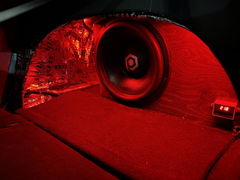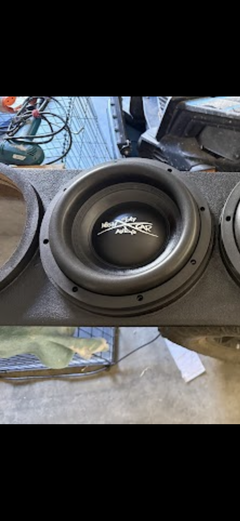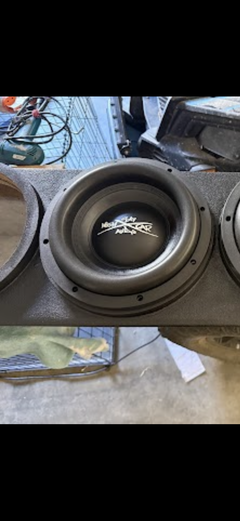
Subwoofers
Subwoofers
-

6.5 Inch Subwoofers
6.5 Inch Subwoofers Sold by AudioSellerz.com 6.5-inch subwoofers deliver compact bass for...
-

8 Inch Subwoofers
8 Inch Car Audio Subwoofers Sold by AudioSellerz.com Shop 8 inch subwoofers...
-

10 Inch Subwoofers
10 Inch Subwoofers Sold by AudioSellerz.com Shop 10 inch subwoofers for car...
-

12 Inch Subwoofers
12 Inch Subwoofers Sold by AudioSellerz.com Shop 12 inch subwoofers for car...
-

15 Inch Subwoofers
15 Inch Car Audio Subwoofers Sold by AudioSellerz.com Shop 15 inch subwoofers...
-

18 Inch Subwoofers
18 Inch Subwoofers Sold by AudioSellerz.com Shop 18 inch subwoofers for car...


Some filters could not be applied and were reset.
-
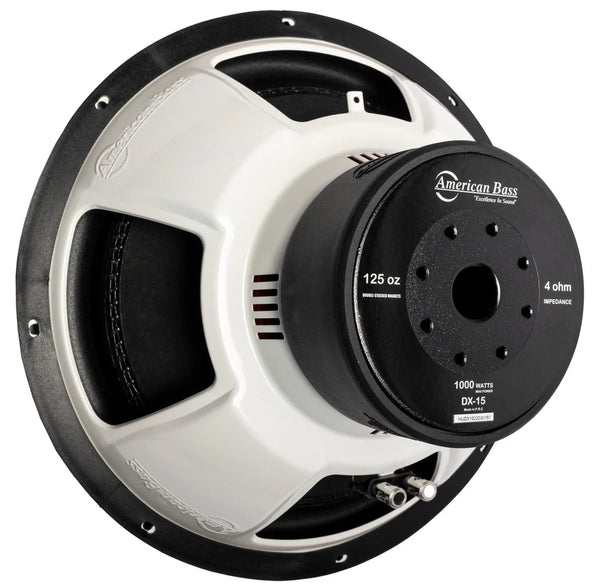 American Bass DX 15" Subwoofer – 500W RMS Single 4 Ohm $115.92
 -
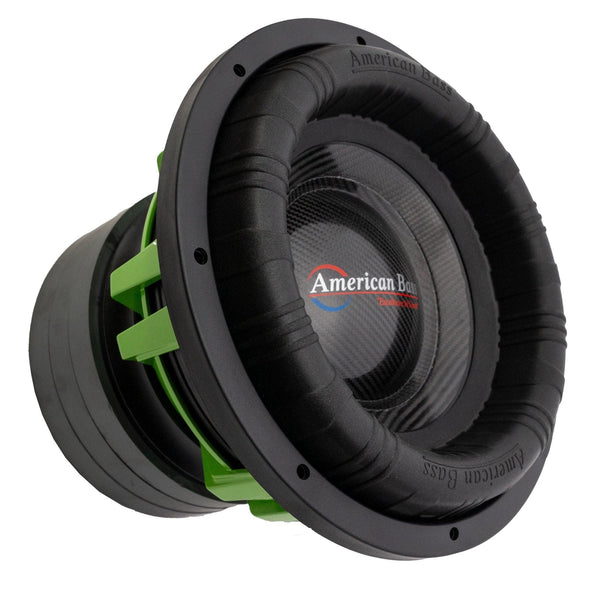 Sold out American Bass Godzilla 12" Subwoofer $777.22
 -
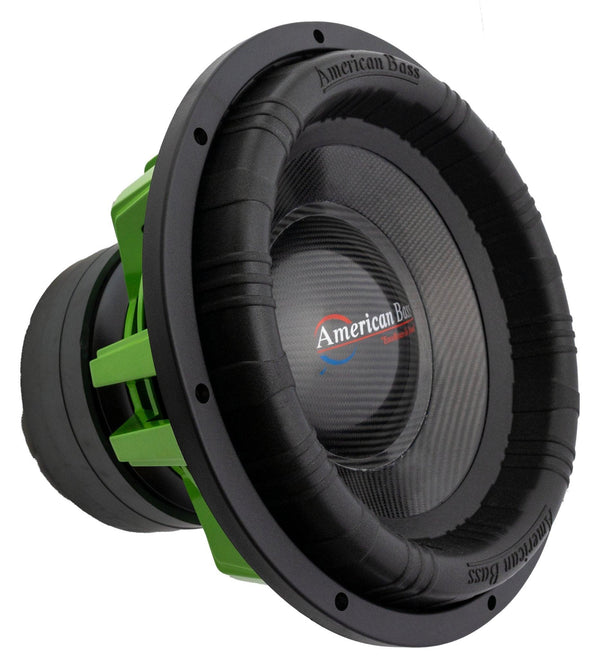 Sold out American Bass Godzilla 15" Subwoofer $839.33
 -
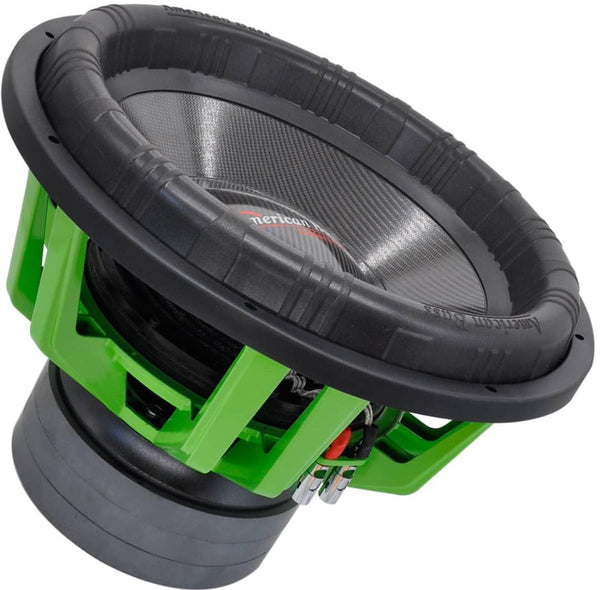 Sold out American Bass Godzilla 18" Subwoofer $1,068.48
 -
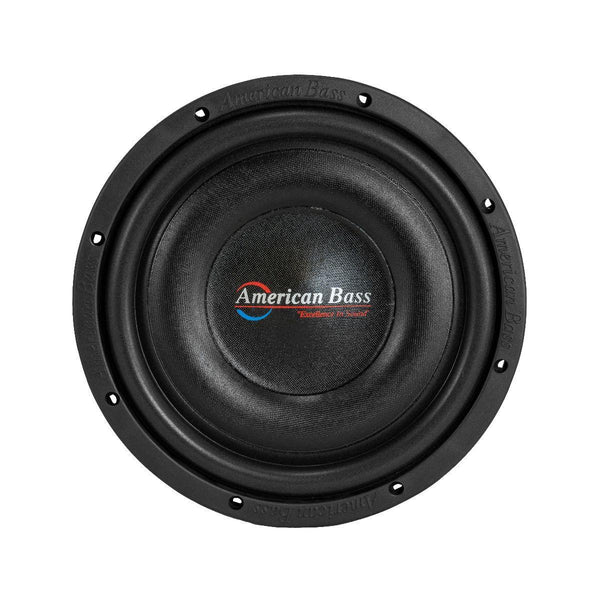 American Bass SL 10" Subwoofer $87.12 Add to cart
 -
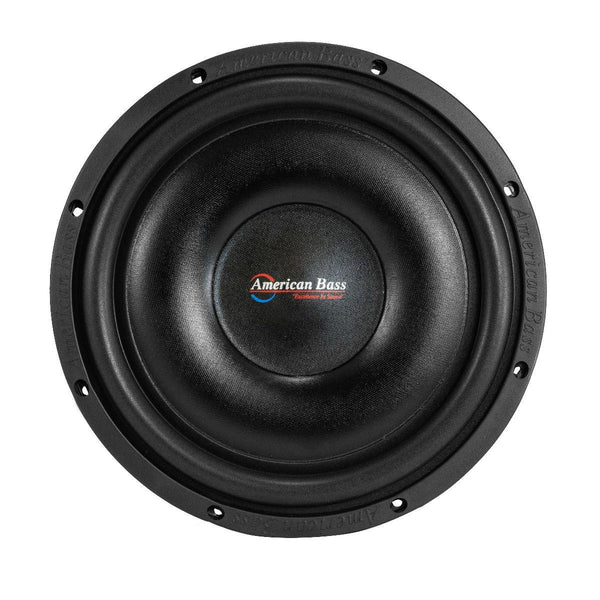 American Bass SL 12" Subwoofer $94.66 Add to cart
 -
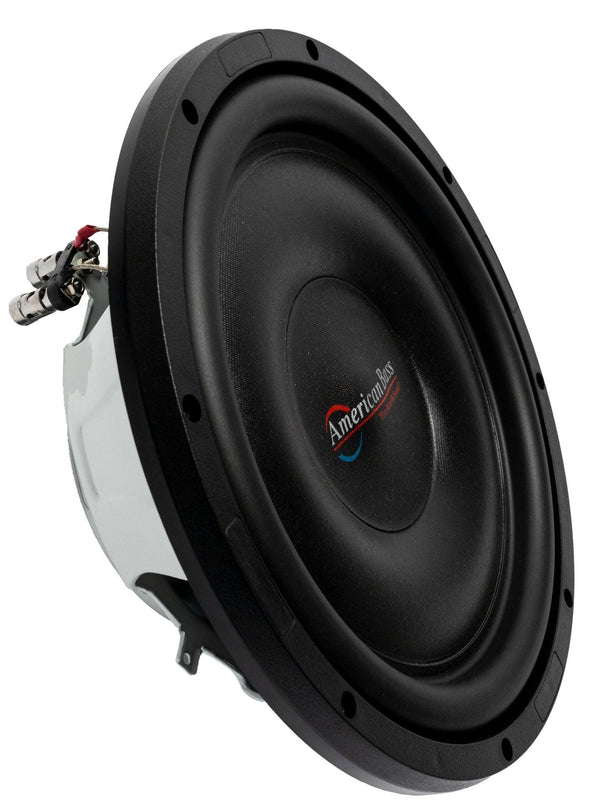
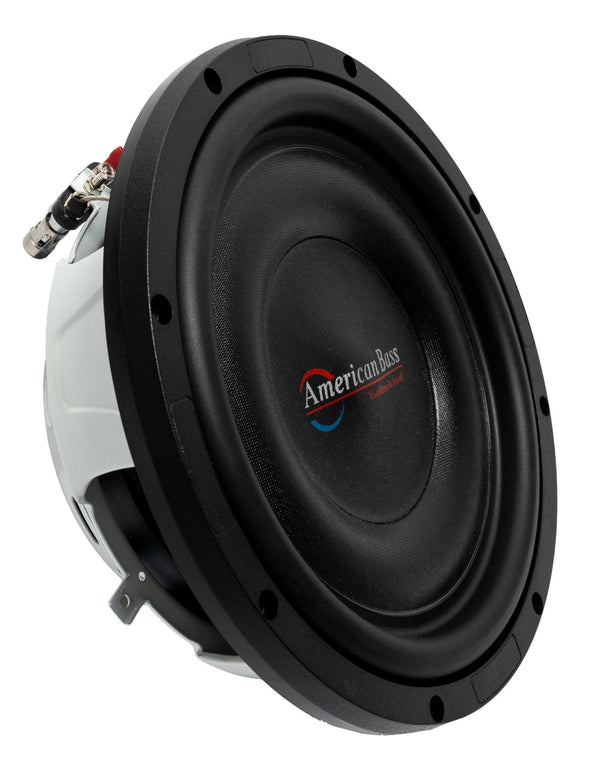 Sold out American Bass Titanium 10" Slim Subwoofer $132.72
 Regular price $229.00 -
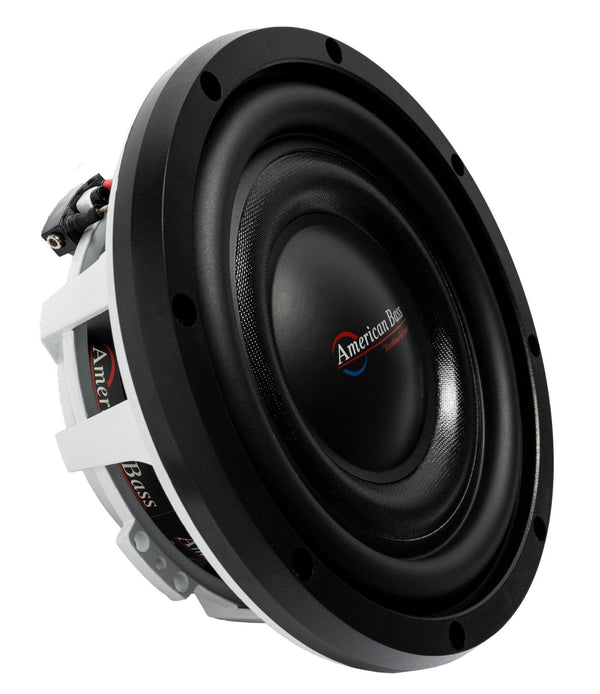
 Sold out American Bass Titanium 12" Slim Subwoofer $147.84
 Regular price $249.00 -
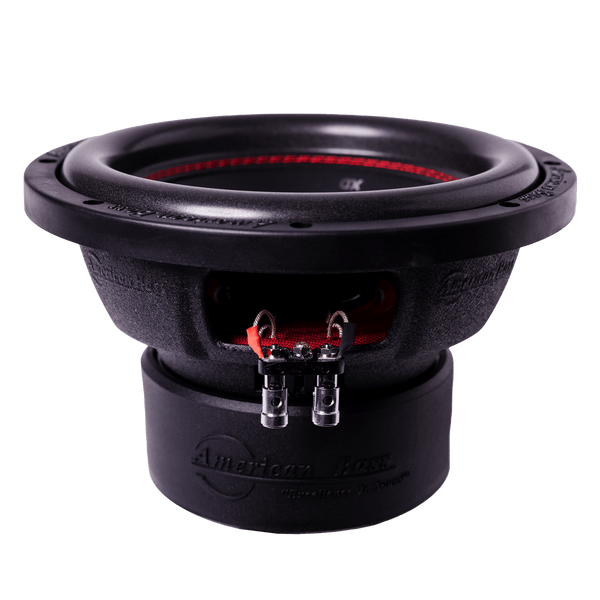
 Sold out American Bass Titanium 8" Slim Subwoofer $108.06
 Regular price $159.00 -
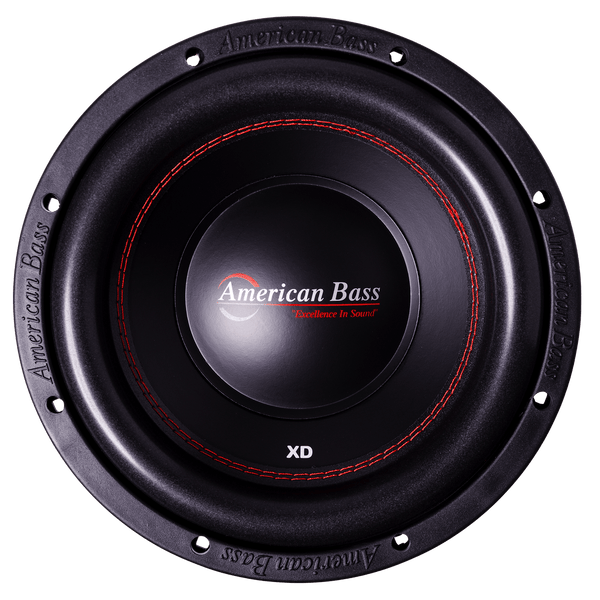
 Sold out American Bass XD 10″ CAR SUBWOOFER | 450 WATTS RMS | DUAL VOICE COIL 2 OHM OR 4 OHM $177.01
 -
 Sold out American Bass XD 12" Car Subwoofer – 500W RMS Dual 2 Ohm or Dual 4 Ohm $129.62
 -
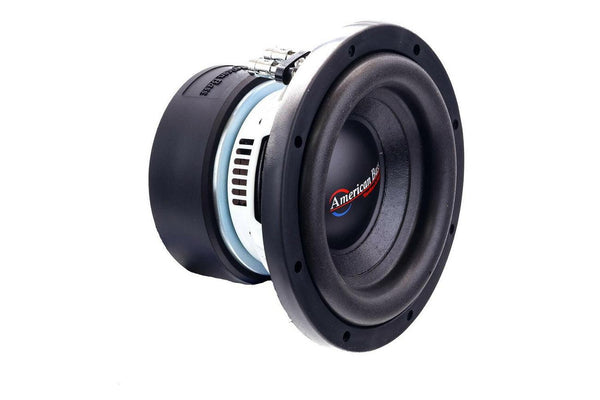 American Bass XD 8″ CAR SUBWOOFER | 450 WATTS RMS | DUAL VOICE COIL 4 OHM $126.97
 -
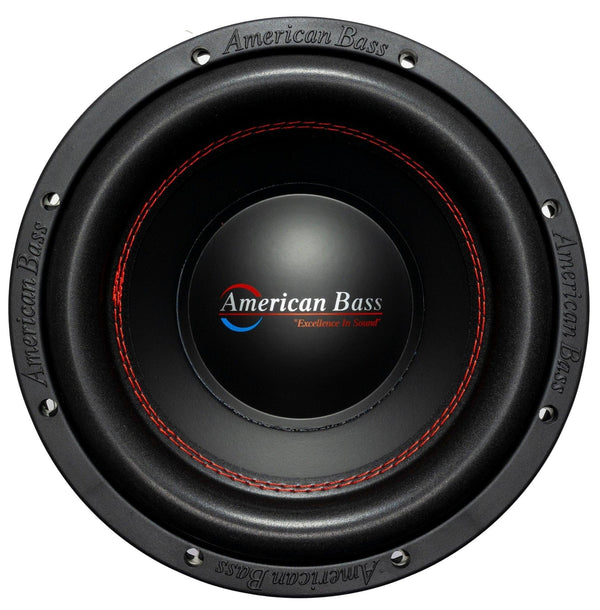 Sale American Bass XO 10" Subwoofer $95.14
 Regular price $139.91 -
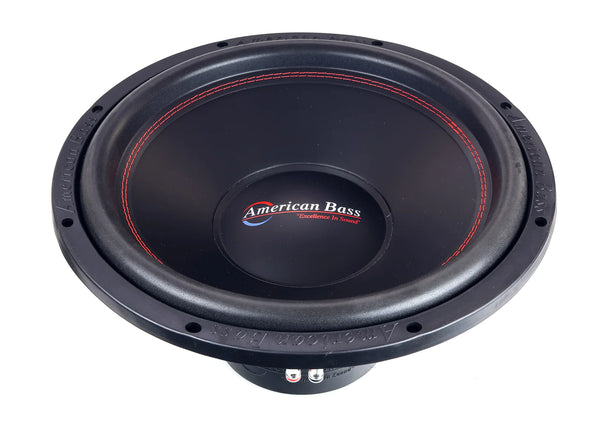 American Bass XO 15” Subwoofer – 500W RMS Dual 4 Ohm $134.10
 -
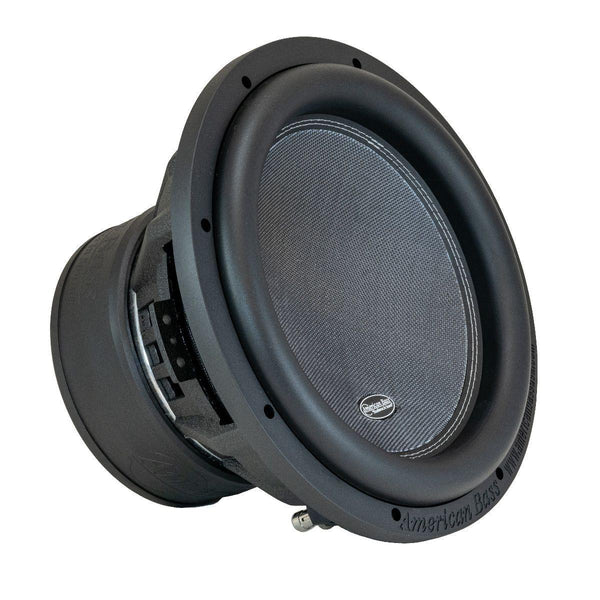 Sold out American Bass XR 12" $270.60
 -
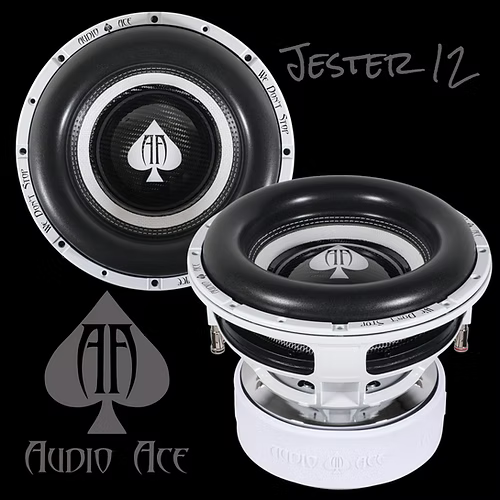 Audio Ace Jester 12” Subwoofer with Dyeable Cone – 3000W RMS Dual 2 Ohm $549.99 Add to cart
 -
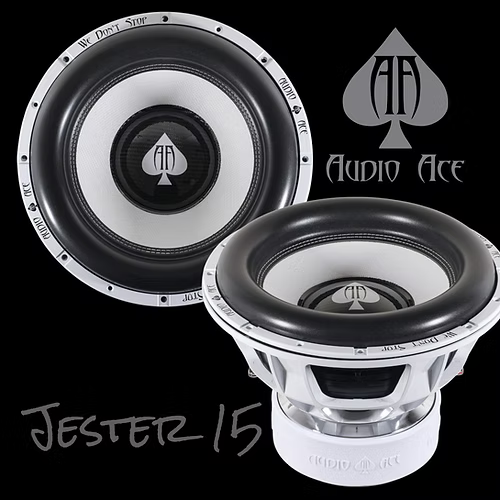 Audio Ace Jester 15” Subwoofer with Dyeable Cone – 3000W RMS Dual 2 Ohm $599.00 Add to cart
 -
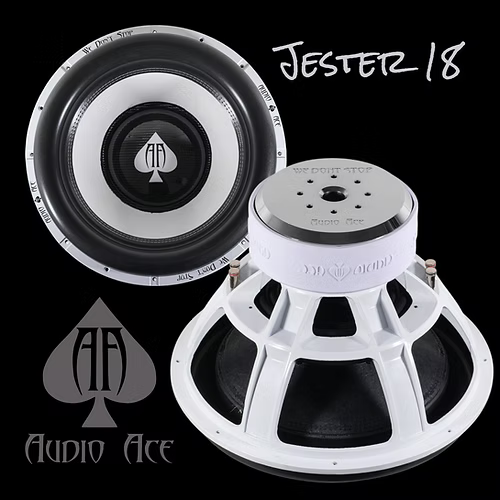 Audio Ace Jester 18” Subwoofer with Dyeable Cone – 3000W RMS Dual 2 Ohm $619.99 Add to cart
 -
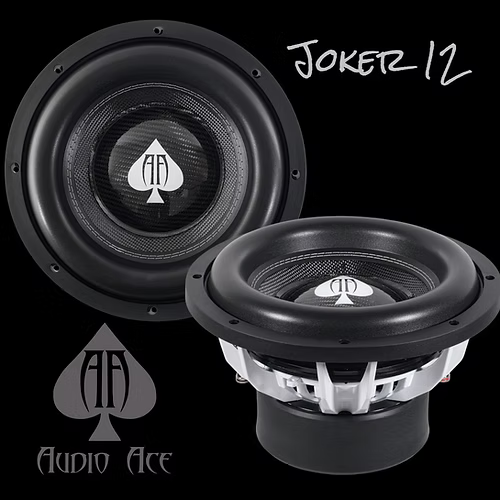 Sold out Audio Ace Joker 12 V3 12" Subwoofer – 1000W RMS Dual 2 Ohm (Single) $279.99
 -
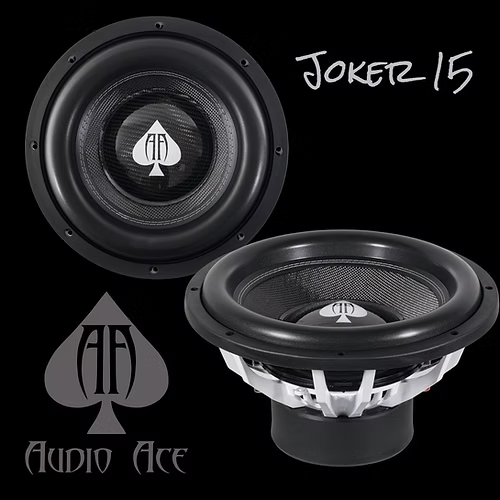 Audio Ace Joker 15v4 15" Subwoofer – 1000W RMS Dual 4 Ohm (Single) $299.99
 -
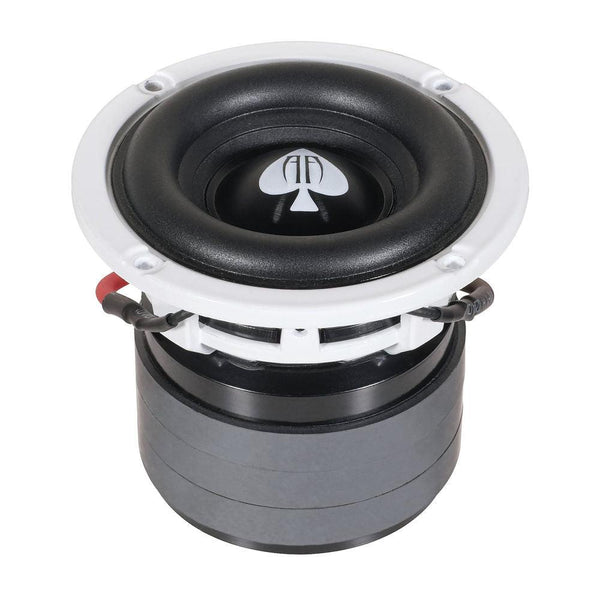 Sold out Audio Ace Pocket Rocket 3.5” Mini Toy Subwoofer – 50W RMS Dual 4 Ohm $39.00
 -
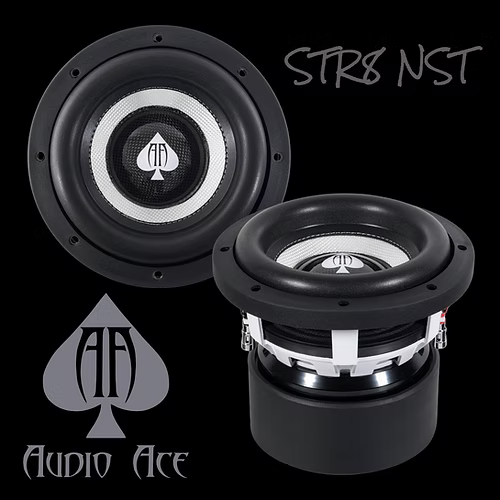 Sold out Audio Ace STR8 NST 8” Subwoofer with Dyeable Cone – 1000W RMS $249.00
 -
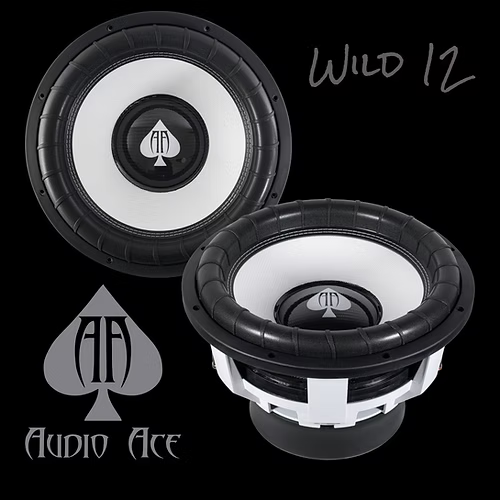 Audio Ace Wild 12” Subwoofer with Dyeable Cone – 2000W RMS Dual 4 Ohm $379.99 Add to cart
 -
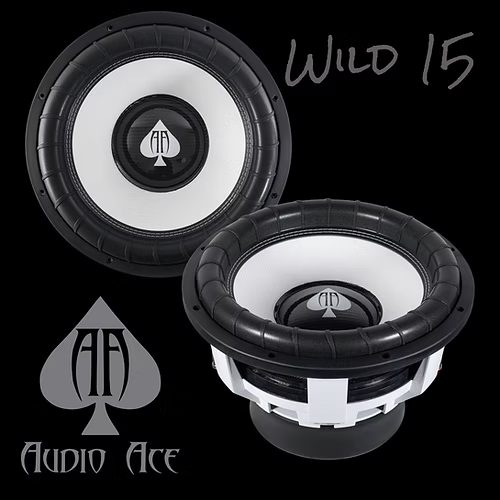 Sold out Audio Ace Wild 15” Subwoofer with Dyeable Cone – 2000W RMS Dual 4 Ohm $399.99
Subwoofers
Sold by AudioSellerz.com
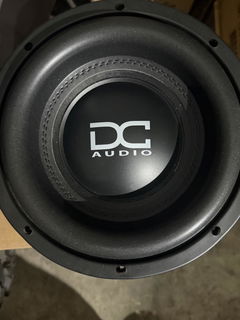
Shop car audio subwoofers for daily drivers, trucks, SUVs, custom bass builds, loud demo systems, SPL systems and competition-style car audio. Audio Sellerz carries compact 6.5-inch and 8-inch subs, popular 10-inch and 12-inch subwoofers, and larger 15-inch and 18-inch subwoofers for customers chasing serious low-frequency output.
A car subwoofer handles the deep bass that normal factory door speakers usually cannot reproduce with authority. The right subwoofer depends on much more than diameter or the biggest wattage number on the product page. Enclosure design, RMS power, voice-coil configuration, final impedance, amplifier power, available space and electrical support all matter.
If you already know what size subwoofer you need, shop by size:
6.5 Inch Subwoofers | 8 Inch Subwoofers | 10 Inch Subwoofers | 12 Inch Subwoofers | 15 Inch Subwoofers | 18 Inch Subwoofers
Shop Subwoofer Amplifiers | Shop Subwoofer Boxes | Shop Amp Kits | Shop Power & Speaker Wire
Shop Car Subwoofers for Every Type of Bass Build
There is no single best subwoofer for a car. The right sub depends on the vehicle, enclosure space, amplifier, electrical system and what you want the bass to do.
Customers may be building:
- A small daily-driver bass upgrade
- A single-subwoofer trunk system
- A dual-subwoofer enclosure
- A truck system with limited space
- A loud daily bass build
- An SPL system
- A demo vehicle
- A competition bass system
- A multi-subwoofer wall or high-output build
The same subwoofer will not be ideal for every one of those applications.
What Does a Subwoofer Do in a Car?
A subwoofer reproduces the lowest frequencies in the audio system.
It adds:
- Deep bass
- Low-frequency impact
- Kick and weight to music
- Bass extension below what most door speakers can reproduce
- The physical low-frequency energy that makes a complete car audio system feel powerful
Without a dedicated subwoofer, even excellent aftermarket door speakers can leave the lowest part of the music missing.
A properly integrated subwoofer does not have to overpower the rest of the system. It can simply extend the frequency range and make the entire sound system feel fuller.
Car Subs for Daily Drivers
A daily-driver subwoofer system should normally balance bass output with reliability, usable vehicle space and electrical demand.
A good daily system might use:
- One strong 8-inch, 10-inch or 12-inch subwoofer
- One or two 12-inch subs
- A single 15-inch subwoofer when enough space is available
- A properly matched monoblock amplifier
- A sealed or ported enclosure designed for the subwoofer
- Correctly sized power and ground wire
The goal does not have to be maximum possible SPL. A well-designed daily system should play the music you enjoy, stay reliable and work within the space and electrical system available in the vehicle.
SPL Subwoofers & Competition Subwoofers
An SPL subwoofer or competition subwoofer is intended for customers building around substantially higher output goals.
High-output subs may use:
- Larger motors
- Higher-power voice coils
- Heavy-duty suspension systems
- Greater excursion capability
- Stronger baskets
- More aggressive enclosure designs
But buying an SPL subwoofer does not automatically create an SPL system.
A serious competition-style build also needs:
- A properly designed enclosure
- Enough port area
- Correct enclosure tuning
- Large amplifier power
- Correct final impedance
- Strong power and ground wiring
- Battery reserve
- Charging-system support
- Proper gain and crossover settings
If you are building a high-power bass system, the electrical system and enclosure deserve just as much attention as the subwoofer.
High-Power Subwoofers
A high-power subwoofer is designed to work with more amplifier power than a typical entry-level daily-driver sub.
That does not mean more RMS power automatically equals better bass.
Higher-power subs generally require more from the rest of the system:
- More amplifier current
- Larger power wire
- Stronger electrical support
- More enclosure strength
- More careful tuning
- Better heat management
A properly powered 1,000-watt RMS subwoofer in the correct box can outperform a 3,000-watt subwoofer that is underpowered, installed in the wrong enclosure or starved for voltage.
6.5-Inch Subwoofers
A 6.5-inch subwoofer can add useful low-end response where a larger enclosure simply will not fit.
Compact subs are popular for:
- Single-cab trucks
- Small cars
- Custom center consoles
- Under-seat installations
- Motorcycles and powersports builds when the equipment is appropriate for the environment
- Stealth bass systems
Browse 6.5-inch car audio subwoofers.
8-Inch Subwoofers
An 8-inch subwoofer is one of the best options when you want real bass without giving up a large amount of vehicle space.
Modern high-output 8-inch subs can be used in:
- Compact daily systems
- Truck builds
- Behind-seat boxes
- Multi-8 demo systems
- Custom center consoles
- Small trunk enclosures
Browse 8-inch car audio subwoofers.
10-Inch Subwoofers
A 10-inch subwoofer gives many customers an excellent combination of compact enclosure size, responsive bass and useful output.
Ten-inch subs can work well in:
- Daily drivers
- Trucks
- Smaller trunks
- Single-sub systems
- Dual-10 systems
- Sound-quality-focused bass builds
- Louder systems when higher-power models are used
Browse 10-inch car audio subwoofers.
12-Inch Subwoofers
A 12-inch subwoofer remains one of the most popular sizes in car audio because it works in an enormous range of systems.
A 12 can be used for:
- Simple daily-driver bass
- Single high-power sub builds
- Dual-12 trunk systems
- Deep ported enclosures
- SPL and demo systems
- Competition-style builds
The term “12-inch subwoofer” only tells you the diameter. Power capability, mounting depth, motor strength, voice coils and recommended enclosure requirements can differ dramatically between models.
Browse 12-inch car audio subwoofers.
15-Inch Subwoofers
A 15-inch subwoofer provides more cone area than a comparable 10-inch or 12-inch driver and can create serious low-frequency output when the enclosure and amplifier are designed around it.
Fifteen-inch subs are common in:
- Deep daily-driver systems
- Single high-output builds
- Dual-15 enclosures
- SUV bass systems
- Demo vehicles
- SPL systems
- Competition-style builds
Audio Sellerz also carries serious high-output options such as the Audio Ace Jester 15-inch subwoofer for customers building in that higher-power category.
Browse 15-inch car audio subwoofers.
18-Inch Subwoofers
An 18-inch subwoofer is for systems where enclosure space and electrical demand take a back seat to serious cone area and low-frequency output.
An 18-inch build needs careful planning around:
- Large enclosure volume
- Vehicle space
- Port dimensions
- Amplifier power
- Mounting depth
- Power wire
- Battery capacity
- Alternator output
Browse 18-inch car audio subwoofers.
What Size Subwoofer Is Best?
There is no universal best subwoofer size.
- 6.5 and 8 inch: great when space is limited
- 10 inch: strong balance of space, response and bass output
- 12 inch: versatile for daily, high-output and competition systems
- 15 inch: more cone area and serious low-frequency capability
- 18 inch: large systems built around maximum cone area and output
The best size is the largest system that actually fits your vehicle, enclosure goals, amplifier power, electrical system and budget without forcing compromises that hurt performance.
One Subwoofer vs Two Subwoofers
More subwoofers provide more total cone area, but that does not automatically mean two subs are always the better choice.
Single-Subwoofer Builds
A single subwoofer can provide:
- Smaller enclosure requirements
- Lower total amplifier demand
- More usable cargo space
- Simpler wiring
- Lower electrical demand
Dual-Subwoofer Builds
Two matching subs can provide:
- More total cone area
- Greater output potential
- More enclosure flexibility in some vehicles
- A path toward higher-output bass systems
Two subs also affect the final impedance, amplifier requirement and enclosure volume. Always calculate the completed system before ordering.
Subwoofer Voice Coils: D1, D2 & D4
Many car audio subs use dual voice coils.
Common options include:
- Dual 1 ohm — D1
- Dual 2 ohm — D2
- Dual 4 ohm — D4
Voice-coil configuration determines what final impedance can be created when the coils and multiple subs are wired together.
The voice-coil option should be chosen around the amplifier you intend to run.
Use our subwoofer wiring diagrams and final ohm-load guide before ordering if you are unsure how D1, D2 or D4 subs will wire.
1 Ohm, 2 Ohm & 4 Ohm Subwoofer Systems
Lower impedance is not automatically better.
The correct final ohm load is the one your amplifier is designed to operate at.
For example, if an amplifier has a 1-ohm minimum impedance, wiring the system below 1 ohm can cause:
- Excess heat
- Protect mode
- Blown fuses
- Clipped output
- Amplifier failure
Choose the subwoofer voice coils and quantity before buying the amplifier whenever possible.
Match the Subwoofer to the Right Amplifier
Most aftermarket car subs need a dedicated amplifier.
A monoblock amplifier is the most common choice because it is designed specifically around a single bass channel.
When matching the amp and subwoofer, compare:
- Total subwoofer RMS power
- Final wired impedance
- Amplifier RMS output at that impedance
- Amplifier minimum stable impedance
- Electrical-system capability
- Enclosure design
Shop monoblock amplifiers for car subwoofers.
RMS Power vs Max Wattage
Do not choose a subwoofer using max wattage alone.
RMS power is the more useful rating for matching the subwoofer with the amplifier.
A complete power match needs:
- Subwoofer RMS rating
- Number of subwoofers
- Voice-coil impedance
- Final system impedance
- Amplifier RMS output
Huge peak-wattage numbers do not tell you whether the amplifier and subwoofer are actually a good match.
Subwoofer Boxes Matter Just as Much as the Sub
The enclosure is one of the most important parts of a bass system.
A subwoofer box affects:
- Low-frequency extension
- Output
- Efficiency
- Cone control
- Frequency response
- Port velocity
- Vehicle loading
A powerful subwoofer in the wrong enclosure can sound worse than a less expensive subwoofer installed in a box designed specifically around it.
Browse car audio subwoofer boxes and enclosures.
Sealed vs Ported Subwoofer Boxes
A sealed and ported enclosure can make the same subwoofer behave very differently.
Sealed Boxes
Sealed enclosures can work well when:
- The subwoofer is designed for sealed operation
- Vehicle space is limited
- A compact enclosure is important
- Controlled bass response is the goal
Ported Boxes
Ported enclosures can provide more efficiency and output around their designed tuning range.
They are popular for:
- Deep daily bass
- Higher output
- Loud systems
- Demo vehicles
- SPL builds
Read our sealed vs ported subwoofer box and sub-size guide before deciding.
Subwoofers for Trucks
Trucks often have limited enclosure depth, which makes subwoofer selection especially important.
Truck bass systems may use:
- 6.5-inch subs
- 8-inch subs
- Shallow 10-inch subs
- Shallow 12-inch subs
- Under-seat enclosures
- Behind-seat boxes
- Custom center consoles
Measure the vehicle before ordering. Seat travel, enclosure depth, subwoofer mounting depth and cone clearance all matter.
Subwoofers for Deep Bass
If your goal is deep bass, do not choose a subwoofer based only on diameter.
Deep low-frequency performance depends on:
- Subwoofer design
- Fs and other driver parameters
- Enclosure volume
- Port tuning
- Available amplifier power
- Vehicle cabin gain
- Electrical stability
A properly designed 12-inch system can sometimes play lower and cleaner than a poorly designed 18-inch system.
Complete the Car Subwoofer System
A complete bass installation normally needs more than the subwoofer.
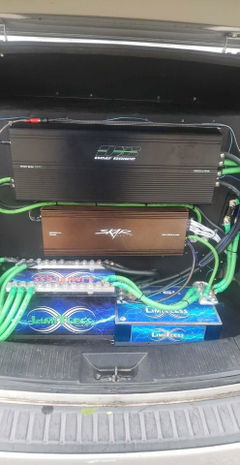
You may also need:
- Monoblock amplifier
- Subwoofer enclosure
- Amplifier wiring kit
- Speaker wire
- Fuse protection
- Strong amplifier ground
- Big 3 upgrade
- Additional battery capacity
- High-output alternator for larger systems
Shop Monoblock Amplifiers | Shop Subwoofer Boxes | Shop Amp Kits | Shop Big 3 Kits
Electrical Support for High-Power Subwoofers
A subwoofer does not draw current directly from the charging system — the amplifier does.
As amplifier power increases, the electrical system may need:
- Larger OFC power and ground wire
- Big 3 wiring
- Improved grounds
- Additional battery capacity
- A high-output alternator
- Better fuse and distribution hardware
If voltage falls hard every time the bass hits, simply installing a larger subwoofer will not solve the problem.
Browse high output alternators for car audio when the charging system itself is no longer keeping up.
Common Subwoofer System Mistakes
- Buying a sub only because of max wattage
- Choosing the wrong voice-coil configuration
- Wiring below the amplifier's safe impedance
- Using the wrong enclosure volume
- Using too little port area
- Using an undersized amplifier wiring kit
- Creating a weak amplifier ground
- Setting gain like a volume knob
- Using too much bass boost
- Ignoring voltage drop
- Buying the amp before planning the final subwoofer impedance
- Assuming a larger sub is automatically louder
For the complete process, read our complete car audio bass setup guide for subs, amps, boxes and wiring.
Where to Buy Car Subwoofers Online
If you previously bought your subwoofers or bass equipment somewhere else and need a new place to finish the build, AudioSellerz.com carries car audio subs, amplifiers, enclosures, wiring and electrical-system upgrades.
You do not have to start the whole system over.
If you already have equipment, use the live chat and tell us:
- Exact subwoofer model
- Subwoofer quantity
- Voice-coil configuration
- Amplifier model
- Vehicle
- Current enclosure
- Battery setup
- Alternator setup
- Your bass goals
We can help point you toward the missing pieces of the system.
Why Buy Car Audio Subwoofers From Audio Sellerz?
Audio Sellerz is a real car audio shop operated by people who build, install, tune and use car audio systems.
Owner Aaron Bryant has been involved in car audio since 2008 and has experience with daily-driver bass systems, custom enclosures, high-power demo builds and competition-level car audio.
That matters because buying a subwoofer should involve more than comparing wattage.
We look at:
- Subwoofer size
- RMS power
- Voice coils
- Final impedance
- Amplifier matching
- Enclosure requirements
- Available vehicle space
- Power and ground wiring
- Battery and alternator support
- Daily, demo or competition goals
Need help choosing a subwoofer? Use the live chat bubble on AudioSellerz.com and tell us exactly what system you are trying to build.
Car Audio Subwoofer FAQ
What is a car subwoofer?
A car subwoofer is a speaker designed primarily to reproduce low bass frequencies that normal door and full-range speakers cannot reproduce as effectively.
What does a subwoofer do?
A subwoofer adds the deepest portion of the music, including low bass notes, impact and the physical low-frequency energy that makes a complete system sound and feel fuller.
What is the best car subwoofer?
The best car subwoofer is the one that correctly matches your available space, enclosure, amplifier power, electrical system and bass goals. There is no single subwoofer that is best for every vehicle.
What size subwoofer is best?
Smaller 6.5-inch and 8-inch subs work well when space is limited. Ten and 12-inch subs provide versatile daily-driver options. Fifteen and 18-inch subs provide more cone area for systems where enclosure space and output are higher priorities.
Is a 10-inch or 12-inch subwoofer better?
Neither is automatically better. A 10-inch can use less space while still producing strong bass. A 12-inch offers more cone area and is one of the most versatile sizes for daily and high-output systems.
Is a 12-inch or 15-inch subwoofer better?
A 12-inch subwoofer generally requires less enclosure space, while a 15 provides more cone area. The better choice depends on your available room, amplifier power and bass goals.
Are two subwoofers louder than one?
Two matching subs provide more total cone area than one equivalent subwoofer and can increase output potential. They also require more enclosure volume, amplifier power and electrical support.
Do I need an amplifier for a car subwoofer?
Most aftermarket car audio subwoofers require a properly matched external amplifier.
What amp do I need for my subwoofer?
Match the amplifier RMS output at the final wired impedance to the subwoofer system's RMS requirements.
What does D2 or D4 mean on a subwoofer?
D2 means dual 2-ohm voice coils and D4 means dual 4-ohm voice coils. The voice-coil configuration determines the final impedance options available when the subwoofer is wired.
Is lower ohm better for a subwoofer?
No. Lower impedance can allow a compatible amplifier to produce more power, but it also creates more current demand and amplifier stress. Use an impedance the amplifier is specifically designed to handle.
Is a ported box better for a subwoofer?
A properly designed ported enclosure can provide higher efficiency and output around its tuning range. A sealed enclosure can be smaller and work very well with subwoofers designed for sealed operation.
Can a bad box make a good subwoofer sound bad?
Yes. Incorrect enclosure volume, tuning or port area can dramatically reduce the performance of an otherwise excellent subwoofer.
What is an SPL subwoofer?
An SPL subwoofer is a high-output subwoofer used in systems where sound-pressure output is a major goal. The enclosure, amplifier and electrical system are equally important in an SPL build.
What is a competition subwoofer?
A competition subwoofer is generally a high-performance driver designed for demanding high-output, demo or competition-style systems.
Can Audio Sellerz help me match a subwoofer and amplifier?
Yes. Use our live chat and provide the exact subwoofer or amplifier you already own, quantity, voice-coil configuration, electrical setup and system goals.
Helpful Car Audio Subwoofer Guides
- Subwoofer Wiring Diagrams & Final Ohm Load Guide
- Sealed vs Ported Box & Best Subwoofer Size Guide
- Complete Car Audio Bass Setup Guide
Shop Car Audio Subwoofers at AudioSellerz.com
Shop car audio subwoofers and subs for daily drivers, trucks, custom bass systems, SPL builds, demo vehicles and competition-style systems at AudioSellerz.com.
6.5 Inch Subs | 8 Inch Subs | 10 Inch Subs | 12 Inch Subs | 15 Inch Subs | 18 Inch Subs
Shop Subwoofer Amps | Shop Subwoofer Boxes | Shop Amp Kits | Shop Car Audio Wire
Have a question before ordering? Use the live chat bubble on AudioSellerz.com and tell us your vehicle, subwoofer, amplifier and electrical setup. We would rather help match the complete bass system correctly before you spend money twice.
Follow Audio Sellerz
Follow Audio Sellerz for subwoofer builds, SPL systems, bass demos, amplifier installs, enclosure information, electrical upgrades and new products: