15 Inch Subwoofers
-
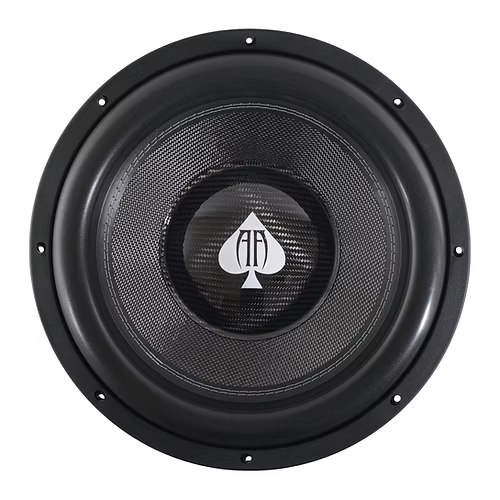
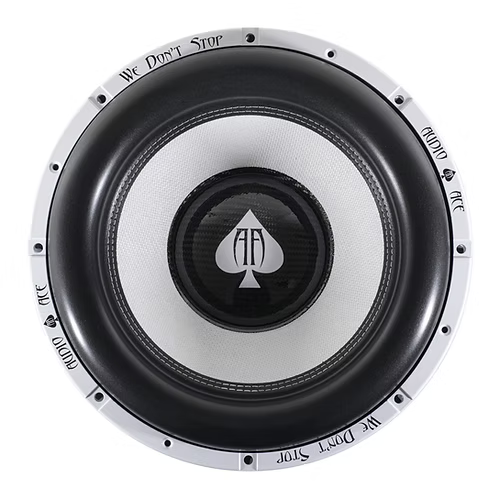
Audio Ace Joker 15v4 15" Subwoofer – 1000W RMS Dual 4 Ohm (Single)
Vendor:Audio AceRegular price $279.00 USDRegular price -
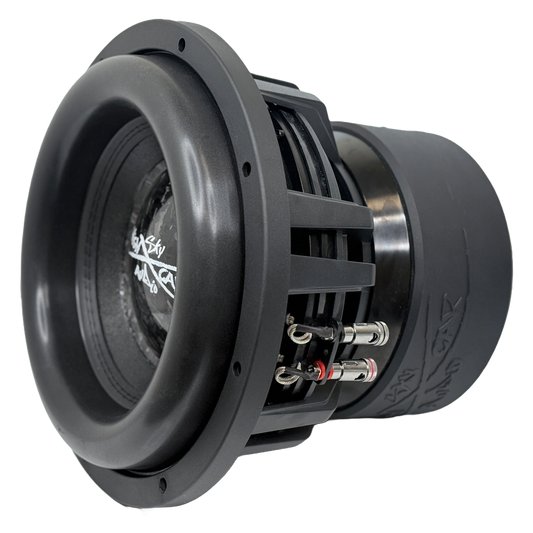
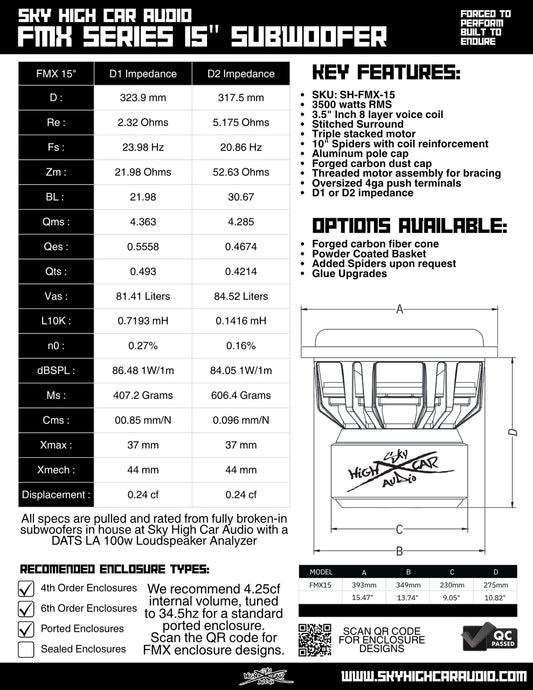
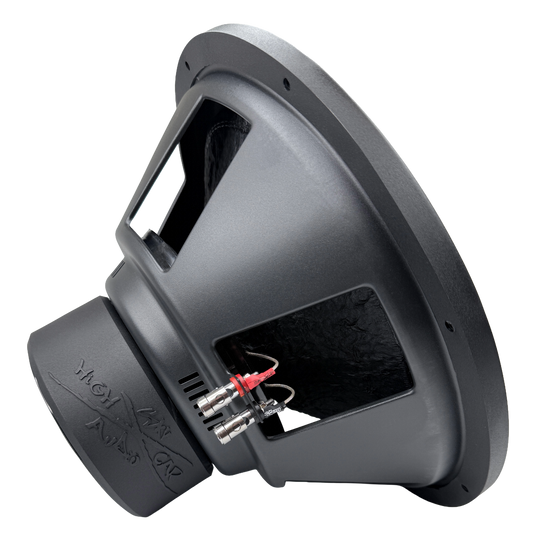
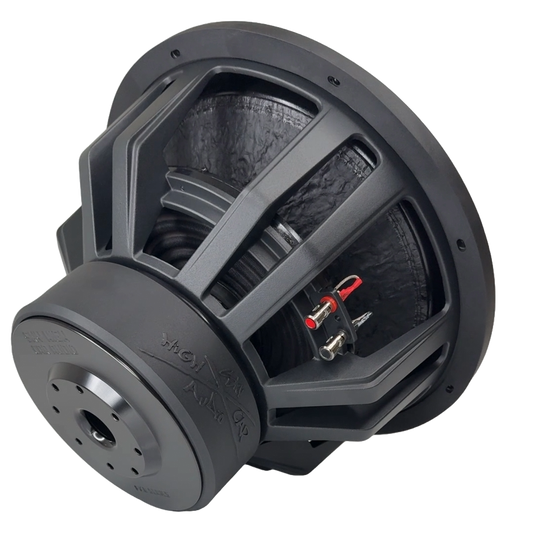
Sky High Car Audio FMX Series 15" Subwoofer – 3500W RMS D1/D2
Vendor:Sky High Car AudioRegular price $754.95 USDRegular price -
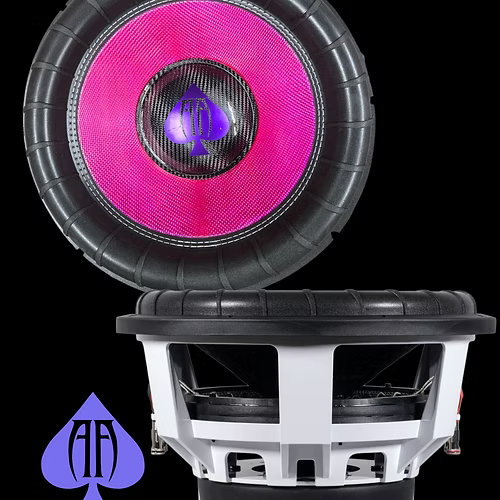
Audio Ace Jester 15” Subwoofer with Dyeable Cone – 3000W RMS Dual 2 Ohm
Vendor:Audio AceRegular price From $579.00 USDRegular price -
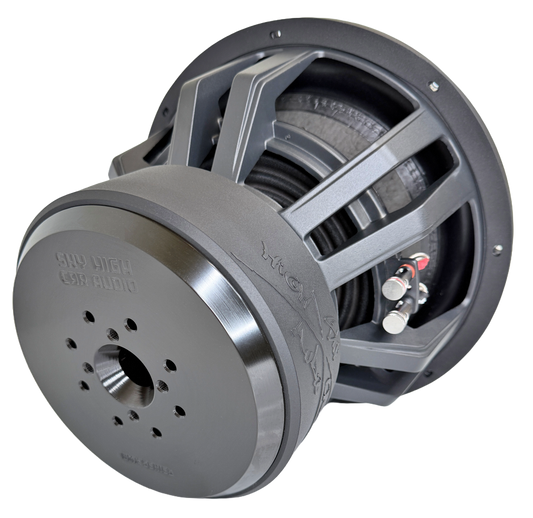
Sky High Car Audio BMX Series 15" Subwoofer – 2500W RMS D1/D2
Vendor:Sky High Car AudioRegular price $494.95 USDRegular price -
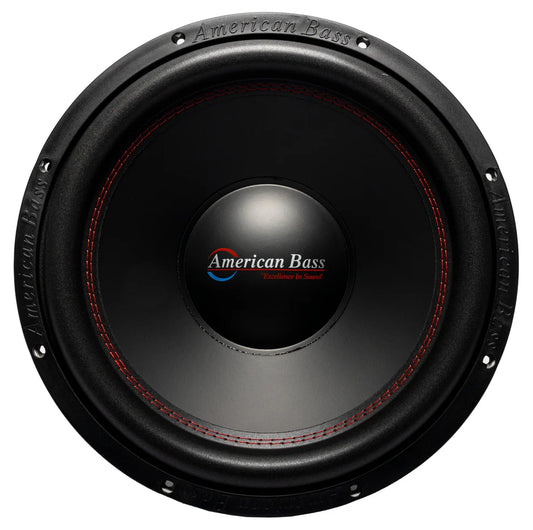
American Bass DX 15" Subwoofer – 500W RMS Single 4 Ohm
Vendor:American BassRegular price $115.92 USDRegular price -
Sky High Car Audio FXXL Series 15" Subwoofer – 5000W RMS D1/D2 Ferrite Subwoofer
Vendor:Sky High Car AudioRegular price $934.95 USDRegular price -
Sky High Car Audio FE Series 15" Subwoofer – 700W RMS D2/D4
Vendor:Sky High Car AudioRegular price $174.95 USDRegular price -
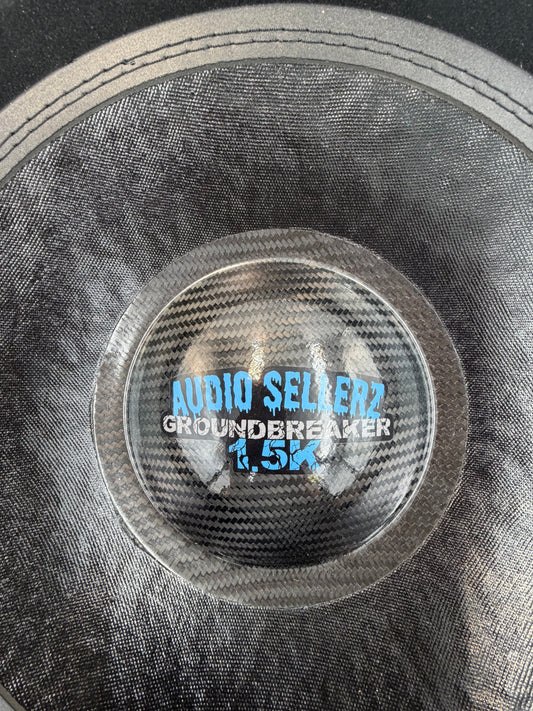
Audio Sellerz GroundBreaker 1.5K 15"
Vendor:Audio SellerzRegular price $469.99 USDRegular price -
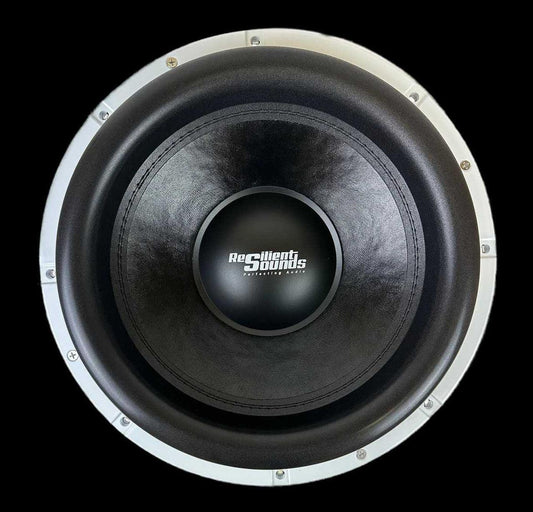
Resilient Sounds Gold 15 V2 15" Subwoofer – 1500W RMS Dual 2 or Dual 4 Ohm (Single)
Vendor:Resilient SoundsRegular price $459.99 USDRegular price -
SoundQubed HDX3 15" Competition Subwoofer 1500W RMS D1 or D2
Vendor:SoundQubedRegular price $499.95 USDRegular price -
SoundQubed HDS2.2 15" Series Subwoofer
Vendor:SoundQubedRegular price $269.95 USDRegular price -
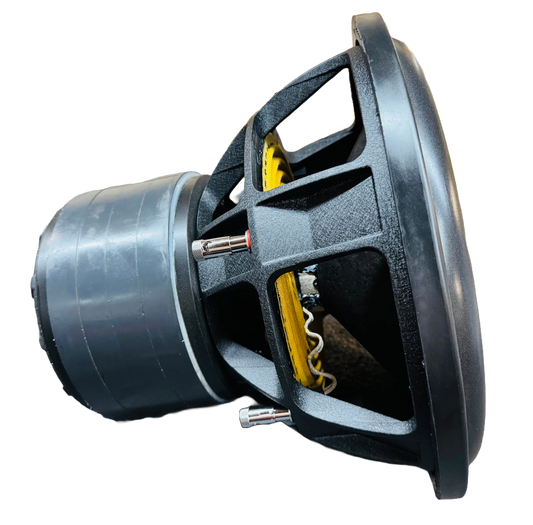
Sky High Car Audio FEX Series 15" Subwoofer 1250W RMS
Vendor:Sky High Car AudioRegular price $239.95 USDRegular price -

 Sold out
Audio Sellerz Earth Crusher 3.5K 15"
Vendor:Audio SellerzRegular price $1,099.99 USDRegular price -
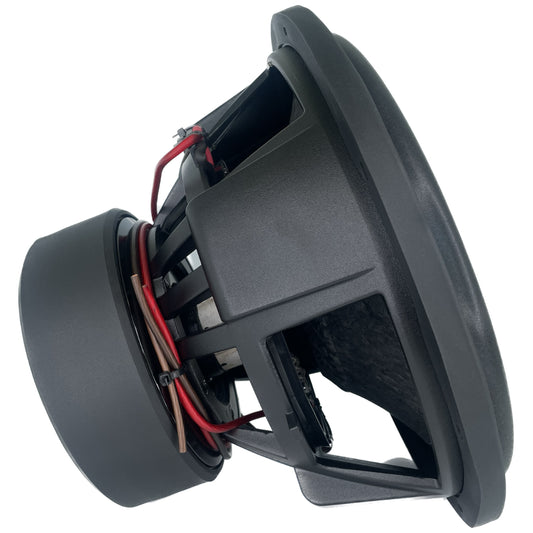
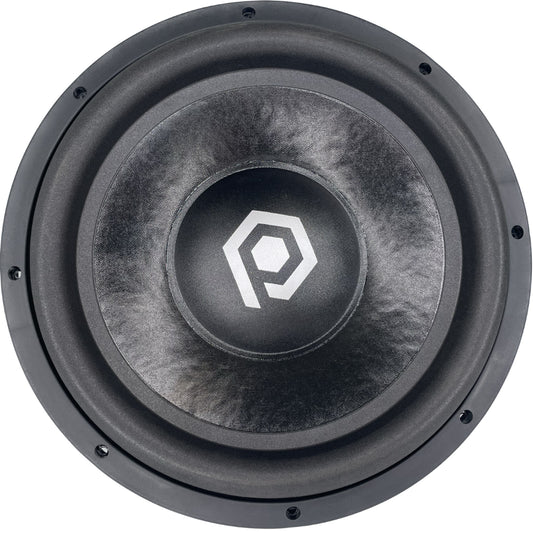
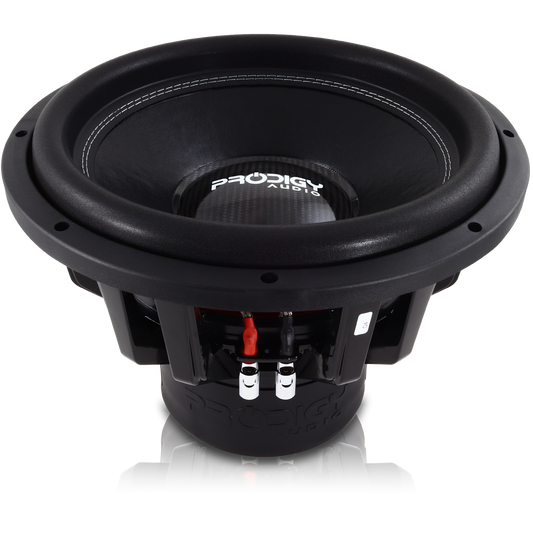
Prodigy Audio NB5-15D2 / NB5-15D4 15" 1200 Watt RMS Subwoofer
Vendor:Prodigy AudioRegular price $434.99 USDRegular price$520.99 USDSale price $434.99 USDSale -
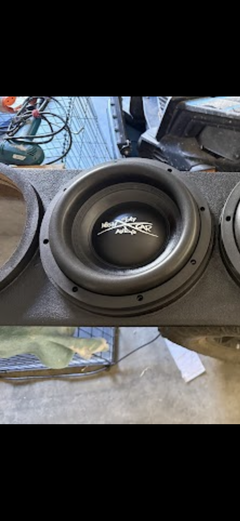
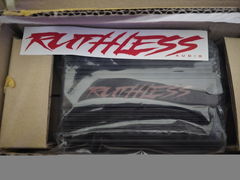
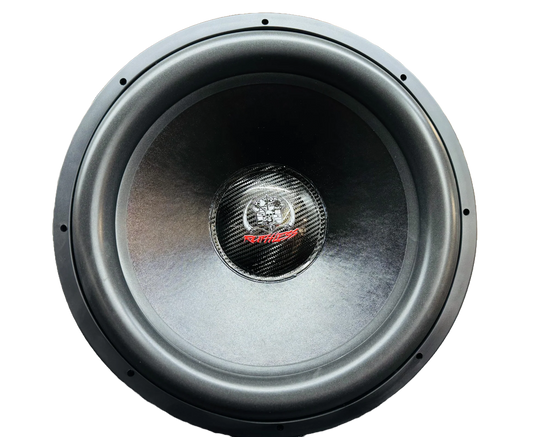
Ruthless Audio 15" Neo 4"VC Subwoofer
Vendor:Ruthless AudioRegular price $1,349.95 USDRegular price -
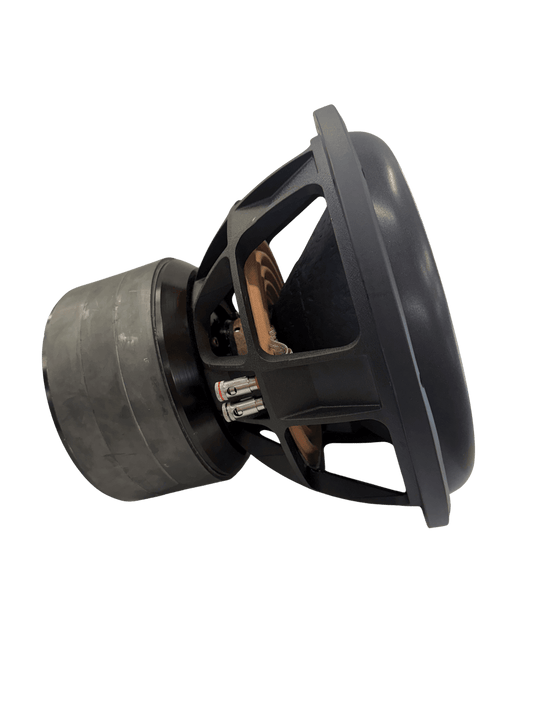
Ruthless Audio 15" 3" Coil Subwoofer Quad Stack Motor
Vendor:Ruthless AudioRegular price $749.95 USDRegular price -
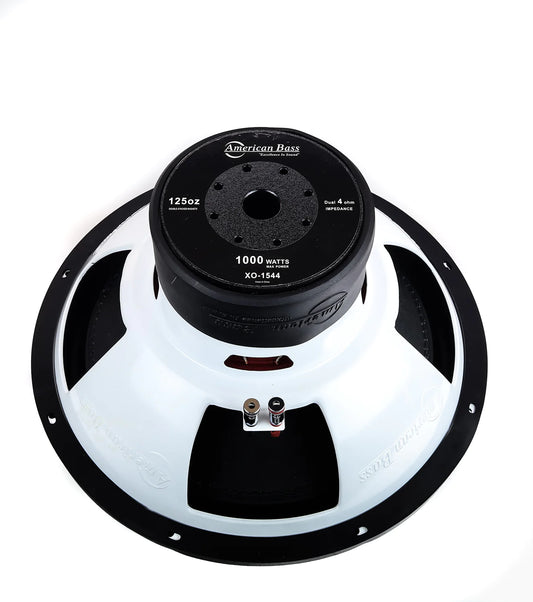
American Bass XO 15” Subwoofer – 500W RMS Dual 4 Ohm
Vendor:American BassRegular price $134.10 USDRegular price -
Audio Ace Wild 15” Subwoofer with Dyeable Cone – 2000W RMS Dual 4 Ohm
Vendor:Audio AceRegular price From $399.00 USDRegular price -
High Car Audio FXB Series 15" Subwoofer – 1500W RMS D2/D4
Vendor:Sky High Car AudioRegular price $304.95 USDRegular price -

 Sold out
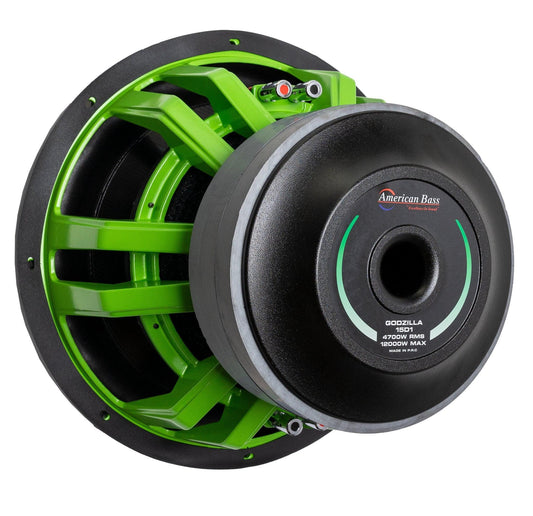
American Bass Godzilla 15" Subwoofer
Vendor:American BassRegular price $839.33 USDRegular price -
SoundQubed HDS3.2 15" Series Subwoofer
Vendor:SoundQubedRegular price $349.95 USDRegular price




















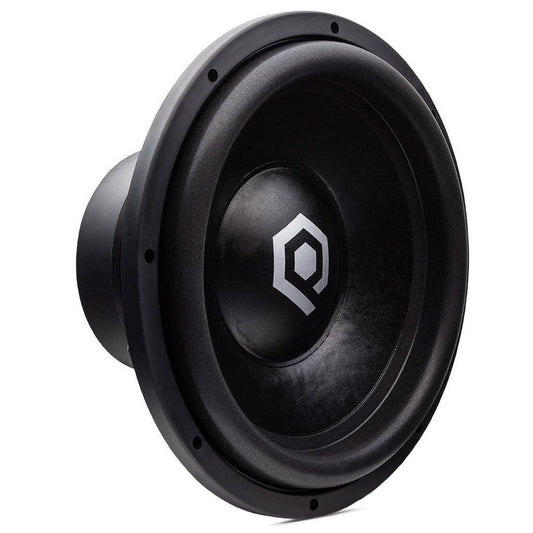
-
 Audio Ace Joker 15v4 15" Subwoofer – 1000W RMS Dual 4 Ohm (Single)Audio Ace Joker 15v4 15" Subwoofer – 1000W RMS Dual 4 Ohm (Single)Sold by AudioSellerz.com Don’t let the name fool yo...$279.00
 -
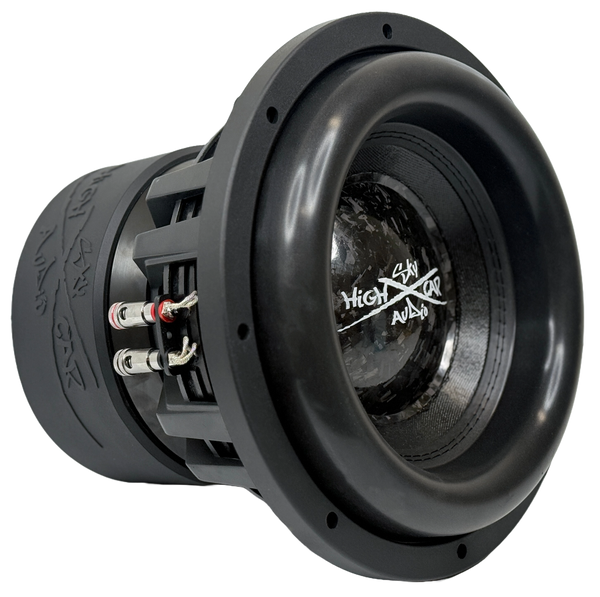 Sky High Car Audio FMX Series 15" Subwoofer – 3500W RMS D1/D2Sky High Car Audio FMX Series 15" Subwoofer – 3500W RMS D1/D2Sold by AudioSellerz.com The Sky High Car Audio FMX Seri...$754.95
 -
 Audio Ace Jester 15” Subwoofer with Dyeable Cone – 3000W RMS Dual 2 OhmAudio Ace Jester 15” Subwoofer with Dyeable Cone – 3000W RMS Dual 2 Ohm Sold by AudioSellerz.com The Audio Ace Jest...$579.00
 -
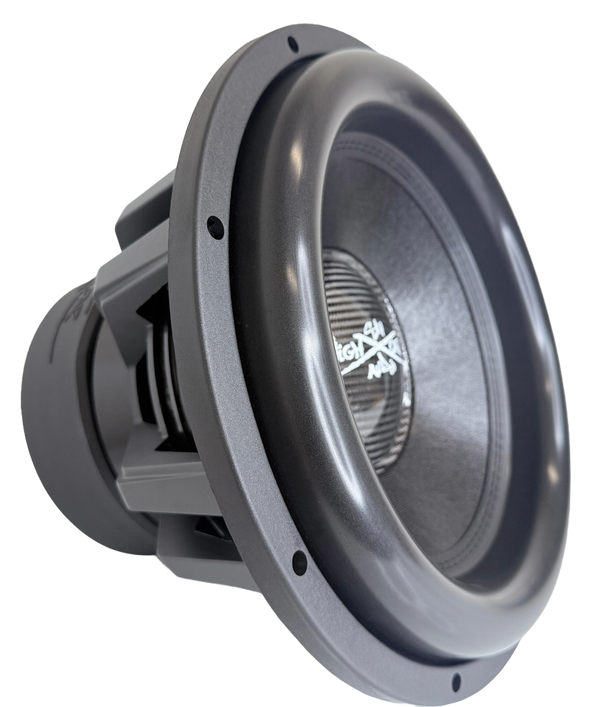 Sky High Car Audio BMX Series 15" Subwoofer – 2500W RMS D1/D2Sky High Car Audio BMX Series 15" Subwoofer – 2500W RMS High-Excursion MonsterSold by AudioSellerz.com The Sky High C...$494.95
 -
 American Bass DX 15" Subwoofer – 500W RMS Single 4 OhmAmerican Bass DX 15" Subwoofer – 500W RMS Single 4 Ohm Sold by AudioSellerz.com Shop the American Bass DX 15" Subwoof...$115.92
 -
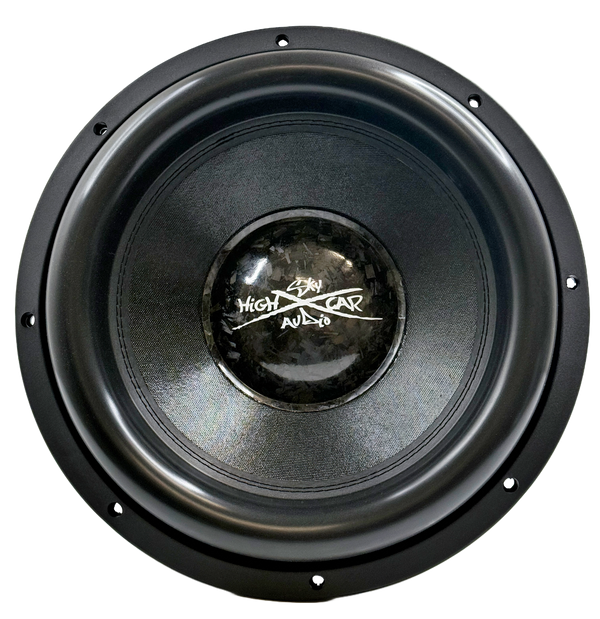 Sky High Car Audio FXXL Series 15" Subwoofer – 5000W RMS D1/D2 Ferrite SubwooferSky High Car Audio FXXL Series 15" Subwoofer – 5000W RMS D1/D2 Ferrite SubwooferSold by AudioSellerz.com The Sky High...$934.95
 -
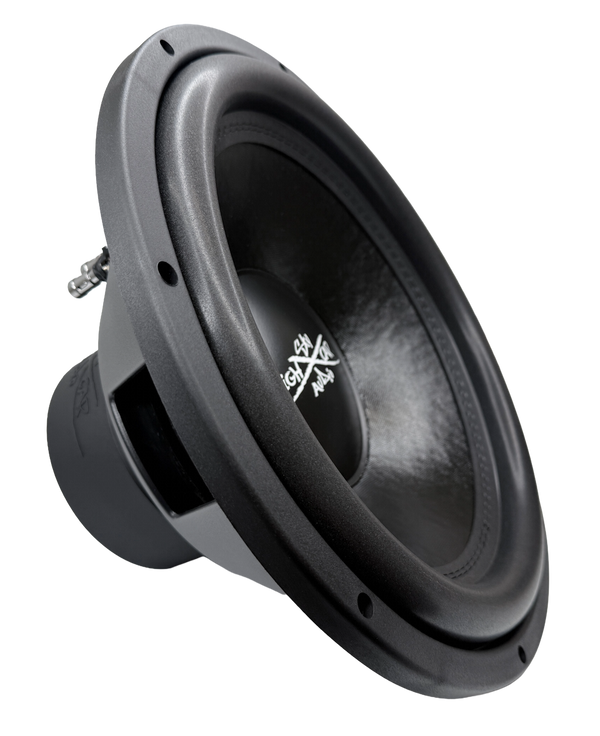 Sky High Car Audio FE Series 15" Subwoofer – 700W RMS D2/D4Sky High Car Audio FE Series 15" Subwoofer – 700W RMS Dual 2 Ohm / Dual 4 OhmSold by AudioSellerz.com The Sky High Ca...$174.95
 -
 Audio Sellerz GroundBreaker 1.5K 15"Audio Sellerz GroundBreaker 1.5K 15" Subwoofer Audio Sellerz Ground Breaker 1.5K 15" Subwoofer Sold by AudioSellerz...$469.99
 -
 Resilient Sounds Gold 15 V2 15" Subwoofer – 1500W RMS Dual 2 or Dual 4 Ohm (Single)Resilient Sounds Gold 15 V2 15" Subwoofer – 1500W RMS Dual 2 or Dual 4 Ohm (Single)Sold by AudioSellerz.com The Resil...$459.99
 -
 SoundQubed HDX3 15" Competition Subwoofer 1500W RMS D1 or D2SoundQubed HDX3 15" Competition Subwoofer 1500W RMS D1 or D2 Sold by AudioSellerz.com The SoundQubed HDX3 15" Competi...$499.95
 -
 SoundQubed HDS2.2 15" Series SubwooferSoundQubed HDS2.2 15" Series Subwoofer Sold by AudioSellerz.com The SoundQubed HDS2.2 15" Series Subwoofer is a Sound...$269.95
 -
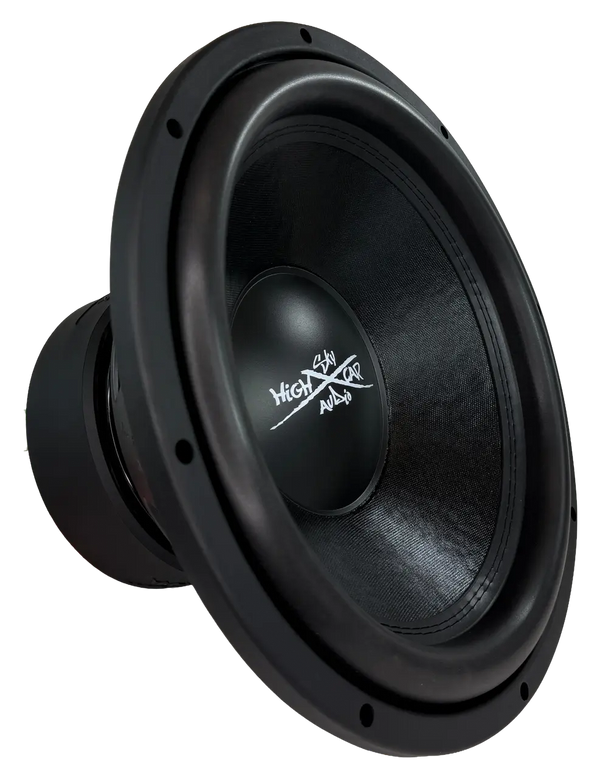 Sky High Car Audio FEX Series 15" Subwoofer 1250W RMSSky High Car Audio FEX Series 15" Subwoofer 1250W RMS Sky High Car Audio FEX Series 15" Subwoofer 1250W RMS Sold by ...$239.95
 -
 Audio Sellerz Earth Crusher 3.5K 15"Audio Sellerz Earth Crusher 3.5K 15" Subwoofer Audio Sellerz Earth Crusher 3.5K 15" Subwoofer Sold by AudioSellerz....$1,099.99
 -
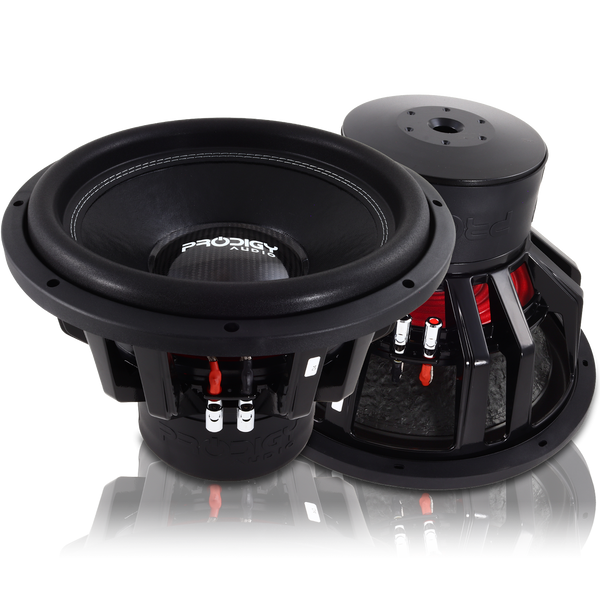 Prodigy Audio NB5-15D2 / NB5-15D4 15" 1200 Watt RMS SubwooferProdigy Audio NB5-15D2 / NB5-15D4 15" 1200 Watt RMS Subwoofer Sold by AudioSellerz.com The Prodigy Audio NB5-15D2 / N...$434.99
$520.99 -
 Ruthless Audio 15" Neo 4"VC SubwooferRuthless Audio 15" Neo 4"VC Subwoofer Sold by AudioSellerz.com The Ruthless Audio 15" Neo 4"VC Subwoofer is a 15-inch...$1,349.95
 -
 Ruthless Audio 15" 3" Coil Subwoofer Quad Stack MotorRuthless Audio 15" 3" Coil Subwoofer Quad Stack Motor Sold by AudioSellerz.com The Ruthless Audio 15" 3" Coil Subwoof...$749.95
 -
 American Bass XO 15” Subwoofer – 500W RMS Dual 4 OhmAmerican Bass XO 15” Subwoofer – 500W RMS Dual 4 Ohm Sold by AudioSellerz.com Shop the American Bass XO 15” Subwoofer...$134.10
 -
 Audio Ace Wild 15” Subwoofer with Dyeable Cone – 2000W RMS Dual 4 OhmAudio Ace Wild 15” Subwoofer with Dyeable Cone – 2000W RMS Dual 4 Ohm Sold by AudioSellerz.com The Audio Ace Wild 1...$399.00
 -
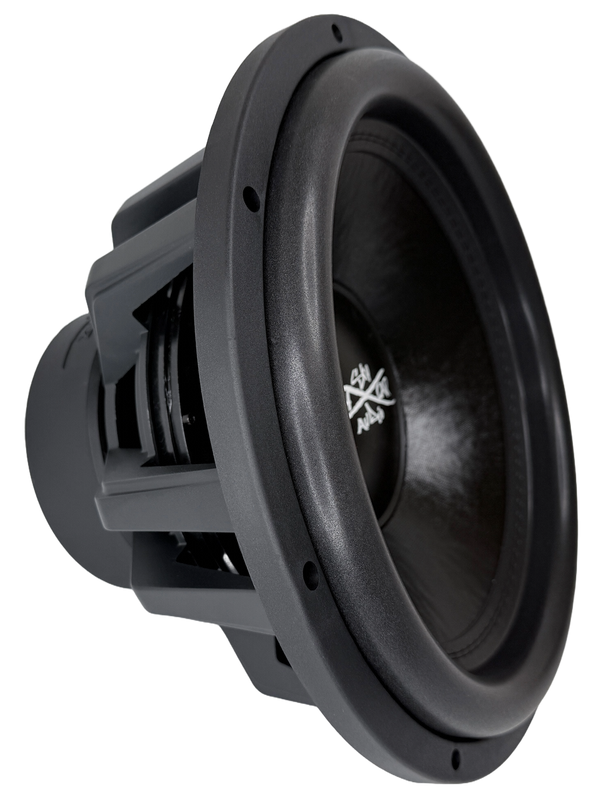 High Car Audio FXB Series 15" Subwoofer – 1500W RMS D2/D4Sky High Car Audio FXB Series 15" Subwoofer – 1500W RMS Dual 2 Ohm / Dual 4 OhmSold by AudioSellerz.com The Sky High ...$304.95
 -
 American Bass Godzilla 15" SubwooferAmerican Bass Godzilla 15" Subwoofer Sold by AudioSellerz.com The American Bass Godzilla 15" Subwoofer is built for...$839.33
 -
 SoundQubed HDS3.2 15" Series SubwooferSoundQubed HDS3.2 15" Series Subwoofer Sold by AudioSellerz.com The SoundQubed HDS3.2 15" Series Subwoofer is a Sound...$349.95


15 Inch Car Audio Subwoofers
Sold by AudioSellerz.com
Shop 15 inch subwoofers for deep daily bass, single-15 systems, dual 15-inch builds, trucks, SUVs, custom trunk setups, loud daily systems, demo vehicles, and serious high-output car audio.
A 15-inch car subwoofer gives you substantially more cone area than many smaller subwoofer sizes while still remaining practical enough for a wide range of vehicles when you have room for the correct enclosure. One properly built 15 can produce deep, powerful bass without requiring multiple subwoofers, while dual 15-inch systems can move into an entirely different level of output.
There is no single best 15 inch subwoofer for every vehicle. The right choice depends on your enclosure space, amplifier power, voice-coil configuration, electrical system, budget, music, and how loud you actually want the system to be.
If you are building the complete bass system, also compare monoblock car audio amplifiers, subwoofer boxes and enclosures, amplifier wiring kits, and car audio power, ground, and speaker wire.
Which 15-Inch Subwoofer Should You Buy?
The best way to choose a 15 is to work backward from the system you want to build. Start with available enclosure space, determine how much amplifier and electrical support you realistically want to run, and then select a subwoofer with the correct RMS power and voice-coil configuration.
Value Daily Bass: DS18 ZR 15
For customers who want the cone area of a 15-inch subwoofer without immediately jumping into a multi-thousand-watt system, the DS18 ZR 15-inch 750W RMS subwoofer is a useful place to start. It uses a dual 2-ohm voice-coil configuration and can work well in daily-driver sealed or ported systems when paired with the correct amplifier and enclosure.
Serious Daily Build: Audio Sellerz Ground Breaker 1.5K 15
For a stronger daily or loud-daily system, check out our own Audio Sellerz Ground Breaker 1.5K 15-inch subwoofer. The Ground Breaker is available in dual 2-ohm and dual 4-ohm configurations and is built around a 3-inch 4-layer American-made copper voice coil, triple-stack motor, and heavy-duty suspension.
The Ground Breaker 15 is a strong choice for a single high-output daily system or a pair of 15s when the enclosure, amplifier, wiring, batteries, and charging system are planned correctly.
You can also browse the complete Audio Sellerz Ground Breaker and Earth Crusher subwoofer lineup.
High-Power Loud Daily Build: Sky High BMX 15
If you are stepping into considerably more power, the Sky High Car Audio BMX 15-inch 2,500W RMS subwoofer is built for high-output daily systems and serious bass builds. It is available in dual 1-ohm and dual 2-ohm versions, giving builders flexibility when matching one or multiple subs to a large monoblock amplifier.
Extreme Daily and Demo Build: Audio Ace Jester 15
The Audio Ace Jester 15-inch 3,000W RMS subwoofer moves further into serious high-power territory. The Jester uses a dual 2-ohm configuration and is designed for customers building extreme daily, demo, and competition-style systems.
Its dyeable cone also gives custom builders the ability to make the subwoofer visually match the rest of a show or demo build.
Serious High-Output Build: Sky High FMX 15
For systems designed around very large amplifier power, compare the Sky High Car Audio FMX 15-inch 3,500W RMS subwoofer. Available in dual 1-ohm and dual 2-ohm configurations, the FMX belongs in a complete high-output system where enclosure design, amplifier power, electrical reserve, alternator output, wiring, fusing, and tuning are all taken seriously.
If you are comparing Sky High subwoofer families, read our Sky High FE vs FXB vs BMX vs FMX vs FXXL subwoofer guide.
Why Choose a 15-Inch Subwoofer?
A 15-inch subwoofer provides more cone area than a comparable 10-inch or 12-inch model. When the enclosure, amplifier, and electrical system are matched correctly, that extra cone area can create deeper low-frequency output, stronger bass presence, and more air movement.
A 15-inch car subwoofer can make sense for:
- Deep daily-driver bass systems
- Single 15-inch subwoofer builds
- Dual 15-inch subwoofer systems
- Custom trunk enclosures
- Truck and SUV systems with enough enclosure space
- Large ported enclosures
- Loud daily bass systems
- Demo vehicles
- Wall-style installations
- High-output car audio systems
- Competition-style builds
- Customers who want strong low-frequency impact from fewer subwoofers
A 15-inch subwoofer is not automatically slow or inaccurate. The finished sound depends on the subwoofer design, enclosure, amplifier control, crossover settings, tuning, installation, and electrical system.
Single 15-Inch vs Dual 15-Inch Subwoofers
Single 15-Inch Subwoofer
A single 15-inch subwoofer can be one of the best combinations of cone area and system simplicity for a vehicle that has enough room for the correct box.
A single 15 can work especially well when you want:
- Deep bass from one subwoofer
- More cone area than a single 10 or 12
- A simpler one-subwoofer wiring configuration
- One monoblock amplifier
- Less enclosure space than many dual-subwoofer systems
- A strong daily or loud-daily bass system
Do not underestimate a properly designed single-15 system. One quality 15-inch subwoofer in the correct enclosure with clean amplifier power can outperform a poorly planned multiple-subwoofer system.
Dual 15-Inch Subwoofers
Dual 15-inch subwoofers provide significantly more total cone area and output potential than a single-subwoofer setup.
Two 15s are commonly used for:
- Loud daily-driver systems
- Large SUV bass builds
- Custom trunk systems
- Demo vehicles
- Wall builds
- High-output installations
- Competition-style systems
The tradeoff is that a dual-15 setup requires much more planning. You need enough enclosure volume, port area, amplifier power, power wire, speaker wire, battery reserve, charging capability, and physical vehicle space.
The voice coils must also be connected to a final impedance the amplifier can safely support. Use our subwoofer wiring diagrams and final ohm-load guide before wiring multiple subwoofers.
Dual 1-Ohm, Dual 2-Ohm and Dual 4-Ohm 15-Inch Subwoofers
Voice-coil impedance does not determine whether one subwoofer is better than another. It determines the wiring combinations available and the final impedance the amplifier will see.
For one dual-voice-coil subwoofer:
- A dual 1-ohm subwoofer can commonly be wired to a 0.5-ohm or 2-ohm final load.
- A dual 2-ohm subwoofer can commonly be wired to a 1-ohm or 4-ohm final load.
- A dual 4-ohm subwoofer can commonly be wired to a 2-ohm or 8-ohm final load.
Running multiple subwoofers creates additional wiring options. Decide how many subs you plan to use and what final impedance your amplifier needs before ordering D1, D2, D4, or another coil configuration.
Never wire an amplifier below its minimum stable impedance simply because you want more power.
Matching a 15-Inch Subwoofer to the Right Amplifier
Do not choose the amplifier using peak or maximum power numbers. Use RMS power and compare the amplifier's RMS output at the final wired impedance of the subwoofer system.
Before choosing the amplifier, confirm:
- Subwoofer RMS power handling
- Number of subwoofers
- Voice-coil configuration
- Final wired impedance
- Amplifier RMS output at that impedance
- Amplifier minimum stable impedance
- Power and ground-wire requirements
- Fuse requirements
- Battery support
- Alternator support
- How hard and how often the system will be played
Browse monoblock subwoofer amplifiers to find power options for single and multiple 15-inch subwoofer systems.
The 15-Inch Subwoofer Box Matters
The enclosure can make or break a 15-inch subwoofer system.
A powerful 15 installed in the wrong box can sound weak, peaky, uncontrolled, or disappointing. The proper enclosure helps the subwoofer use its available excursion and amplifier power more effectively.
A 15-inch subwoofer box should account for:
- Manufacturer-recommended net airspace
- Subwoofer displacement
- Mounting depth
- Cutout diameter
- Magnet clearance
- Rear ventilation clearance
- Excursion clearance
- Sealed or ported enclosure design
- Port area
- Port length
- Tuning frequency
- Amplifier power
- Available vehicle space
- Daily, demo, or competition use
There is no universal 15-inch subwoofer box that works correctly with every 15. Two subwoofers with the same diameter can require completely different airspace, mounting depth, port area, and tuning.
Browse car audio subwoofer boxes and enclosures or read our sealed vs ported subwoofer box guide.
Sealed vs Ported 15-Inch Subwoofer Boxes
Sealed 15-Inch Enclosures
A sealed enclosure can provide a compact and controlled bass system when the selected 15-inch subwoofer is designed to operate in that type of box.
A sealed 15-inch box may make sense for:
- Controlled daily-driver bass
- Sound-quality-oriented systems
- Vehicles where enclosure size needs to stay manageable
- Customers who prefer a simple enclosure design
Ported 15-Inch Enclosures
A properly designed ported enclosure can provide greater efficiency and stronger output around its intended tuning range. Ported boxes are extremely common with 15-inch subs because many customers choose a 15 specifically for deeper and louder bass.
Ported 15-inch systems are popular for:
- Deep low-frequency bass
- Strong daily-driver output
- Bass-heavy music
- High-power single 15-inch systems
- Dual 15-inch systems
- Demo vehicles
- High-output builds
Ported enclosures require careful attention to net volume, port area, port length, tuning frequency, subwoofer displacement, and available excursion.
15-Inch Subwoofers for Deep Daily Bass
A 15-inch subwoofer can be an excellent daily-driver option when the vehicle has enough room for the enclosure it actually needs.
A dependable daily system should prioritize:
- Clean amplifier power
- Correct enclosure design
- Proper final impedance
- Correct power and ground wiring
- Proper fuse protection
- A secure amplifier ground
- Correct gain setting
- Correct crossover and subsonic-filter settings
- Stable electrical-system voltage
A daily-driver bass system does not need multiple subwoofers. One properly matched 15 can create a large low-frequency presence while keeping the system relatively simple.
15-Inch Subwoofers for Loud and High-Power Builds
Fifteen-inch subwoofers are also extremely popular in high-output systems because they provide substantial cone area while still fitting into many large trunk, SUV, and wall-style builds.
A serious high-power 15-inch system may include:
- One high-power 15-inch subwoofer
- Dual or multiple 15-inch subwoofers
- A large custom ported enclosure
- A high-output monoblock amplifier
- Multiple runs of power and ground wire
- A Big 3 electrical upgrade
- Additional battery reserve
- A high-output alternator
- Heavy fuse protection and power distribution
- Voltage monitoring
- Careful amplifier tuning
The need for electrical upgrades is based primarily on amplifier current demand, system voltage, battery capacity, charging capability, and how the system is used—not simply the diameter of the subwoofer.
What Size Wire Does a 15-Inch Subwoofer System Need?
Wire size is determined by amplifier current demand, run length, conductor material, system voltage, and fuse requirements.
A 750W RMS single-15 system does not have the same electrical requirements as a 3,500W RMS single 15 or a pair of high-power 15-inch subwoofers.
Depending on amplifier demand, a system may require:
- 4-gauge power and ground wire
- 1/0-gauge power and ground wire
- Multiple 1/0-gauge runs
- Heavy speaker wire
- ANL fuse protection
- Distribution blocks
- Big 3 charging-system wiring
Use our car audio wire gauge and fuse size guide before choosing wiring based on guesswork.
You can also browse car audio wire and complete amplifier wiring kits.
15-Inch vs 12-Inch Subwoofers
A 12-inch subwoofer is generally easier to fit and can provide an excellent balance of output and enclosure size. A 15-inch subwoofer gives you more cone area and can provide a larger low-frequency presence when the vehicle has enough space for the proper enclosure.
Choose a 12-Inch Subwoofer When:
- Vehicle or cargo space is limited
- You need a smaller enclosure
- You want a practical daily-driver system
- You want flexible single or dual-subwoofer options
Choose a 15-Inch Subwoofer When:
- You want more cone area from one subwoofer
- You want deeper low-frequency presence
- You have room for the required enclosure
- You are planning a louder daily system
- You are moving into a higher-output build
If a 15 is larger than your vehicle can realistically support, compare our 12-inch car audio subwoofers.
15-Inch vs 18-Inch Subwoofers
A 15-inch subwoofer provides serious cone area and deep bass while remaining easier to package in many vehicles than an 18-inch system.
Choose a 15-Inch Subwoofer When:
- You want serious bass with a more manageable enclosure
- You are building a daily or loud-daily system
- You need more installation flexibility
- You want a balance of cone area and practicality
Choose an 18-Inch Subwoofer When:
- Maximum cone area is a priority
- The vehicle has substantial enclosure space
- The entire build is designed around high output
- The amplifier and electrical system can support it
Compare our 18-inch car audio subwoofers if you have the space for an even larger enclosure and want additional cone area.
Electrical Support for High-Power 15-Inch Subwoofers
As amplifier power increases, electrical support becomes increasingly important.
A high-power 15-inch system may need:
- Properly sized OFC power and ground wire
- A clean chassis or direct battery ground
- Correct fuse protection
- Heavy power-distribution hardware
- A Big 3 wiring upgrade
- Additional battery capacity
- A high-output car audio alternator
A larger battery alone does not create additional alternator charging output. The battery, alternator, wiring, grounding, amplifier, and subwoofers all need to work together.
Common 15-Inch Subwoofer Installation Mistakes
- Choosing a subwoofer only by maximum or peak wattage
- Assuming every 15-inch subwoofer needs the same box
- Ignoring mounting depth
- Ignoring excursion clearance
- Building an enclosure with insufficient internal airspace
- Using inadequate port area
- Tuning a ported box incorrectly
- Choosing the wrong voice-coil configuration
- Wiring below the amplifier's minimum stable impedance
- Using undersized power or ground wire
- Skipping proper fuse protection
- Using a weak amplifier ground
- Setting gain like a volume control
- Using excessive bass boost
- Ignoring voltage drop
- Ignoring battery and alternator limitations
- Buying individual parts before planning the complete system
Our complete car audio bass setup guide explains how the subwoofer, amplifier, enclosure, wiring, and electrical system work together.
Complete Your 15-Inch Bass System
Once you choose the subwoofer, make sure the rest of the system can support it.
- Shop monoblock amplifiers
- Shop subwoofer boxes and enclosures
- Shop amplifier wiring kits
- Shop car audio wire
- Shop Big 3 upgrade kits
- Shop high-output alternators
- Shop Audio Sellerz Ground Breaker and Earth Crusher subwoofers
Helpful 15-Inch Subwoofer and Installation Guides
- Subwoofer Wiring Diagrams & Ohm Load Guide
- Sealed vs Ported Subwoofer Box Guide
- Car Audio Wire Gauge & Fuse Size Guide
- Car Audio Amplifier Grounding Guide
- Complete Car Audio Bass System Guide
- Sky High Subwoofer Series Comparison
Why Buy 15-Inch Subwoofers from Audio Sellerz?
Audio Sellerz is a real car audio shop, not just a website listing equipment. We work with daily-driver bass systems, custom enclosures, electrical upgrades, high-power builds, demo vehicles, and competition-style systems.
Audio Sellerz owner Aaron Bryant has years of hands-on experience installing, building, testing, and competing with car audio systems, including winning a MECA World Championship with a 159.01 dB system.
That experience is why we look at the complete system instead of simply telling customers to buy the subwoofer with the largest number printed on it.
The best 15-inch subwoofer for your vehicle needs to work with your enclosure space, amplifier, final impedance, wire, battery reserve, alternator, budget, and actual bass goal.
If you are not sure which 15, amplifier, coil configuration, box, or electrical upgrade you need, contact Audio Sellerz for help building the system. We would rather help you match the equipment correctly before you order than have you end up with parts that do not work together.
15-Inch Subwoofer Frequently Asked Questions
Is a 15-inch subwoofer good for a daily driver?
Yes. A 15-inch subwoofer can be an excellent daily-driver choice when the vehicle has enough space for the correct enclosure and the amplifier and electrical system are matched properly.
Is one 15-inch subwoofer enough?
Absolutely. One quality 15-inch subwoofer in the correct enclosure with a properly matched amplifier can produce substantial bass. Many strong daily-driver systems use one 15.
Are two 15-inch subwoofers better than one?
Dual 15s provide more total cone area and greater output potential, but they also require considerably more enclosure space, amplifier power, wiring, battery reserve, and charging support.
What is the best 15 inch subwoofer?
The best 15 inch subwoofer depends on the system. A moderate-power 15 can be an excellent choice for a simple daily system, while a 1,500W, 2,500W, or 3,500W RMS subwoofer only makes sense when the amplifier, box, wiring, batteries, and charging system are built to support that level of power.
Do 15-inch subwoofers hit deeper than 12-inch subwoofers?
A 15-inch subwoofer has more cone area than a comparable 12, but subwoofer size alone does not determine how deep the system plays. Enclosure design, tuning, excursion, motor design, vehicle acoustics, and amplifier power all matter.
Are 15-inch subwoofers slow?
No. A properly designed and installed 15-inch subwoofer is not automatically slow. Enclosure design, motor strength, moving mass, amplifier control, crossover settings, and tuning all influence how the finished system sounds.
What amplifier do I need for a 15-inch subwoofer?
Match the amplifier to the subwoofer's RMS power handling and final wired impedance. Also make sure the vehicle's electrical system and wiring can support the amplifier's current demand.
What size box does a 15-inch subwoofer need?
There is no universal box size for a 15. Follow the specifications for the exact subwoofer. Different 15-inch models may require very different sealed or ported airspace, mounting depth, port area, and tuning.
Is a sealed or ported box better for a 15-inch subwoofer?
Neither is automatically better. A sealed enclosure may be smaller and more controlled, while a properly designed ported enclosure can provide greater efficiency and output around its tuning range. The correct choice depends on the subwoofer and the goal of the system.
Can I run a 15-inch subwoofer on a factory radio?
Yes. The factory radio can often remain in the vehicle, but the system will normally need a dedicated subwoofer amplifier and an appropriate method of getting audio signal from the factory system to that amplifier.
Do I need an extra battery for a 15-inch subwoofer?
Not necessarily. Electrical requirements depend on amplifier power and current demand rather than the diameter of the subwoofer. A moderate-power single 15 may need very different electrical support than a 3,000W or 5,000W bass system.
Do I need a high-output alternator for a 15-inch subwoofer?
Not automatically. The need for a high-output alternator depends on amplifier current demand, factory alternator capacity, battery system, listening habits, vehicle electrical demand, and system voltage.
What else do I need with a 15-inch subwoofer?
Most systems need a properly matched monoblock amplifier, correct enclosure, amplifier wiring kit, speaker wire, fuse protection, a secure ground, signal integration, and proper tuning. Larger systems may also require a Big 3 upgrade, additional batteries, and a high-output alternator.
Shop 15-Inch Car Audio Subwoofers
Browse the 15-inch subwoofers on this page for daily-driver bass, single-15 systems, dual 15-inch builds, deep low-frequency setups, loud daily systems, custom enclosures, demo vehicles, and serious high-power car audio.
Choose the subwoofer around the complete system—not simply the biggest RMS number. If you need help matching your 15-inch subwoofer, amplifier, enclosure, wiring, or electrical system, reach out to Audio Sellerz and we will help you plan it correctly.
Follow Audio Sellerz
Follow Audio Sellerz for car audio builds, product demonstrations, installation information, electrical-upgrade tips, new products, and behind-the-scenes shop content.
Follow Audio Sellerz on Facebook | Follow Audio Sellerz on Instagram | Follow Audio Sellerz on TikTok | Subscribe to Audio Sellerz on YouTube
Helpful Audio Sellerz Links
Shop All Car Audio Subwoofers | Shop 12-Inch Subwoofers | Shop 18-Inch Subwoofers | Shop Monoblock Amplifiers | Shop Subwoofer Boxes | Shop Car Audio Wire | Shop Amp Kits | Shop Big 3 Kits | Shop High-Output Alternators | Read Audio Sellerz Car Audio Guides