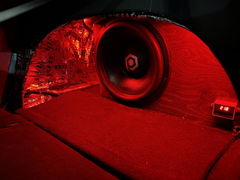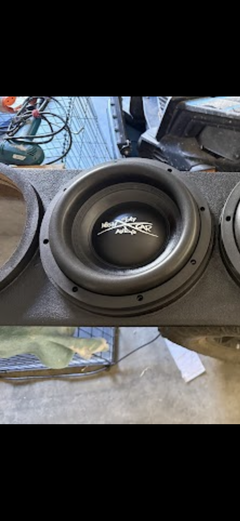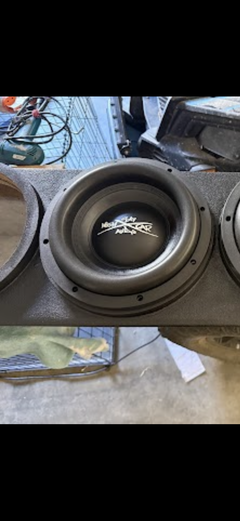
18 Inch Subwoofers
-
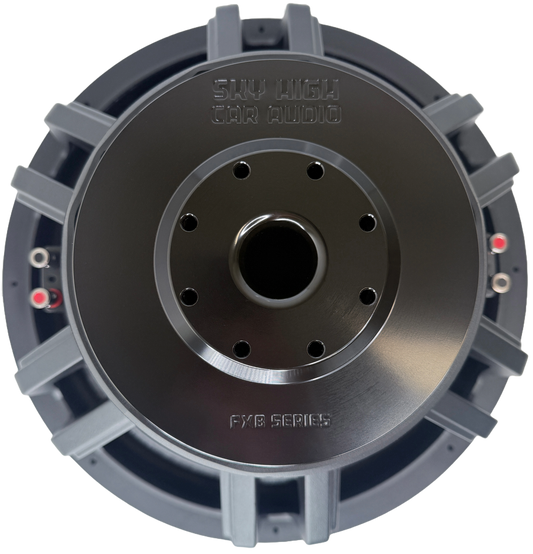
Sky High Car Audio FXB Series 18" Subwoofer – 1500W RMS D2/D4
Vendor:Sky High Car AudioRegular price $354.95 USDRegular price -
Sky High Car Audio BMX Series 18" Subwoofer – 2500W RMS D1/D2
Vendor:Sky High Car AudioRegular price $544.95 USDRegular price -
Audio Ace Jester 18” Subwoofer with Dyeable Cone – 3000W RMS Dual 2 Ohm
Vendor:Audio AceRegular price From $619.99 USDRegular price -
Sky High Car Audio FXXL 18” Subwoofer – 5000W RMS Ferrite D1/D2
Vendor:Sky High Car AudioRegular price $994.95 USDRegular price -
Sky High Car Audio FEX Series 18" Subwoofer 1250W RMS
Vendor:Sky High Car AudioRegular price $289.95 USDRegular price -

 Sold out
Audio Sellerz Earth Crusher 3.5K 18"
Vendor:Audio SellerzRegular price $1,149.99 USDRegular price -
Audio Sellerz GroundBreaker 1.5K 18"
Vendor:Audio SellerzRegular price $479.99 USDRegular price -
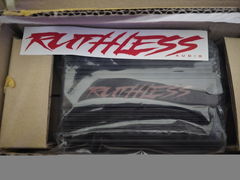
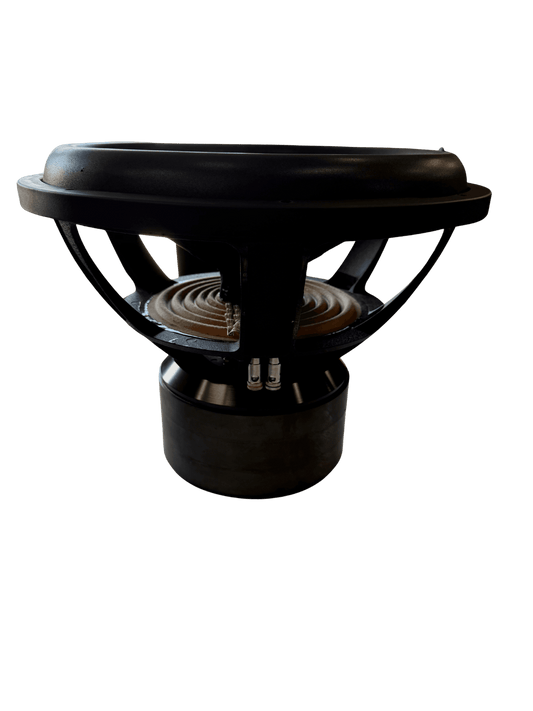
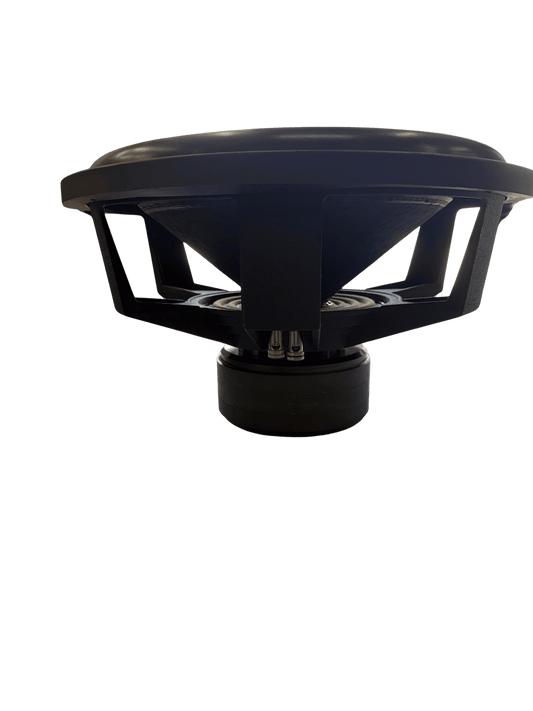
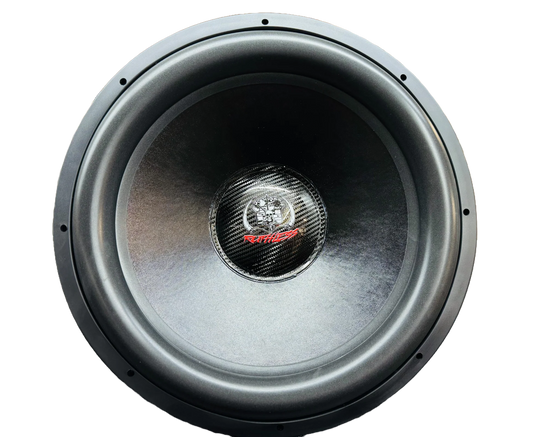
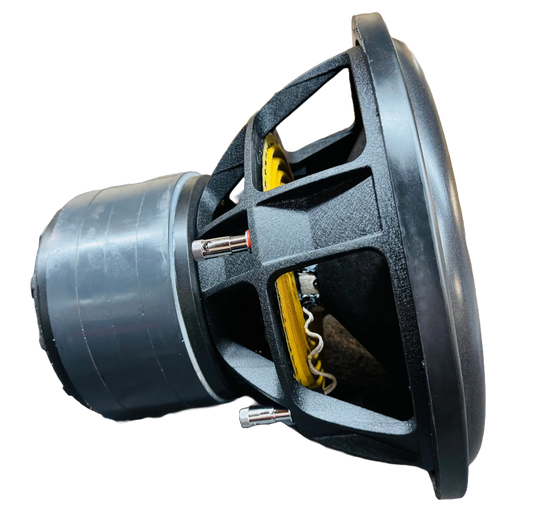
Ruthless Audio 18" Neo 4"VC Subwoofer
Vendor:Ruthless AudioRegular price $1,399.95 USDRegular price -
Ruthless Audio 18" 3" Coil Subwoofer Quad Stack Motor
Vendor:Ruthless AudioRegular price $799.95 USDRegular price -
Sky High Car Audio FMX Series 18" Subwoofer – 3500W RMS D1/D2
Vendor:Sky High Car AudioRegular price $794.95 USDRegular price -
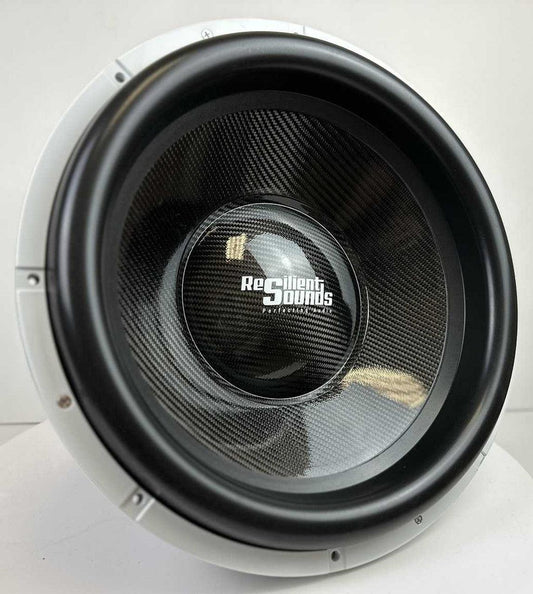
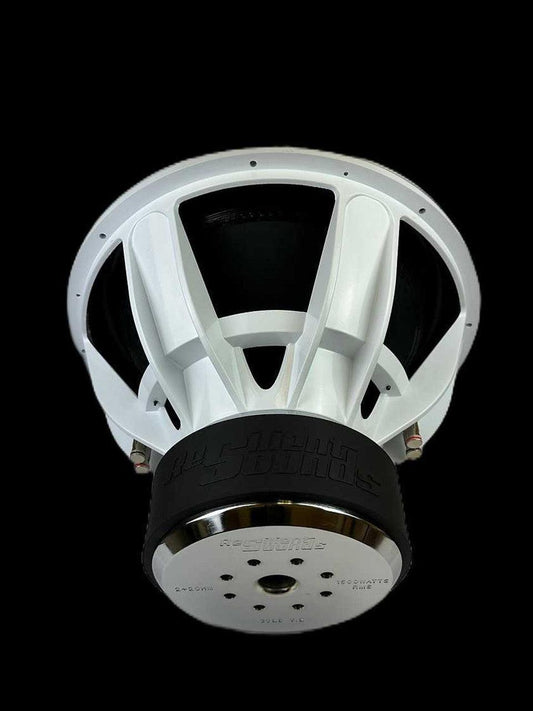
Resilient Sounds Platinum 18 V2 18" Subwoofer – 2500W RMS Dual 1 or Dual 2 Ohm (Single)
Vendor:Resilient SoundsRegular price $749.99 USDRegular price -
Resilient Sounds Gold 18 V2 18" Subwoofer – 1500W RMS Dual 2 or Dual 4 Ohm (Single)
Vendor:Resilient SoundsRegular price $499.99 USDRegular price -
SoundQubed HDX4 18" Competition Subwoofer 2000W RMS D1 or D2
Vendor:SoundQubedRegular price $899.95 USDRegular price -
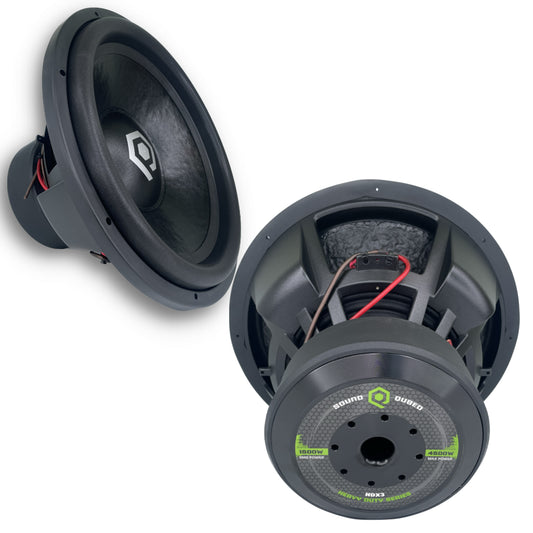
SoundQubed HDX3 18" Competition Subwoofer 1500W RMS D1 or D2
Vendor:SoundQubedRegular price $549.95 USDRegular price -

 Sold out
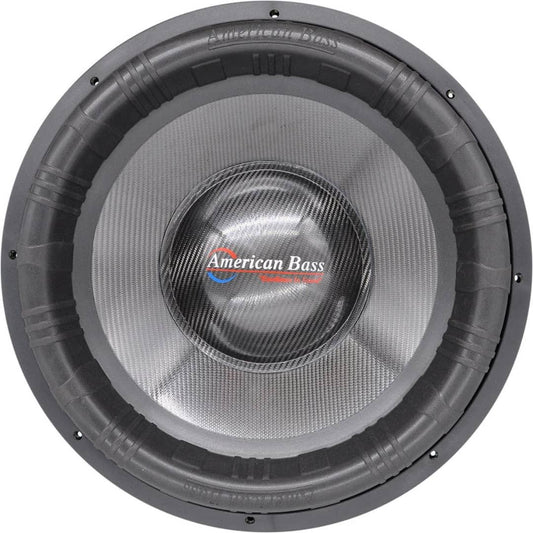
American Bass Godzilla 18" Subwoofer
Vendor:American BassRegular price $1,068.48 USDRegular price















-
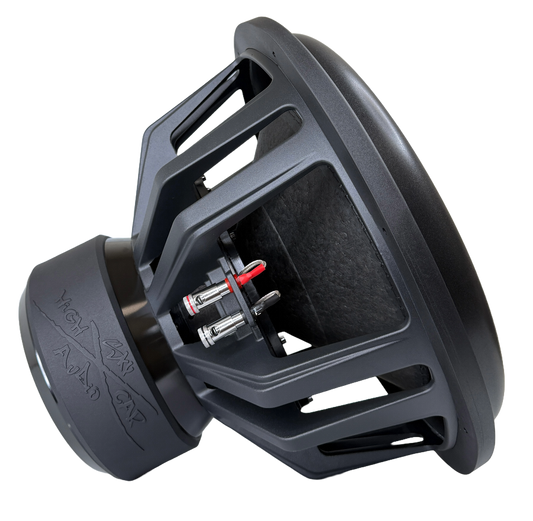
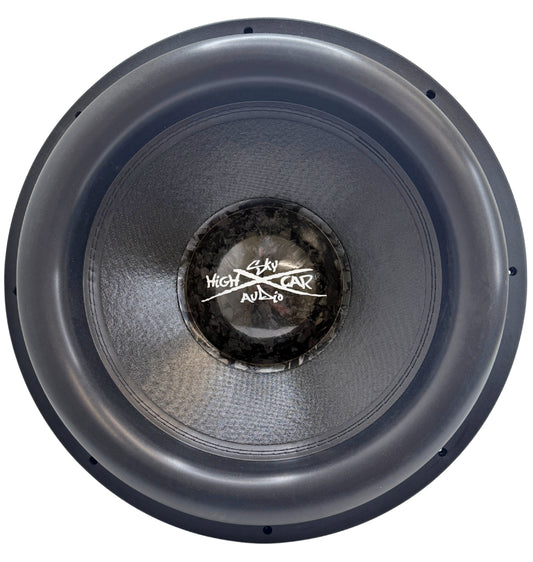
 Sky High Car Audio FXB Series 18" Subwoofer – 1500W RMS D2/D4Sky High Car Audio FXB Series 18" Subwoofer – 1500W RMS Dual 2 Ohm / Dual 4 OhmSold by AudioSellerz.com The Sky High ...$354.95
 -
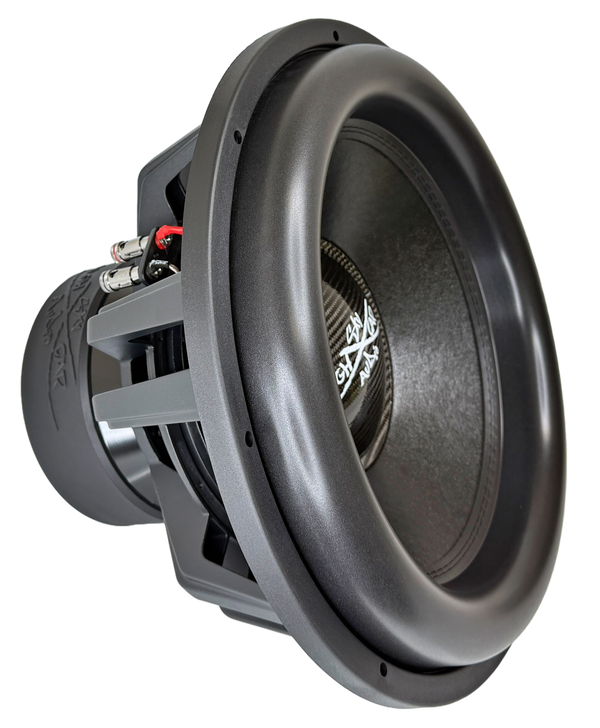 Sky High Car Audio BMX Series 18" Subwoofer – 2500W RMS D1/D2Sky High Car Audio BMX Series 18" Subwoofer – 2500W RMS High-Excursion MonsterSold by AudioSellerz.com The Sky High C...$544.95
 -
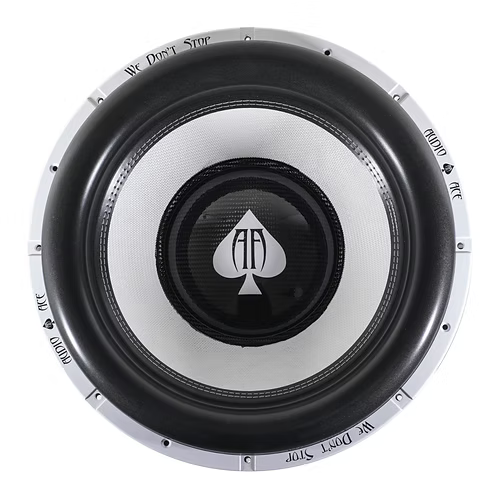
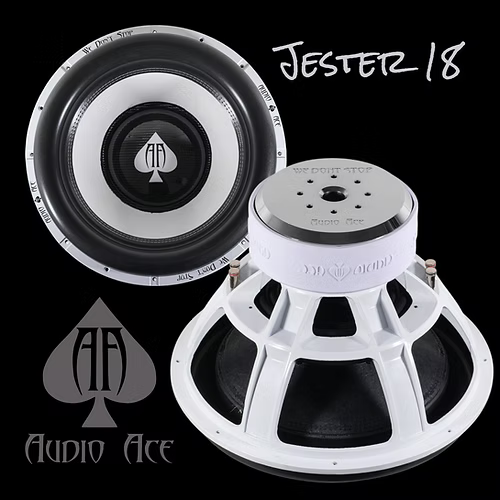 Audio Ace Jester 18” Subwoofer with Dyeable Cone – 3000W RMS Dual 2 OhmAudio Ace Jester 18” Subwoofer with Dyeable Cone – 3000W RMS Dual 2 Ohm Sold by AudioSellerz.com The Audio Ace Jest...$619.99
 -
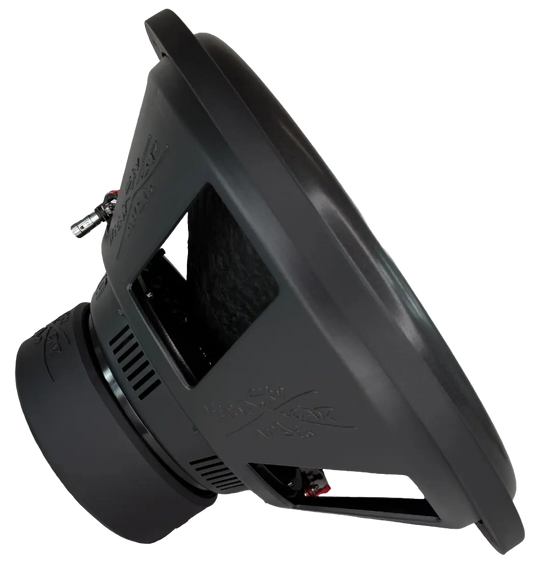
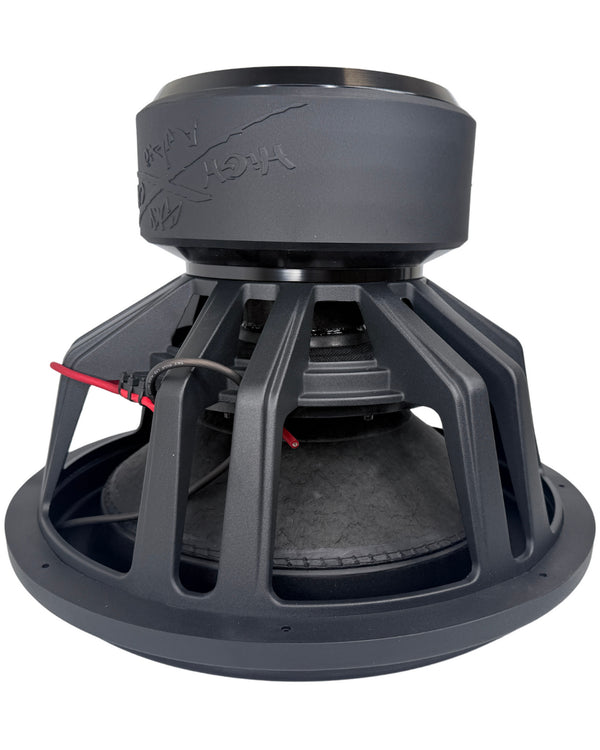 Sky High Car Audio FXXL 18” Subwoofer – 5000W RMS Ferrite D1/D2Sky High Car Audio FXXL 18” Subwoofer – 5000W RMS Ferrite D1/D2 Sold by AudioSellerz.com The Sky High Car Audio FXX...$994.95
 -
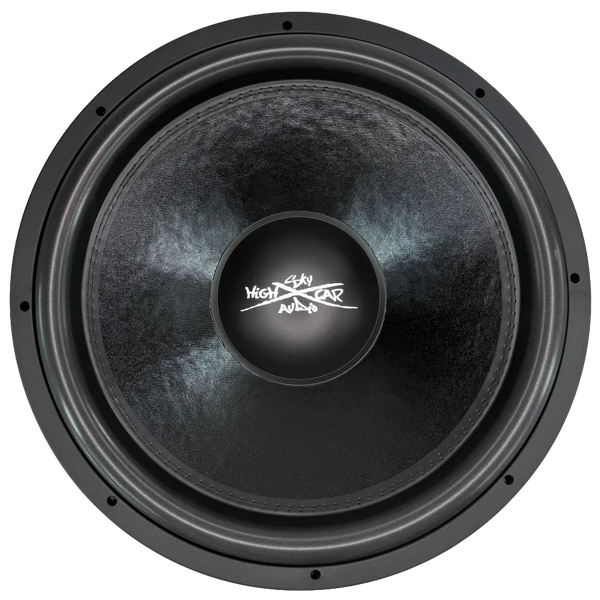 Sky High Car Audio FEX Series 18" Subwoofer 1250W RMSSky High Car Audio FEX Series 18" Subwoofer 1250W RMS Sky High Car Audio FEX Series 18" Subwoofer 1250W RMS Sold by ...$289.95
 -
 Audio Sellerz Earth Crusher 3.5K 18"Audio Sellerz Earth Crusher 3.5K 18" Subwoofer Audio Sellerz Earth Crusher 3.5K 18" Subwoofer Sold by AudioSellerz....$1,149.99
 -
 Audio Sellerz GroundBreaker 1.5K 18"Audio Sellerz GroundBreaker 1.5K 18" Subwoofer Audio Sellerz Ground Breaker 1.5K 18" Subwoofer Sold by AudioSellerz...$479.99
 -
 Ruthless Audio 18" Neo 4"VC SubwooferRuthless Audio 18" Neo 4"VC Subwoofer Sold by AudioSellerz.com The Ruthless Audio 18" Neo 4"VC Subwoofer is a 18-inch...$1,399.95
 -
 Ruthless Audio 18" 3" Coil Subwoofer Quad Stack MotorRuthless Audio 18" 3" Coil Subwoofer Quad Stack Motor Sold by AudioSellerz.com The Ruthless Audio 18" 3" Coil Subwoof...$799.95
 -
 Sky High Car Audio FMX Series 18" Subwoofer – 3500W RMS D1/D2Sky High Car Audio FMX Series 18" Subwoofer – 3500W RMS D1/D2Sold by AudioSellerz.com The Sky High Car Audio FMX Seri...$794.95
 -
 Resilient Sounds Platinum 18 V2 18" Subwoofer – 2500W RMS Dual 1 or Dual 2 Ohm (Single)Resilient Sounds Platinum 18 V2 18" Subwoofer – 2500W RMS Dual 1 or Dual 2 Ohm (Single)Sold by AudioSellerz.com The R...$749.99
 -
 Resilient Sounds Gold 18 V2 18" Subwoofer – 1500W RMS Dual 2 or Dual 4 Ohm (Single)Resilient Sounds Gold 18 V2 18" Subwoofer – 1500W RMS Dual 2 or Dual 4 Ohm (Single)Sold by AudioSellerz.com The Resil...$499.99
 -
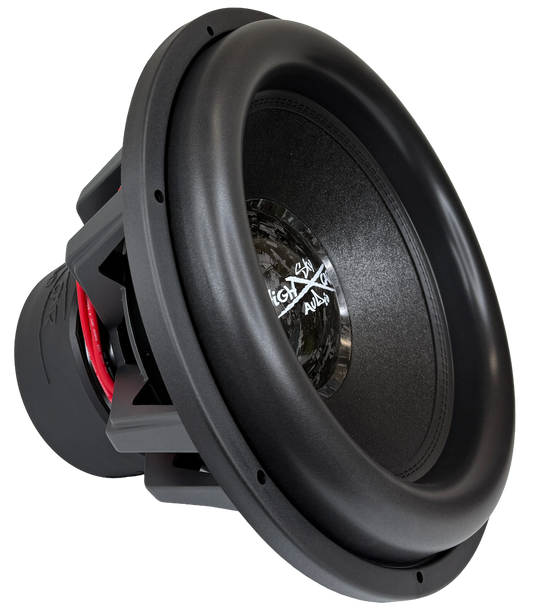
 SoundQubed HDX4 18" Competition Subwoofer 2000W RMS D1 or D2SoundQubed HDX4 18" Competition Subwoofer 2000W RMS D1 or D2 Sold by AudioSellerz.com Build around the exact SoundQub...$899.95
 -
 SoundQubed HDX3 18" Competition Subwoofer 1500W RMS D1 or D2SoundQubed HDX3 18" Competition Subwoofer 1500W RMS D1 or D2 Sold by AudioSellerz.com The SoundQubed HDX3 18" Competi...$549.95
 -
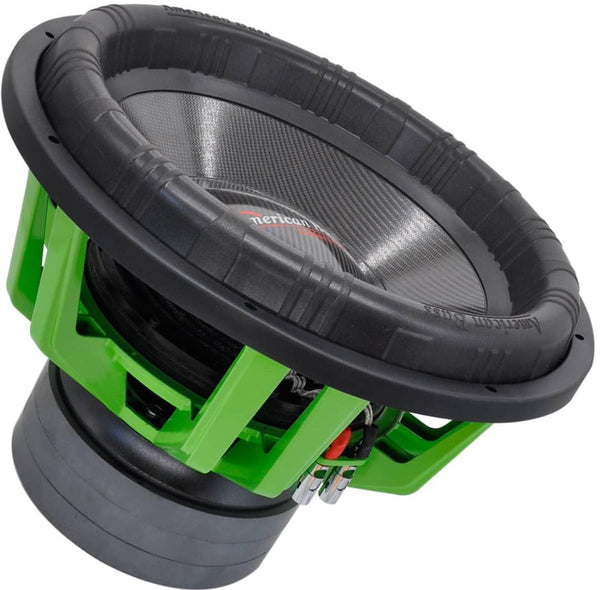 American Bass Godzilla 18" SubwooferAmerican Bass Godzilla 18" Subwoofer Sold by AudioSellerz.com The American Bass Godzilla 18" Subwoofer is built for...$1,068.48


18 Inch Subwoofers
Sold by AudioSellerz.com
Shop 18 inch subwoofers for car audio, single-18 systems, dual 18-inch builds, SUVs, hatchbacks, custom trunks, demo vehicles, wall builds and serious high-output bass systems. An 18-inch subwoofer provides massive cone area and can produce deep low-frequency output when the enclosure, amplifier, wiring and electrical system are designed around the driver correctly.
Audio Sellerz carries 18 inch car subwoofers for everything from strong daily systems to loud daily, demo and competition-style builds. Compare 1500-watt, 2000-watt, 2500-watt, 3000-watt, 3500-watt and 5000-watt-class 18-inch options from major car audio brands.
Shop Monoblock Amplifiers | Shop 18 Inch Subwoofer Boxes | Shop Amp Kits | Shop Power & Speaker Wire
Why Choose an 18 Inch Subwoofer?
An 18 inch subwoofer offers more cone area than common 10-inch, 12-inch and 15-inch subs. More cone area can help move more air and create a larger low-frequency presence when the rest of the system can support it.
Eighteen-inch subwoofers are commonly used for:
- Deep daily-driver bass
- Single high-output 18-inch systems
- Dual 18-inch systems
- Large SUVs and hatchbacks
- Custom trunk builds
- Demo vehicles
- Wall-style enclosures
- Blow-through builds
- High-power daily systems
- Competition-oriented car audio
A larger subwoofer is not automatically better. If the vehicle cannot fit the correct enclosure or the electrical system cannot support the amplifier, a properly designed 12-inch or 15-inch system may perform better.
Best 18 Inch Subwoofers for Different Builds
There is no single best 18 inch subwoofer for every system. A 1500-watt daily driver and a 5000-watt demo build require completely different amplifiers, electrical systems and enclosures.
Strong Daily Build: Sky High FXB 18
For a strong daily-driver or louder single-18 system, consider the Sky High Car Audio FXB Series 18 Inch Subwoofer.
The FXB 18 is rated at 1500 watts RMS and is available in Dual 2 Ohm and Dual 4 Ohm configurations. It is a useful starting point for customers who want the cone area of an 18 without immediately jumping into a 3000- to 5000-watt-class system.
Another 1500W Option: Resilient Sounds Gold 18 V2
The Resilient Sounds Gold 18 V2 is another 1500-watt RMS option and is offered in Dual 2 Ohm and Dual 4 Ohm configurations.
This type of 18-inch sub can work well in a strong daily system where the enclosure, amplifier and electrical system are properly matched.
Serious Loud Daily: Sky High BMX 18
For a larger jump in output capability, compare the Sky High Car Audio BMX Series 18 Inch Subwoofer.
The BMX 18 is rated at 2500 watts RMS and is available in Dual 1 Ohm and Dual 2 Ohm configurations. This is a serious high-excursion platform for loud daily systems, large ported enclosures, demo vehicles and wall-style builds.
2500W Alternative: Resilient Sounds Platinum 18 V2
The Resilient Sounds Platinum 18 V2 is rated at 2500 watts RMS and is available in Dual 1 Ohm and Dual 2 Ohm configurations.
It belongs in a complete high-power system with a properly designed enclosure and electrical support sized around the amplifier.
High-Output Demo Build: Sky High FMX 18
For even larger power goals, consider the Sky High Car Audio FMX Series 18 Inch Subwoofer.
The FMX 18 is rated at 3500 watts RMS and is offered in Dual 1 Ohm and Dual 2 Ohm configurations. This level of subwoofer is better suited for high-output daily, demo and competition-leaning systems with serious amplifier and electrical support.
Flagship High-Power Build: Sky High FXXL 18
For major power and serious demo or competition-style systems, compare the Sky High Car Audio FXXL 18 Inch Subwoofer.
The FXXL 18 is rated at 5000 watts RMS and is available in Dual 1 Ohm and Dual 2 Ohm configurations. A subwoofer at this level should be treated as part of a complete build—not simply paired with a huge amplifier and installed on a stock electrical system.
Single 18 Inch Subwoofer Systems
A single 18 inch subwoofer can provide tremendous cone area and bass output without requiring the space and electrical demand of two matching 18s.
A single-18 system can make sense for:
- Large daily drivers
- SUV systems
- Hatchbacks
- Custom trunk builds
- One large ported enclosure
- Customers wanting maximum cone area from one woofer
- High-output builds with one large monoblock amplifier
One properly designed 18 can outperform a poorly planned multi-subwoofer system. Enclosure design and clean amplifier power matter more than simply adding more equipment.
Dual 18 Inch Subwoofers
Dual 18 inch subwoofers provide massive total cone area and are normally reserved for vehicles with substantial enclosure space and electrical capability.
Two 18s are commonly used in:
- Demo vehicles
- Large SUVs
- Vans
- Wall builds
- Blow-through systems
- Large sixth-order and fourth-order systems
- High-output daily systems
- Competition-style builds
A dual-18 system requires careful planning around enclosure volume, port area, amplifier power, final impedance, power wiring, battery reserve and alternator output.
2 18 Inch Subwoofers & Final Impedance
Before buying 2 18 inch subwoofers, choose the voice-coil configuration around the amplifier and intended final load.
Calculate:
- Voice-coil impedance of each subwoofer
- Number of subwoofers
- Series or parallel wiring
- Final combined impedance
- Amplifier RMS output at that impedance
- Amplifier minimum stable load
Do not buy two D1 or D2 subwoofers simply because a certain version is available. Make sure that coil configuration creates the final load your amplifier actually needs.
Use our Subwoofer Wiring Diagrams & Ohm Load Guide before ordering multiple subwoofers.
18 Inch Car Subwoofers
An 18 inch car subwoofer requires more planning than a small prefab bass system, but it can absolutely work in a street-driven vehicle.
The important questions are:
- Does the vehicle have enough enclosure space?
- Can the enclosure be built to the subwoofer's requirements?
- Does the amplifier make the correct power at the final impedance?
- Can the wiring safely support the amplifier?
- Does the battery system have enough reserve?
- Can the alternator maintain usable voltage?
- Is the system intended for normal daily listening, demos or competition?
An 18-inch subwoofer does not automatically require a wall. Many vehicles can use a large single-18 ported enclosure when enough cargo space is available.
18in Subwoofer & 18in Subs
Customers may search for this category using several different phrases:
- 18 inch subwoofer
- 18 inch subwoofers
- 18 inch sub
- 18 inch subs
- 18in subwoofer
- 18in subwoofers
- 18in sub
- 18in subs
- 18 inch car subwoofer
- 18 inch car audio subwoofer
All of these searches generally refer to the same car audio subwoofer size. The important differences are the specific model, power handling, voice-coil configuration, motor design and enclosure requirements.
18 Inch Competition Subwoofers
An 18 inch competition subwoofer is normally built around higher power, increased excursion, stronger motor structures and demanding enclosure designs.
Competition-oriented systems may prioritize:
- Maximum output
- Extreme low-frequency extension
- Large port area
- Wall or bandpass enclosures
- Multiple high-output amplifiers
- Large battery banks
- High-output alternators
- Multiple runs of large-gauge power wire
Audio Sellerz currently carries competition-oriented 18-inch models from brands including Sky High Car Audio, SoundQubed, Resilient Sounds, Ruthless Audio and Audio Ace.
18 Inch Subwoofer Boxes
The enclosure is one of the most important parts of an 18-inch subwoofer system.
An 18 inch subwoofer box must account for:
- Recommended net airspace
- Subwoofer displacement
- Mounting depth
- Magnet and ventilation clearance
- Port area
- Port length
- Tuning frequency
- Brace displacement
- Available vehicle space
- Amplifier power
- Intended frequency range
There is no universal enclosure that is correct for every 18-inch subwoofer.
Audio Sellerz has a dedicated 18 Inch Subwoofer Boxes collection for compatible single-18 enclosure options.
Ported 18 Inch Subwoofer Boxes
Ported enclosures are common with 18-inch subwoofers because many customers choose this size for strong low-frequency output and high efficiency around the tuning frequency.
A ported enclosure can work well for:
- Deep daily bass
- Loud daily systems
- Single high-power 18s
- Dual 18s
- Demo vehicles
- Wall builds
Large subwoofers need enough port area. An undersized port can create noise, restriction and poor performance.
Sealed 18 Inch Subwoofer Boxes
Some 18-inch subwoofers can also work in sealed enclosures when the manufacturer supports that application.
A sealed design can offer:
- More controlled response
- Simpler enclosure construction
- Less complexity than a large ported system
- Strong low-frequency response with the right woofer
Always follow the enclosure recommendations for the exact subwoofer rather than assuming sealed or ported is automatically better.
Read our Sealed vs Ported Subwoofer Box Guide for a deeper comparison.
18 Inch Subwoofer Amplifiers
The correct amplifier for an 18-inch subwoofer depends on the specific woofer, RMS rating, voice coils and final impedance.
A 1500-watt 18 and a 5000-watt 18 require completely different amplifier and electrical systems.
Before buying the amp, confirm:
- Subwoofer RMS power handling
- Voice-coil configuration
- Final wired impedance
- Amplifier RMS output at that impedance
- Amplifier minimum stable impedance
- Required power wire
- Required fuse protection
- Available electrical support
Browse Monoblock Car Audio Amplifiers for dedicated subwoofer power.
1500 Watt 18 Inch Subwoofers
A 1500-watt-class 18-inch subwoofer can be a strong choice for customers who want the cone area and low-frequency potential of an 18 without building around extreme amplifier power.
Current examples include:
These still require a properly designed enclosure and electrical system, but they are easier to support than a 3500- or 5000-watt-class subwoofer.
2500 Watt 18 Inch Subwoofers
Moving into the 2500-watt range significantly increases amplifier current demand and the need for stronger electrical support.
Current options include:
At this power level, plan the amplifier, batteries, alternator and wiring together before ordering.
3000+ Watt 18 Inch Subwoofers
High-output systems using 3000 watts RMS or more per subwoofer require serious electrical planning.
Current Audio Sellerz options include:
- Audio Ace Jester 18 – 3000W RMS
- Sky High FMX 18 – 3500W RMS
- Sky High FXXL 18 – 5000W RMS
These systems commonly need large battery reserve, high-output charging, heavy OFC power wire and careful voltage monitoring.
Dual 1 Ohm vs Dual 2 Ohm vs Dual 4 Ohm 18 Inch Subs
Voice-coil configuration determines the final loads available to the amplifier.
For one dual-voice-coil subwoofer:
- Dual 1 Ohm can commonly be wired to 0.5 Ohm or 2 Ohms.
- Dual 2 Ohm can commonly be wired to 1 Ohm or 4 Ohms.
- Dual 4 Ohm can commonly be wired to 2 Ohms or 8 Ohms.
When two or more subwoofers are installed, the available final loads change again.
Choose D1, D2 or D4 according to the number of subwoofers and the amplifier—not because one coil option sounds better than another.
Read our 1 Ohm vs 2 Ohm vs 4 Ohm Subwoofer System Guide.
18 Inch Subs at 0.5 Ohm
Some large car audio systems use a final 0.5 Ohm load because certain high-power monoblock amplifiers are specifically designed for it.
Before building at 0.5 Ohm:
- Confirm the amplifier is explicitly 0.5 Ohm stable
- Confirm the subwoofer wiring produces the correct final load
- Use appropriate power and ground wiring
- Provide enough fuse protection
- Make sure battery reserve is adequate
- Make sure charging voltage remains stable
A low impedance load can dramatically increase amplifier current demand, so the electrical system matters even more.
18 Inch Subwoofers for Daily Bass
An 18-inch subwoofer can work extremely well in a daily-driven vehicle when the system is built for reliability.
A good daily system normally prioritizes:
- Correct enclosure design
- Clean amplifier power
- Stable voltage
- Proper gain setting
- Correct crossover settings
- Enough port area
- Correct speaker-wire size
- Good power and ground connections
- Appropriate battery and charging support
There is nothing about an 18-inch diameter that automatically makes a subwoofer slow or sloppy. The driver, enclosure, tuning and system design determine the result.
18 Inch Subwoofers for Demo Builds
Large demo builds often use 18-inch subwoofers because they combine substantial cone area with strong low-frequency capability.
A demo system may include:
- One or more high-power 18s
- Large ported or bandpass enclosures
- Multiple monoblock amplifiers
- Large battery banks
- Multiple power-wire runs
- High-output alternators
- Heavy fuse and distribution hardware
- Voltage monitoring
The entire vehicle becomes part of the system at this level.
18 Inch Subwoofers for Competition Builds
Competition-oriented 18-inch subwoofer systems may prioritize peak output, low-frequency extension, musical demos or a combination of goals.
Build design may involve:
- Port tuning around a targeted frequency range
- Large port area
- High-power amplifiers
- Low final impedance
- High battery reserve
- Multiple alternators or charging upgrades
- Vehicle reinforcement
- Extensive testing and tuning
Do not copy another competition build blindly. The vehicle, enclosure, equipment and goals all change the correct design.
18 Inch vs 15 Inch Subwoofers
A 15 inch subwoofer can provide serious output while requiring a more manageable enclosure.
Choose a 15 Inch Subwoofer When:
- Vehicle space is more limited
- You want a smaller enclosure
- You want strong daily bass
- You need more practical cargo space
Choose an 18 Inch Subwoofer When:
- You want more cone area
- You have substantial enclosure space
- You are planning a large daily or demo system
- Your amplifier and electrical system can support it
18 Inch vs 12 Inch Subwoofers
A 12 inch subwoofer is significantly easier to package and is more practical for many daily-driver systems.
An 18-inch woofer makes more sense when the vehicle, enclosure and power system are being designed around a larger bass goal.
18 Inch Woofer vs 18 Inch Subwoofer
Customers sometimes search for an 18 inch woofer or 18-inch bass speaker when they actually mean a subwoofer.
The products in this collection are designed primarily for low-frequency car audio reproduction and should not be confused with 18-inch pro-audio woofers intended to play higher frequency ranges.
Power Wire for an 18 Inch Subwoofer System
Power-wire size depends on the amplifier's current demand—not the diameter of the subwoofer.
A 1500-watt single-18 system can require dramatically less electrical support than a dual-18 system running 7000 or 10,000 watts RMS.
Use our Car Audio Wire Gauge & Fuse Size Guide to plan amplifier wiring.
Browse Car Audio Power & Speaker Wire or complete Amplifier Wiring Kits.
Speaker Wire for 18 Inch Subwoofers
The speaker wire between the amplifier and enclosure must also support the actual current in the speaker circuit.
Speaker-wire size depends on:
- Amplifier RMS output
- Final impedance
- Number of subwoofers
- Total wire length
- OFC or CCA conductor material
High-power low-impedance 18-inch systems can require substantially heavier speaker cable than a typical door-speaker installation.
Electrical Upgrades for 18 Inch Subwoofer Systems
The subwoofer itself does not determine whether you need an electrical upgrade. The amplifier current demand does.
Large 18-inch systems may require:
- Big 3 Wiring Upgrade
- Additional battery reserve
- Lithium, LTO or sodium battery support where appropriate
- High Output Alternator
- Multiple runs of power and ground wire
- Heavy fuse protection
- Power and ground distribution
- Voltage monitoring
Browse the Car Audio Electrical collection when planning the supporting system.
Common 18 Inch Subwoofer Mistakes
- Buying the woofer before measuring enclosure space
- Choosing by peak wattage instead of RMS
- Assuming every 18 uses the same enclosure
- Ignoring mounting depth
- Using inadequate port area
- Choosing the wrong voice-coil configuration
- Wiring below the amplifier's stable impedance
- Using an undersized amplifier
- Using undersized power or ground wire
- Skipping proper fuse protection
- Using weak battery connections
- Ignoring alternator capability
- Setting gain like a volume control
- Using excessive bass boost
- Trying to fit an 18 into a vehicle that cannot support the required enclosure
How to Build a Better 18 Inch Subwoofer System
Measure first: determine how much enclosure space the vehicle can realistically give up.
Choose the subwoofer: compare RMS power, mounting depth, voice-coil options and enclosure requirements.
Design the enclosure: build around the exact woofer rather than simply using an 18-inch cutout.
Choose the amplifier: calculate final impedance and match real RMS power.
Plan the wiring: size power, ground and speaker wire around current demand.
Plan the electrical system: make sure batteries and alternator output can support the amplifier.
Tune the system: set gain, low-pass filter and subsonic protection correctly for the enclosure.
Why Buy 18 Inch Subwoofers From Audio Sellerz?
Audio Sellerz is a real car audio shop operated by people who build, install, tune and use high-output car audio systems.
Owner Aaron Bryant has been involved in car audio since 2008 and has experience with daily-driver bass systems, high-power amplifiers, custom enclosures, wall builds, electrical upgrades and competition-level car audio.
We understand that an 18-inch subwoofer is only one part of the build.
The system also has to account for:
- Vehicle space
- Enclosure design
- Amplifier power
- Final impedance
- Power and ground wiring
- Fuse protection
- Battery reserve
- Alternator output
- System voltage
- Actual daily, demo or competition goal
Need help choosing an 18-inch subwoofer? Use the live chat bubble on AudioSellerz.com and tell us your vehicle, amplifier, available enclosure space and bass goal.
18 Inch Subwoofer FAQ
Is an 18 inch subwoofer good for car audio?
Yes. An 18-inch subwoofer can provide deep bass and substantial output when the vehicle has enough enclosure space and the amplifier and electrical system are properly matched.
Is one 18 inch subwoofer enough?
One quality 18 can produce very strong bass. The result depends heavily on enclosure design, amplifier power and electrical support.
Are two 18 inch subs better than one?
Two matching 18s provide more cone area and greater output potential, but also require substantially more enclosure space, power and electrical support.
What amplifier do I need for an 18 inch subwoofer?
Match the amplifier to the specific subwoofer's RMS rating, voice-coil configuration and final wired impedance.
What size box does an 18 inch subwoofer need?
The required enclosure depends on the exact woofer. Follow the manufacturer's net airspace, mounting depth, port-area and tuning requirements.
Is ported or sealed better for an 18 inch subwoofer?
Neither is automatically better. Ported boxes are popular for increased efficiency and output, while sealed enclosures can work well with subwoofers specifically designed for them.
Can I run an 18 inch subwoofer in a daily driver?
Yes, provided the vehicle has enough space for the proper enclosure and the electrical system can support the amplifier reliably.
Are 18 inch subwoofers only for competition?
No. They can be used for daily bass, demo systems or competition builds depending on the specific woofer and system design.
What is the best 18 inch subwoofer?
The best option depends on your power level and build. A 1500-watt FXB or Resilient Gold may fit a strong daily system, while BMX, Platinum, FMX or FXXL models make more sense as power and electrical support increase.
Can an 18 inch subwoofer play low?
Yes. Eighteen-inch subwoofers can produce strong low-frequency output when the driver and enclosure are designed and tuned correctly.
Do I need a high-output alternator for an 18 inch subwoofer?
Not because the sub is 18 inches. The need for an alternator upgrade depends on amplifier current demand, batteries, charging voltage and how the system is used.
Can Audio Sellerz help me choose an 18 inch sub?
Yes. Use our live chat and provide your vehicle, available enclosure space, amplifier, electrical setup and output goal.
Helpful 18 Inch Subwoofer Guides
- Subwoofer Wiring Diagrams & Ohm Load Guide
- Sealed vs Ported Subwoofer Box Guide
- 1 Ohm vs 2 Ohm vs 4 Ohm Subwoofer Systems
- Car Audio Wire Gauge & Fuse Size Guide
- Complete Car Audio Bass Setup Guide
Shop 18 Inch Car Audio Subwoofers
Shop 18 inch car audio subwoofers for daily systems, single 18s, dual 18s, SUVs, demo vehicles, custom enclosures, wall builds and competition-style bass systems at AudioSellerz.com.
Shop 18 Inch Subwoofer Boxes | Shop Monoblock Amplifiers | Shop Amp Kits
Shop 15 Inch Subwoofers | Shop 12 Inch Subwoofers | Shop All Subwoofers
Need help before ordering? Use the live chat bubble on AudioSellerz.com and tell us your vehicle, amplifier, enclosure space and bass goal.
Follow Audio Sellerz
Follow Audio Sellerz for high-power subwoofer builds, amplifier systems, enclosure setups, electrical upgrades, demos and new car audio products: