DC Audio Amplifiers
No products found
DC Audio Amplifiers, DC Audio Amps | AudioSellerz
Sold by AudioSellerz.com
Shop DC Audio amplifiers at Audio Sellerz for serious power, strong bass control, and real car audio performance. If you have been searching for a DC Audio amp, DC Audio amplifier, or DC Audio amps for a stronger system, this collection is where to start.
DC Audio amplifiers are built for people who want more than average power. These are not the kind of amps you buy for a tiny factory-style upgrade and forget about. A DC Audio amp makes the most sense when you are building a real system with serious subwoofers, the right enclosure, proper wiring, and electrical support that can keep up.
At Audio Sellerz, amplifiers are one of the most important parts of the build. The right amp can wake up a subwoofer setup, add real authority to the low end, and help your system perform the way it should. The wrong amp, wrong final ohm load, weak wiring, or weak electrical support can hold the entire build back.
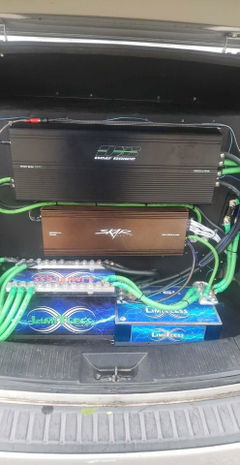
Start with the DC Audio Pitbull 20.0K monoblock amplifier, compare monoblock amplifiers, or browse all car audio amplifiers.
DC Audio Amps for Bass-Heavy Systems
A strong bass setup starts with the right amplifier. If you are running serious subwoofers, the amp needs to deliver clean power, stay controlled, and match the final ohm load of the system. DC Audio amplifiers are a strong choice for customers who want power behind their bass instead of a weak amp trying to do too much.
For most subwoofer builds, a monoblock amplifier is the best direction. A monoblock amp is built specifically for subwoofer power, which makes it a better fit for low-frequency output than trying to force the wrong style of amplifier into a bass build.
If you are shopping DC Audio amps, you are probably looking for real power for a real sub stage. That means the amplifier should be matched to the subwoofers, wiring configuration, final impedance, enclosure, and electrical system.
Match the DC Audio Amplifier to the Subwoofers
A DC Audio amplifier should not be picked by wattage alone. You also need to think about how many subwoofers you are running, what voice coil configuration they have, what final ohm load the amp will see, and how much clean power the subwoofers can realistically handle in the enclosure.
If the amp is too small, the system may not hit the way you expected. If the amp is too large and the gain is abused, the subwoofers can be damaged. If the final ohm load is wrong, the amplifier may run hot, protect, clip, or fail.
Before ordering, think through:
- How many subwoofers are being used
- Whether the subs are dual 1 ohm, dual 2 ohm, or another configuration
- The final wired impedance
- The amplifier’s stable load rating
- The subwoofer RMS power handling
- The enclosure design and tuning
- The available wiring and electrical support
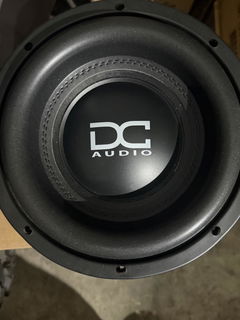
Shop DC Audio subwoofers and browse the full DC Audio collection while planning the system.
Final Ohm Load Matters
The final ohm load is one of the biggest things to check before choosing a DC Audio amplifier. The amp only sees the final wired impedance, not just the rating printed on one voice coil.
A single subwoofer, dual subwoofer setup, or multiple-subwoofer build can all create different final loads depending on how the coils are wired. The wrong final load can make the amplifier run hotter than intended, go into protect mode, clip, or fail.
Before buying the amplifier, confirm the final impedance the system will create and make sure the amp is designed to operate safely at that load.
Use the subwoofer wiring diagrams and final ohm-load guide before choosing your amplifier and subwoofer combination.
Do Not Ignore Electrical Support
Powerful amplifiers need real electrical support. If the vehicle cannot feed the amp properly, the system can run into voltage drop, weak output, clipping, heat, protect mode, or reliability problems.
That does not mean every customer needs the same electrical setup, but it does mean the electrical side should be planned around the amp you are buying.
Before stepping into a serious DC Audio amp, make sure the basics are covered:
- Correct power wire size
- Ground wire that matches the power wire
- Clean bare-metal amplifier ground
- Proper fuse protection
- Strong battery support
- Healthy charging system
- Big 3 upgrade when the system demands it
- High-output alternator support when needed
The bigger the amplifier, the more important the electrical foundation becomes.
Shop car audio amp kits, Big 3 upgrade kits, car audio wire, and fuse blocks and fusing.
DC Audio Amplifiers and Voltage Drop
Voltage drop is one of the fastest ways to make a strong amplifier act weak. When voltage falls too hard, an amplifier may lose output, clip sooner, run hotter, or shut down.
If your DC Audio amp is going into protect mode, cutting out, or sounding weak at higher volume, check the electrical system before assuming the amplifier is the problem.
Common causes of voltage and power problems include:
- Undersized power wire
- Bad amplifier ground
- Loose fuse holder connection
- Weak battery
- Alternator not keeping up
- No Big 3 upgrade on a larger system
- Final ohm load too low
- Gain set too high
- System being pushed past the available electrical support
For troubleshooting, read the amplifier protect mode guide and the car audio grounding guide.
Choosing the Right DC Audio Amplifier
The best DC Audio amplifier for your build depends on the full system, not just the name on the amp. A daily driver, demo build, wall build, and high-output weekend setup may all need different power levels and different supporting equipment.
Before choosing an amp, think through these questions:
- How many subwoofers are you running?
- What voice coil configuration do the subwoofers have?
- What final ohm load will the amplifier see?
- How much power can the subs handle in the box you are using?
- Is the enclosure built for the power level?
- Does the vehicle have enough electrical support?
- Do you have the correct wire, fusing, and grounds?
- Will the system be used daily, for demos, or for competition-style output?
If you are not sure, Audio Sellerz can help you avoid guessing. We would rather help you choose the right amp the first time than see you buy something that does not match your subwoofers or electrical system.
DC Audio Pitbull 20.0K Monoblock Amplifier
The DC Audio Pitbull 20.0K is the amplifier customers on this collection page are most likely comparing when they are looking for serious DC Audio power.
This is not the kind of amplifier you build around by guessing. A high-power monoblock needs the right subwoofer setup, proper enclosure, correct final impedance, large enough wire, strong fuse protection, battery reserve, charging support, and safe tuning.
If the system is not ready for the amplifier, the amp will expose every weak point in the build. That is why the full system plan matters before ordering.
Monoblock Amplifiers for DC Audio Bass Builds
Most DC Audio subwoofer systems use a monoblock amplifier. Monoblock amps are designed to power subwoofers and usually make the most sense when the goal is bass output.
A monoblock amplifier can be a good fit for:
- Single subwoofer bass systems
- Dual subwoofer systems
- Large custom enclosures
- Daily driver subwoofer upgrades
- Loud daily systems
- Demo builds
- High-output bass systems
Browse monoblock amplifiers for car audio subwoofers to compare more options.
Power Wire, Amp Kits, and Fuse Protection
A powerful DC Audio amplifier needs more than a small wire kit and a weak ground. The amp kit should be sized for the current demand, length of the run, wire material, and future upgrade plan.
For serious subwoofer amplifiers, many systems need 1/0 gauge wire or larger system planning. Smaller wire, weak crimps, cheap fuse holders, and poor ground points can cause heat, voltage drop, and inconsistent amplifier output.
A proper amplifier install should include:
- Power wire sized for the amplifier
- Ground wire that matches the power wire size
- A clean bare-metal ground point
- Correct fuse protection near the battery
- Quality ring terminals and connections
- Proper speaker wire from the amp to the subwoofer enclosure
- Safe wire routing away from heat and moving parts
Use the car audio wire gauge and fuse-size guide and the OFC versus CCA wire-size guide before wiring the amplifier.
Big 3, Batteries, and High-Output Alternators
The bigger the DC Audio amplifier, the more important the vehicle electrical system becomes.
A strong electrical plan may include:
- Big 3 upgraded charging and grounding wires
- High-quality power and ground wire
- Additional battery support
- High-output alternator support
- Fuse blocks and fused distribution
- Voltage monitoring
A battery stores energy, but the alternator is what replaces energy while the engine is running. Adding battery support without enough charging can still leave the system struggling during real use.
Compare Advanced Electric car audio batteries, Limitless Lithium batteries, and high-output alternators when planning a serious system.
Subwoofer Boxes and Enclosures Matter
The amplifier is only one part of the bass system. The subwoofer box has a huge effect on output, control, sound, and reliability.
If the enclosure is too small, too large, poorly tuned, or not built for the subwoofer and power level, the system may sound weak or uncontrolled even with a powerful amplifier.
Before choosing a DC Audio amp, make sure the box matches the subwoofers and the power level. The enclosure should be planned around airspace, port area, tuning, subwoofer displacement, vehicle space, and system goal.
Shop car audio subwoofer boxes, compare BassHead Supply DC Audio subwoofer boxes, or read the sealed versus ported subwoofer box guide.
Daily Driver, Demo Build, or High-Output System?
Not every DC Audio amplifier build has the same goal.
A daily driver needs strong output, but it also needs to be reliable, controlled, and easy to live with. A demo build may need more battery support, larger wire, stronger enclosure construction, and better cooling. A high-output system may require major electrical planning before the amplifier ever gets installed.
Think about how the vehicle will actually be used:
- Daily music at normal listening levels
- Loud daily use
- Demoing the system for long periods
- Competition-style burps or demos
- Future amplifier or subwoofer upgrades
- Keeping the vehicle practical for daily use
The right DC Audio amplifier is the one that matches the real goal of the build.
Frequently Asked Questions About DC Audio Amplifiers
Are DC Audio amplifiers good for subwoofer systems?
Yes. DC Audio amplifiers are a strong option for customers building serious subwoofer systems, especially when the amp is matched correctly to the subs, enclosure, wiring, and electrical support.
What is a monoblock amplifier used for?
A monoblock amplifier is normally used to power subwoofers. It is designed for low-frequency output and is usually the right style of amplifier for a dedicated bass system.
How do I choose the right DC Audio amp?
Choose the amp based on the number of subwoofers, voice-coil configuration, final ohm load, RMS power needs, enclosure design, and available electrical support.
Can I pick an amplifier by maximum wattage?
No. Maximum wattage is not the best way to match a system. Look at realistic RMS output, the final wired impedance, and whether the vehicle can support the amplifier electrically.
Do I need upgraded wiring for a DC Audio amplifier?
Most serious DC Audio amp installs need properly sized power wire, matching ground wire, correct fuse protection, and quality connections. Bigger amplifiers may need 1/0 gauge wire or more involved wiring plans.
Do I need a Big 3 upgrade with a DC Audio amp?
A Big 3 upgrade is strongly recommended on many larger car audio systems because it improves the main charging and grounding paths. The bigger the amplifier and electrical demand, the more important this becomes.
Do I need extra batteries or a high-output alternator?
It depends on the amplifier power, vehicle charging system, battery reserve, wire size, and how hard the system will be played. Larger DC Audio amplifier systems may need both battery support and a high-output alternator.
Why does my amplifier go into protect mode?
Protect mode can be caused by low voltage, bad ground, incorrect speaker wiring, final ohm load too low, heat, clipping, loose connections, or an amplifier issue. Check the full system before assuming the amp is bad.
Can Audio Sellerz help me match a DC Audio amplifier?
Yes. Audio Sellerz can help you think through the amplifier, subwoofers, enclosure, final ohm load, wiring, battery support, alternator support, and the actual goal of the system.
Why Buy DC Audio Amplifiers from AudioSellerz.com?
When you buy a DC Audio amplifier from AudioSellerz.com, you are buying from a family-owned car audio business that understands real systems. We are not just throwing amp listings online and hoping customers figure it out. We help shoppers think through amplifier power, subwoofer matching, electrical support, and the rest of the build.
- Real support from people who know car audio
- Family-owned business
- Help matching the right DC Audio amplifier to your build
- Support choosing the right power, wiring, and electrical setup
- Strong amplifier options for serious bass systems
If you are building a real bass setup, start with the amplifier, then make sure the subwoofers, enclosure, wiring, and electrical support are ready for it.
Shop DC Audio Amplifiers
Browse this collection for DC Audio amplifiers and DC Audio amps for serious car audio bass systems. Match the amplifier to the subwoofers, final ohm load, enclosure, wiring, and electrical support before ordering.
Build the rest of the system with DC Audio subwoofers, subwoofer boxes, amp kits, car audio wire, Big 3 kits, and car audio electrical upgrades.
Follow Audio Sellerz
Stay connected with Audio Sellerz for DC Audio amplifiers, subwoofer systems, wiring help, electrical upgrades, amplifier matching, product releases, demos, and new car audio videos.
Follow Audio Sellerz on Facebook, Instagram, TikTok, and YouTube.