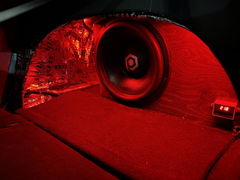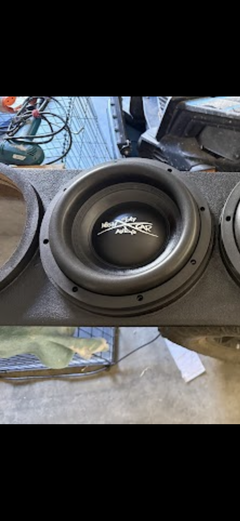
Resilient Sounds Speakers
-
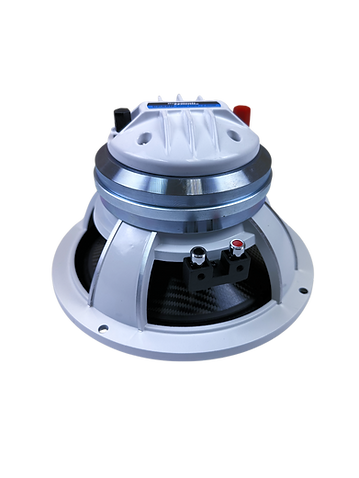
Resilient Sounds CPX6N NEO 6.5" Pro Audio Hybrid Loudspeaker with Horn – 400W RMS 4 Ohm (Single)
Vendor:Resilient SoundsRegular price $299.99 USDRegular price$299.99 USDSale price $299.99 USD -
Resilient Sounds ES-69C 6x9" Mids – 75W RMS 4 Ohm (Pair)
Vendor:Resilient SoundsRegular price $159.99 USDRegular price -
Resilient Sounds HPN1 Neo Horn Driver – 75W RMS 4 Ohm (Single)
Vendor:Resilient SoundsRegular price $74.99 USDRegular price -
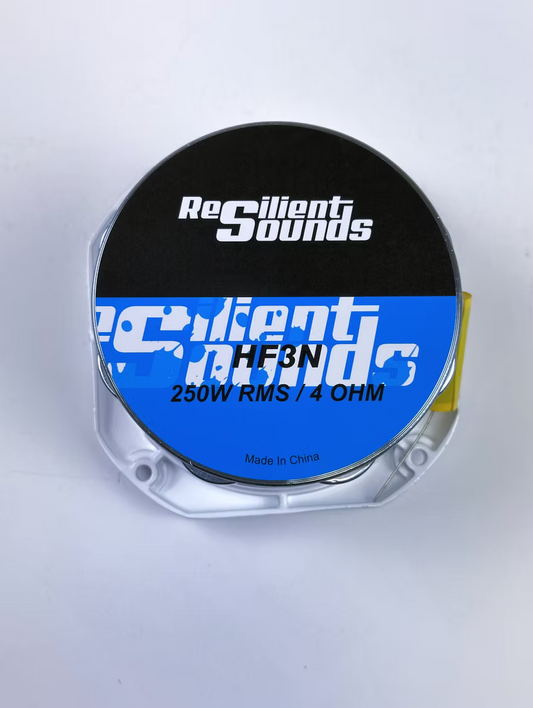
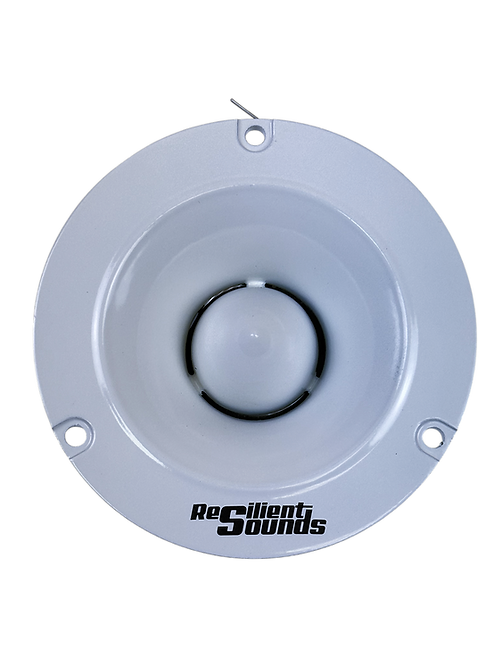
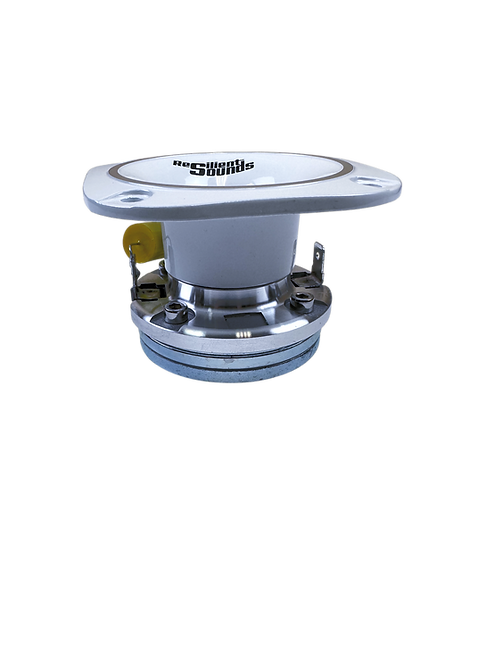
Resilient Sounds HF3N Neo Super Tweeter – 250W RMS 4 Ohm (Single)
Vendor:Resilient SoundsRegular price $102.99 USDRegular price -
Resilient Sounds HF2N Neo Compression Driver – 175W RMS 4 Ohm (Single)
Vendor:Resilient SoundsRegular price $59.99 USDRegular price -
Resilient Sounds HF1N Neo Compression Driver – 150W RMS 4 Ohm (Single)
Vendor:Resilient SoundsRegular price $79.99 USDRegular price -
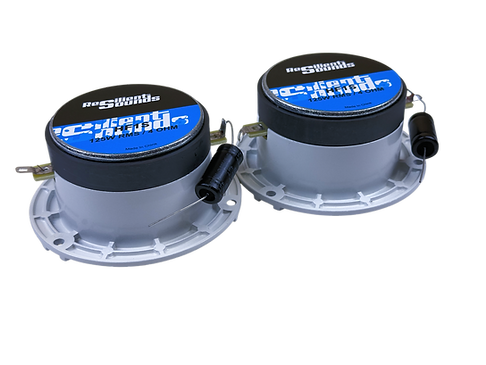
Resilient Sounds HF1S Tweeter – 125W RMS 4 Ohm (Pair)
Vendor:Resilient SoundsRegular price $39.99 USDRegular price -
Resilient Sounds CPX8N NEO 8" Pro Audio Hybrid Loudspeaker with Horn – 500W RMS 4 Ohm (Single)
Vendor:Resilient SoundsRegular price $349.99 USDRegular price$349.99 USDSale price $349.99 USD -
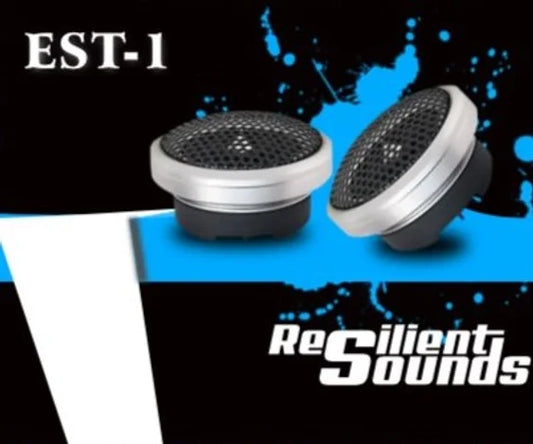
Resilient Sounds EST-1 1" Neo Tweeter – 30W RMS 4 Ohm (Single)
Vendor:Resilient SoundsRegular price $89.99 USDRegular price -
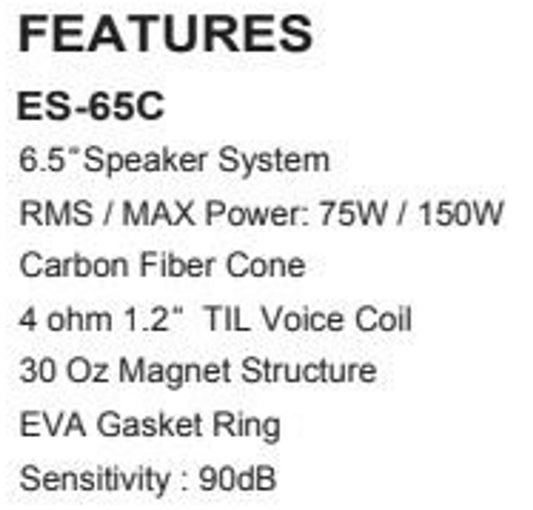
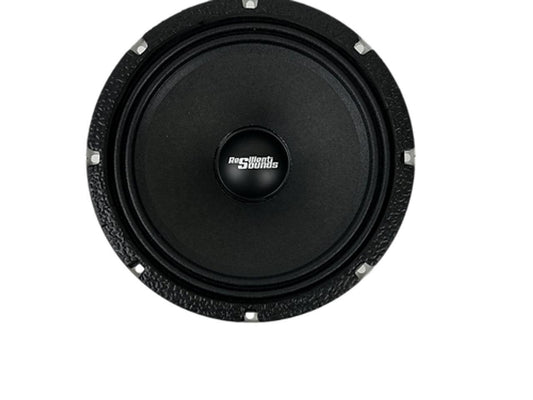
Resilient Sounds ES65C 6.5" Speakers – 75W RMS 4 Ohm (Pair)
Vendor:Resilient SoundsRegular price $149.99 USDRegular price -
Resilient Sounds NEO 10" Midrange Speaker – 250W RMS Neodymium (Single)
Vendor:Resilient SoundsRegular price $174.99 USDRegular price -
Resilient Sounds NEO 8" Midrange Speaker – 250W RMS Neodymium (Single)
Vendor:Resilient SoundsRegular price $159.99 USDRegular price -
Resilient Sounds NEO 6.5" Midrange Speaker – 250W RMS Neodymium (Single)
Vendor:Resilient SoundsRegular price $149.99 USDRegular price -
Resilient Sounds RS 65M 6.5" Midrange Speaker – 250W RMS 4 Ohm (Single)
Vendor:Resilient SoundsRegular price $74.99 USDRegular price -
Resilient Sounds RS 8M 8" Midrange Speaker – 275W RMS 4 Ohm (Single)
Vendor:Resilient SoundsRegular price $79.99 USDRegular price -
Resilient Sounds RS 10M 10" Midrange Speaker – 300W RMS 4 Ohm (Single)
Vendor:Resilient SoundsRegular price $99.99 USDRegular price













-
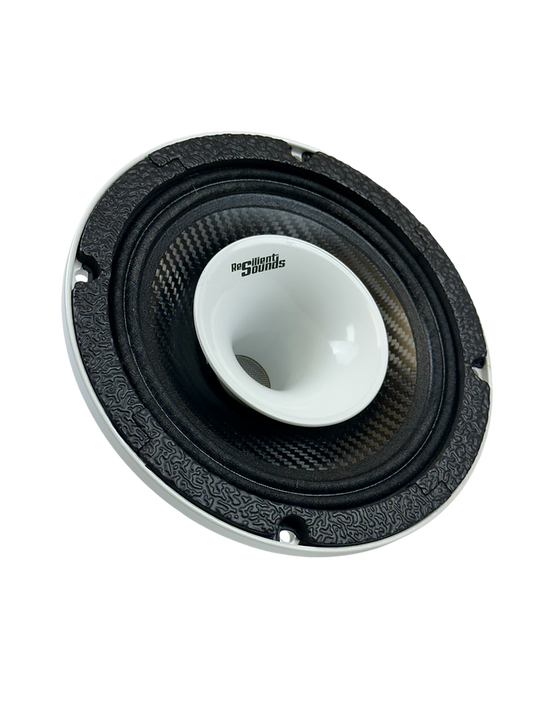
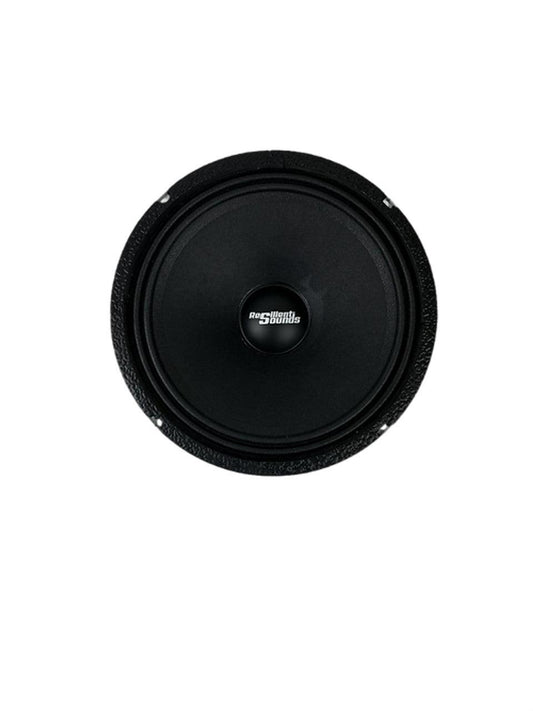
 Resilient Sounds CPX6N NEO 6.5" Pro Audio Hybrid Loudspeaker with Horn – 400W RMS 4 Ohm (Single)Resilient Sounds CPX6N NEO 6.5" Pro Audio Hybrid Loudspeaker with Horn – 400W RMS 4 Ohm (Single) Resilient Sounds CP...$299.99
 -
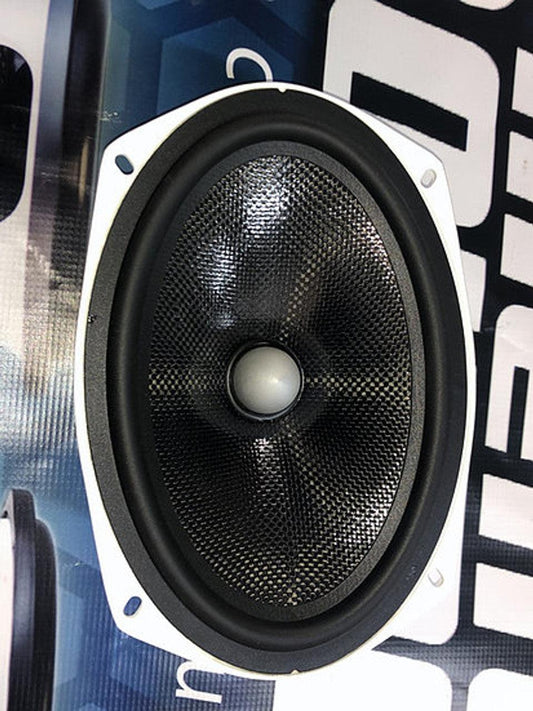
 Resilient Sounds ES-69C 6x9" Mids – 75W RMS 4 Ohm (Pair)Resilient Sounds ES-69C 6x9" Mids 75W RMS 4 Ohm Pair Resilient Sounds ES-69C 6x9" Mids 75W RMS 4 Ohm Pair Sold by Au...$159.99
 -
 Resilient Sounds HPN1 Neo Horn Driver – 75W RMS 4 Ohm (Single)Resilient Sounds HPN1 Neo Horn Driver – 75W RMS 4 Ohm (Single)Sold by AudioSellerz.com The Resilient Sounds HPN1 Neo ...$74.99
 -
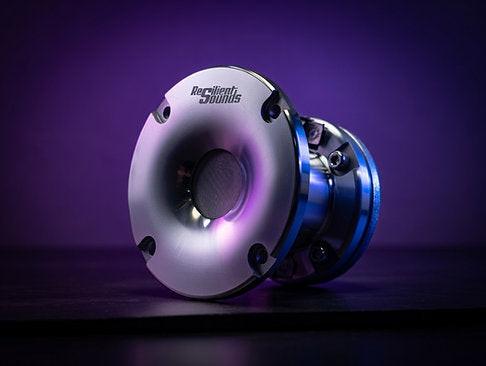
 Resilient Sounds HF3N Neo Super Tweeter – 250W RMS 4 Ohm (Single)Resilient Sounds HF3N Neo Super Tweeter – 250W RMS 4 Ohm (Single)Sold by AudioSellerz.com The Resilient Sounds HF3N i...$102.99
 -
 Resilient Sounds HF2N Neo Compression Driver – 175W RMS 4 Ohm (Single)Resilient Sounds HF2N Neo Compression Driver – 175W RMS 4 Ohm (Single)Sold by AudioSellerz.com The Resilient Sounds H...$59.99
 -
 Resilient Sounds HF1N Neo Compression Driver – 150W RMS 4 Ohm (Single)Resilient Sounds HF1N Neo Compression Driver – 150W RMS 4 Ohm (Single)Sold by AudioSellerz.com The Resilient Sounds H...$79.99
 -
 Resilient Sounds HF1S Tweeter – 125W RMS 4 Ohm (Pair)Resilient Sounds HF1S Tweeter – 125W RMS 4 Ohm (Pair)Sold by AudioSellerz.com The Resilient Sounds HF1S is a compact,...$39.99
 -
 Resilient Sounds CPX8N NEO 8" Pro Audio Hybrid Loudspeaker with Horn – 500W RMS 4 Ohm (Single)Resilient Sounds CPX8N NEO 8" Pro Audio Hybrid Loudspeaker with Horn – 500W RMS 4 Ohm (Single)Sold by AudioSellerz.co...$349.99
 -
 Resilient Sounds EST-1 1" Neo Tweeter – 30W RMS 4 Ohm (Single)Resilient Sounds EST-1 1" Neo Tweeter – 30W RMS 4 Ohm (Single)Sold by AudioSellerz.com The Resilient Sounds EST-1 is ...$89.99
 -
 Resilient Sounds ES65C 6.5" Speakers – 75W RMS 4 Ohm (Pair)Resilient Sounds ES65C 6.5" Speakers – 75W RMS 4 Ohm (Pair) Resilient Sounds ES65C 6.5" Speakers – 75W RMS 4 Ohm (Pa...$149.99
 -
 Resilient Sounds NEO 10" Midrange Speaker – 250W RMS Neodymium (Single)Resilient Sounds NEO 10" Midrange Speaker – 250W RMS Neodymium (Single) Resilient Sounds NEO 10" Midrange Speaker – ...$174.99
 -
 Resilient Sounds NEO 8" Midrange Speaker – 250W RMS Neodymium (Single)Resilient Sounds NEO 8" Midrange Speaker – 250W RMS Neodymium (Single) Resilient Sounds NEO 8" Midrange Speaker – 25...$159.99
 -
 Resilient Sounds NEO 6.5" Midrange Speaker – 250W RMS Neodymium (Single)Resilient Sounds NEO 6.5" Midrange Speaker – 250W RMS Neodymium (Single) Resilient Sounds NEO 6.5" Midrange Speaker ...$149.99
 -
 Resilient Sounds RS 65M 6.5" Midrange Speaker – 250W RMS 4 Ohm (Single)Resilient Sounds RS 65M 6.5" Midrange Speaker – 250W RMS 4 Ohm (Single)Sold by AudioSellerz.com The Resilient Sounds ...$74.99
 -
 Resilient Sounds RS 8M 8" Midrange Speaker – 275W RMS 4 Ohm (Single)Resilient Sounds RS 8M 8" Midrange Speaker – 275W RMS 4 Ohm (Single) Resilient Sounds RS 8M 8" Midrange Speaker – 27...$79.99
 -
 Resilient Sounds RS 10M 10" Midrange Speaker – 300W RMS 4 Ohm (Single)Resilient Sounds RS 10M 10" Midrange Speaker – 300W RMS 4 Ohm (Single) Resilient Sounds RS 10M 10" Midrange Speaker ...$99.99


Resilient Sounds Speakers
Shop Resilient Sounds speakers for daily-driver upgrades, amplified doors, custom speaker pods and high-output mids-and-highs systems. This collection includes standard ferrite midrange speakers, lightweight neodymium midranges, horn-loaded hybrid speakers and practical speaker pairs for factory-style locations.
Resilient Sounds gives builders several ways to improve vocals, instrument detail, projection and overall front-stage output. Choose the right speaker according to its size, impedance, RMS power handling, mounting requirements, crossover needs and the intended use of the system.
These speakers cover several different jobs. Some models are dedicated midrange drivers that should be paired with separate tweeters, while others provide broader frequency coverage from one speaker location. Review the individual product information before ordering so the speaker matches the amplifier and system layout.
Compare Resilient Sounds Speaker Types
The Resilient Sounds speaker lineup includes several distinct designs for different installation goals:
- RS ferrite midrange speakers for strong vocals, clear projection and dependable amplified-door performance
- Resilient Sounds NEO midrange speakers for high output with lighter neodymium motor structures
- CPX NEO hybrid loudspeakers combining high-output midrange performance with integrated horn-loaded upper-frequency output
- ES speaker pairs for customers seeking a more traditional daily-driver or factory-location speaker upgrade
The correct design depends on whether the system needs a straightforward speaker replacement, dedicated midrange output, reduced weight, integrated highs or enough projection to keep up with a powerful subwoofer system.
Resilient Sounds RS Midrange Speakers
The standard Resilient Sounds RS midrange lineup includes 6.5-inch, 8-inch and 10-inch ferrite-motor speakers. These dedicated midrange drivers are designed to reproduce vocals, instruments and the central portion of the music with stronger output than basic factory speakers.
Current RS midrange options include:
- RS 65M 6.5-inch midrange speaker for common door sizes, compact pods and multi-speaker panels
- RS 8M 8-inch midrange speaker for larger custom doors and stronger output from each speaker location
- RS 10M 10-inch midrange speaker for substantial custom panels and systems needing increased cone area
Standard ferrite midrange speakers can be a strong choice when:
- You want louder and clearer vocals.
- The factory door speakers cannot keep up with the subwoofers.
- You are building amplified custom doors.
- The system already uses separate tweeters or horn drivers.
- You need dedicated midrange output instead of a basic coaxial speaker.
- Speaker weight is less important than achieving a dependable, powerful front stage.
These are dedicated midrange speakers rather than subwoofers. They require suitable high-pass crossover protection and should not be forced to reproduce deep bass.
Resilient Sounds NEO Midrange Speakers
Resilient Sounds NEO speakers use neodymium motor structures to provide strong motor performance without the weight of many comparable ferrite speakers. This can be especially useful in custom doors containing several speakers, motorcycle pods and other installations where total weight matters.
NEO midrange sizes represented in the current lineup include 6.5-inch, 8-inch and 10-inch options.
Choose a Resilient Sounds NEO midrange when:
- You are building doors with multiple speakers.
- Reducing total door or panel weight is important.
- You need high-output vocals and midrange projection.
- The system is being used for a loud daily driver, show vehicle or demonstration build.
- You want a dedicated midrange speaker to pair with separate tweeters.
- You need a powerful speaker without an unnecessarily heavy motor structure.
Power handling and dimensions vary between Resilient Sounds NEO models and generations. Check the exact product page rather than assuming every NEO speaker of the same size has identical specifications.
Resilient Sounds CPX NEO Hybrid Speakers
The Resilient Sounds CPX NEO Series combines a high-output midrange speaker with an integrated horn-loaded high-frequency section. This allows one speaker location to reproduce strong vocals, musical detail and upper-frequency output without requiring a separate horn beside every speaker.
The current CPX lineup includes:
- CPX6N 6.5-inch NEO hybrid loudspeaker for compact high-output doors and speaker pods
- CPX8N 8-inch NEO hybrid loudspeaker for larger custom doors and systems demanding more output per location
CPX hybrid speakers can make sense when:
- You want broader frequency coverage from one speaker location.
- There is limited room for separate midrange and horn installations.
- You are building loud custom doors or demonstration-style systems.
- The speakers must remain clear against substantial subwoofer output.
- Strong projection is important in a noisy vehicle or open-air environment.
- You want the reduced weight of a neodymium motor.
The integrated horn still requires proper crossover settings and clean amplifier power. A hybrid design should not be connected and tuned as though it were a basic factory coaxial speaker.
Resilient Sounds ES Daily-Driver Speakers
Resilient Sounds ES speakers provide a more familiar direction for customers upgrading factory-style speaker locations or building a balanced daily-driver system.
Current options include:
- ES65C 6.5-inch speaker pair for common front- and rear-door locations
- ES69C 6x9 speaker pair for compatible doors, rear decks and custom oval openings
ES speakers can be a practical option when:
- You want to replace weak or damaged factory speakers.
- You prefer a speaker pair instead of individually sold pro-audio midranges.
- The system needs better clarity without becoming an extreme custom-door build.
- You are upgrading front doors, rear doors or a rear deck.
- You want a balanced daily-driver speaker system.
Always verify the mounting depth, cutout dimensions, bolt pattern, impedance and factory-system compatibility before ordering.
Choosing the Right Resilient Sounds Speaker Size
Choose a 6.5-Inch Speaker When:
- The vehicle has a compatible 6.5-inch location.
- Available mounting diameter is limited.
- You are building compact speaker pods.
- You want to install several speakers in one custom door.
- An 8-inch or 10-inch model will not fit safely.
Choose an 8-Inch Speaker When:
- You have room for a larger round speaker.
- You want more cone area from each location.
- You are building custom doors or larger speaker pods.
- The front stage needs stronger output to balance the bass system.
- You want fewer speakers while maintaining substantial output.
Choose a 10-Inch Speaker When:
- The build has enough space for a large midrange driver.
- You are fabricating substantial custom doors or panels.
- Maximum cone area and vocal authority are priorities.
- The amplifier and crossover plan are designed around larger midrange speakers.
- A factory-style installation is not required.
Choose a 6x9 Speaker When:
- The vehicle already has a compatible 6x9 opening.
- An oval speaker fits the available panel better than a round model.
- You are upgrading a rear deck or factory oval location.
- You are fabricating a custom panel around a 6x9 format.
Midrange vs Hybrid vs Daily-Driver Speakers
Dedicated midrange speakers focus on the frequencies where vocals and many instruments have their body and presence. They are commonly paired with separate tweeters or horn drivers for the highest frequencies.
Hybrid speakers combine a midrange driver and high-frequency horn into one assembly. They can simplify the physical layout of a custom door while providing broader frequency coverage from each speaker location.
Daily-driver speaker pairs are generally the easier direction when the goal is a cleaner factory-location upgrade rather than maximum pro-audio-style output.
Choose dedicated midranges when you want:
- Strong vocal output
- Separate control over the mids and highs
- Multiple speakers in custom doors
- A DSP or active-crossover system
- Higher-output front-stage performance
Choose hybrid or broader-range speakers when you want:
- Midrange and upper-frequency output from one speaker location
- Fewer separate speaker components
- A simpler custom-door layout
- Strong projection from each individual speaker
Match the Amplifier to the Speakers
Match the amplifier using the speaker’s RMS rating, impedance, number of speakers and completed load on each amplifier channel. Do not select an amplifier using only the largest advertised wattage number.
Before choosing an amplifier, confirm:
- The RMS rating of each speaker
- The impedance of each speaker
- The number of speakers connected to each channel
- Whether the speakers will be wired in series or parallel
- The completed impedance per channel
- The amplifier’s RMS output at that impedance
- The amplifier’s minimum stable load
- The required crossover settings
- The speaker-wire gauge and total cable length
Two matching 4-ohm speakers wired in parallel create a 2-ohm load. Never connect an amplifier below the minimum impedance it is designed to support.
Browse 4-channel amplifiers for car audio speakers when planning clean power for Resilient Sounds midranges, hybrid speakers and custom doors.
Use Proper Crossover Protection
Crossovers help prevent each speaker from receiving frequencies it is not designed to reproduce. Dedicated midrange speakers should not be forced to play deep bass, while tweeters and horn sections require protection from lower midrange frequencies.
The correct crossover depends on:
- The exact Resilient Sounds speaker model
- The speaker size
- The amplifier power
- The speaker’s published frequency response
- The mounting location
- Whether separate tweeters or midbass speakers are being used
- The desired listening level
Begin with conservative crossover settings and make gradual adjustments while listening for distortion, harshness or excessive speaker movement.
Set Amplifier Gain Correctly
Amplifier gain matches the amplifier input sensitivity to the signal coming from the radio, line-output converter or DSP. Gain is not an additional volume or power control.
Excessive gain can introduce clipping, harsh sound, heat and damaged speakers. Complete the signal, crossover and wiring setup before making the final gain adjustment.
Measure Before Ordering
Advertised speaker size does not guarantee direct vehicle fitment. Speakers with the same nominal diameter can have different mounting depths, cutout requirements, baskets and bolt patterns.
Check:
- Speaker cutout dimensions
- Overall frame dimensions
- Mounting depth
- Motor and basket clearance
- Window-track and regulator clearance
- Door-handle and locking-mechanism clearance
- Mounting-hole pattern
- Factory or custom grille clearance
- Required spacer or baffle thickness
- Speaker-wire routing
Large 8-inch and 10-inch midrange speakers normally require custom fabrication rather than dropping directly into a common factory 6.5-inch location.
Build a Complete Mids-and-Highs System
Dedicated Resilient Sounds midrange speakers can be paired with car audio tweeters and high-frequency drivers to complete the upper portion of the system.
Use properly sized car audio speaker wire and installation cable for the amplifier power, number of speakers and total wire length.
Shop More Resilient Sounds Products
Browse the complete Resilient Sounds collection at Audio Sellerz to compare speakers, subwoofers, tweeters, compression drivers, horn drivers and supporting equipment.
You can also compare every car audio speaker available from Audio Sellerz or browse dedicated car audio midrange speakers.
Helpful Speaker and Tuning Guides
- Why Audio Sellerz Sells Resilient Sounds
- Full Range vs Midrange vs Midbass vs Tweeters
- Car Audio Speaker Tuning Guide
- How to Set Amplifier Gain for Subs, Mids and Highs
- How to Pick the Right Car Audio System
Follow Audio Sellerz
Follow Audio Sellerz for Resilient Sounds speakers, custom-door builds, product demonstrations, amplifier installations, system-tuning information and real car audio projects.
Follow Audio Sellerz on Facebook | Follow Audio Sellerz on Instagram | Follow Audio Sellerz on TikTok | Subscribe to Audio Sellerz on YouTube