B2 Audio DSP & Processors
-
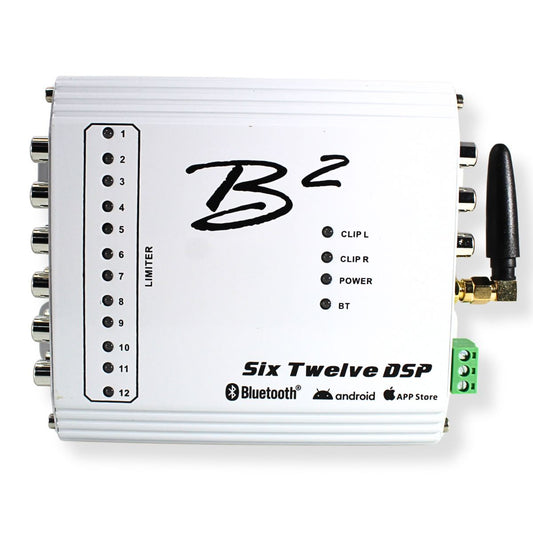
B2 Audio White 4v 12 Channel DSP with Bluetooth iOS/Android App 96 KHz - 32 Bit
Vendor:B2 Audio DealerRegular price $199.95 USDRegular price$199.95 USDSale price $199.95 USDSold out -
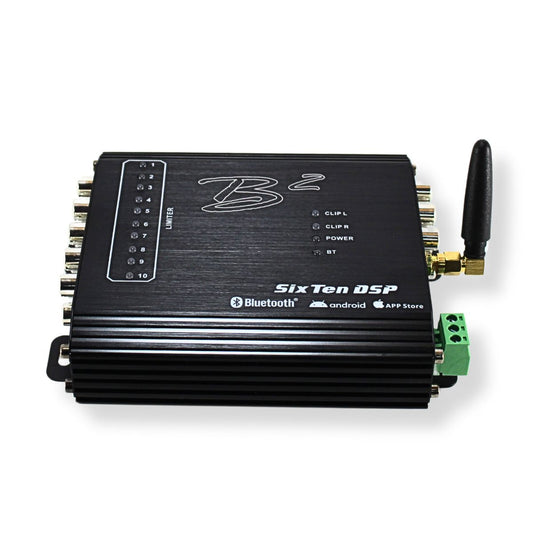
B2 Audio Black 4v 10 Channel DSP with Bluetooth iOS/Android App 96 KHz - 32 Bit
Vendor:B2 Audio DealerRegular price $154.95 USDRegular price$154.95 USDSale price $154.95 USDSold out -
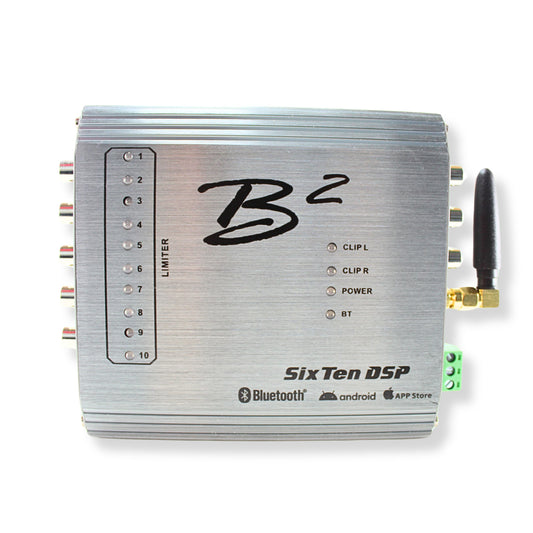
B2 Audio 6 input 10 output Channel DSP Bluetooth with IOS/Android App 96 KHz - 32 Bit
Vendor:B2 Audio DealerRegular price $154.95 USDRegular price$154.95 USDSale price $154.95 USDSold out



-
 B2 Audio White 4v 12 Channel DSP with Bluetooth iOS/Android App 96 KHz - 32 BitB2 Audio White 4v 12 Channel DSP with Bluetooth iOS/Android App 96 KHz - 32 Bit Sold by AudioSellerz.com The B2 Audio...$199.95
 -
 B2 Audio Black 4v 10 Channel DSP with Bluetooth iOS/Android App 96 KHz - 32 BitB2 Audio Black 4v 10 Channel DSP with Bluetooth iOS/Android App 96 KHz - 32 Bit Sold by AudioSellerz.com The B2 Audio...$154.95
 -
 B2 Audio 6 input 10 output Channel DSP Bluetooth with IOS/Android App 96 KHz - 32 BitB2 Audio 6 input 10 output Channel DSP Bluetooth with IOS/Android App 96 KHz - 32 Bit Sold by AudioSellerz.com The B2...$154.95


B2 Audio DSP & Processors
Sold by AudioSellerz.com
Shop B2 Audio DSP & Processors at AudioSellerz.com for advanced control over your car audio system. A digital signal processor gives you significantly more tuning flexibility than relying only on amplifier gain and basic crossover controls, making it possible to better manage equalization, crossover points, time alignment, channel routing, output levels, and overall system integration.
B2 Audio offers DSP options designed for multi-amplifier and multi-speaker systems where precise control matters. Current B2 processor designs include models with Bluetooth app control, high-resolution digital processing, and multiple outputs for building active or highly customized car audio systems.
Browse the B2 Audio DSP options below or return to the main B2 Audio collection to shop the rest of the B2 lineup.
What Does a Car Audio DSP Do?
A car audio DSP, or digital signal processor, sits between the audio source and amplifiers and gives you much greater control over the signal being sent to each part of the system.
Depending on the processor and system design, a DSP can be used to control:
- Equalization
- High-pass and low-pass crossover points
- Band-pass filtering
- Time alignment
- Individual channel level
- Speaker routing
- Frequency response
- Multi-amplifier system integration
This is especially useful when a system includes separate amplifiers for subwoofers, midbass, midrange speakers, tweeters, or other dedicated drivers.
B2 Audio DSP for Multi-Amplifier Systems
As a car audio system becomes more complex, proper signal routing becomes more important. A simple bass system with one amplifier may not require an advanced processor, but a system using several amplifiers and multiple speaker types can benefit greatly from having centralized tuning control.
For example, a system could use one amplifier for subwoofers, another for midbass speakers, and another for mids and highs. A DSP can help divide the signal appropriately and allow each section of the system to operate within the frequency range it was designed to reproduce.
If you are building around B2 equipment, pair your processor with the available B2 Audio Amplifiers and B2 Audio Speakers.
Bluetooth DSP Tuning
Select B2 Audio DSP processors use Bluetooth connectivity with mobile-app control, allowing system adjustments to be made from compatible iOS and Android devices.
App-based DSP control can make tuning much easier because changes to equalization, crossover settings, channel output and time alignment can be made without physically accessing the processor every time an adjustment is needed.
This can be particularly useful in custom installations where the DSP is mounted behind interior panels, under a seat, in an amplifier rack, or elsewhere in the vehicle.
10-Channel and 12-Channel B2 Audio DSP Options
B2 Audio offers multi-channel DSP configurations intended for systems that need control over many individual outputs. Depending on the model, B2 DSP processors may provide up to 10 or 12 output channels.
More output channels give the installer greater flexibility when designing an active system. Instead of sending the same signal to an entire group of speakers, individual outputs can be assigned to different amplifiers or speaker sections.
A larger channel count may be useful for systems using combinations such as:
- Left and right tweeters
- Left and right midrange speakers
- Left and right midbass speakers
- Rear speakers
- Subwoofer channels
- Multiple amplifier zones
96 kHz / 32-Bit Digital Signal Processing
Current B2 DSP models include high-resolution processing options using 96 kHz / 32-bit architecture. In practical terms, the goal is to provide detailed signal processing while allowing precise adjustment of the system before the signal reaches the amplifiers.
A DSP does not replace proper installation, amplifier setup, or good speakers, but it gives an experienced installer or tuner much more control over how those components work together.
DSP vs Line Output Converter
A DSP and a line output converter can sometimes be used in similar types of installations, but they serve different purposes.
A basic line output converter is commonly used when adding aftermarket amplifiers to a factory radio by converting speaker-level outputs into a signal that aftermarket equipment can use.
A DSP goes much further by allowing signal processing, routing, crossover adjustment, equalization, time alignment and other tuning functions.
If your goal is mainly factory-radio integration and you do not need advanced tuning, browse our B2 Audio Line Output Converters or the full car audio hi-lo converter collection.
If your system needs more advanced tuning and channel control, a DSP may be the better solution.
Choosing the Right B2 Audio DSP
Before choosing a DSP, determine how many input and output channels the finished system actually requires. Buying solely based on the largest channel count can be unnecessary, while choosing too few outputs can limit the system later.
Consider:
- How many amplifiers are in the system
- How many individual speaker channels need control
- Whether the system will run active crossovers
- Whether the factory radio is being retained
- Whether Bluetooth app tuning is important
- How many outputs may be needed for future upgrades
- Available mounting space
DSP Setup With B2 Audio Amplifiers
A properly configured DSP can help provide the correct signal to each amplifier in the system, but amplifier gains still need to be set correctly.
The DSP should not be used as a substitute for proper amplifier setup. Gain structure, signal voltage, crossover settings and speaker power handling all need to be considered together.
If you are still choosing amplification, browse B2 Audio Amplifiers or compare options in our complete car audio amplifier collection.
Don't Forget RCA Cables and Wiring
A DSP installation may require multiple RCA connections between the processor and amplifiers. As channel count increases, so does the importance of planning the signal wiring before installation.
Shop our car audio RCA cables and interconnects for signal connections, and browse car audio amp kits when you need power, ground, fuse protection and installation wiring for the amplifiers in the system.
Shop All Car Audio DSP Processors
B2 Audio is one option among the DSP and signal-processing products available through Audio Sellerz. If you want to compare different processors, channel counts, features or brands, browse our complete car audio DSP processor collection.
B2 Audio DSP Frequently Asked Questions
What is a B2 Audio DSP used for?
A B2 Audio DSP is used to process and control the audio signal before it reaches the amplifiers. Depending on the model and installation, it can provide EQ control, crossover adjustment, time alignment, channel routing and individual output control.
Does a DSP make a car audio system louder?
A DSP is primarily a tuning and signal-management tool. Proper tuning may help the system operate more effectively, but a DSP does not create amplifier power. System output still depends on the amplifiers, speakers, subwoofers, electrical system and installation.
Do I need a DSP for multiple amplifiers?
Not every multi-amplifier system requires one, but a DSP becomes increasingly useful as the number of amplifiers and speaker channels increases. It can provide centralized control over crossover points, output levels, EQ and signal routing.
Can I use a B2 DSP with amplifiers from another brand?
In many properly designed systems, a DSP can be used with amplifiers from different manufacturers. Compatibility depends on the signal connections, input requirements and overall system design rather than the brand name alone.
Can a DSP work with a factory radio?
It can in many applications, but the integration method depends on the vehicle and factory audio system. Some installations may also require speaker-level integration or a line output converter. Use the live chat on AudioSellerz.com if you need help planning a factory-radio integration setup.
How many DSP channels do I need?
Count the number of independently controlled outputs your finished system will require. A simple system may need relatively few, while a fully active system with tweeters, mids, midbass, rear speakers and subwoofers may require considerably more.
Need Help Choosing a B2 Audio DSP?
Choosing a DSP can get confusing quickly once multiple amplifiers, speakers, crossover points and signal paths are involved. If you are not sure which B2 Audio processor fits your system, use the live chat on AudioSellerz.com and tell us what equipment you are running and what you are trying to accomplish.
We can help you think through the processor, amplifiers, speakers, RCA connections and wiring as one complete system instead of guessing one component at a time.