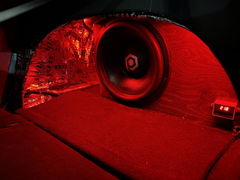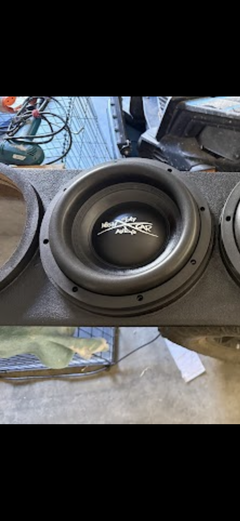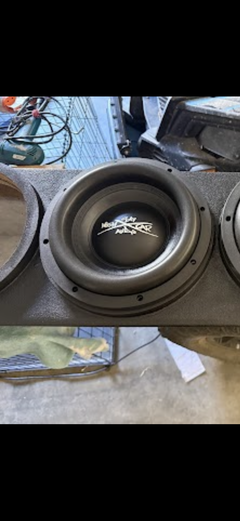
Sky High Car Audio MidBass Speakers
-
Sky High Car Audio SHCA Pro Audio EL84 – 8” Midrange/Midbass Speaker 275W RMS 4 Ohm (Single)
Vendor:Sky High Car AudioRegular price $68.95 USDRegular price -
Sky High Car Audio SHCA Pro Audio EL88 8” Midrange Midbass Speaker 275W 8 Ohm (Single)
Vendor:Sky High Car AudioRegular price $68.95 USDRegular price -
Sky High Car Audio SH-69FE 6x9" Mid Woofer Pair w/ Carbon Fiber Cone
Vendor:Sky High Car AudioRegular price $275.95 USDRegular price -
Sky High Car Audio SH-65FE 6.5" Mid Woofer Pair w/ Carbon Fiber Cone
Vendor:Sky High Car AudioRegular price $199.95 USDRegular price -
Sky High Car Audio SHCA Pro Audio MB10 – 10" Midbass Loudspeaker 1000 Watts 8 Ohm (Single)
Vendor:Sky High Car AudioRegular price $167.95 USDRegular price -


Sky High Car Audio SHCA Pro Audio MB64 – 6.5” Mid-Bass Loudspeaker w/ 1.5” Voice Coil (Single)
Vendor:Sky High Car AudioRegular price $68.95 USDRegular price -


Sky High Car Audio SHCA Pro Audio EL68 6.5” Midrange Midbass Loudspeaker – 250W 8 Ohm (Single)
Vendor:Sky High Car AudioRegular price $51.95 USDRegular price -
Sky High Car Audio SHCA Pro Audio MB12 – 12" Midbass Loudspeaker 1000 Watts 8 Ohm (Single)
Vendor:Sky High Car AudioRegular price $193.95 USDRegular price -
Sky High Car Audio SHCA Pro Audio MB694 – 6x9” Mid-Bass Loudspeaker with 1.5” Voice Coil (Single)
Vendor:Sky High Car AudioRegular price $76.95 USDRegular price -
Sky High Car Audio SHCA Pro Audio MB84 – 8” Mid-Bass Loudspeaker w/ 1.5” Voice Coil (Single)
Vendor:Sky High Car AudioRegular price $76.95 USDRegular price -
Sky High Car Audio SH-8FE 8" Mid Woofer Pair w/ Carbon Fiber Cone
Vendor:Sky High Car AudioRegular price $261.95 USDRegular price


-
 Sky High Car Audio SHCA Pro Audio EL84 – 8” Midrange/Midbass Speaker 275W RMS 4 Ohm (Single)Sky High Car Audio SHCA Pro Audio EL84 – 8" Midrange/Midbass Speaker 275W RMS 4 Ohm (Single) is built for loud car au...$68.95
 -
 Sky High Car Audio SHCA Pro Audio EL88 8” Midrange Midbass Speaker 275W 8 Ohm (Single)Sky High Car Audio SHCA Pro Audio EL88 8" Midrange Midbass Speaker 275W 8 Ohm (Single) is built for loud car audio sy...$68.95
 -
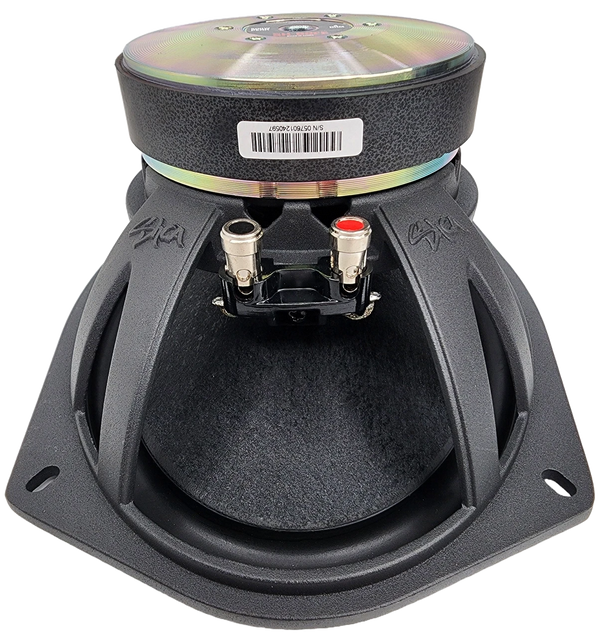 Sky High Car Audio SH-69FE 6x9" Mid Woofer Pair w/ Carbon Fiber ConeSky High Car Audio SH-69FE 6x9” Mid-Bass/Woofer LoudspeakerAvailable exclusively at AudioSellerz.com – Unmatched Powe...$275.95
 -
 Sky High Car Audio SH-65FE 6.5" Mid Woofer Pair w/ Carbon Fiber ConeSky High Car Audio SH-65FE 6.5” Mid-Bass/Woofer Loudspeaker Sold by AudioSellerz.com Precision Sound, Robust Build Th...$199.95
 -
 Sky High Car Audio SHCA Pro Audio MB10 – 10" Midbass Loudspeaker 1000 Watts 8 Ohm (Single)Sky High Car Audio SHCA Pro Audio MB10 – 10" Midbass Loudspeaker 1000 Watts 8 Ohm (Single) is built for loud front st...$167.95
 -
 Sky High Car Audio SHCA Pro Audio MB64 – 6.5” Mid-Bass Loudspeaker w/ 1.5” Voice Coil (Single)Sky High Car Audio SHCA Pro Audio MB64 – 6.5" Mid-Bass Loudspeaker w/ 1.5" Voice Coil (Single) is built for loud car ...$68.95
 -
 Sky High Car Audio SHCA Pro Audio EL68 6.5” Midrange Midbass Loudspeaker – 250W 8 Ohm (Single)Sky High Car Audio SHCA Pro Audio EL68 6.5" Midrange Midbass Loudspeaker – 250W 8 Ohm (Single) is built for car audio...$51.95
 -
 Sky High Car Audio SHCA Pro Audio MB12 – 12" Midbass Loudspeaker 1000 Watts 8 Ohm (Single)Sky High Car Audio SHCA Pro Audio MB12 – 12" Midbass Loudspeaker 1000 Watts 8 Ohm (Single) is built for serious pro a...$193.95
 -
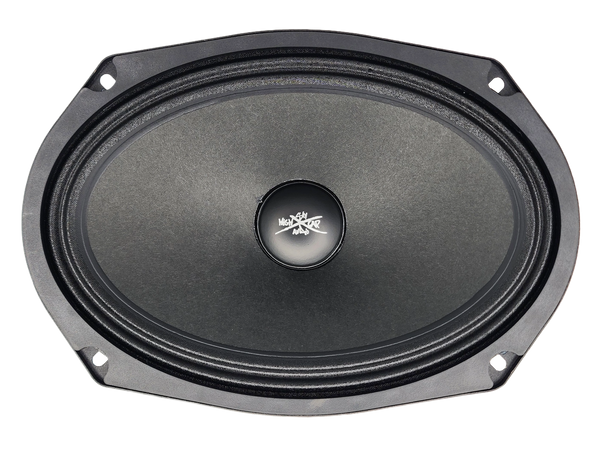 Sky High Car Audio SHCA Pro Audio MB694 – 6x9” Mid-Bass Loudspeaker with 1.5” Voice Coil (Single)Sky High Car Audio SHCA Pro Audio MB694 – 6x9" Mid-Bass Loudspeaker with 1.5" Voice Coil (Single) is built for car au...$76.95
 -
 Sky High Car Audio SHCA Pro Audio MB84 – 8” Mid-Bass Loudspeaker w/ 1.5” Voice Coil (Single)Sky High Car Audio SHCA Pro Audio MB84 – 8" Mid-Bass Loudspeaker w/ 1.5" Voice Coil (Single) is built for car audio s...$76.95
 -
 Sky High Car Audio SH-8FE 8" Mid Woofer Pair w/ Carbon Fiber ConeSky High Car Audio SH-8FE 8” Mid-Bass/Woofer LoudspeakerAvailable exclusively at AudioSellerz.com – Unleash Unmatched...$261.95


Sky High Car Audio Midbass Speakers for Stronger Door Punch, Fuller Sound & Better Front-Stage Impact
Sold by AudioSellerz.com
Sky High Car Audio midbass speakers are built for customers who want stronger door punch, more upper-bass impact, fuller sound and a front stage that feels connected to the subwoofer system.
If your subwoofers produce plenty of deep bass and your tweeters provide bright high-frequency detail, but the music still feels thin, hollow or disconnected, weak midbass may be the missing piece.
Midbass is responsible for much of the punch, attack and body that should come from the front of the vehicle. It gives kick drums more impact, bass guitar more presence, lower instruments more weight and the complete system a smoother transition between the subwoofers and vocals.
This collection includes Sky High midbass and midrange/midbass speakers for:
- Daily-driver door-speaker upgrades
- Factory speaker locations with compatible adapters
- Louder front-stage systems
- Custom door panels
- Speaker pods and baffles
- Show and demo vehicles
- Multi-speaker arrays
- Systems where the doors need to keep up with powerful subwoofers
Browse the Sky High midbass speakers on this page, compare Sky High mid range speakers for stronger vocals, add Sky High tweeters for cleaner high-frequency detail or explore the full Sky High Car Audio speaker lineup.
Build the entire front stage together: Midbass performance depends on the speaker, amplifier, crossover settings, speaker wire, mounting baffle, door sealing, sound deadener, polarity and how the driver blends with the subwoofers, midrange speakers and tweeters.
What Are Midbass Speakers?
Midbass speakers reproduce the punch and body above the deepest subwoofer frequencies and below much of the main vocal and high-frequency range.
They help reproduce:
- Kick-drum impact
- Bass-guitar attack
- Upper-bass punch
- Lower instrument body
- Warmth and weight from the front stage
- The transition between subwoofers and mid range speakers
Subwoofers handle the deepest low frequencies. Mid range speakers handle much of the vocals and instrumentation. Tweeters reproduce the highest details. Midbass helps connect those different sections so the system sounds like one complete build instead of several unrelated speakers playing from different areas of the vehicle.
A system can be extremely loud and still feel weak when the impact range is missing. Better midbass can make the system feel stronger and more physical without increasing subwoofer power.
Our comparison of full-range speakers, mid range speakers, midbass speakers and tweeters explains the primary job of each type of car audio speaker.
Why Midbass Matters in Car Audio
Midbass is one of the most overlooked parts of a car audio system.
Many customers immediately add larger subwoofers when the system feels weak. Others add louder tweeters because the front stage lacks detail. However, neither upgrade fixes the missing punch and body that should come from the doors.
Without enough midbass, the system may sound like:
- The bass is coming only from the trunk or cargo area
- The highs are bright but the system has no body
- Kick drums have little impact
- The doors sound weak or hollow
- There is an empty range between the subwoofers and vocals
- The music becomes thin when the volume increases
- The system is loud but does not feel complete
Strong midbass helps move some of the impact toward the front of the vehicle. That makes the music feel better connected and can improve the balance of the entire system.
Good midbass can help provide:
- Stronger door punch
- More attack from drums and bass notes
- A fuller front stage
- A smoother transition from subwoofers to mids
- More weight underneath the vocals
- Better balance during normal daily listening
- A stronger sound without only adding more deep bass
Sky High Midbass Speakers for Daily Drivers
You do not need a wall build or extreme custom doors to benefit from better midbass.
A daily-driver system may have a small or moderate subwoofer setup but still sound thin because the factory door speakers cannot produce enough punch. Upgrading the front speakers and improving the installation can make the system more enjoyable every time the vehicle is driven.
Sky High midbass speakers can help daily drivers achieve:
- More punch during everyday music
- Fuller sound at normal volume
- Better front-stage weight
- Less thinness from the door-speaker area
- A better balance with a single-subwoofer system
- More enjoyable music without requiring extreme output
A daily-driver upgrade should still be planned correctly. Confirm the speaker fitment, mounting depth, impedance, amplifier power, crossover requirements and available door space before ordering.
One properly installed pair of midbass speakers can produce a better result than several speakers installed in weak panels with poor power and incorrect crossover settings.
Sky High Midbass Speakers for Loud Systems
Loud subwoofer systems expose weak door speakers quickly.
As the subwoofers become stronger and the tweeters become brighter, the missing impact range becomes easier to hear. The system may have plenty of deep bass and high-frequency detail but still sound hollow through the front stage.
Sky High midbass speakers can help louder builds create:
- More impact from the front of the vehicle
- A stronger transition above the subwoofer range
- More body underneath the vocals
- Better balance with multiple subwoofers
- A fuller mids-and-highs system
- More kick-drum and bass-guitar energy
They can be used in:
- Loud daily drivers
- Demo vehicles
- Show builds
- Custom doors
- Speaker walls and large baffles
- Multi-amplifier systems
- Front stages designed to keep up with major bass output
A loud system should not only be loud at the lowest and highest frequencies. It needs strength through the middle and upper-bass range to feel balanced and complete.
Sky High Midbass Speakers for Door Upgrades
The vehicle doors are one of the most common places to install midbass speakers because they position the impact closer to the listeners and help build a stronger front stage.
Sky High midbass speakers can be used for:
- Front-door upgrades
- Rear-door upgrades
- Factory speaker locations with the correct adapters
- Custom door panels
- Speaker pods and kick panels
- Louder amplified speaker systems
- Vehicles where the factory doors sound weak or hollow
Before installing a midbass speaker in a factory location, check:
- Speaker cutout diameter
- Mounting depth
- Window-track clearance
- Door-panel clearance
- Factory grille clearance
- Required speaker adapter or baffle
- Factory wiring and connector arrangement
- Whether the door can be treated and sealed effectively
A speaker labeled 6.5" or 8" is not guaranteed to fit every location advertised with the same nominal size. Basket width, mounting depth, magnet size, bolt pattern and cone clearance can all vary.
Sky High Midbass Speakers for Custom Doors
Custom doors give builders more control over the size, number and location of the midbass speakers.
They can also create much more output than a single factory speaker location, but only when the complete panel is designed to support the drivers.
Before building custom doors, plan:
- How many midbass speakers will be installed per side
- The diameter and mounting depth of each driver
- The combined impedance on each amplifier channel
- The amplifier power available to every speaker
- Window, handle, latch and interior-panel clearance
- Speaker-wire routing through the door
- Baffle and panel strength
- Door sealing and sound-deadener coverage
- Crossover settings
- How the midbass will blend with the mids and tweeters
- Whether the completed panel can still be serviced later
A weak custom panel can flex, crack, rattle and waste output. The speakers need to be secured to a rigid baffle or panel capable of supporting their weight and movement.
Custom doors should be planned as part of the entire front-stage system—not as a collection of holes filled with random speakers.
Sky High 6.5" Midbass Speakers
A 6.5" midbass or midrange/midbass speaker is a popular choice because many vehicles already use a similar speaker size or can accept one with a proper adapter.
A 6.5" option may fit:
- Factory door upgrades
- Daily-driver systems
- Compact custom doors
- Multi-speaker panels
- Front-stage upgrades with limited mounting space
- Customers who need better punch without using a large 8" or 10" speaker
The Sky High Car Audio SH-EL64 6.5" midrange/midbass speaker is one available 6.5" option for amplified doors, pods and front-stage systems.
Before ordering, verify whether the speaker is sold individually or as a pair, its impedance, mounting depth, cutout requirements and recommended frequency range.
Sky High 8" Midbass Speakers
An 8" midbass speaker provides more cone area and is commonly used when a factory-style 6.5" driver cannot provide the desired output or impact.
Eight-inch midbass speakers can be a good direction for:
- Custom door panels
- Louder front-stage systems
- Demo and show vehicles
- Systems with powerful subwoofers
- Speaker pods and large baffles
- Customers who want more front-stage impact
- Multi-driver arrays
The Sky High Car Audio SHCA Pro Audio EL84 8" midrange/midbass speaker is one verified option for larger amplified front-stage builds.
An 8" speaker normally requires more mounting depth and a stronger supporting panel than a smaller driver. Measure the vehicle carefully before cutting or ordering custom fabrication parts.
Sky High 10" Midbass Speakers
A 10" midbass speaker is intended for more serious front-stage systems that need greater cone area and stronger impact above the deepest subwoofer frequencies.
A 10" midbass driver may fit:
- Large custom doors
- Dedicated speaker pods
- Front walls and large baffles
- Demo vehicles
- Show builds
- Multi-driver midbass arrays
- Systems where kick and attack need to remain strong over major subwoofer output
The Sky High Car Audio SHCA Pro Audio MB10 10" midbass loudspeaker gives builders a larger dedicated option for high-output doors, pods, baffles and front-stage systems.
Ten-inch midbass speakers generally require significant space, strong fabrication and an amplifier plan built around the speaker impedance and number of drivers being used.
Midbass Speakers vs Mid Range Speakers
Midbass and mid range speakers are not the same, although some products are designed to cover portions of both frequency ranges.
Midbass Speakers Focus More On:
- Door punch
- Kick-drum impact
- Upper-bass energy
- Warmth and weight
- The transition above the subwoofer range
Mid Range Speakers Focus More On:
- Vocals
- Guitars and instruments
- Snares and musical attack
- Projection and clarity
- The main middle portion of the music
If the vocals are weak, the system may need stronger Sky High mid range speakers.
If the doors have little punch and the system feels empty between the subwoofers and vocals, midbass is likely the area that needs attention.
Many loud front-stage systems use both dedicated midbass and mid range speakers so each driver can focus on the frequencies it handles best.
Midbass Speakers vs Full-Range Speakers
A full-range speaker is intended to reproduce a wider section of the music from one driver or coaxial assembly. That can make full-range speakers a practical choice for simpler daily-driver installations.
A dedicated midbass speaker is more focused on punch, body and upper-bass impact.
A full-range speaker may be the better choice when you want:
- A straightforward factory-speaker replacement
- A wider frequency range from one location
- An integrated coaxial or high-frequency driver
- A simpler daily-driver setup
A dedicated midbass speaker may be the better direction when you want:
- More door punch
- A stronger transition above the subwoofers
- A custom multi-way front stage
- Separate control over midbass, midrange and tweeters
- A louder system designed around multiple speaker types
Browse Sky High full-range and coaxial speakers when one wider-frequency speaker better matches the installation.
Midbass Speakers vs Subwoofers
Midbass speakers do not replace subwoofers.
Subwoofers reproduce the deepest bass and move the large amount of air associated with low-frequency output. Midbass speakers handle the faster impact and upper-bass range that should often feel more connected to the front stage.
Adding more subwoofer power does not automatically improve:
- Kick-drum impact from the doors
- Upper-bass punch
- Front-stage body
- The transition between the bass and vocals
- The sense that the music is coming from in front of the listener
A strong subwoofer system with weak midbass can still sound unfinished. A well-planned system uses the subwoofers and midbass speakers together so each handles the part of the music it was designed to reproduce.
The complete car audio bass setup guide explains how the subwoofers, amplifier, enclosure, wiring and electrical system work together.
Midbass Speakers and Tweeters
Tweeters reproduce the highest musical details, while midbass speakers provide the weight and punch underneath the vocals and highs.
If the tweeters are loud and the midbass is weak, the system may sound:
- Bright
- Thin
- Harsh
- Disconnected
- Tiring to listen to
Adding properly installed midbass can balance the top end by restoring more weight and impact underneath it.
Pair the midbass speakers with properly filtered Sky High Car Audio tweeters when the system also needs stronger high-frequency clarity.
Why Door Treatment Matters for Midbass
A vehicle door is not naturally an ideal speaker enclosure.
It contains thin metal, large access openings, wiring, window mechanisms, clips, plastic trim and areas that can flex or leak air. A strong midbass speaker mounted into a weak untreated door may not produce the punch the customer expected.
Door treatment can help:
- Reduce panel vibration
- Control rattles and buzzing
- Create a more solid area around the speaker
- Reduce energy lost through flexible panels
- Improve the feeling of impact from the doors
- Give the custom installation a more finished sound
The Sky High Car Audio 200mil sound-deadener single sheet can be used for targeted areas around doors and panels, while larger builds may require more complete coverage.
Sound deadener does not replace a rigid baffle, secure mounting or properly fitted door panel. It supports those parts by helping control unwanted vibration.
Why Speaker Mounting and Door Sealing Matter
A midbass speaker needs a strong place from which to play.
If the speaker is loose, mounted to flexible plastic or leaking heavily around the baffle, some of its energy will be spent moving the panel instead of producing useful sound.
Poor mounting can cause:
- Weak output
- Rattles
- Panel flex
- Air leaks
- Cancellation between the front and rear of the cone
- Mounting hardware that loosens over time
For better midbass performance, use:
- A strong speaker adapter or baffle
- Secure mounting hardware
- A proper seal around the speaker
- Enough clearance for the cone and surround
- Enough depth for the magnet and basket
- Weather-resistant installation materials where necessary
- Door-panel treatment to control vibration
Always confirm that the window, latch rods, wiring and interior trim can move normally after the speaker is installed.
Do Sky High Midbass Speakers Need an Amplifier?
Most upgraded midbass speakers perform best with clean aftermarket amplifier power.
A factory radio may make the speaker play, but it may not provide enough clean power or crossover control to deliver the punch expected from an upgraded midbass driver.
An amplifier is worth considering when:
- You want stronger door punch
- The speakers need to keep up with upgraded subwoofers
- You are using multiple drivers
- You are building custom doors
- The factory radio sounds weak or distorted
- You need more crossover control
- You want cleaner output at higher volume
The amplifier should be matched to:
- The speaker impedance
- The number of speakers connected to each channel
- The completed impedance on each channel
- The speaker’s RMS power handling
- The desired listening level
- The available electrical support
Browse Sky High Car Audio amplifiers or compare 4-channel amplifiers for mids and highs when planning power for the front-stage system.
Wiring Multiple Midbass Speakers
When multiple speakers are connected to the same amplifier channel, the completed impedance must be calculated before powering the system.
For example, two equal 4 ohm speakers wired in parallel normally create a 2 ohm load. Two equal 8 ohm speakers wired in parallel normally create a 4 ohm load.
Before connecting multiple midbass speakers, confirm:
- The impedance of every speaker
- The number of speakers on each channel
- Whether they will be wired in series or parallel
- The completed impedance
- The amplifier’s minimum stereo impedance
- The amplifier’s RMS output at the completed load
- How that power will be shared between the speakers
- Correct polarity throughout the wiring
Do not continue adding speakers to an amplifier channel without recalculating the load. Wiring below the amplifier’s stable impedance can create heat, distortion, protect mode or equipment failure.
Crossover Settings for Midbass Speakers
Midbass speakers need to play the frequency range they were designed to reproduce.
If the high-pass crossover is set too low, the speaker may receive deep bass that causes excessive cone movement, distortion, heat or mechanical stress.
If the low-pass crossover is set too low or the speaker is not blended correctly with the mids, the system may lose important punch and sound disconnected.
The correct settings depend on:
- The exact speaker model
- Speaker size
- Door or enclosure design
- Amplifier power
- Subwoofer crossover point
- Mid range speaker crossover point
- Daily listening versus high-output use
- The crossover slope available from the amplifier or DSP
Correct crossover settings can help provide:
- Cleaner output
- Better speaker protection
- Less distortion
- Better blending with the subwoofers
- Better blending with the mid range speakers
- A smoother and more complete front stage
Start with the speaker manufacturer’s recommendations and adjust carefully based on the actual installation.
Use the car audio speaker-tuning guide for midrange, midbass and tweeters when planning the crossover points and level balance.
Setting Amplifier Gain for Midbass Speakers
Amplifier gain is not a volume control.
Gain matches the amplifier input sensitivity to the signal coming from the radio, line-output converter or DSP.
Excessive gain can cause midbass speakers to:
- Sound distorted
- Clip at higher volume
- Become harsh
- Heat up
- Lose control
- Fail prematurely
Before setting gain, confirm:
- The speaker load is safe for the amplifier
- The crossover protection is active
- The source signal is clean
- Extreme equalizer boosts are reduced
- The speaker polarity is correct
- The doors and mounting panels are secure
Follow our guide explaining how to set amplifier gain for subwoofers, mids and highs after the speakers, wiring and crossovers are confirmed.
Speaker Wire for Midbass Speakers
Speaker wire becomes more important when amplifier power increases or several midbass speakers are installed in each door.
Factory speaker wire may be enough for some low-power replacements, but amplified doors, custom panels and multi-speaker arrays often benefit from new wiring.
Consider upgrading the speaker wire when:
- You are adding a speaker amplifier
- You are wiring multiple midbass speakers
- You are building custom doors or pods
- The factory wire is thin, damaged or difficult to trust
- The cable run is long
- You want the installation to be easier to inspect and service later
Browse Sky High Car Audio speaker wire and amplifier wiring when the front-stage build needs new cable.
Use a wire size appropriate for the amplifier power, speaker load and cable length. Make sure each connection is secure and no loose copper strands can touch another terminal.
Speaker Polarity and Midbass Cancellation
Correct polarity matters throughout the front stage.
If one midbass speaker is wired with reversed polarity compared with the other speakers, parts of the output may cancel. The speakers may still move and produce sound, but the impact can feel weaker than expected.
Possible signs of polarity problems include:
- Weak center impact
- More punch from one side of the vehicle
- Midbass that improves when the balance is moved left or right
- A system that measures or sounds weaker with both doors playing together
- An inconsistent transition between the subwoofers and front speakers
Check the positive and negative connections at the amplifier, speaker terminals, factory adapters and any intermediate wiring.
Polarity and acoustic phase are not always the same issue, especially in more advanced DSP systems. However, confirming the basic electrical polarity is an important starting point.
Signs You Need Better Midbass
Many car audio systems are missing midbass, but the owner assumes the system simply needs more subwoofer power or louder tweeters.
You may need better midbass when:
- The system sounds thin or hollow
- The doors have very little punch
- Kick drums lack impact
- The bass feels disconnected from the front stage
- The subwoofers are loud but the music still feels empty
- The tweeters are bright but the system has no weight
- The factory door speakers cannot keep up
- The front stage feels small or distant
- The system becomes less balanced as the volume increases
Before replacing the speakers, check the amplifier power, crossover settings, polarity, mounting, door treatment and wiring. A good speaker can still sound weak when the installation around it is wrong.
Choosing the Right Sky High Midbass Setup
Daily-Driver Midbass Upgrade
This setup is for customers who want more punch and fullness without building major custom doors.
- Sky High midbass speakers in compatible factory or adapter locations
- Solid speaker mounting
- Basic door treatment where needed
- New speaker wire when practical
- Amplifier power when the factory radio is not enough
- Conservative crossover and gain settings
Louder Door-Speaker Setup
This setup is for customers who want the doors to play louder and produce more impact.
- Sky High midbass or midrange/midbass speakers
- A properly matched aftermarket amplifier
- Upgraded speaker wire
- Door deadener and panel control
- Strong baffles
- Correct crossover settings
- Level matching with the mids and tweeters
Custom-Door Midbass Build
This setup is for customers adding one or more midbass speakers per side.
- Matching Sky High midbass speakers
- Strong custom panels or baffles
- Proper speaker spacing and clearance
- Amplifier power matched to the completed load
- Door treatment and panel reinforcement
- New speaker wire
- Tuning that blends the midbass with the subwoofers, mids and tweeters
High-Output Midbass Build
This setup is for demo vehicles, show builds and serious front stages.
- Multiple matching midbass drivers
- Large custom doors, pods, baffles or front walls
- Amplifier channels planned around the final speaker loads
- Strong electrical and amplifier wiring
- Carefully planned crossover ranges
- DSP or detailed level control when needed
- Enough midrange and tweeter output to complete the front stage
Common Midbass Mistakes to Avoid
Buying Speakers Without Checking Fitment
Check the cutout, mounting depth, basket size, magnet clearance, bolt pattern and interior-panel space—not only the advertised speaker diameter.
Mounting the Speaker to Weak Plastic
A flexible panel can rattle and waste output. Use a strong baffle or reinforced custom panel.
Ignoring Door Treatment
Untreated doors can flex, buzz and leak sound. Deadener and sealing can help create a stronger foundation.
Using Factory Power When an Amplifier Is Needed
The speaker may produce sound on radio power but remain far below the expected output and control.
Using Too Much Amplifier Gain
Excessive gain can create clipping, heat and speaker damage.
Crossing the Speaker Too Low
Deep bass can create excessive cone movement and distortion in a driver that was not designed to act like a subwoofer.
Crossing the Speaker Too High
The system may lose punch or leave a gap between the subwoofer and mid range speakers.
Ignoring Speaker Impedance
Multiple drivers can create a load below the amplifier’s stable rating when the wiring is not calculated correctly.
Using Weak Speaker Wire or Connections
Damaged wire, poor terminals and loose copper strands can create shorts, intermittent output and difficult troubleshooting.
Ignoring Polarity
One reversed speaker can reduce the impact of the entire front stage.
Expecting Midbass to Replace a Subwoofer
Midbass speakers add punch and upper-bass impact, but they are not a replacement for deep sub-bass.
Adding Tweeters Without Enough Midbass
This can make the system brighter and harsher without restoring the missing body underneath the highs.
Sky High Midbass Speaker Buyer Checklist
Before ordering, confirm:
- The speaker size the vehicle or custom panel can support
- Whether you need 6.5", 8", 10" or another size
- Whether the speaker is sold individually or as a pair
- The cutout diameter
- Mounting depth
- Door-panel clearance
- Window and mechanism clearance
- Whether adapters or custom baffles are needed
- The impedance of each speaker
- The number of speakers connected to each amplifier channel
- The completed impedance on each channel
- The amplifier’s RMS output at that load
- Whether new speaker wire is required
- Whether the doors need sound deadener or reinforcement
- The intended crossover range
- How the midbass will blend with the subwoofers
- Whether mid range speakers are needed for stronger vocals
- Whether tweeters are needed for high-frequency detail
The best midbass speaker is the one that fits the installation, matches the amplifier and supports the complete front-stage plan.
What to Buy With Sky High Midbass Speakers
A complete front-stage installation may also need:
- Sky High mid range speakers for vocals and instruments
- Sky High tweeters for cleaner highs
- Sky High amplifiers for the speaker system
- Sky High speaker wire and amplifier wiring
- Crossovers or DSP processing
- Speaker adapters, baffles or custom panels
- Sound deadener and vibration treatment
- A correctly sized amplifier wiring kit
Browse the complete Sky High Car Audio collection when planning the speakers, amplifiers, subwoofers, wiring and electrical-support products around one system.
Why Buy Sky High Midbass Speakers From Audio Sellerz?
Audio Sellerz is a real car audio shop—not simply a website listing random products.
We sell, install and work with car audio systems, so we understand what customers are describing when they say:
- The doors have no punch
- The bass feels disconnected
- The front stage sounds hollow
- The tweeters are loud but the system has no body
- The factory speakers cannot keep up
We carry Sky High midbass speakers because they fit real daily drivers, custom doors, loud front-stage systems, show vehicles and builds that need stronger impact between the subwoofers and vocals.
Buying through Audio Sellerz also gives you one place to compare the supporting mid range speakers, tweeters, amplifiers, wiring, deadener and installation products required to complete the system.
Read the complete Sky High Car Audio guide to learn how the brand’s speakers, amplifiers, subwoofers, wire and electrical products work together.
Frequently Asked Questions About Sky High Midbass Speakers
What Do Midbass Speakers Do?
Midbass speakers reproduce much of the punch, attack and upper-bass body between the deepest subwoofer frequencies and the main vocal range.
Are Midbass Speakers the Same as Subwoofers?
No. Subwoofers handle the deepest bass. Midbass speakers provide faster punch and upper-bass impact that often comes from the doors or front-stage area.
Are Midbass Speakers the Same as Mid Range Speakers?
No. Midbass speakers focus more heavily on punch, warmth and upper-bass body. Mid range speakers focus more on vocals, instruments and projection.
Some speakers are designed to cover portions of both ranges, so always read the product information carefully.
Are Midbass Speakers the Same as Full-Range Speakers?
No. A full-range speaker is designed to reproduce a wider section of the music. A dedicated midbass speaker is focused more strongly on punch and upper-bass impact.
Do Sky High Midbass Speakers Work in Daily Drivers?
Yes. They can be a strong upgrade for daily drivers that need better door punch, fuller sound and a smoother transition from the subwoofer system.
Do Sky High Midbass Speakers Need an Amplifier?
Most upgraded midbass speakers perform better with properly matched aftermarket amplifier power. Factory radio power may not provide enough clean output or crossover control for the desired result.
Do I Need Sound Deadener With Midbass Speakers?
Sound deadener is highly recommended when door vibration, panel flex or rattles are reducing the quality of the installation.
It should be combined with strong mounting, proper sealing and secure door panels.
Can Midbass Help if My Bass Sounds Like It Only Comes From the Back?
Yes. Better midbass can bring more impact to the front of the vehicle and help connect the subwoofer stage with the rest of the speakers.
What Size Midbass Speaker Should I Buy?
A 6.5" speaker can fit many daily-driver and factory-style locations. An 8" speaker provides more cone area for louder custom builds. A 10" driver is intended for larger custom doors, pods, baffles and high-output systems.
The correct size depends on available space, amplifier power and the system goal.
Can I Install Midbass Speakers in Factory Door Locations?
Possibly. Check the cutout diameter, mounting depth, window clearance, grille clearance and whether a vehicle-specific adapter or custom baffle is needed.
Why Does My Midbass Sound Weak?
Common causes include:
- Insufficient amplifier power
- Incorrect crossover settings
- Weak mounting
- Untreated or leaking doors
- Reversed speaker polarity
- Weak speaker wire or terminals
- A clipped source or amplifier signal
- The speaker not matching the installation goal
Why Does My Midbass Distort?
The speaker may be crossed too low, receiving a clipped signal, mounted poorly or being driven beyond what the complete installation can support.
Can I Connect Multiple Midbass Speakers to One Channel?
Yes, but only when the wiring creates an impedance the amplifier can safely handle.
Calculate the completed load and confirm the amplifier’s output before connecting multiple speakers.
Do I Need New Speaker Wire?
New speaker wire is worth considering when adding amplifier power, wiring several speakers, building custom doors or replacing old and damaged factory wiring.
Will Midbass Make My System Louder?
It can increase output and impact through the upper-bass and lower front-stage range. The result depends on the speaker, amplifier, mounting, door treatment and tuning.
Can Midbass Speakers Replace Door Subwoofers?
That depends on the specific vehicle and speaker design, but standard pro-audio midbass drivers should not automatically be treated as subwoofers. Use the product within its intended frequency range.
Shop Sky High Car Audio Midbass Speakers at Audio Sellerz
Browse this collection for Sky High Car Audio midbass and midrange/midbass speakers made for stronger door punch, kick-drum impact, fuller front-stage sound, daily-driver upgrades, custom doors, demo builds and systems that need more body between the subwoofers and vocals.
Choose the speaker size and impedance that fit the installation, then match it with the correct amplifier, speaker wire, crossover settings, door treatment, mid range speakers and tweeters.
Dealers, installers and car audio shops interested in Sky High Car Audio midbass speakers and other available wholesale product lines can learn more through the Audio Resellerz dealer portal.
Follow Audio Sellerz
Follow Audio Sellerz for Sky High Car Audio products, custom doors, midbass builds, crossover advice, amplifier tuning, subwoofer demos, event coverage and behind-the-scenes content from our team.
Follow Audio Sellerz on Facebook
Follow Audio Sellerz on Instagram