Amplifiers
-

Monoblock Car Audio Amplifiers
Monoblock Car Audio Amplifiers for Subwoofers & Bass Builds A monoblock amplifier...
-

2 Channel Amplifiers
2 Channel Amplifiers for Speakers, Mids, Highs & Compact Builds A 2...
-

4 Channel Amplifiers
4 Channel Amplifiers for Door Speakers, Mids, Highs & Full-Range Power A...
-

5+ Channel Amplifiers
5 Channel Amplifiers for Full Car Audio Systems A 5 channel amplifier...


Car Audio Amplifiers for Subs, Speakers, Mids, Highs & Full Systems
Car audio amplifiers are what bring a sound system to life.
The right amplifier gives your speakers, mids, highs, and subwoofers the power they need to play louder, cleaner, and stronger than factory power alone. Whether you are building a simple daily driver, upgrading door speakers, adding a subwoofer, powering a full mids and highs setup, or planning a louder bass system, the amplifier has to match the build.
Power matters, but so does channel layout, RMS rating, ohm load, wire size, fuse protection, electrical support, tuning, amplifier location, and how the vehicle is actually used.
At Audio Sellerz, this amplifier collection is built for real car audio systems. Shop monoblock amplifiers for subwoofers, 2 channel amps for simple speaker setups, 4 channel amps for mids and highs, 5 channel amps for full-system daily builds, and full-range amplifiers for custom installs.
If you are looking for a car amplifier, car audio amplifier, subwoofer amplifier, monoblock amp, 2 channel amp, 4 channel amp, 5 channel amp, full-range amp, or an amplifier for a better daily system, start here.
Quick Amplifier Shopping Links
Shop monoblock amplifiers here:
https://audiosellerz.com/collections/monoblock-amplifiers
Shop 2 channel amplifiers here:
https://audiosellerz.com/collections/2-channel-amplifiers
Shop 4 channel amplifiers here:
https://audiosellerz.com/collections/4-channel-amplifiers
Shop 5+ channel amplifiers here:
https://audiosellerz.com/collections/5-channel-amplifiers
Shop amp kits here:
https://audiosellerz.com/collections/amp-kits
Shop car audio wire here:
https://audiosellerz.com/collections/wire
Shop fuse blocks here:
https://audiosellerz.com/collections/fuse-blocks
Having Amp Problems?
If your amp turns on but goes into protect mode, shuts off when the bass hits, has power but no sound, overheats, blows fuses, loses bass, or makes whining noise, do not guess and replace parts blindly.
Amp problems can come from the amplifier, but they can also come from low voltage, bad grounds, corroded battery terminals, loose fuse holders, wrong ohm load, bad speaker wiring, damaged subwoofers, weak batteries, factory alternators, or poor tuning.
Read our full amp troubleshooting guide here:
https://audiosellerz.com/blogs/audio-sellerz-blogs/what-is-wrong-with-my-car-audio-amp
That guide walks through what to check before replacing the amplifier, including voltage at the amp while playing, amp grounds, under-hood corrosion, speaker wire shorts, final ohm load, bad speakers, fuse holders, gain settings, bass boost, battery support, alternators, and Big 3 upgrades.
Why a Car Audio Amplifier Matters
A factory radio or basic head unit can only do so much by itself.
Once you start upgrading speakers, adding subwoofers, or trying to get more volume without distortion, an amplifier becomes one of the most important parts of the system.
A good amplifier can help with:
-
Cleaner sound at higher volume
-
Better speaker output
-
Stronger bass
-
More control over speakers and subwoofers
-
Better balance between bass, mids, and highs
-
More usable power for upgraded equipment
-
A system that sounds better every day
The goal is not just to make the system louder. The goal is to give each speaker or subwoofer the right power so the whole system works together.
A properly matched amp with good wiring, a clean ground, and enough electrical support will usually outperform a bigger amp that is installed wrong or starved for voltage.
Monoblock Amplifiers for Subwoofers
A monoblock amplifier is usually the main choice for subwoofers.
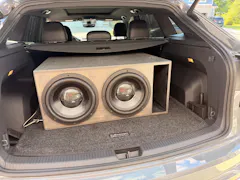
These amps are built to power bass and are commonly used in single subwoofer systems, dual subwoofer setups, loud daily builds, and high-output bass systems.
A monoblock amp can be a good fit for:
-
Single subwoofer systems
-
Dual subwoofer setups
-
10", 12", 15", and 18" subwoofer builds
-
Audio Sellerz Ground Breaker 1.5K subwoofer builds
-
Audio Sellerz Earth Crusher 3.5K subwoofer builds
-
Daily bass systems
-
Loud daily systems
-
Demo-style bass builds
-
High-output car audio systems
When choosing a monoblock amp, pay close attention to RMS power and final ohm load. A subwoofer amplifier needs to match the final impedance of the system. Some builds may be wired to 1 ohm, 2 ohm, or 4 ohm depending on the subwoofer voice coils and how the subs are connected.
If the amp and subwoofer wiring do not match correctly, the system may not make the power you expected. Even worse, the amplifier can protect, overheat, or be stressed beyond what it is designed to handle.
Shop monoblock amplifiers here:
https://audiosellerz.com/collections/monoblock-amplifiers
Shop subwoofers here:
https://audiosellerz.com/collections/subwoofers
Shop Audio Sellerz subwoofers here:
https://audiosellerz.com/collections/audio-sellerz-subwoofers
Shop subwoofer boxes here:
https://audiosellerz.com/collections/subwoofer-boxes
Read our subwoofer wiring guide here:
https://audiosellerz.com/blogs/audio-sellerz-blogs/1-ohm-vs-2-ohm-vs-4-ohm-subwoofer-systems
2 Channel Amplifiers for Simple Speaker Setups
A 2 channel amplifier is a good choice when you only need to power one pair of speakers or a smaller speaker setup.
These amps can work well for front speakers, rear speakers, tweeters, mids, small custom installs, and simple full-range setups where two channels are enough.
A 2 channel amp can be a good fit for:
-
One pair of door speakers
-
Front speaker upgrades
-
Rear speaker upgrades
-
Tweeter or midrange setups
-
Small custom installs
-
Motorcycle or powersports builds
-
Simple speaker systems that do not need four channels
A 2 channel amplifier is not always the best choice for a full vehicle speaker upgrade, but it can be perfect when the system only needs two powered channels.
Shop 2 channel amplifiers here:
https://audiosellerz.com/collections/2-channel-amplifiers
Shop speakers here:
https://audiosellerz.com/collections/speakers
4 Channel Amplifiers for Mids, Highs, and Speakers
A 4 channel amplifier is commonly used for door speakers, mids, highs, coaxials, component speakers, and full-range speaker setups.
If your vocals, instruments, and highs are struggling to keep up with your bass, adding a 4 channel amp can make a huge difference. Factory power is limited. A dedicated amplifier can help your speakers play louder, cleaner, and with more control.
Common 4 channel amp uses include:
-
Front and rear door speakers
-
Mids and highs
-
Coaxial speakers
-
Component speakers
-
Motorcycle speakers
-
Marine and powersports speakers
-
Small full-system builds
If you are running powerful mids and highs, make sure the speakers can handle the amplifier power and that the crossover settings are dialed in correctly.
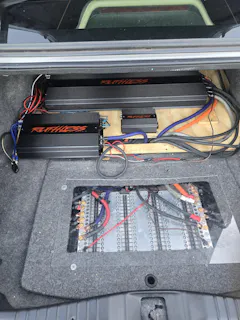
A very common car audio setup is a monoblock amplifier for the subwoofers and a 4 channel amplifier for the speakers. That gives the bass, mids, and highs their own power instead of asking one amp to do everything.
Shop 4 channel amplifiers here:
https://audiosellerz.com/collections/4-channel-amplifiers
Shop speakers here:
https://audiosellerz.com/collections/speakers
5+ Channel Amplifiers for Full-System Builds
A 5 channel amplifier can be a good option when you want to power speakers and a subwoofer from one amp.
A 5 channel amp usually gives you four channels for speakers and one subwoofer channel for bass. This can make sense for daily drivers, smaller installs, trucks, compact vehicles, and customers who want a cleaner install without using separate amps for everything.
A 5 channel amplifier can be useful for:
-
Front and rear speakers plus one subwoofer
-
Daily driver full-system upgrades
-
Cleaner installs with less equipment
-
Smaller vehicles with limited amp space
-
Systems that need speaker power and bass from one chassis
A 5 channel amp is not always the right choice for a serious high-power subwoofer build, but it can be a very clean option for a balanced daily system.
Shop 5+ channel amplifiers here:
https://audiosellerz.com/collections/5-channel-amplifiers
Shop subwoofers here:
https://audiosellerz.com/collections/subwoofers
Shop speakers here:
https://audiosellerz.com/collections/speakers
2 Channel vs 4 Channel vs 5 Channel vs Monoblock Amplifiers
A lot of shoppers get stuck choosing between different amplifier types.
Simple way to think about it:
| Amplifier Type | Best For |
|---|---|
| Monoblock amp | Subwoofers and bass systems |
| 2 channel amp | One pair of speakers or simple speaker setups |
| 4 channel amp | Front and rear speakers, mids, highs, and full-range speaker systems |
| 5+ channel amp | Speakers and subwoofer from one amplifier |
| Multiple amps | More control, stronger output, and more flexible full-system builds |
A 5 channel amp can simplify a daily driver. A monoblock plus a 4 channel can give a stronger system more flexibility. The right choice depends on how much power you need, how many speakers you are running, and how serious the bass side of the system will be.
Amplifiers for Daily Drivers
Not every customer is building a huge system.
A lot of shoppers just want their car audio to sound better. They want clearer vocals, more volume, stronger bass, and a system that does not sound weak when the music turns up.
For a daily driver, the right amplifier may be:
-
A 2 channel amp for one pair of speakers
-
A 4 channel amp for front and rear speakers
-
A 5+ channel amp for speakers and one subwoofer
-
A monoblock amp for a single subwoofer setup
-
A compact amp for a cleaner install with less space
The best daily system is not always the biggest one. It is the one that matches the speakers, subwoofer, wiring, and electrical system correctly.
High-Power Amplifiers for Serious Bass Builds
Some systems need more power.
High-power amplifiers can be a great choice for serious subwoofer builds, demo vehicles, and louder systems, but they need the right support behind them. A big amp needs proper wiring, correct fusing, strong grounds, good voltage, and a system plan that makes sense.
If the electrical system is weak, the amplifier may clip sooner, run hotter, go into protect, or fail to perform the way it should.
High-power amps can make sense for:
-
Audio Sellerz Earth Crusher 3.5K builds
-
Audio Sellerz Ground Breaker 1.5K builds
-
Dual subwoofer systems
-
15" and 18" subwoofer builds
-
Large monoblock amp systems
-
Loud daily bass systems
-
Demo-style builds
-
Vehicles with upgraded battery and alternator support
Before jumping into a high-wattage amp, make sure the build has the right support behind it.
Shop amp kits here:
https://audiosellerz.com/collections/amp-kits
Shop fuse blocks here:
https://audiosellerz.com/collections/fuse-blocks
Shop Advanced Electric batteries here:
https://audiosellerz.com/collections/advanced-electric
Shop Brand X alternators here:
https://audiosellerz.com/collections/brand-x
Read our step-by-step electrical upgrade guide here:
Matching an Amplifier to Your Speakers or Subwoofers
The amplifier should match what it is powering.
Before buying an amp, think about:
-
What speakers or subwoofers you are powering
-
RMS power ratings
-
Final ohm load
-
Number of channels needed
-
Speaker sensitivity
-
Subwoofer voice coil configuration
-
Crossover needs
-
Wiring and fuse size
-
Electrical support
-
Future upgrade plans
Do not choose an amplifier only by the biggest wattage number in the title. The real system matters more than the biggest number.
A smaller amplifier matched correctly can work better than a larger amplifier that is wired wrong, tuned wrong, or starved for voltage.
RMS Power vs Max Power
RMS power matters more than max power.
Max power numbers can look exciting, but RMS power is the rating you should pay closer attention to when matching amplifiers, speakers, and subwoofers.
RMS power gives you a better idea of what the amp is built to produce in normal use.
When shopping for amplifiers, look at:
-
RMS power
-
Rated impedance
-
Channel count
-
Fuse rating
-
Wire requirements
-
Electrical needs
-
Real system goals
The amp should fit the build, not just the number on the box.
Ohm Load Matters
Ohm load matters a lot in car audio.
If the final ohm load is too low for the amplifier, the amp may go into protect mode, overheat, shut off, blow fuses, or fail.
This is especially important with subwoofer amplifiers.
Before buying a monoblock amp, know:
-
The subwoofer voice coil setup
-
The number of subwoofers
-
The final ohm load
-
What impedance the amplifier is rated for
-
Whether the build is meant for 1 ohm, 2 ohm, or 4 ohm operation
Do not guess on subwoofer wiring. Wiring the subs wrong can make a good amp act bad.
Read our subwoofer wiring guide here:
https://audiosellerz.com/blogs/audio-sellerz-blogs/1-ohm-vs-2-ohm-vs-4-ohm-subwoofer-systems
Wiring, Grounds, and Fuse Protection
A car amplifier is only as good as the electrical path feeding it.
A good amp needs:
-
Correct power wire size
-
Matching ground wire
-
Clean bare-metal ground
-
Proper fuse protection
-
Tight battery terminals
-
Good fuse holder
-
Correct remote wire
-
Good RCA signal
-
Safe wire routing
If the power wire is too small, the ground is weak, or the fuse holder is poor, the amplifier may not perform correctly.
Bad wiring can cause:
-
Voltage drop
-
Weak bass
-
Amp protect mode
-
Amp overheating
-
Blown fuses
-
Noise
-
Random shutoff
-
Poor output
Shop amp kits here:
https://audiosellerz.com/collections/amp-kits
Shop car audio wire here:
https://audiosellerz.com/collections/wire
Shop fuse blocks here:
https://audiosellerz.com/collections/fuse-blocks
Read our wire gauge and fuse guide here:
https://audiosellerz.com/blogs/audio-sellerz-blogs/car-audio-wire-gauge-chart-fuse-guide
Read our grounding guide here:
https://audiosellerz.com/blogs/audio-sellerz-blogs/car-audio-grounding-guide-better-amp-ground
Electrical Support for Bigger Amplifiers
The bigger the amplifier, the more important electrical support becomes.
A larger monoblock amp or full-system amplifier setup may need more than just a basic amp kit.
Depending on the build, you may need:
-
Big 3 kit
-
Stronger battery support
-
High output alternator
-
Larger wire
-
Better grounds
-
Fuse blocks
-
Distribution blocks
-
Correct charging voltage
If voltage drops hard when the bass hits, the amp may not be the real problem. The amp may be asking for more electrical support than the vehicle can provide.
Shop Big 3 kits here:
https://audiosellerz.com/collections/big-3-kits
Shop Brand X alternators here:
https://audiosellerz.com/collections/brand-x
Shop Advanced Electric batteries here:
https://audiosellerz.com/collections/advanced-electric
Read our high output alternator guide here:
https://audiosellerz.com/blogs/audio-sellerz-blogs/high-output-alternator-car-audio
Amplifier Tuning Matters
A good amplifier still needs to be tuned correctly.
Gain is not a volume knob. Bass boost is not free bass. Wrong crossover settings can make a good system sound bad or damage equipment.
Bad tuning can cause:
-
Distortion
-
Clipping
-
Weak bass
-
Overheating
-
Blown speakers
-
Blown subwoofers
-
Amp protect mode
When setting up an amplifier, pay attention to:
-
Gain
-
Low pass filter
-
High pass filter
-
Subsonic filter
-
Bass boost
-
Speaker capability
-
Subwoofer enclosure
-
Source signal
-
Electrical support
A clean tune helps the system sound better and last longer.
Common Amplifier Problems
A lot of amplifier problems are not actually caused by a bad amplifier.
Common issues include:
-
Amp in protect mode
-
Amp turns on but no sound
-
Amp has power but no bass
-
Amp shuts off when bass hits
-
Amp gets hot and cuts out
-
Amp blows fuses
-
Amp makes whining noise
-
Bass sounds weak
-
Amp clicks on and off
-
Amp sounds distorted
Before replacing the amp, check the wiring, ground, voltage, fuse holder, speaker wiring, ohm load, and tuning.
Read our full troubleshooting guide here:
https://audiosellerz.com/blogs/audio-sellerz-blogs/what-is-wrong-with-my-car-audio-amp
Choosing the Right Amplifier for Your Build
The right amp depends on what you are trying to do.
Ask yourself:
-
Am I powering subwoofers, speakers, or both?
-
Do I need a monoblock, 2 channel, 4 channel, or 5+ channel amp?
-
What RMS power do I need?
-
What final ohm load will the system be wired to?
-
Do my speakers or subs match the amplifier power?
-
Do I have the right amp kit?
-
Is my ground good enough?
-
Does my vehicle have enough electrical support?
-
Am I planning future upgrades?
If you are not sure, it is better to ask before ordering than guess.
Why Buy Car Audio Amplifiers from Audio Sellerz?
Audio Sellerz works with real car audio systems, real installs, and real customers trying to build better vehicles.
We know an amplifier is not just a box with a wattage number. The amp has to match the speakers, subwoofers, wiring, grounds, battery, alternator, enclosure, and how the customer actually uses the system.
Whether you are building a simple daily system, adding a subwoofer, upgrading door speakers, powering mids and highs, or putting together a louder bass build, Audio Sellerz can help you choose the right amplifier and the right support behind it.
We want customers to get equipment that works together, not just parts that look good on paper.
Helpful Amplifier, Wiring, and Electrical Guides
What Is Wrong With My Car Audio Amp?
https://audiosellerz.com/blogs/audio-sellerz-blogs/what-is-wrong-with-my-car-audio-amp
Subwoofer Wiring Guide:
https://audiosellerz.com/blogs/audio-sellerz-blogs/1-ohm-vs-2-ohm-vs-4-ohm-subwoofer-systems
Car Audio Wire Gauge and Fuse Guide:
https://audiosellerz.com/blogs/audio-sellerz-blogs/car-audio-wire-gauge-chart-fuse-guide
Car Audio Grounding Guide:
https://audiosellerz.com/blogs/audio-sellerz-blogs/car-audio-grounding-guide-better-amp-ground
Big 3 Upgrade Guide:
High Output Alternator for Car Audio Guide:
https://audiosellerz.com/blogs/audio-sellerz-blogs/high-output-alternator-car-audio
Step-by-Step Car Audio Electrical Upgrade Guide:
Frequently Asked Questions About Car Audio Amplifiers
What does a car audio amplifier do?
A car audio amplifier gives speakers or subwoofers more power than a factory radio can provide. This can help the system play louder, cleaner, and with better control.
Do I need an amplifier for my car audio system?
You may need an amplifier if you want stronger bass, louder speakers, cleaner sound at higher volume, or better performance from upgraded speakers and subwoofers.
What amp do I need for subwoofers?
Most subwoofer systems use a monoblock amplifier. The right amp depends on the subwoofer RMS rating, voice coil setup, final ohm load, and electrical support.
What amp do I need for door speakers?
A 2 channel amp can power one pair of speakers. A 4 channel amp is usually better for front and rear speakers or a stronger mids and highs setup.
Is a monoblock amp only for subs?
Usually, yes. Monoblock amplifiers are normally used for subwoofers and bass systems.
Is a 4 channel amp good for mids and highs?
Yes. A 4 channel amplifier is commonly used for door speakers, mids, highs, coaxials, and component speakers.
Is a 5 channel amp good for a full system?
A 5 channel amp can be a great choice for a daily driver full system because it can power speakers and a subwoofer from one amplifier.
What is more important, RMS or max power?
RMS power is usually more important than max power because it gives a better idea of usable amplifier power.
Why does ohm load matter?
Ohm load matters because the amplifier must be stable at the impedance you wire the speakers or subwoofers to. Wiring too low can make the amp protect, overheat, or fail.
Why is my amp going into protect mode?
An amp may go into protect mode because of low voltage, bad ground, wrong ohm load, speaker wire shorts, overheating, clipping, or internal failure.
Why does my amp shut off when the bass hits?
This is often caused by voltage drop, bad ground, weak battery, small wire, bad fuse holder, stock alternator not keeping up, or wrong subwoofer wiring.
Do I need a Big 3 kit for a bigger amplifier?
A Big 3 kit is strongly worth considering when adding larger amplifiers, subwoofers, battery support, or a high output alternator.
Do I need a high output alternator for a big amp?
You may need a high output alternator if the amplifier power is more than the factory charging system can support, especially if voltage drops hard when playing music.
What wire size do I need for my amplifier?
The wire size depends on amplifier power, current draw, wire length, and system goals. Smaller amps may use smaller wire, while larger amps often need 1/0 wire.
Can Audio Sellerz help me choose the right amplifier?
Yes. If you are not sure which amplifier, amp kit, wiring, battery support, or alternator setup makes sense for your build, reach out before ordering.
Shop Car Audio Amplifiers at Audio Sellerz
Shop monoblock amplifiers, 2 channel amplifiers, 4 channel amplifiers, 5+ channel amplifiers, amp kits, wire, fuse blocks, batteries, alternators, subwoofers, and speakers at Audio Sellerz.
A great amplifier needs the right system behind it. Match the amp to the build, wire it correctly, support it with the right electrical, and your system will have a much better chance of playing the way it should.