Monoblock Car Audio Amplifiers for Subwoofers & Bass Builds
A monoblock amplifier is usually the main amp used for a subwoofer system. If the goal is stronger bass, deeper low end, and more output from your subs, this is the amplifier category to look at first.
At Audio Sellerz, this monoblock amplifiers collection is built for real bass systems. Some customers need a clean daily-driver subwoofer amp. Others are building loud daily setups, custom trunk builds, demo vehicles, or high-output systems that need serious power.
A good monoblock amp can completely change how a bass system feels, but it has to match the subs, box, wiring, final ohm load, and electrical support. The biggest amp on the page is not always the best amp for the build.
If you are shopping for a mono amp, subwoofer amplifier, bass amp, 1 ohm stable amp, 2 ohm stable amp, or high-power car audio amplifier, this is the page to start with.
Shop subwoofers here:
https://audiosellerz.com/collections/subwoofers
Shop subwoofer boxes here:
https://audiosellerz.com/collections/subwoofer-boxes
Shop amp kits here:
https://audiosellerz.com/collections/amp-kits
Shop car audio wire here:
https://audiosellerz.com/collections/wire
What Is a Monoblock Amplifier?
A monoblock amplifier is a single-channel amplifier that is normally used to power subwoofers.
Unlike a 4 channel amp that is usually used for door speakers, mids, highs, coaxials, or components, a monoblock amp is built to send power to the bass side of the system. That makes it a strong choice for single subwoofer builds, dual subwoofer setups, louder daily systems, and serious bass builds.
A monoblock amplifier is commonly used for:
-
Single subwoofer systems
-
Dual subwoofer systems
-
10" subwoofer builds
-
12" subwoofer builds
-
15" subwoofer builds
-
18" subwoofer builds
-
Loud daily setups
-
Demo vehicles
-
SPL-style systems
-
Custom trunk builds
-
Wall builds
-
High-output car audio systems
If the system has subwoofers, there is a good chance a monoblock amp belongs in the plan.
Choosing the Right Monoblock Amp
The best monoblock amp is not always the biggest one you can buy.
A good amp choice depends on the full setup:
-
Subwoofer RMS power
-
Number of subwoofers
-
Voice coil configuration
-
Final ohm load
-
Box style and tuning
-
Wire size
-
Fuse protection
-
Battery support
-
Alternator support
-
Daily driver vs demo use
-
How hard the system will be played
RMS power matters more than peak power. Peak power can look good in a title, but RMS power gives you a better idea of what the amplifier is built to produce consistently.
A 1000 watt monoblock amp, 2000 watt monoblock amp, 3000 watt monoblock amp, 5000 watt monoblock amp, and 8000 watt monoblock amp all need different levels of wiring and electrical support.
The amp, subs, box, wiring, fusing, battery, alternator, and tuning all need to work together.
Match the Amp to the Subwoofers
A monoblock amp needs to match the subwoofers it is powering.
If the amp is too small, the system may not perform the way you expected. If the amp is too large, wired wrong, clipped, or tuned poorly, it can damage equipment. The goal is not just “more power.” The goal is the right power for the subs and the build.
A single 12" subwoofer may not need the same amp as a pair of 15" subwoofers. A daily driver setup may not need the same amp as a wall build or demo vehicle.
Shop 10" subwoofers here:
https://audiosellerz.com/collections/10-inch-subwoofers
Shop 12" subwoofers here:
https://audiosellerz.com/collections/12-inch-subwoofers
Shop 15" subwoofers here:
https://audiosellerz.com/collections/15-inch-subwoofers
Shop 18" subwoofers here:
https://audiosellerz.com/collections/18-inch-subwoofers
1 Ohm, 2 Ohm, and 4 Ohm Monoblock Amps
Final ohm load is one of the biggest things to understand before choosing a monoblock amplifier.
The voice coils on the subwoofer decide what final ohm load the amp will see. Dual 2 ohm and dual 4 ohm subwoofers can wire to different final loads depending on how many subs are used and how they are connected.
Some monoblock amplifiers are stable at 2 ohm. Some are stable at 1 ohm. Some higher-output amps may be designed for lower loads, but that does not mean every system should be wired as low as possible.
A 1 ohm stable amp can make strong power when matched correctly, but it also puts more demand on the amplifier and electrical system. A 2 ohm setup may make less power on some amps, but it can be easier on the equipment in certain builds.
Simple way to think about it:
-
4 ohm is usually easier on the amp but makes less power on many mono amps.
-
2 ohm can be a good middle ground depending on the amplifier.
-
1 ohm usually makes more power on many monoblock amps, but needs better electrical support.
-
Lower ohm loads create more demand and more heat when the system is pushed hard.
If the final ohm load is too high, the amp may make less power than expected. If the final ohm load is too low for the amp, the amplifier can overheat, go into protect, or fail.
If you are not sure how your subs should be wired, read these guides:
https://audiosellerz.com/blogs/audio-sellerz-blogs/subwoofer-wiring-diagrams-ohm-load-guide
https://audiosellerz.com/blogs/audio-sellerz-blogs/1-ohm-vs-2-ohm-vs-4-ohm-subwoofer-systems
Monoblock Amps for 12" Subwoofers
A 12" subwoofer setup is one of the most common bass builds.
A single 12" can make a clean daily setup. A pair of 12s can get much louder and give the system more cone area without always needing the space of larger subs.
When choosing an amp for 12" subs, look at the RMS rating of the subwoofers, the final ohm load, and how hard the system will be played.
A daily single 12" may only need moderate power. A pair of stronger 12s may need a larger monoblock amp, better wiring, and stronger electrical support.
Shop 12" subwoofers here:
https://audiosellerz.com/collections/12-inch-subwoofers
Shop subwoofer boxes here:
https://audiosellerz.com/collections/subwoofer-boxes
Monoblock Amps for 15" and 18" Subwoofers
Larger subwoofers usually mean bigger bass goals.
A 15" subwoofer can give the system a bigger low-end feel when the box and power are right. An 18" subwoofer can move a lot of air in the right setup, but it also needs the right enclosure, amplifier, and electrical plan.
A bigger subwoofer does not automatically mean better results. A 15" or 18" sub in the wrong box, on the wrong amp, or with weak electrical can still be disappointing.
When building around 15" or 18" subs, make sure the amp matches:
-
RMS power
-
Final ohm load
-
Box design
-
Vehicle space
-
Wire size
-
Battery support
-
Alternator support
-
System goal
Shop 15" subwoofers here:
https://audiosellerz.com/collections/15-inch-subwoofers
Shop 18" subwoofers here:
https://audiosellerz.com/collections/18-inch-subwoofers
The Box Affects the Amp Too
The enclosure matters more than a lot of people think.
A good subwoofer in the wrong box can sound weak, sloppy, peaky, or disappointing. The amplifier can only do so much if the subwoofer and enclosure are not working together.
Box size, port tuning, sealed vs ported design, airspace, and vehicle space all affect how the subwoofer performs. A properly matched box can help the amp and subwoofer work more efficiently.
This is why we care about the full setup. A strong monoblock amp, good subwoofer, and bad box is still a bad plan.
Shop subwoofer boxes here:
https://audiosellerz.com/collections/subwoofer-boxes
Read our sealed vs ported guide here:
https://audiosellerz.com/blogs/audio-sellerz-blogs/sealed-vs-ported-best-sub-size-for-car-audio
Wiring and Electrical Support Matter
A monoblock amplifier can make serious power, but it needs the right wiring behind it.
A smaller mono amp may work fine with a quality amp kit and a clean ground. A larger monoblock amp may need 1/0 power wire, better fuse protection, upgraded grounds, battery support, and a high-output alternator.
Weak wiring or poor electrical support can cause:
-
Voltage drop
-
Weak bass
-
Amp protect mode
-
Extra amplifier heat
-
Hot fuse holders
-
Clipping sooner than expected
-
Inconsistent output
-
Early amplifier failure
Strong subs need clean power. Strong amps need strong electrical.
Shop amp kits here:
https://audiosellerz.com/collections/amp-kits
Shop car audio wire here:
https://audiosellerz.com/collections/wire
Shop fuse blocks here:
https://audiosellerz.com/collections/fuse-blocks
Read our wire gauge and fuse guide here:
https://audiosellerz.com/blogs/audio-sellerz-blogs/car-audio-wire-gauge-chart-fuse-guide
Do Not Ignore the Ground
A bad ground can make a good amp act bad.
If the ground is painted, loose, too small, rusty, or connected to a weak spot, the amp may not get the current path it needs. That can cause voltage drop, amp protect mode, noise, extra heat, and weak output.
A bad ground can also make the amplifier run hotter than normal. Heat is hard on electronics, and over time, extra heat can shorten amplifier life.
The ground wire should normally match the power wire size. If the amp uses 1/0 power wire, the ground should be 1/0 too.
A good amp ground should be:
-
Clean bare metal
-
Tight
-
Properly crimped
-
Same size as the power wire
-
Connected to a strong ground point
-
Tested under load
Read our full grounding guide here:
https://audiosellerz.com/blogs/audio-sellerz-blogs/car-audio-grounding-guide-better-amp-ground
Battery and Alternator Support for Bigger Mono Amps
Once you start shopping for 3000 watt, 5000 watt, 8000 watt, or larger monoblock amplifiers, the electrical system becomes a major part of the build.
A battery can help with current demand and voltage stability. The alternator keeps the system charging while the vehicle is running. The bigger the amp, the more important it is to think about the full electrical plan.
If voltage drops too hard, the amplifier can lose output, clip sooner, run hotter, shut down, or go into protect mode. That is not how you get reliable bass.
For stronger builds, Advanced Electric batteries can be a good option when the system needs more battery support than stock electrical can provide.
Shop Advanced Electric batteries here:
https://audiosellerz.com/collections/advanced-electric
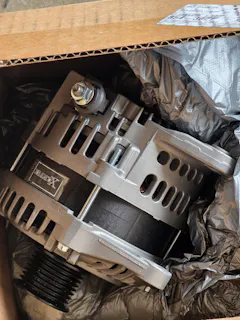
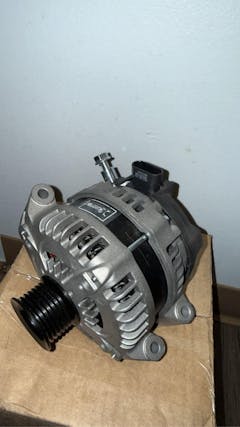
Shop alternators here:
https://audiosellerz.com/collections/alternators
Read our step-by-step electrical upgrade guide here:
Stetsom Monoblock Amps and Compact Bass Power
Stetsom is worth looking at if you want compact amplifier power, bass amp options, and flexible car audio power in a smaller footprint.
A Stetsom monoblock amp can be a strong fit for daily bass systems, motorcycle or powersports builds, compact installs, or systems where space matters. Stetsom also offers full-range amp and DSP options, so the brand can fit more than one part of the build.
Shop Stetsom amplifiers here:
https://audiosellerz.com/collections/stetsom
Ruthless Audio Monoblock Amps for Bigger Bass Builds
Ruthless Audio is another brand to look at for strong monoblock amplifier power.
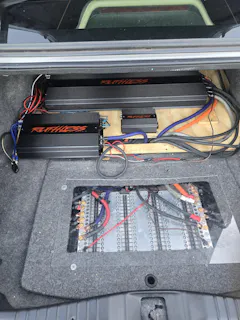
If you are building a louder daily setup, demo vehicle, or higher-output subwoofer system, Ruthless amps can make sense when the rest of the system is ready for the power. Big mono power still needs the right subs, wiring, grounds, batteries, alternator support, and tuning.
Shop Ruthless Audio here:
https://audiosellerz.com/collections/ruthless-audio
Monoblock Amps for Daily Drivers and Loud Builds
Monoblock amps are used in all kinds of car audio systems.
They are commonly used for:
-
Single subwoofer builds
-
Dual subwoofer setups
-
Daily driver bass upgrades
-
Loud daily systems
-
SPL-style systems
-
Demo vehicles
-
Custom trunk builds
-
Wall builds
-
High-output car audio systems
-
12" subwoofer systems
-
15" subwoofer systems
-
18" subwoofer systems
A daily driver may need clean, reliable power and a simple setup. A demo vehicle may need much more amplifier power, stronger wiring, upgraded battery support, and more planning.
The right amp depends on the full build.
Common Monoblock Amp Problems
If a monoblock amplifier is acting up, the amp itself is not always the problem.
A lot of bass amp issues come from wiring, voltage, grounding, wrong ohm load, clipping, or heat.
Common problems include:
-
Amp goes into protect mode
-
Amp shuts off when bass hits
-
Amp gets hot fast
-
Weak bass output
-
Subwoofer cuts in and out
-
Fuse holder gets hot
-
Power wire gets hot
-
Ground wire gets hot
-
Lights dim when bass hits
-
Amp clips sooner than expected
Before blaming the amp, check the full setup. Final ohm load, ground quality, voltage under load, wire size, fuse holder quality, and tuning all matter.
Read our grounding guide here:
https://audiosellerz.com/blogs/audio-sellerz-blogs/car-audio-grounding-guide-better-amp-ground
Read our electrical upgrade guide here:
Why Buy Monoblock Amplifiers From Audio Sellerz?
Audio Sellerz is built around real car audio. We sell this stuff, install it, and help customers match systems the right way.
We do not look at a monoblock amp by itself. We look at the subwoofers, final ohm load, box, wiring, grounds, battery support, alternator, and how the customer plans to use the system.
Shopping monoblock amplifiers at Audio Sellerz means access to:
-
Subwoofer amps for daily and loud builds
-
Amplifiers from trusted car audio brands
-
Options for 10", 12", 15", and 18" subwoofer systems
-
Help matching amp power to subs and ohm load
-
Related wiring, box, battery, and electrical support
-
Support from people who deal with real installs
If you are not sure which monoblock amplifier fits your subwoofer setup, reach out before ordering. Audio Sellerz can help you match the amp to your subs, final ohm load, wiring, box, and electrical system so the build makes sense from the start.
Frequently Asked Questions About Monoblock Amplifiers
What is a monoblock amplifier?
A monoblock amplifier is a single-channel amp commonly used to power subwoofers. It is usually built for bass and designed to make strong power at lower ohm loads.
Is a monoblock amp only for subwoofers?
Most of the time, yes. Monoblock amps are usually used for subwoofer systems, while 4 channel amps are normally used for door speakers, mids, and highs.
What size monoblock amp do I need?
That depends on your subwoofer RMS power, number of subs, final ohm load, box, wiring, and electrical support. The amp should match the system, not just the biggest number you can buy.
Is 1 ohm better than 2 ohm?
Not always. A 1 ohm load can allow some amps to make more power, but it also creates more demand on the amp and electrical system. A properly matched 2 ohm setup can be cleaner and easier on the system in some builds.
Can a bad ground make my monoblock amp shut off?
Yes. A bad ground can cause voltage drop, protect mode, heat, and weak output. The ground should be clean, tight, bare metal, and the same size as the power wire.
Do bigger monoblock amps need extra batteries?
Many larger amps need better battery and charging support, especially if voltage is dropping or the system is played hard. The bigger the amplifier, the more important the electrical system becomes.
Do I need a special box for my subwoofer amp?
The amplifier does not need the box, but the subwoofer does. A properly matched box helps the subwoofer use the amp power better. The wrong box can make a strong amp and sub sound bad.
What amp do I need for two 12" subs?
That depends on the RMS power of the subs, the voice coils, and the final ohm load. A pair of 12" subs can need anything from moderate power to a large monoblock amp depending on the exact setup.
Why does my monoblock amp go into protect mode?
Protect mode can happen from low voltage, bad ground, wrong ohm load, overheating, clipping, shorted speaker wires, or internal amp issues. Start by checking voltage, ground, wire size, final ohm load, and tuning.
What gauge wire do I need for a monoblock amp?
That depends on the amplifier power and wire run length. Smaller amps may use 4 gauge or 8 gauge, while stronger monoblock amps usually need 1/0 wire and better electrical planning.
Shop Monoblock Amplifiers at Audio Sellerz
Browse monoblock car audio amplifiers at Audio Sellerz and find the right subwoofer amp for your build.
Whether you are powering a single 10", a single 12", a pair of 12s, a pair of 15s, an 18" subwoofer, a daily bass setup, or a serious high-output system, the right monoblock amp can help your subs play stronger, cleaner, and louder when the rest of the system is matched correctly.