Car Sound Deadening Material
-
Sky High Car Audio 80Mil Sound Deadener ( Single Sheet )
Vendor:Sky High Car AudioRegular price $6.78 USDRegular price -
SoundQubed 80 Mil Sound Deadener 36 Sq Ft 20 Sheets
Vendor:SoundQubedRegular price $114.95 USDRegular price -
Sky High Car Audio 200mil Sound Deadener Butyl Sheet – Single Sheet
Vendor:Sky High Car AudioRegular price $16.02 USDRegular price -
Sky High Car Audio 120Mil Sound Deadener ( Single Sheet )
Vendor:Sky High Car AudioRegular price $9.00 USDRegular price -
GP Sound Deadener Roller
Vendor:GP Car AudioRegular price $14.99 USDRegular price -
GP STFU v2 250 MIL SOUND DEADENER
Vendor:GP Car AudioRegular price From $34.99 USDRegular price -

 Sale
SaleDC Sound Deadener
Vendor:DC AudioRegular price $149.99 USDRegular price$179.99 USDSale price $149.99 USDSale -
Sky High Car Audio 80mil Sound Deadener – License Plate Sheet
Vendor:Sky High Car AudioRegular price $11.99 USDRegular price -
Sky High Car Audio 200Mil Sound Deadener Butyl Sheets 16-36 sq ft
Vendor:Sky High Car AudioRegular price From $129.99 USDRegular price


-
 Sky High Car Audio 80Mil Sound Deadener ( Single Sheet )High Temp Butyl Rubber Dampening Material – 1.8 Sq Ft Per SheetSold by Audiosellerz.com Key Features: Premium Mater...$6.78
 -
 SoundQubed 80 Mil Sound Deadener 36 Sq Ft 20 SheetsSoundQubed 80 Mil Sound Deadener 36 Sq Ft 20 Sheets Sold by AudioSellerz.com The SoundQubed 80 Mil Sound Deadener 36 ...$114.95
 -
 Sky High Car Audio 200mil Sound Deadener Butyl Sheet – Single SheetSky High Car Audio 200mil Sound Deadener Butyl Sheet Single SheetSold by AudioSellerz.com. The Sky High Car Audio 200...$16.02
 -
 Sky High Car Audio 120Mil Sound Deadener ( Single Sheet )Sky High Car Audio 120Mil Sound Deadener Butyl Sheets 16.5-99 sq ft are built to reduce panel vibration, road noise, ...$9.00
 -
 GP Sound Deadener RollerThe GP Sound Deadener Roller makes installing sound deadener quick, easy, and effortless. Its agronomical handle gri...$14.99
 -
 GP STFU v2 250 MIL SOUND DEADENERProduct Description -Pure Butyl -Foil Barrier -CCF Layer Get the job done in a SINGLE layer with the GP STFU 250 Mil ...$34.99
 -
 DC Sound DeadenerDC Mat is a High Quality self-adhesive, foil backed Sound / Vibration damper. It is designed to be applied to the inn...$149.99
$179.99 -
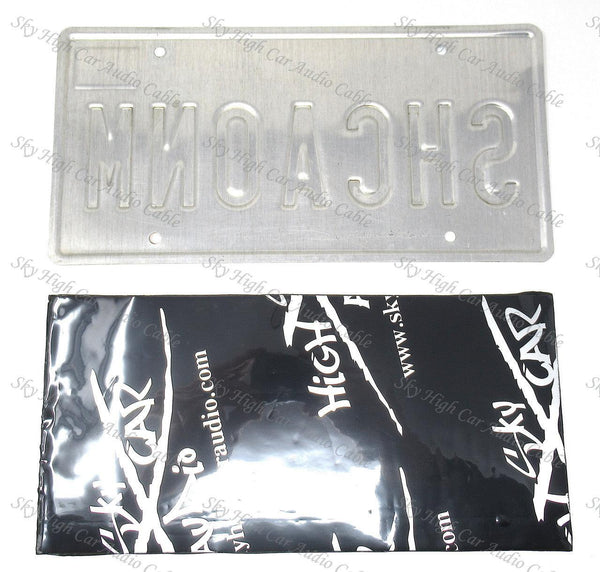 Sky High Car Audio 80mil Sound Deadener – License Plate SheetSky High Car Audio 80mil Sound Deadener – License Plate Sheet is a targeted sound deadening sheet built to reduce lic...$11.99
 -
Sky High Car Audio 200Mil Sound Deadener Butyl Sheets 16-36 sq ftSky High Car Audio 200Mil Sound Deadener Butyl Sheets 16-36 sq ft are built for car audio installs that need serious ...$129.99


Car Sound Deadening Material for Doors, Trunks, Floors & Complete Audio Builds
Sold by AudioSellerz.com
Car sound deadening material helps control unwanted vibration, panel resonance, road noise, and rattles that can take away from the performance of an aftermarket audio system. Whether you are upgrading door speakers, installing subwoofers, building a custom trunk, or trying to make your daily driver sound cleaner, the right automotive sound deadener can make a noticeable difference.
Audio Sellerz carries automotive sound deadening material for cars, trucks, SUVs, vans, custom builds, daily drivers, demo vehicles, and high-output car audio systems. Use this collection to shop sound deadening mats, sheets, kits, installation accessories, and different thickness options for the areas of your vehicle that need better vibration control.
Sound deadener is especially useful when pairing upgraded car audio speakers with amplifier power or installing a powerful set of car audio subwoofers. Better equipment can expose weak doors, thin panels, loose trim, trunk lids, rear decks, and untreated metal that may not have been noticeable with the factory system.
For a full system plan, compare car audio amp kits, car audio wire, subwoofer boxes, and monoblock amplifiers while planning where sound deadening belongs in the build.
What Does Car Sound Deadening Material Do?
Automotive sound deadening material is applied directly to metal panels and other problem areas inside a vehicle. Its main job is to add mass and damping to the panel so it does not vibrate as easily when speakers, subwoofers, road movement, exhaust pressure, or vehicle movement cause it to resonate.
Properly installed sound deadener may help with:
- Reducing door panel vibration
- Controlling trunk and hatch rattles
- Reducing roof flex and resonance
- Improving the mounting environment for door speakers
- Helping midbass sound tighter and more controlled
- Reducing vibration around rear decks and quarter panels
- Controlling license plate and trunk lid noise
- Making a vehicle feel more solid and refined
- Reducing unwanted noise that competes with the music
Sound deadening does not replace proper speaker installation, enclosure design, tuning, wiring, or electrical support. It works as part of the complete installation by helping control the vehicle panels around the audio system.
Sound Deadening vs. Complete Automotive Soundproofing
The terms car sound deadening and automotive soundproofing are often used together, but they do not always mean exactly the same thing.
Sound deadening material is mainly used to reduce vibration and resonance in metal panels. Complete soundproofing may involve several different materials designed to control vibration, absorb sound, block outside noise, and isolate different areas of the vehicle.
For most car audio systems, a quality sound deadening mat is a strong first step because it addresses the thin metal panels that commonly vibrate when speakers and subwoofers begin producing more output.
Best Places to Install Automotive Sound Deadener
The best place to install sound deadening material depends on the vehicle, the audio system, and the problem you are trying to fix. Some customers are trying to improve door speaker performance, while others are trying to control trunk rattles from a subwoofer system.
Car Doors
Doors are one of the most important areas to treat when upgrading speakers. Most factory doors contain large sections of thin sheet metal, openings, plastic panels, wiring, and clips that may vibrate as speaker output increases.
Adding sound deadening material for car doors can help create a more stable mounting environment for the speaker. This is especially helpful for midbass speakers, amplified door speakers, loud mids and highs systems, and custom door builds.
Trunks and Hatch Areas
Subwoofer systems can cause trunk lids, hatch panels, quarter panels, spare-tire wells, rear decks, and license plates to vibrate. Applying sound deadener to these areas can help control some of the rattles and panel resonance created by stronger bass.
The trunk or hatch is often the best starting point when the system sounds good inside the vehicle but produces distracting rattles outside.
Vehicle Floors
Floor treatment may help control vibration and reduce some of the noise entering through the lower part of the vehicle. Treating the floor generally requires removing seats, carpet, trim, and other interior components, making it a more involved installation than applying material inside a trunk or door.
Roof Panels
Large roof panels may resonate or flex in vehicles with powerful subwoofer systems. Roof treatment can be useful for high-output builds, but headliner removal and reinstallation should be handled carefully to avoid damaging clips, wiring, airbags, or interior materials.
Rear Decks and Quarter Panels
Rear decks and quarter panels are common sources of vibration, especially in sedans and vehicles with subwoofers mounted in the trunk. These areas may contain factory speakers, trim pieces, vents, wiring, and other parts that can create noise when bass output increases.
80 Mil vs. 120 Mil vs. 200 Mil Sound Deadener
Car sound deadening material is available in different thicknesses. Common options may include 80 mil, 120 mil, and 200 mil sound deadener.
The right thickness depends on the product, vehicle panel, available space, installation area, and amount of vibration you are trying to control.
- 80 mil sound deadener: A versatile option for doors, trunks, rear decks, floors, and general automotive use.
- 120 mil sound deadener: A thicker option for areas that may need additional damping or for installers who want more material in a single layer.
- 200 mil sound deadener: A heavy-duty option that may be useful in high-vibration areas, large panels, custom builds, and powerful subwoofer systems.
Thicker is not automatically better for every area. Proper surface preparation, complete adhesion, correct placement, coverage, and careful installation all affect how well the material performs.
You can also browse the Sky High Car Audio collection for additional deadener, wiring, speakers, amplifiers, subwoofers, and installation accessories.
Sound Deadening Material for Better Door Speaker Performance
A door speaker uses the door as part of its installation environment. When the surrounding metal and door panel vibrate excessively, some of the speaker’s energy is wasted moving the vehicle instead of producing controlled sound.
Installing automotive sound deadener around the speaker mounting area and on the larger sections of the door can help create a more stable foundation. This may improve midbass response, reduce buzzing, and help the speaker sound cleaner when the volume increases.
Sound deadener is useful for:
- Factory speaker replacements
- Coaxial speaker upgrades
- Component speaker systems
- Midrange speaker installations
- Midbass speaker installations
- Custom door pods and panels
- Amplified mids and highs systems
- Loud daily-driver builds
For speaker upgrades, compare full range speakers, midrange speakers, midbass speakers, tweeters, and horns.
Sound Deadener for Subwoofer Systems
Subwoofers move significantly more air than factory speakers. As bass output increases, the pressure inside the vehicle can expose loose trim, vibrating panels, thin sheet metal, trunk lid movement, and other noise problems.
Adding car audio sound deadener does not make a poorly designed system perform correctly, but it can help control the vehicle around a properly installed subwoofer setup.
Common treatment areas for a bass system include:
- Trunk lids
- Hatch doors
- Spare-tire wells
- Rear quarter panels
- Rear decks
- Roof panels
- License plate areas
- Interior trim panels
When building a bass system, sound deadening should be planned with the subwoofer, box, amplifier, wiring, and electrical support. Read the complete car audio bass setup guide and the sealed versus ported subwoofer box guide before planning the full build.
How Much Sound Deadening Material Do You Need?
The amount of material needed depends on the vehicle, product dimensions, treatment area, and how complete you want the installation to be.
A small door treatment may require only a few sheets, while treating four doors, the trunk, roof, floor, and rear panels may require a much larger sound deadening kit. Measure each area before ordering and compare those measurements with the coverage information listed for the material.
You do not always need to cover every square inch of the vehicle to reduce panel vibration. Targeting the largest flat sections of metal and the areas producing the most noise can be an effective starting point. More complete builds may use broader coverage throughout the vehicle.
Tips for Installing Car Sound Deadening Material
- Remove dirt, grease, dust, and loose material before installation.
- Make sure the mounting surface is dry.
- Measure and test-fit each piece before removing the backing.
- Use a roller to apply firm, even pressure across the material.
- Avoid covering drain holes, wiring connections, fasteners, and moving parts.
- Be careful around airbags, sensors, factory electronics, and window mechanisms.
- Check that trim panels and interior pieces still fit before final reassembly.
- Wear gloves when working around sharp sheet metal.
Proper adhesion matters. Material that is loosely applied, installed over dirt, or placed across moving components may not perform correctly and may create installation problems later.
Sound Deadening Works Best With a Complete Install Plan
Sound deadening helps control the vehicle panels, but the rest of the system still needs to be correct. A strong audio system also needs properly matched speakers, the right amplifier power, clean wiring, good grounds, correct fuse protection, and safe tuning.
If the system has voltage drop, amp protect mode, noise, or weak bass, sound deadening alone will not fix those problems. It should be used alongside the right installation and electrical upgrades.
For more help planning the system, read the car audio wire size guide and the car audio grounding guide.
Shop Car Sound Deadening Material at Audio Sellerz
Audio Sellerz carries sound deadening material for cars, trucks, SUVs, daily drivers, custom audio builds, and high-output systems. Whether you need a single sheet for a problem area or enough material for a complete vehicle, this collection is designed to help you find the right option for your installation.
Shop automotive sound deadener for doors, trunks, floors, roofs, rear decks, speaker upgrades, subwoofer systems, and complete car audio builds. Match the material to your vehicle, installation area, available space, and the amount of vibration you need to control.
Complete the install with car audio speakers, subwoofers, subwoofer boxes, amplifiers, amp kits, and wire.
Car Sound Deadening FAQs
Does sound deadening make car speakers sound better?
Sound deadening may help speakers perform in a more stable environment by reducing vibration in the surrounding door or panel. This can be especially helpful for door speakers and midbass installations.
Will sound deadener stop every rattle?
No. Some rattles come from loose clips, trim panels, wiring, license plates, damaged fasteners, or other components. Sound deadener can help control panel vibration, but individual rattles may still need to be located and repaired separately.
Can I install sound deadener over factory material?
That depends on the condition and type of factory material. The new material needs a clean, dry, secure surface. Loose, dirty, oily, damaged, or poorly adhered factory material may need to be removed first.
Is sound deadening worth it for a daily driver?
It can be a valuable upgrade for daily drivers with door speaker upgrades, subwoofers, road noise, or vibrating panels. The best results come from treating the areas that create the most noticeable noise or resonance.
Do I need a roller to install sound deadener?
A roller is strongly recommended because it helps press the material firmly against the panel, work it into curves and contours, and reduce air pockets.
Should I sound deaden my doors or trunk first?
Treat the area connected to the problem you are trying to solve. Start with the doors when improving door speakers or midbass. Start with the trunk or hatch when controlling rattles caused by a subwoofer system.
Is thicker sound deadener always better?
No. Thicker material can be useful in some areas, but surface prep, adhesion, coverage, panel location, and correct installation all matter. The right product should match the area being treated.
Can sound deadening help with subwoofer trunk rattle?
Yes, sound deadening can help reduce trunk lid, hatch, license plate, rear deck, and quarter panel vibration caused by subwoofer output. Some rattles may still need separate repair if they come from loose parts or worn clips.
Follow Audio Sellerz
Stay connected with Audio Sellerz for sound deadening, speaker upgrades, subwoofer builds, amplifier installs, wiring tips, electrical upgrades, product releases, demos, and new car audio videos.
Follow Audio Sellerz on Facebook, Instagram, TikTok, and YouTube.